Please enter keywords to search

Global |EN

Choose your country & Language

Asia Pacific

Australia & New Zealand
India
Indonesia
Korea
Malaysia
Philippines
Singapore
Singapore (Sunlight)
Vietnam

Middle East & Africa

CHINT-EGEMAC
Saudi Arabia
South Africa
UAE
CHINT AJLAN
Egypt
Kenya

Europe

France
Kazakhstan
Netherlands
Italy
Spain
Turkey
United Kingdom

North America

Mexico

Latin America

Brazil
Colombia
Ecuador
Peru

Choose your country & Language

Australia & New Zealand
India
Indonesia
Korea
Malaysia
Philippines
Singapore
Singapore (Sunlight)
Vietnam
CHINT-EGEMAC
Saudi Arabia
South Africa
UAE
CHINT AJLAN
Egypt
Kenya
France
Kazakhstan
Netherlands
Italy
Spain
Turkey
United Kingdom
Mexico
Brazil
Colombia
Ecuador
Peru

Please enter keywords to search

Your search term contains restricted words. Please use different keywords.

What is a Surge Protective Device (SPD)?

JUL 12, 2024

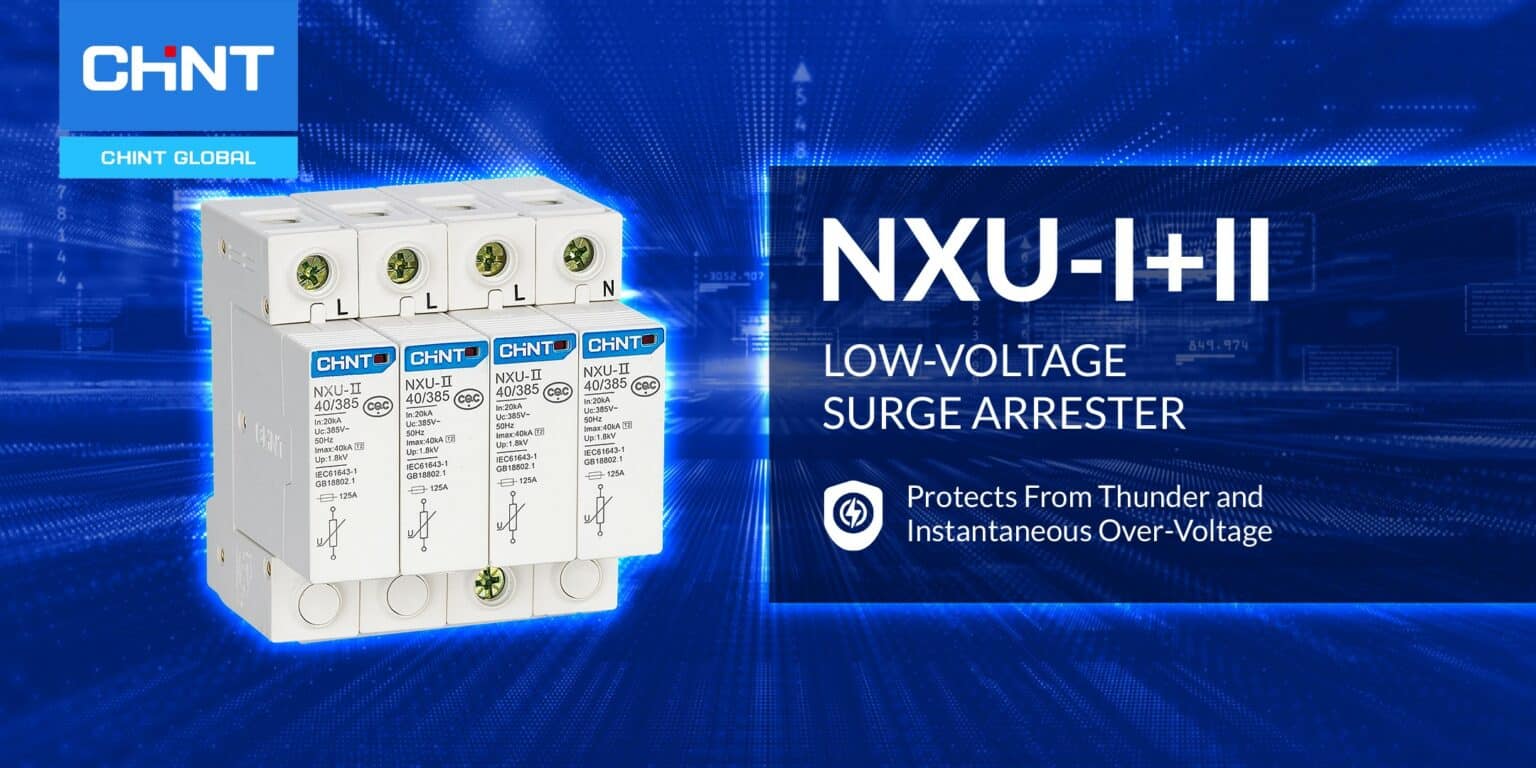
Overvoltage can occur due to many reasons. These include lightning strikes and switching on/off large electrical loads. This can cause problems like busted electronics or fires if the safety gear fails. A surge protective device, also called an SPD, is extremely useful when it comes to this. It adds important protection from high-voltage power spikes that regular circuit breakers can’t handle. By shunting excess energy to the ground, SPDs aim to keep sensitive electronics safe from the dangers of overvoltage.

SPD: Components and Working Principle

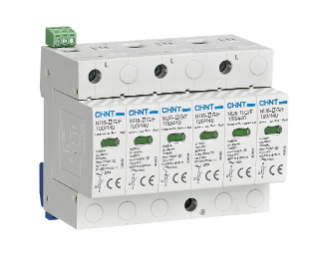
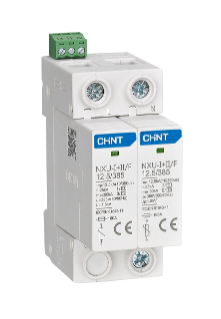
A surge protective device has several key components. These include:


  • Metal Oxide Varistors (MOVs): These are ceramic-based components that change their resistance depending on the voltage applied to them. When the applied voltage increases, the resistance lowers.

  • Fuses: Fuses protect MOVs from excessive current during a surge.

  • Indicator Lights: These show the real-time status of the surge protective device working conditions.

The working principle of a surge protective device is straightforward. When a surge enters through the power lines, the MOVs immediately lower their resistance and thus raise their conductivity levels. In this way, they shunt most of the current to the earth’s ground before it reaches protected devices downstream. The diverted surge is harmlessly reduced before equipment is exposed to high voltage or current spikes.

What is a Surge Protective Device (SPD) 20240712 2
What is a Surge Protective Device (SPD)-20240712-2
Key specifications provide important ratings that define an SPD’s performance capabilities. These include:
 
Specifications
Meaning
In
In is the nominal discharge current rating that the spike protector is designed to continuously carry without damage. In is tested using 8/20 µs current wave shape.
Imax
Imax stands for maximum discharge current rating. This indicates the maximum short-duration current pulse that the surge protective device is tested to discharge. Imax is tested using 8/20 µs current wave shape.
Iimp
Iimp refers to impulse current rating. It specifies the maximum current the SPD can withstand, similar to Imax. But Iimp is tested using 10/350 µs current wave shape.
Up
Up refers to the maximum continuous operating voltage rating of the surge arrester at In. This is the voltage protection level. It is defined as the maximum voltage that can be present across the SPD terminals when it is active.
Uc
Uc denotes maximum continuous operating voltage. It specifies the highest voltage the surge protector can experience across its terminals during normal use. After this limit, there’s a risk of performance degradation or potential failure due to overvoltage conditions.

Understanding the different types of surge protective devices is key to selecting the most suitable protection for various system needs. Three main types include:

Type 1 SPD

Type 1 SPDs are intended to protect electrical devices against direct lightning stroke. They should pass IEC 61643-11 Class I tests and are tested using 10/350 µs current waves.

Type 2 SPD

When lightning strikes near the overhead power lines, it generates an electromagnetic field and causes a voltage surge. Type 2 SPDs are intended to protect electrical installations against such indirect lightning strokes. Type 2 SPD units should pass IEC 61643-11 Class II tests and are tested using 8/20 µs current waves.

Type 3 SPD

Types 3 SPDs have a lower discharge capacity. They are intended to provide further protection for electrical installations, especially sensitive loads. Type 3 units should pass IEC 61643-11 Class III tests and should be tested using 1.2/50 µs voltage waves and 8/20 µs current waves.

Cautions When Installing SPD

Proper installation is crucial for SPDs to provide effective surge protection. Cautions when installing a surge protective device include:


  • The SPD must be installed in parallel directly before circuits or devices to allow the diversion of surge current around sensitive equipment.
  • Connection wire lengths for the SPD in the switchboard should not exceed 0.5 meters.
  • Relying on a Type 1 surge protector alone may be insufficient for effectively discharging high-energy currents and limiting overvoltages. Adding a Type 2 or Type 3 surge protector is recommended.
  • All installation work must be performed by certified electricians in compliance with local electrical codes to ensure proper grounding and unit mounting.

Conclusion

In summary, a surge protective device plays an important protective role for electronics across various industrial and commercial applications. By installing the properly rated and certified SPD, equipment owners gain a robust defense against power anomalies outside of standard circuit breaker capabilities. At CHINT, we design and manufacture reliable SPD solutions for almost any installation need. Visit our website to learn more about our company and browse our full offerings of surge protection products.

If you have any questions or need further assistance, don't hesitate to reach out to us.

The Latest
DECEMBER 17, 2025 Understanding Power Losses: How Modern Switchgear Mitigates Inefficiency

Learn how power quality devices, LV switchgear, and shunt reactor solutions cut energy waste and improve electrical performance.

DECEMBER 15, 2025 Power Components for Solar and Storage Equipment

Discover the functions of the different specialized DC components and how these work together to protect, isolate, and measure solar and storage systems.

DECEMBER 12, 2025 Designing Turnkey Substations: From Specification to Commissioning

Learn how EPC teams use MV switchgear, HV switchgear, AIS, and HV MCCB to design efficient turnkey substations from spec to commissioning.

DECEMBER 10, 2025 Preventing Electrical Fires in Multi-Unit Buildings

Learn practical ways to improve electrical fire safety in multi-unit buildings with modern electrical safety devices and layered protection.

DECEMBER 8, 2025 Integrating Renewable Energy into Existing Grid Networks

Integrate renewables smoothly with modern power transformer solutions that stabilize voltage, support bidirectional flow, and strengthen grid reliability for clean energy growth.

DECEMBER 5, 2025 5 Ways to Cut Energy Costs in High-Load Industrial Environments

Energy efficiency is important in high-load industrial environments. Learn why knowing your power factor and reactive power compensation is important.

DECEMBER 5, 2025 Integrating VFDs to Optimize Motor Control in Heavy Industry

VFDs optimize your motor control, especially if you’re in a heavy industry setting. Learn how a variable frequency drive improves your process automation.

DECEMBER 5, 2025 Safe and Reliable Power Components for Smart HVAC Systems

Reliable electrical protection keeps HVAC systems safe, efficient and working smoothly. Explore how contactors, overload relays, and VFDs optimize performance.

DECEMBER 5, 2025 Choosing UL and IEC Components for Dual Market Equipment

Dual standards and dual certification are important in MCCBs. Learn how to choose UL and IEC components for dual market equipment to ensure safety.

DECEMBER 5, 2025 A Complete Guide to Selecting MCBs and RCCBs for Modern Buildings

Discover how to choose the right devices in the MCB vs RCCB lineup for safer, more reliable systems. Learn practical steps to strengthen electrical protection in modern buildings.