

Introduction

Reliable motor-driven processes are the backbone of the heavy industry. Problems such as uncontrolled starts, unplanned stops, and speed changes impact your energy use and the lifespan of your equipment. Variable frequency drives and smart motor control strategies allow for better efficiency and process automation for your machines.
What is a Variable Frequency Drive (VFD) and How It Enhances Motor Control
A variable frequency drive or VFD is a component that controls the speed and torque of your machine. A VFD can achieve this through modulating the frequency and voltage. Through the use of a VFD, your machine’s motors will perform with efficiency, leading to a reduction in energy costs.
To understand this electronic device, we have to discuss how a VFD works. First, let’s look at the three phases: rectification, filtration, and inversion. During the rectification phase, the AC is converted into DC. Then, the converted current goes through the DC bus. This phase is called filtration, and its main goal is to stabilize the DC ripple. Once the DC current is stabilized, it will now undergo the final step, inversion.
During inversion, the DC will be converted back to AC as a pulse, and it passes through the inverter. The inverter contains several IGBTS that modulate the current to make it better suited for motors.
As IGBTs run as different switches, speeds can now be matched to your load. This form of overload protection protects your machines from overloading and allows smoother startup curves.
Benefits of Using VFDs in Heavy Industrial Processes
Now that we know how a variable frequency drive works, let us take a look at the benefits of using a VFD.
The first benefit is that machines receive less wear due to soft starting. Hard-starting machines can cause a lot of wear and tear. Using a VFD gives you motor control features that allow you to control the speed of your motors during start-up. This functionality eases the process of your components.
Having the ability to control your motor’s speed can help in lowering energy consumption. A VFD will allow you to configure the machine’s speed depending on the current load. Having the correct motor torque to match the current load will cost less energy.
Using a VFD improves the consistency of your process, as you can match the speed of your machine’s motor with what is needed in a specific process. A VFD will allow you to set speeds and maintain them or change them when needed.
A VFD’s DC Bus provides the required reactive power of a machine’s motor. This leads to your AC supply line only needing to provide the actual demanded power. Some VFDs can also correct a motor’s harmonics.
Integrating VFDs Into End-to-End Process Automation
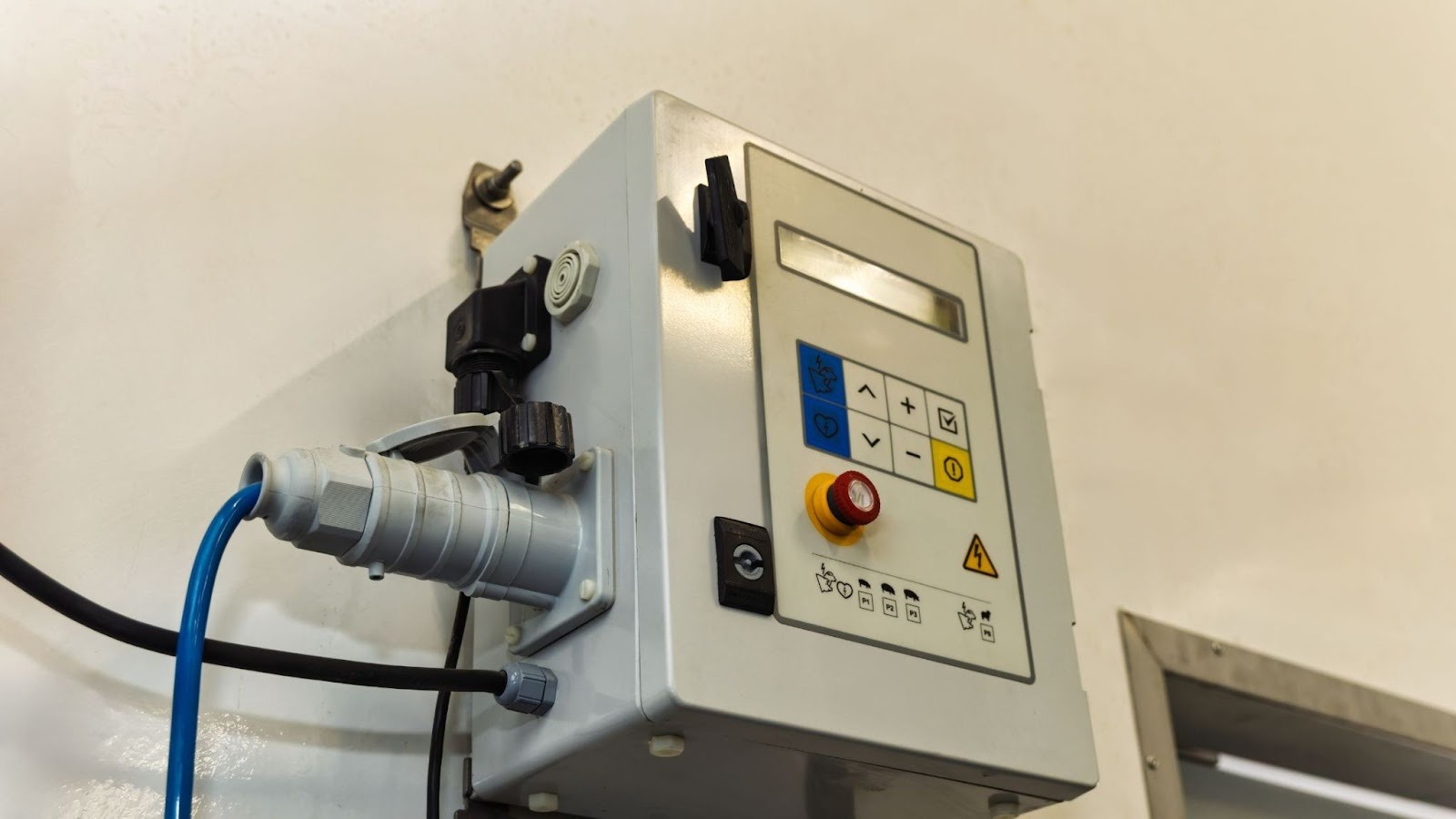
VFDs have multiple interactions with other components when integrated. A programmable logic controller lets you control the VFD and adjust the motor’s speed. Then, SCADA works as the brain that allows operators to control processes remotely. Lastly, Plant Automation Networks allow for precise motor control. These three with a VFD allow for better motor efficiency, which helps in cutting energy costs.
There are numerous efficiency gains as a result of using automated motor regulation.
- Since you can now optimize motor speed to match tasks, the process becomes more efficient when using energy. There is less space for wasted energy, and in turn, you’ll cut down on costs.
- Since you can now control the acceleration of your motor, the chances of a mechanical failure occurring are lessened. This benefit allows your processes to be consistent.
- You’ll also gain access to alerts and runtime data that can indicate if a machine needs predictive maintenance. This cuts down the chances of unplanned downtimes due to machine defects.
When looking for a reliable VFD, one of the best options available for heavy industrial settings is the CHINT NVF7. With the NVF7, each kilowatt is tuned for performance, not wasted in efficiency. The NVF7 Series Variable Frequency Drives also support diverse industrial loads, and they include integrated protections and a modular design. Getting the NVF7 allows your motors to run smoother, avoid hard starts that can cause wear, and be more energy efficient.
Integrating CHINT VFDs with your systems will let you control your motor with precision. This function softens the wear and tear from different processes, including starts and stops. VFDs also allow for better process consistency, which makes process automation smoother, leading to more efficient energy usage.
How Contactors and Relays Support Industrial-Grade Motor Control
Automation works best when every component speaks the same language—power, control, and protection. When using a VFD, it is better to use it with Ex96 contactors and industrial control relays. When you use these three altogether, there are numerous benefits that you can get and improve your whole process.
- Isolating circuits for easy access is great, especially if you wish to conduct manual stops or maintenance. This functionality protects other machines in the circuit and also protects operators from potential mishaps.
- Overloading is a danger that is ever-present in a heavy industrial environment. Using these three prevents overloading on your machine.
- Interlocking prevents conflicting operations from happening. VFDs will help stop any conflicting processes safely.
- Emergency shutdown logic is great when you need to stop a process or motor that has run into a problem.
- Safe bypass switching allows for power rerouting and prevents downtime.
When using these three, make sure your Ex96 contactors are IEC-compliant and have a high electrical endurance. This is to make sure that it can handle heavy industrial environments and help you act on a problem with urgency. Industrial control relays allow for feedback and interlocking signals. A combination of these two with a VFD allows you to protect your circuits and machines and act on problems with urgency.
It also allows for better automation, as these three can help prevent unplanned downtimes and safely transition your circuits when one component becomes problematic.
Industrial Applications of VFD-Based Motor Control
VFD-based motor control has numerous applications in different industries. Because of its impact on automation, process consistency, and safety, it is welcomed by various industries that benefit from it. For example, mining conveyors need their machine to work at a specific speed that allows it to handle a heavy load. A VFD prevents overloading, allowing for better process consistency. Petrochemical pump stations also benefit from VFD-based motor control, as these need to pump out essential commodities that need to be transferred to containers and delivered to plants immediately.
Ventilation systems also benefit as you can allow your systems to switch speeds to flush out dirty air or fumes. Material handling industries also benefit from process consistency, as it lets you adjust your motor depending on the loads handled.
CHINT solutions are deployed across global industrial sectors. NVF7 drives and X9C contactors can support better control of conveyors and optimize pumps. From motor control centers to field automation, CHINT solutions keep production steady and energy optimized.
How VFDs Compare to Other Motor Starting Methods
Here is a table that compares VFDs with across-the-line starters and soft starters.
Conclusion
Integrating VFDs, contactors, and automation components allows for better motor control. This leads to increased efficiency, safety, and precision in heavy industrial settings. As such, CHINT supports industrial motor control applications with globally certified low-voltage solutions.
Visit CHINT’s website to get globally certified low-voltage solutions.



-banner.jpg)