

Introduction

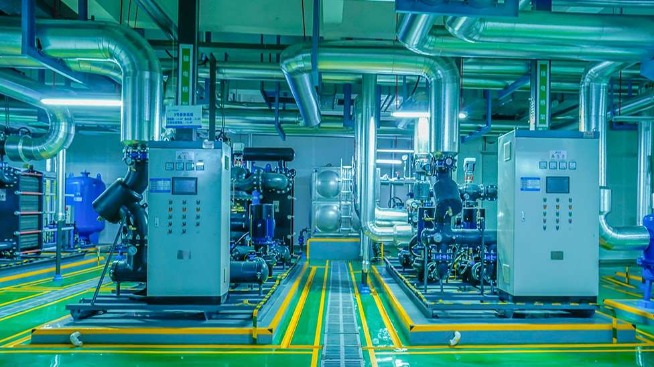
Smart buildings need HVAC solutions they can rely on, particularly in crowded commercial and industrial areas. When electrical parts remain safe and steady, airflow stays smooth, comfort never dips, and equipment avoids damage.
That’s why contactors, overload protection, and VFDs quietly power the brains and heartbeat of modern HVAC control.
Importance of Reliable Power Components for Smart HVAC Systems
Smart HVAC systems may look calm on the outside, but inside, they depend on a busy network of electrical components that keep everything running without missing a beat.
Compressors, chillers, cooling towers, AHUs, and ventilation fans are all dependent on steady power to breathe life into a building. This is why HVAC systems demand uninterrupted uptime and safe operation. If even one electrical piece fails, cooling can stall, airflow can drop, and comfort can disappear faster than anyone expects.
With regard to modern buildings, these electrical components don’t work alone. They now “talk” to automation platforms, building management systems, and energy management software. This communication helps operators track performance, spot issues early, and use energy more wisely.
Nevertheless, for these digital brains to function properly, the electrical hardware underneath must stay strong, stable, and coordinated.
HVAC controls also deal with heavy motor loads. Every time a motor starts, it pulls a large burst of current. If components aren’t chosen or matched correctly, this starting surge can stress wires, weaken parts, or trip protection devices at the wrong time.
Proper coordination makes sure each device knows its job and steps in only when truly needed.
However, protecting HVAC equipment isn’t always simple:
- Systems face high cycling rates, especially in compressors and fans that turn on and off many times a day.
- Motors battle thermal stress from long hours of operation. Large industrial sites often struggle with voltage dips and spikes.
- On top of that, regulations push buildings to be safer and more energy-efficient than ever.
All these problems point toward one clear need: dependable power components. This naturally leads into the next part of the article, where we explore how contactors, overload relays, and VFDs help HVAC systems stay efficient, protected, and ready for smarter building systems demands.
Contactors as the Core of Reliable HVAC Control
They might look like simple blocks of metal and coils, but in HVAC systems, they’re the tiny power gates that decide when motors start, stop, or stay running. Compressors, pumps, and fans all depend on these devices to switch power safely and smoothly.
And as the saying goes, “When your building depends on uninterrupted comfort, the smallest contact can make the biggest difference.” One weak or poorly chosen contactor can cause chatter, overheating, or sudden downtime, things no modernized building wants.
To work well in industrial HVAC setups, contactors must deliver strong electrical endurance, consistent switching performance, and flexible coil options that match different control voltages. Thousands of on-off cycles, the ability to cope with hard loads, and the ability to remain stable even in a situation when the power conditions change are required.
This is where CHINT HVAC steps in with IEC-certified contactors designed for heavy HVAC workloads. Their offerings include both AC and DC coil versions, high-endurance designs, built-in surge suppression in certain models like the Ex9C series, and easy compatibility with accessories such as auxiliary contacts and matching overload relays.
With nine frame sizes in the Ex9C line, engineers can fine-tune both electrical and mechanical fit for a wide range of HVAC equipment.
When choosing a contactor for HVAC duty, several factors matter. You need to consider certain reliable components like the ambient temperature around the panel, since heat can shorten the life of electrical parts.
You also have to match the contactor to the motor’s load profile—does it start often, run continuously, or handle variable torque? Coil voltage stability is another concern, especially in facilities with fluctuating power.
Mechanical endurance, coordination with overload relays, proper mounting space, and even the level of noise allowed in the panel all play a role.
By selecting an appropriate contactor, building teams set the stage for safer, smoother HVAC control that supports long-term system reliability.
Overload Relays for Motor Safety and HVAC Equipment Longevity
Overload relays may not look exciting, but they quietly guard HVAC motors that work almost nonstop. These motors push air, move chilled water, and run compressors day and night.
When all the motors are secured, all the comfort of all the occupants is secured. The same goes for when a motor overheats; the entire system can stumble, and cooling or airflow can disappear right when people need it most.
Thermal overload relays act like temperature-aware guardians. They also sense when a motor is drawing too much current for too long, which usually means it’s overheating or distressed.
Before the motor reaches a dangerous point, the relay steps in and disconnects power, preventing burnout or permanent damage. This simple action can save expensive equipment and hours of downtime.
More so, modern relays offer adjustable trip settings, letting technicians tune protection to match each motor’s workload. Phase-loss detection is another key feature, especially in industrial buildings where one missing phase can push a motor into rapid overheating.
Matching overload relays to the selected contactor is equally important, since both devices must work together to respond correctly during an electrical fault.
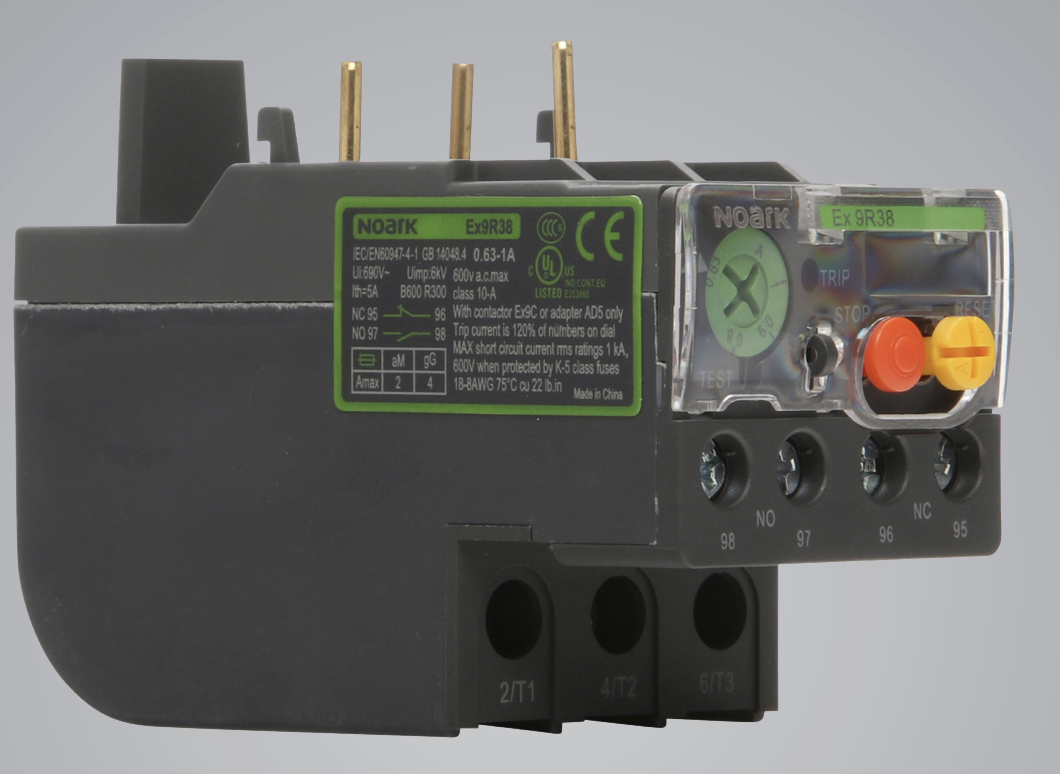
CHINT provides overload relays suited for these demands. Going back to the Ex9R, for example, is a thermal overload relay that offers overload and phase-loss protection. It can pair neatly with a contactor to form a compact starting scheme, and its simple structure and stable performance make it easy to use in busy HVAC panels.
In industrial HVAC environments, where motors often deal with high temperatures, long run times, and heavy loads, reliable overload protection becomes even more critical.
In the event that these relays tie into smart building systems, operators can monitor trips, analyze patterns, and plan maintenance before problems grow. This combination of safety, electrical protection, and intelligence helps keep HVAC equipment healthy and buildings comfortable.
VFDs for Smarter HVAC Efficiency and Energy Savings
Variable Frequency Drives, or VFDs, are like the “volume knobs” of HVAC motors. Instead of letting fans, pumps, and compressors run at full blast all the time, VFDs adjust their speed based on what the building actually needs.
This makes systems smoother, quieter, and far more efficient. It fits the idea perfectly that smarter speed control today means lower energy bills tomorrow.
VFDs reduce the hard jolts that usually happen when equipment turns on, as they let motors start gently and ramp up slowly. This lowers wear and tear, protects mechanical parts, and cuts down on maintenance.
In large industrial buildings, where motors can be huge and run for long hours, this gentler approach adds up to big energy savings. Instead of wasting power during light-load periods, the VFD trims motor speed, matching airflow or pump pressure to real-time demands.
CHINT’s VFD lineup supports these needs with features built for modern HVAC systems. The NVF2G Inverter, for example, is an open-loop vector drive known for high starting torque and precise motor control.
It helps optimize energy use, stabilize performance, and keep motors running efficiently under changing conditions. Its multi-protection functions and dependable operation make it a strong fit for industrial HVAC setups looking to boost both reliability and smart energy use.
From an engineering standpoint, VFDs bring even more advantages. They help HVAC systems run steadily under variable loads, reduce operational noise, and connect easily with automation platforms and building management systems.
Overall, operators can fine-tune equipment performance, monitor energy trends, and respond quickly when the system needs attention.
VFDs also support sustainability targets and green building standards by cutting energy waste and improving overall efficiency. With smarter motor control comes a stronger, more resilient building, one that stays comfortable while using less power.
Conclusion
Reliable contactors, overload relays, and VFDs work together to deliver strong electrical protection that keeps HVAC systems safe, efficient, and smart. They guard motors, cut energy use, and support steady, long-lasting operation.
As part of a global electrical ecosystem, CHINT provides dependable components built for tough industrial HVAC demands.