

Introduction
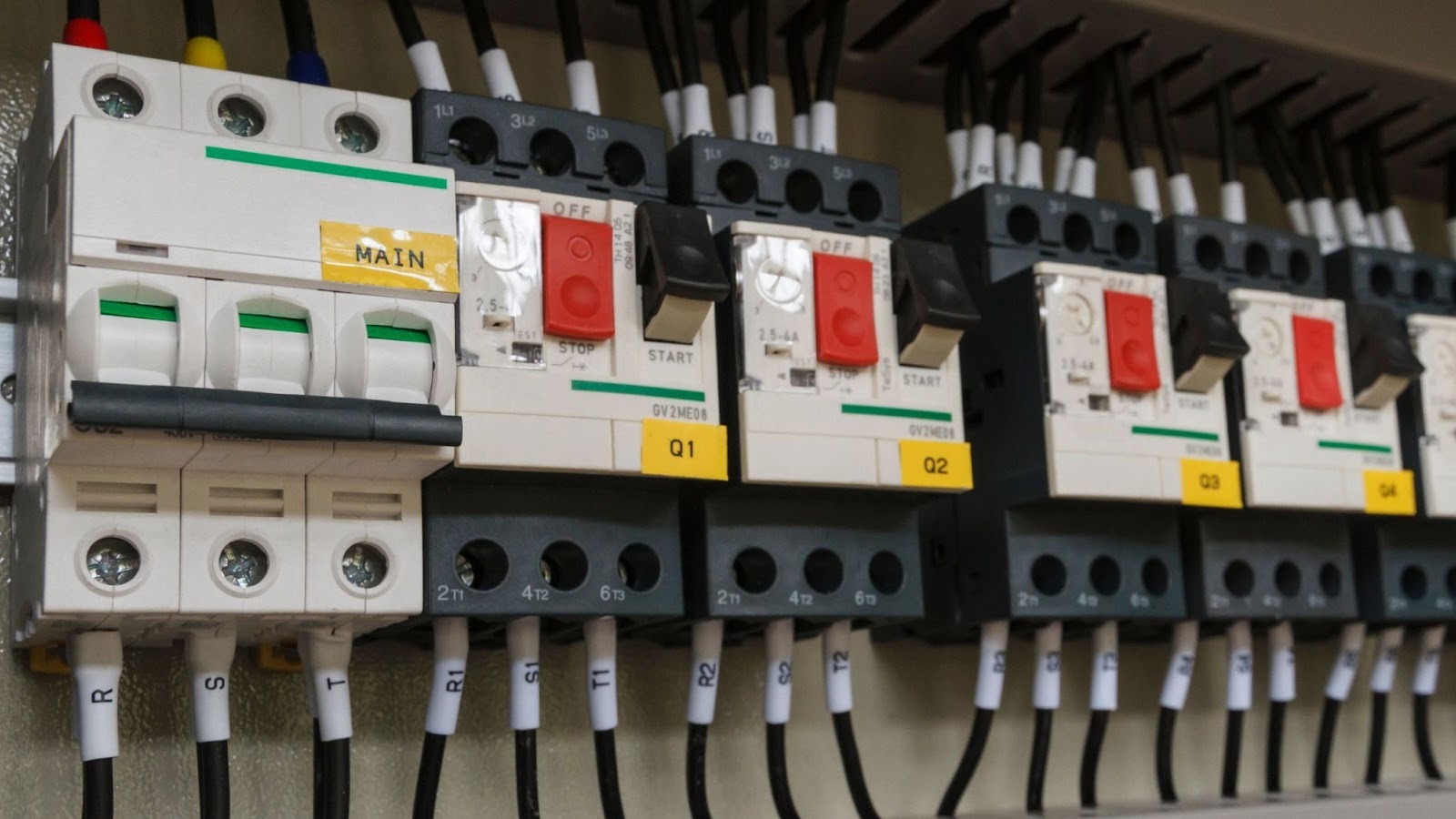
Equipment that enters the North American and Global markets requires a deep understanding of compliance frameworks. These components need dual certification and meet global standards to ensure their longevity and reliability when used. However, how can OEMs reduce redesign cycles and satisfy UL and IEC simultaneously without compromising safety or performance?
Global Standards for OEMs Designing Dual-Market Equipment
When looking for equipment, you have to look at global standards to make sure that what you are getting is of high quality. There are two standards that you should consider, especially if you’re based in North America. These two standards are UL and IEC. However, what should you go for, UL vs IEC?
UL is a North American safety certification that has detailed standards, and products undergo third-party testing. They use prescriptive methods to ensure product quality.
IEC is a certification with global standards and minimum safety requirements. Ice emphasizes performance-based conformity. This influences enclosure materials, circuit protection ratings, and panel design.
UL vs IEC comparison discussions are a common talking point regarding equipment certification. Globalized OEMs face the need for additional documentation and testing complexity. This is due to the component choices not aligning with both schemes. However, dual certification is present and can be achieved with the proper testing and documentation. Lastly, it is important for operators to purchase certified equipment to make sure that workers and other machines are safe.
How Dual Certification Simplifies Approvals Across Regions
Getting approvals across different regions can be challenging. However, dual certification can simplify the process of approval. Why design twice when one globally compliant solution is enough? This attribute allows OEMs to create equipment design that satisfies multiple markets. This lets equipment manufacturers avoid redraws for control panels, MCCB layouts, wiring diagrams, or enclosure selection processes.
Dual certification has multiple benefits for equipment manufacturers. These benefits include reduced approval time with NRTLs, predictable acceptance across markets, and smoother end-customer audits. Dual certification hastens NTRL approval time due to its being compliant with standards in North America. For example, dual certified MCCBs can be easily approved by the United States and Canada compared to only being IEC certified. Predictable acceptance across markets allows for better recognition by adhering to multiple key standards. This leads to smoother end-customer audits for customers in North American or global regions.
Dual certification allows for the streamlining of processes and prevents redraws that can prolong approvals.
5 Ways to Choose Components for UL and IEC Compliance
Here are five ways to help you choose components for UL and IEC compliance.
Prioritize Dual Certified MCCBs for Cross-Border Protection
MCCBs evaluated under both UL489 and IEC60947 remove the need to use two breaker families depending on the destination markets. An example of UL-listed MCCBs from CHINT’s UL low-voltage page, products that support UL and IEC applications. Simplified OEM compliance is a result of harmonized interrupting ratings, thermal/magnetic trip data, and documentation. This process makes global OEM compliance for switchboards, machine panels, and packaged industrial equipment much easier.
Having equipment that has global OEM compliance, as well as UL certification, makes the process easier and is better for cross-border use.
Choose Dual Certified Contactors That Align With Both Testing Philosophies
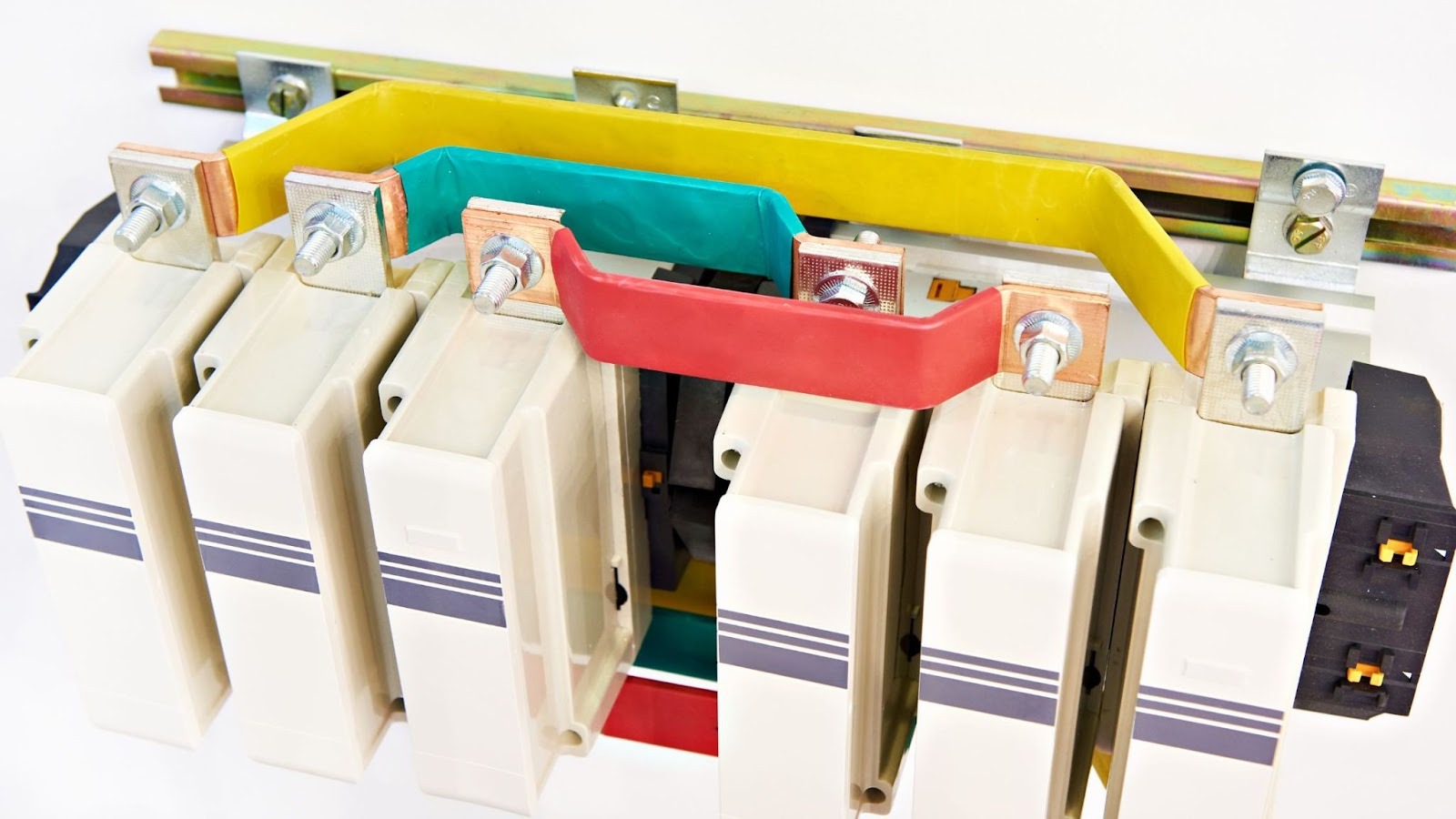
UL and IEC certifications have differences in their process and the targets they test for. UL evaluates product endurance and heat rise. Meanwhile, the IEC relies on utilization categories and making/breaking capacities. This is why it is important to get dual certified contactors for your operation. You should select contactors that are engineered for both UL and IEC frameworks to reduce redesign costs. These also remove the need for separate coil-voltage or utilization category variants.
For an example of products that abide by these standards, CHINT low-voltage solutions have both IEC contactors and UL-certified options.
Select Enclosures That Support Cross-Market Requirements for Insulation and Protection
When selecting enclosures, choose the one that supports cross-market requirements for insulation and protection. UL has a construction-based approach when it comes to enclosures, with UL 50/50E as examples. IEC, on the other hand, focuses on a performance-driven approach as exemplified by IEC 62208. Choosing enclosures that are designed to pass UL and IEC philosophies supports global expansion without the need for extra cabinet redesign.
An example of an enclosure that is designed for IEC/NECMA expectations is the CHINT NXW5 Wall Mounting Enclosure. This enclosure features IP54-IP66 protection, GI steel construction, a sealing gasket, and mounting flexibility.
Use Component Testing Tools That Support Global OEM Compliance
It is better to have component testing tools that support global OEM compliance. OEMs that build for multiple markets must be able to validate breaker trip curves, relay timing, and wiring integrity that follow UL and IEC guidelines. An example of this is the SPTU Smart Handheld Test Unit that supports secondary injection for MCCBs/ACBs. It is also capable of validating release functions and trip behavior, something that is important when serving multiple compliance schemes. The product also has a touch-based interface, test mode selection, and USB/RJ45 communication functionalities.
Stabilize Power Quality for Both UL and IEC Equipment Requirements
Lastly, you have to stabilize power quality in order to meet both UL and IEC equipment requirements. When equipment is exported globally, it needs to perform reliably under varying grid conditions and voltage tolerances. OEMs can use voltage regulation to ensure that motors, breakers, and controls function within approved ranges for markets that follow UL and IEC guidelines.
An example of a product that stabilizes power quality for both UL and IEC markets is the TM Automatic AC Voltage Regulator. This voltage regulator features a digital control system, ultra-low voltage input handling functionalities, and a wide input voltage range. These features make this product perfect for UL and IEC certifications and protect operators and other machines due to its capability to reliably perform under varying grid conditions.
How Dual-Market Component Choices Reduce Long-Term Engineering Risk
When selecting components in equipment and components for your operation, it is better to choose those that adhere to both UL and IEC guidelines. Having a dual-market component allows for better performance and is backed by certifications warranting its longevity. Unified component ecosystems reduce field failures, eliminate conflicting test documentation, and streamline aftermarket support. These are all important because dual-market components have met standards that are applicable to two regions. These standards guarantee that a piece of component or equipment passes the safety and structural standards.
Another thing about dual-compliant components is that they avoid market-specific maintenance discrepancies. This reduces the confusion that can be caused by a product that is only certified in one market when it needs maintenance. Dual-compliant components also help global OEMs maintain uniform specifications across their equipment lines. This standardization of specifications allows components to be available widely for different regions and makes them compatible with any market. Lastly, this removes region-specific configurations that may require parts during repairs that may not be available on the market of the current location.
Conclusion
Choosing dual-certified components allows for the simplification of global equipment design, strengthening compliance with guidelines, and reducing engineering overhead. When looking for dual-compliant components, CHINT provides globally recognized low-voltage solutions suitable for OEMs operating across UL and IEC regions.
Check out CHINT Global’s catalog of low-voltage dual-compliant products today.