

Introduction
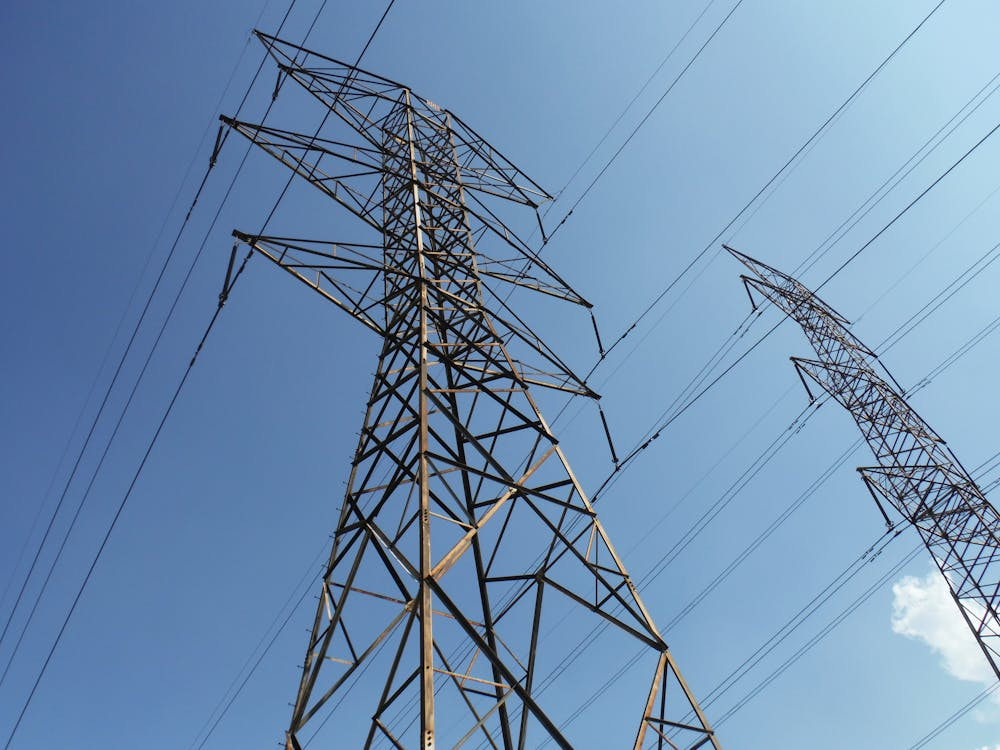
Even highly engineered electrical systems experience some level of power loss over time. Heat buildup, reactive current, voltage imbalance, and harmonics all contribute to inefficiencies that many facilities underestimate. These issues, when left unmanaged, shorten equipment lifespan and increase operational costs, especially in industrial, commercial, and mission‑critical environments.
To stay competitive, facilities need stronger preventive approaches rather than reactive fixes. That is where advanced LV switchgear and modern power quality devices become essential.
Why Power Losses Occur
Several mechanisms contribute to electrical losses, and each one has a tangible impact on efficiency:
- Copper losses in cables, transformers, and busbars as current flows through conductors, with I2R losses increasing heat and reducing performance.
- Dielectric losses within insulation systems, which accumulate under high-voltage or high-temperature conditions.
- Reactive power circulation, particularly from industrial loads such as motors, HVAC equipment, and power electronics.
- Harmonic distortion generated by nonlinear loads like VFDs and IT systems, increasing heat and stressing equipment.
- Voltage instability and imbalance, which accelerate motor wear, cause nuisance tripping, and reduce equipment reliability.
In practical terms, these losses lead to overheating, premature aging of components, voltage drops at peak loads, and disruptions that reduce operational continuity. Financially, power losses add up.
According to industry data, overall losses from power plant to consumer typically fall between 8–15%. This includes 1–2% in step‑up transformers, 2–4% in transmission lines, 1–2% in step‑down transformers, and 4–6% in distribution lines. Public power utilities report a median loss rate of 4.07%, and losses exceeding 6% may indicate excessive physical losses.
Modern LV switchgear and complementary systems are designed to counter these inefficiencies by improving load balance, reducing heat, stabilizing voltage, and correcting power quality issues before they escalate.
LV Switchgear as the Foundation of Power Efficiency
Modern facilities depend on electrical systems that not only distribute power but also actively minimize waste and maintain stability across varying operating conditions.
LV Switchgear as the Control Hub
At the center of most low‑voltage distribution systems is LV switchgear, the equipment responsible for distributing, protecting, and managing electrical power. Its influence on efficiency is substantial because it governs how current flows and how loads interact across the facility.
Effective switchgear supports efficiency through several core functions. Load balancing prevents specific feeders from becoming overloaded, while real‑time metering and monitoring allow operators to detect irregularities early. Energy‑use data helps facilities optimize performance and identify areas of excess consumption.
Short‑circuit protection and thermal management reduce stress on conductive paths. The physical design also plays a role. Compartmentalization minimizes heat transfer between functional sections, while optimized busbar structure and airflow pathways help maintain lower resistance and temperature. These design choices collectively support more stable and efficient operation.
Intelligent Switchgear for Loss Reduction
More advanced forms of LV switchgear incorporate digital intelligence to make efficiency more proactive. Continuous current and voltage monitoring, breaker health diagnostics, and temperature sensors give operators granular insight into system conditions.
Arc‑flash indicators and communication protocols for integration with building management or energy management systems strengthen situational awareness. These tools help detect anomalies early, prevent unplanned outages, and support predictive maintenance strategies.
With better insight into equipment health and load performance, facilities achieve more precise load management and faster response to emerging issues. The result is lower downtime, better energy utilization, and reduced cumulative losses.
Power Quality Devices Improve Stability
Efficiency is not only about distributing power but also ensuring the power delivered is clean and stable. This is the role of modern power quality devices, which correct voltage distortion, manage reactive power, and filter harmonic currents.
Industrial facilities rely on several categories of power quality devices, including harmonic filters, shunt capacitor banks, and active or reactive compensation systems. Without these devices, poor power quality can lead to excessive loading on transformers and cables, frequent equipment malfunctions, and chronic power‑factor penalties.
Poor power factor increases current flow, which in turn increases copper losses and heat. Line losses rise, operational efficiency drops, and equipment reliability suffers.
The TBB frame‑type shunt capacitor complete set is designed to address these challenges. With a highest rated voltage of 230 kV and capacity up to 100 Mvar, it improves power factor, reduces line losses, and stabilizes system performance. As the core component of the TBB system, the capacitor unit has earned ASTA Type Test Certification.
Shunt Reactors Manage Reactive Power
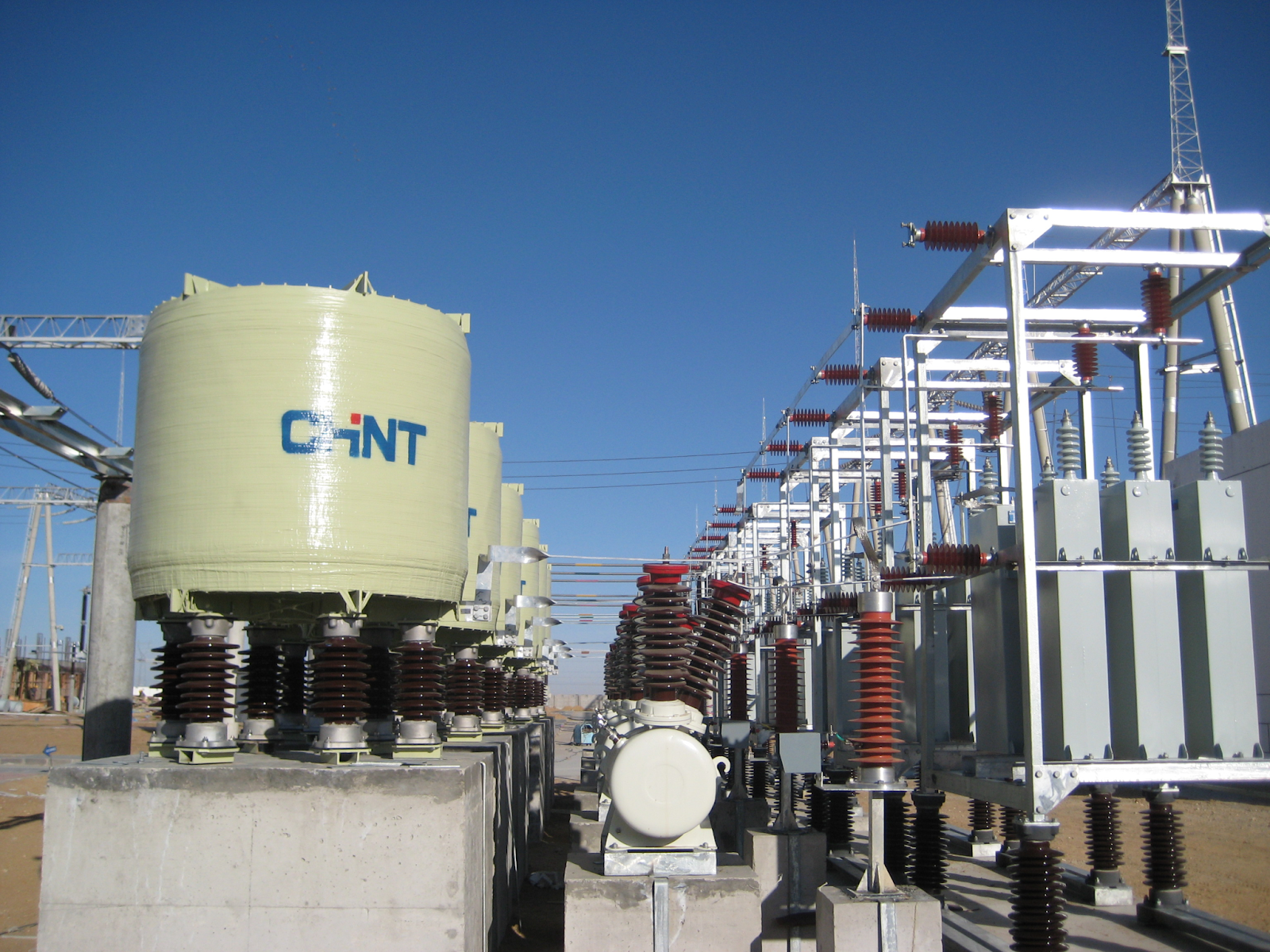
While capacitor systems compensate for lagging reactive power, a shunt reactor absorbs leading reactive power, making it essential for specific scenarios where voltage tends to rise rather than fall.
A shunt reactor is designed to manage reactive power on lightly loaded transmission lines or long cables. When loads are low, voltage tends to increase along the line. Reactors counteract this by absorbing reactive power, preventing voltage rise and maintaining system stability.
Academically recognized benefits include suppressing overvoltage, reducing no‑load losses, and improving overall system balance. These characteristics make reactors especially important in renewable‑heavy grids, industrial campuses with long cable runs, and transmission infrastructure.
CHINT manufactures shunt reactor solutions up to 750 kV, supporting both industrial and utility‑scale requirements. Integrating reactors with LV switchgear or medium‑voltage systems enhances compatibility, enables coordinated reactive‑power management, and contributes to more predictable system efficiency.
Voltage Regulators Ensure Voltage Stability
An automatic voltage regulator keeps the voltage stable even when the load changes. It is very important in a plant where motors, automation systems, and sensitive electronics are on the same side.
Bad voltage regulation can cause the motor to run in an inefficient manner, increase overheating, and accelerate the equipment wear. Voltage drops can cause the device to abort, while voltage spikes can make the lifespan of the component shorter.
A correctly set voltage regulator will eliminate these changes. In such places as motor-driven manufacturing processes, data centers, or process control systems, regulators assure regular voltage delivery, lighten the equipment, and strengthen the stability of the distribution system in general.
Moreover, they act as a buffer against the harmonic effects resulting from load fluctuations, which, in turn, is one of the factors contributing to the overall efficiency of modern LV switchgear.
Protection and Continuity with UPS and Backup Generators
Reliable operation depends not only on efficient power distribution but also on the ability to maintain continuity when disturbances or outages occur.
Uninterruptible Power Supply for Instant Protection
An uninterruptible power supply (UPS) plays a unique and essential role in protecting against sudden outages. In the milliseconds or seconds between a grid interruption and generator startup, a UPS bridges the gap.
This prevents data corruption, automation system resets, and motor stalls. In facilities where continuous operation matters, such as hospitals, data centers, or semiconductor plants, a UPS is often the first line of defense.
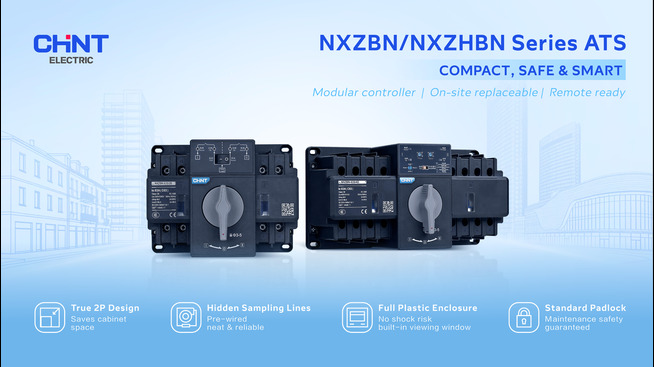
UPS systems integrate seamlessly with LV switchgear to support automatic load transfer and coordinated protection during disturbances.
Backup Generators for Extended Outage Resilience
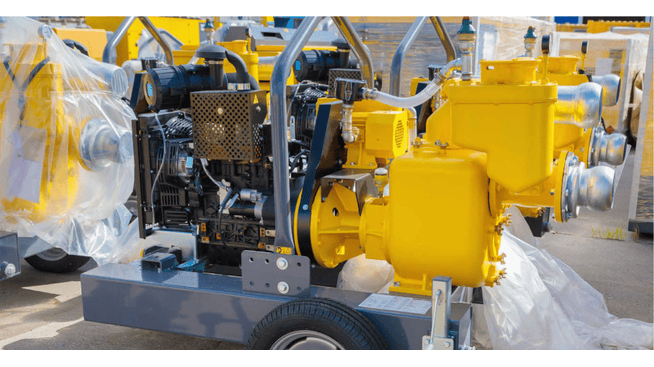
While a UPS handles the immediate response, backup generators provide longer-term power during extended outages. They keep critical loads energized for hours or days, depending on fuel availability and system design.
Generators must synchronize properly with the facility’s distribution system and share loads efficiently. Stable generator output reduces stress on downstream equipment and supports reliable operation during grid failures.
For facilities with high uptime requirements, combining a UPS with backup generators is a standard strategy for minimizing long-term downtime and protecting sensitive equipment.
The Integrated Efficiency Ecosystem
When these systems work in harmony, facilities gain greater advantages than just improved reliability.
- Lower operating costs stem from reduced energy losses, fewer equipment failures, and more efficient load management.
- Commissioning becomes faster because compatible systems communicate more effectively, streamlining setup and integration.
- Safety improves as voltage stability, fault detection, and coordinated protection reduce the risk of hazardous events.
- Equipment lasts longer since motors, transformers, and cables operate under less thermal and electrical stress.
For EPCs, operators, and facility engineers, this translates into a distribution network that performs predictably, is easier to diagnose and maintain, and supports long-term operational planning with fewer unexpected disruptions.
Conclusion
Power losses may be common, but they are far from unavoidable. With modern LV switchgear, advanced power quality devices, and coordinated technologies such as shunt reactor systems, facilities can achieve much greater efficiency and stability.
CHINT’s comprehensive portfolio, which includes capacitor banks, reactors, and intelligent distribution solutions, supports operators in building electrical systems that deliver reliable, efficient, and long-lasting performance.