

Introduction
Supervisory Control and Data Acquisition or SCADA is a system that collects and turns scattered electrical data into clear, actionable insights. Without it, many facilities face voltage dips, harmonics, or imbalance only after an equipment fails or downtime occurs. With modern SCADA, this changes through continuous visibility, automated alerts, and smarter corrective actions which help maintain power quality across the whole system.
SCADA as the Foundation for Clearer Power Quality Visibility
SCADA helps operators see what’s happening inside an electrical network. With this system, they can all find the key power data via a centralized view, rather than painstakingly inspecting separate meters and alarms. With SCADA, data on voltage, current, energy usage, power factor, and harmonics are easily collected from the transformers, MCCBs, and switchgear in the facility. Operators get real-time data with this so they can quickly learn the current condition of the system anytime.
The system offers a high-level visibility so operators can respond while the issue is still developing. By seeing when the voltage starts dipping or loads becoming unbalanced, SCADA manages to show these fluctuations immediately. There’s no need to wait for when an equipment overheats or production stops before discovering the issue.
It identifies normal fluctuations versus real power quality problems too. Being able to track patterns and thresholds, lets operators see if the conditions are acceptable or if it requires immediate action.
Diagnosing issues like transformer overload, poor power factor, or recurring harmonics are easier because SCADA has a high-resolution power data which allows faster decisions and accurate fixes because of the clarity it brings in seeing an overall view of the entire system.
How Remote Monitoring Improves Power System Stability
Through remote monitoring, operators can see what’s happening in the electrical networks real-time and not only when an issue develops or during scheduled maintenance. Most traditional setups without SCADA integration only rely on routine site checks or manual readings which only lets operators see the problem right after it has already happened.
With remote monitoring, the process becomes more efficient. Operators can now receive alarm-based notifications when something goes beyond normal limits, so there’s no need to wait for inspections. Instant alarms for voltage drops, poor power factor, or rising harmonics can now be identified early before they even cause damage or before downtime occurs.
Remote monitoring reduces the occurrence of outage, because faults can be detected sooner and located faster. Even before arriving onsite, operators already know the problem so they can be quicker when it comes to repairs and be able to plan ahead. It also reduces unnecessary maintenance, because the issue is isolated where a fix is needed.
The most important benefit of remote monitoring is that it removes blind spots. With trends tracked and abnormalities seen beforehand, devices and equipment are protected, which improves overall power stability and extended asset lifespan.
The Role of Intelligent Controllers in Power Quality Management
SCADA is responsible for giving clear visibility on what’s happening in the network, but intelligent controllers have the power to turn that data into action. These controllers use real-time data to make reactive power decisions, keeping power quality stable.
Data like voltage levels, current flow, power factor, and harmonic content are the data received from SCADA. With intelligent controllers switching actions are triggered without having to wait for manual intervention. With this, small issues like voltage imbalance or poor power factor are contained before it evolves into a larger, pressing issue.
In modern LV systems, intelligent ACB controllers have a significant role. These continuously measure values that provide accurate data which feeds into SCADA platforms. This makes for faster fault response times and more predictable behavior. Examples of SCADA-ready data sources are CHINT’s ACB controllers that offer power quality monitoring and ensure precise control in harmonic conditions.
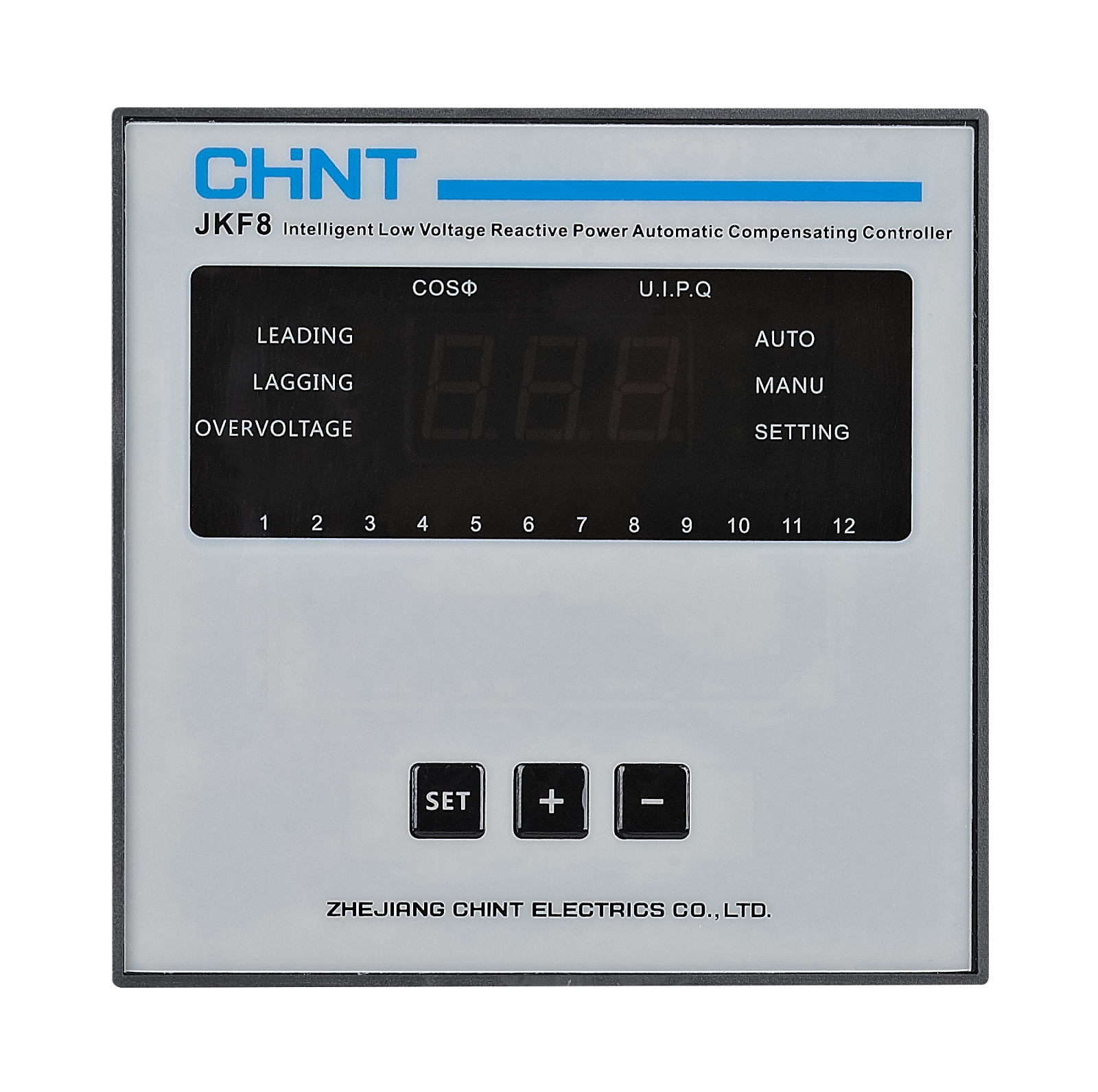
In facilities where reactive power and power factor correction affect stability, controllers like CHINT’s JKF8 Intelligent Low-Voltage Reactive Power Compensation Controller is helpful as it automatically measures and adjusts reactive compensation for optimum power factor management. These are aligned with standard industrial protocols in low-voltage distribution systems, ensuring power factor stability and reduced energy loss.
Advanced Metering Systems as the Backbone of Power Data Accuracy
Good power quality decisions are derived from accurate data. That’s why advanced metering systems are important in SCADA-based power management. Measurements should be complete and reliable in order for useful insights to come out of monitoring platforms.
Intelligent meter tracks harmonics, load imbalance, power factor trends, energy usage, and more where the electrical behavior happens. This allows operators to see clearly what’s happening in the feeders, panels, and loads, rather than basing it on assumptions.
Meters reveal recurring issues, load imbalance, and power factor decline. These factors are often seen only when an equipment overheats or trips, but with an intelligent meter, operators can see in advance so corrective action is made simpler and less costly.
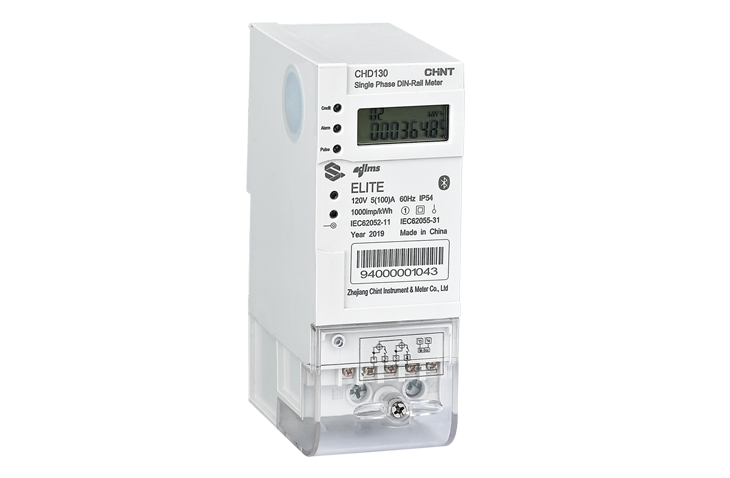
Examples of SCADA-compatible metering and communication channels include CHINT’s smart metering lineup such as the CHD130, CHS series, and CHG540/580 devices. These illustrate how field-level data are transmitted to centralized systems, ensuring accuracy and consistency rather than control. These kinds of meters are specifically designed for SCADA integration, so you can get smoother operations based on valuable insights.
With a dependable range of products, SCADA analytics become meaningful and accurate, and in return, supports better diagnostics and smarter planning. Therefore, long-term quality optimization decisions can be made across the industrial facility.
Combining SCADA, Controllers, and Metering for Stronger Power Quality Outcomes
Strong power quality outcomes come from joint forces of SCADA systems, intelligent controllers, and advanced meters. In this one connected system, each layer has a distinct role which paints a complete picture of the entire network.
In this functional system, SCADA is the “eyes” of the system. It collects the data and highlights issues such as voltage dips, imbalance, and unusual patterns. This helps operators know what’s happening real-time instead of reacting after the system fails.
Intelligent controllers are the “hands,” which responds automatically after seeing the issues identified by the SCADA. It adjusts reactive power, balances loads, and switches equipment as needed without waiting for manual interventions. This results in a faster response time.
Meters are the “memory.” These are responsible for providing accurate and long-term data confirming if the actions are working. This helps the team fine-tune settings and prevent recurring issues in the future.
Studies show that facilities using integrated monitoring and automation improved SAIDI and SAIFI performance, having fewer maintenance interventions. With this, results become measurable, having fewer voltage excursions, better reactive power balance, lower harmonic impact, and more predictable equipment behavior. Together, these layers turn power quality to a process that’s more controlled and manageable.
What Changes When SCADA Integration Becomes Part of the Strategy?
When SCADA becomes a core part of the operational strategy, facilities move from being reactive to issues to continuous improvement. Instead of waiting for the issues to arise such as waiting for trips or equipment failure, the operators can now see clearly and act early as trends develop.
In corrective maintenance, issues can only be fixed after something goes wrong. But with SCADA integration, you can already see the patterns such as gradual voltage imbalance or overloaded feeders, based on the long-term data it provides. Having SCADA allows you to pre-plan and not rush your corrective measures, so you can avoid unplanned downtime.
With SCADA, teams can make smarter decisions about upgrades, expansions, or load redistribution. This is because you can easily track how the equipment operates thus having a better reliability planning, and therefore, equipment lifespan is improved. Also, with long-term data trends, you can easily validate energy efficiency. It’s easy to confirm if efficiency projects are delivering positive results.
To make SCADA integration smoother, a unified environment is needed. A global partner like CHINT which provides intergrated switchgear, protection devices, metering, and other devices sharing consistent data models make power data into a significant operational value.
Tips for Integrating SCADA into Existing Industrial Power Systems
Integrating SCADA into an existing industrial power system is not complicated but it does require planning. Having a communication design is the initial step. This means devices like meters, controllers and sensors must be able to communicate and be compatible.
Next is data refresh rates. Crucial data values like voltage, power factor, and current must be able to load fast enough to support real-time decisions. On the other hand, less critical data should be slower to reduce load.
Third is visualization. There are facilities that better need a centralized control room while others prefer local dashboards near the equipment. Operators must be able to quickly understand the status without the hassle of complexity in the facilities.
Security is another factor. Ensure that the SCADA systems follow cybersecurity standards to protect data and unauthorized access.
Lastly, interoperability is key. SCADA must be able to read and analyze power data and support grid automation consistently across devices. Examples of reliable data entry points are CHINT’s ACBs and MCCBs, which all pass high quality global standards.
To help ensure smooth SCADA integration in your system, follow this simple checklist:
- Communication network and standards
- Compatibility of devices
- Data accuracy and metering
- Power quality KPIs
- Security and access
Conclusion
SCADA-enabled visibility, combined with intelligent controllers and precision metering, shifts power quality management from reactive correction to proactive improvement. With clear and coordinated actions, issues can be resolved early. Integrated ecosystems such as CHINT’s help industrial operators support dependable, data-driven electrical stability in modern industrial facilities.