

-metalclad-AC-enclosed-switchgear.png "KYN28A-24(Z)-metalclad-AC-enclosed-switchgear")
Introduction
Industrial facilities operate complex electrical networks composed of equipment sourced from many different suppliers. Each device like power transformer, MCCB, and MV switchgear react differently during faults, load changes, or voltage fluctuations, thus systems become harder to manage and less predictable.
Production teams increasingly prefer integrated MV, LV, and monitoring architecture because they simplify control and increase reliability. This is why integrated power systems are encouraged to help maintain stable operations in industrial environments.
Why Integrated Power Systems Give Industrial Teams More Control
Having integrated power systems for industrial operations gives industrial teams more control because all parts of the system are designed to work together and not in isolation. When transformers, MV switchgear, LV protection, and monitoring systems are coordinated, inconsistencies are eliminated and systems work more predictably.
Studies show that system-wide coordination provides better results with enhanced reliability indices and fault response performance compared to isolated devices. Based on a ScienceDirect insight, integrated systems can improve continuity and reduce SAIDI/SAIFI, reporting up to a 12% reduction in SAIDI which means less downtime and better continuity in integrated mini-grid systems.
Having an integrated system is like having devices that speak the same language. It helps operators know how the system will behave due to shared logic. Compared to traditional setups with devices working independently, devices may react slower or faster, and even mismatch or cause unnecessary shutdowns. In fact, response times may differ and protection logic may be varied leading to unpredictable logic. Because of that, troubleshooting may take a little longer due to differences in fixes that each device needs. But with system-wide coordination, you can ensure smoother operations and faster fault recovery that will especially affect operators who manage complex facilities.
Power Transformers and MV Switchgear as the Anchor of Electrical Stability
To make a power distribution system work, there needs to be a power transformer and a medium-voltage (MV) switchgear. These two are the first components responsible for receiving, controlling, and distributing power safely across the whole facility. If these two are not reliable, problems arise and spread quickly to the whole system.
The role of transformers is to keep voltage levels steady. These ensure that the equipment receives the correct voltage even when loads change in the day. On the other hand, MV switchgear is responsible for managing how power flows and isolating faults when there’s something wrong. Together, these two contain electrical issues before they escalate.
In environments where heavy industrial loads are common, these components are expected to operate smoothly under high electrical and thermal stress. If they’re not at par, small issues can trigger failures, shutdown production, and even damage equipment. Because of this, there is a need to choose components with mechanical strength, thermal endurance, and operational reliability, such as those of CHINT’s Power T&D’s range. Designed with standardized and modular units and features intelligent communication monitoring, these products have passed quality assurance certification safe and reliable for integrated networks.
Coordinated LV Protection: How MCCBs and ACBs Prevent Unplanned Downtime
Low-voltage protection keeps industrial operations running. When MCCBs (molded case circuit breaker) and ACBs (air circuit breaker) are coordinated, they can clear faults controllably and predictably. Only the affected part is isolated while the rest of the facility is continuously operating. This is called selective tripping, which is the key to prevent unnecessary downtime.
Problems usually appear when LV components made of different brands are mixed without proper coordination. Each device has its own trip characteristics and response times. In case of a fault, a wrong breaker may trip first or worse, several breakers may trip at once. These issues will lead to nuisance shutdowns which typically have longer recovery times and may confuse maintenance teams.
Coordinated LV protection ensures the breaker responds as intended. In centralized and distributed systems, coordination helps minimize loads or customers are affected when a fault occurs. When a system is coordinated, faults can be isolated faster, which in return, will definitely reduce stress on cables and even on downstream equipment.
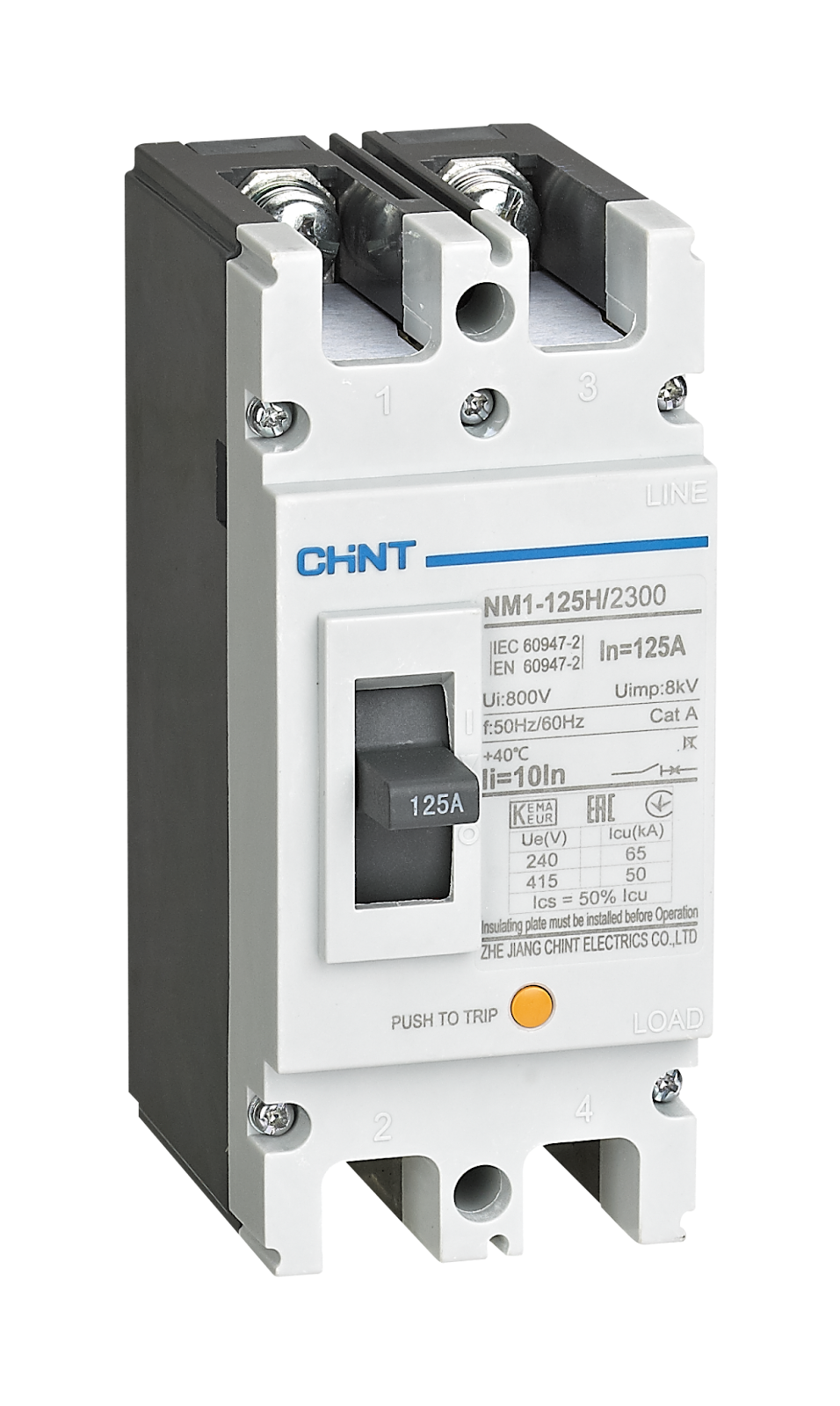
Examples from CHINT’s range of MCCBs like the NM1 or NM8N HV are designed with high breaking capacity, wide voltage ratings, and adjustable protection settings supporting selective coordination. On main distribution levels, ACBs like NXA or NA8 from CHINT’s Main Power Distribution portfolio offer smart features and communication capabilities, which results in better visibility and control in the system.
When LV devices have the same protection philosophy with MV equipment, the whole power system becomes stable, predictable, and even more manageable.
SCADA-Enabled Reliability Improvements
To help industrial teams know what’s happening across the network, SCADA (Supervisory Control and Data Acquisition) systems are needed. These platforms collect and analyze data from each device in the network from transformers to switchgears, MCCBs, meters, and sensors in just one place, instead of checking the device one by one. With a unified view using only SCADA, operators can understand things faster and respond quickly when the need arises. It’s easier to navigate when platforms are SCADA-enabled.
Industry studies from SEL show that centralized automation improves reliability by using real-time data. Having SCADA in place, operators can spot voltage instability early on before they even cause a trip. It can also offer predictive maintenance as it tracks breaker operations, temperature trends and transformer loading. The data that SCADA accumulates help improve load forecasting too. With this, teams can plan expansions ahead, or process change more accurately. Plus, it can also find the fault location faster, when a fault occurs, therefore reducing the impact to the rest of the facility.
Solutions like CHINT’s smart electrical ecosystems support SCADA. CHINT allows digital panel monitoring and substation data integration, aligned with modern SCADA-based Intelligent Electrical Solutions strategy.
Integrated Substation Packages Reduce Project Risk and Future Complexity
Industrial projects can stay smooth and manageable through integrated substation packages. These are designed, assembled, and factory-tested, so that wiring mistakes, incorrect settings, or mismatched components are caught early on. With this, commissioning time is reduced and the risk of unexpected issues are lowered from the start.
Studies on integrated mini-grid and micro-grid systems show that when power systems are built as a complete package, behavior is more predictable under different operating conditions. Compared to individual components reacting on their own, the system responds as a whole and is coordinated. This leads to a more stable operation, a faster fault response, and better control.
When it comes to project delivery, integration simplifies the following:
1. Protection coordination - this becomes easier as the devices are designed to work together from the start.
2. Cable routing and layout - it’s clearer which means installation errors can be reduced.
3. Parameter alignment - it becomes more consistent because conflicting settings are avoided.
4. Expansion planning - this becomes simpler because the system architecture has already been defined.
Having integrated substations provides a clear and structured foundation. Solutions built around integrated engineering logic, such as CHINT’s Power T&D offerings, help reduce project risks and make future upgrades easier.
How Integration Translates Into Operational Gains You Can Measure
Aside from simplifying electrical design, integrated power systems deliver real, attainable, and measurable improvements that can directly affect business outcomes. When MV, LV, protection and monitoring systems are designed to work together, facilities have less downtimes and more predictable uptimes.
Integration reduces maintenance costs too, making your maintenance program more planned than reactive. When pieces of equipment are properly coordinated, you get a healthier coordinated system. You can expect less overheating, fewer stressors, and longer expectancy life for your breakers, transformers, and motors.
Energy performance is improved as well. With a coordinated system, you get a better power factor, more stable voltage levels, and lower line losses. In energy-intensive industries, you can reduce wasted energy and control operating costs.
Another benefit is better safety through coordinated trip behavior. When devices follow the same logic, trips occur more predictably and controllably. This reduces risk of arc faults, damage on equipment, and unsafe interventions.
Smoother schedules are another factor, because you get fewer batch losses and unexpected shutdowns. Competitor studies show that outages carry high financial and operational costs.
CHINT’s ecosystem-based approach aligns with these measurable performance improvements as a global provider, helping industrial facilities operate safely and more efficiently.
Industrial Facilities Are Moving Toward Unified Electrical Ecosystems
Facilities grow, automate, and demand higher reliability, which is why industrial power systems are becoming more complex than ever before. With an integrated electrical ecosystem, it makes systems become easier to manage. Having unified MV-LV-SCADA architecture largely reduces risks, simplifies coordination, and prepares facilities for upgrades and expansions, which build long-term reliability strategies. As a global partner delivering integrated solutions, CHINT supports this goal through its integrated solutions across energy, LV, MV, and digital platforms.