

Table of Contents |
During solar installation, all the different panels need to be joined together to produce electrical power. A PV combiner box is the key to housing a joint connection between various panels and the entire system’s inverter. Think of this box as the heart of a seamless solar energy solution.
What is the Purpose of the PV Combiner Box?
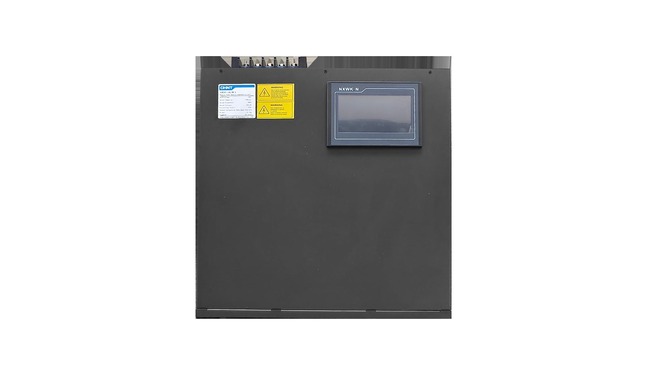
Photovoltaic combiner boxes play a crucial role in solar panel systems, especially in larger installations. They serve as a centralized point where wirings from multiple panels are combined. This allows for a more organized and safer electrical setup. The combiner box then channels the collective output into a single connection that leads to an inverter or charge controller, depending on the system’s design.
However, the use of combiner boxes goes beyond wiring management. Each box has a built-in overcurrent protection device that helps to reduce any unnecessary power spike to the inverter that could otherwise lead to failure. This helps to extend the overall lifespan of the inverter.
Also, some combiner boxes will monitor equipment so you can be alerted if there’s an issue. These devices also require little maintenance as they only require infrequent checking for leaks and loose wiring connections.
Components of a PV Combiner Box
A typical PV combiner box has several essential components, such as:
- DC Molded Case Circuit Breakers (MCCB): These protect circuits in a solar power generation system. They are suitable for higher-power photovoltaic systems. Most are rated for currents between 63A and 630A.
- PV String Fuses: These protect against overcurrent by interrupting electricity flow during accidents. This prevents reverse current from continuing to flow. It protects cables and other equipment from further damage.
- DC Surge Protection Devices (SPD): These protect the system from transient overvoltages. They conduct surges into the ground, protecting the equipment downstream from potential surge damage.
- DC Disconnect Switch or DC Circuit Breaker: These disconnect or isolate a circuit during a power surge or a short circuit.
- Busbar: This is a multi-connection point conductive metal strip that links numerous incoming wires into a single unit. The busbar is commonly used to combine incoming negative or ground leads from solar panels.
- Terminal Strip: It functions the same as a busbar but is made of ABS composite and not metal.
- Enclosure: This is the physical box wherein the combiner components are installed. It’s made of PV or ABS material. It has an IP65 design that is anti-dust, waterproof and anti-ultraviolet.
A PV combiner box may also include monitoring devices to manage and observe the system’s performance. These devices also come in various specifications and sizes.
How to Choose a PV Combiner Box?
There are several factors to consider when selecting the right PV combiner box for your project. First, make sure you check the number of input channels.
How many solar panels do you plan on joining together inside the box? You want to choose a combiner box that can accommodate the appropriate number of panels in your solar energy project. Also, ensure your PV combiner box can house the appropriate size wiring. Many commercial applications will use larger panel wiring than residential projects.
Overcurrent protection is an absolute must when purchasing a new PV combiner box. You want to choose a box that has the right voltage rating and overcurrent protection for the size of panels that you’ll be using. A box’s overcurrent protection is only going to be useful when its threshold is high enough to absorb a reasonable voltage spike for the size system that you’re utilizing.
Lastly, consider the enclosure rating of the box. Different environments require different enclosure ratings to keep the internal wiring safe from excessive moisture or other damage.
Solar energy systems installed in overly humid environments should have higher enclosure ratings to ensure that moisture stays out of the inside of the box. Otherwise, premature wearing of the internal wiring could fail the entire solar energy system.
Mounting Considerations for a Solar Combiner Box
When mounting and installing your solar combiner box, choose a location that’s easily accessible. This makes maintenance easier.
Most manufacturers recommend installing the photovoltaic combiner box in a north-facing location as it will receive more shade throughout the day. Placing a photovoltaic combiner box in direct sunlight can cause the internal wiring to overheat. You’ll also want to mount the box in a location that is relatively well-protected from the natural elements.
To extend their lifespan, place PV combiner boxes in locations less exposed to the elements. Even though they are typically weatherproof, added protection is a must. Lastly, choose a location that is close to your existing solar panels. This keeps the wiring to a minimum and greatly reduces the risk of electrical wiring faults between the solar panels and the combiner box.
When Should I Use a Combiner Box?
You should use a combiner box in your solar power system when you have more than three strings of solar panels. It is essential for enhancing the protection of your inverter and providing a rapid shutdown mechanism in case of sudden voltage fluctuations.
A combiner box simplifies the wiring to the inverter. This makes the system easier to manage and helps you save costs. It is recommended for larger installations where multiple strings are used.
Conclusion
PV combiner boxes are indispensable when it comes to solar installations. Chint Global currently offers a wide variety of high-quality PV combiner boxes for you to utilize. Check out these boxes and their many other solar installation essentials today.