

Introduction
Choosing an insulating liquid is a project decision with consequences for fire-risk planning, environmental exposure, transformer design, maintenance and lifecycle cost. Mineral oil remains the established option across a wide range of installations. Natural ester fluids have gained attention where fire performance, biodegradability or the consequences of a leak carry greater weight.
Neither fluid is automatically the right choice for every transformer. The comparison needs to account for the equipment rating, climate, installation location, operating profile, applicable standards, service practices and the utility or owner’s specifications. A fluid decision should be made with the transformer manufacturer, not treated as a late substitution in procurement.
The Two Fluids Serve the Same Core Functions
Both mineral oil and natural ester insulating liquids provide electrical insulation and remove heat from energized windings and core assemblies. The liquid works as part of an engineered insulation system that includes paper, pressboard, seals, tank construction, cooling equipment and protection. Changing the liquid changes the design conditions, so a transformer built and type-tested for one fluid should not be assumed suitable for another without the manufacturer’s review.
Mineral oil benefits from long operating history, broad supply availability and well-established maintenance practices. Many utilities and industrial owners have extensive records, test thresholds and service procedures based on mineral-oil-filled equipment. This maturity can be valuable where the project prioritizes standardization, supply-chain familiarity and continuity with existing fleet practices.
Natural ester insulating fluids are generally derived from vegetable sources and are biodegradable to a high degree. They have a higher fire point than conventional mineral oil, which can support projects with demanding fire-safety objectives or environmental constraints. Exact values depend on the fluid and product design; compare certified data for the selected equipment rather than relying on a generic fluid comparison.
Compare Fire and Environmental Exposure at the Site
A transformer installed indoors, underground, near a water source or in a densely populated area may face constraints that differ from a unit in an open substation. A higher fire point can influence risk assessment and may affect the need for certain mitigation measures, but it does not eliminate fire-protection requirements. The project team must still comply with applicable codes, clearances, containment and emergency-response provisions.
Environmental consequences also depend on the installation. A biodegradable liquid can reduce long-term impact if a release occurs, but bunding, drainage protection and spill response remain necessary. The project’s environmental case should consider the receiving environment, fluid quantity, containment design and local permits. Owners should avoid describing a transformer as “spill-proof” or “risk-free” because of its insulating liquid.
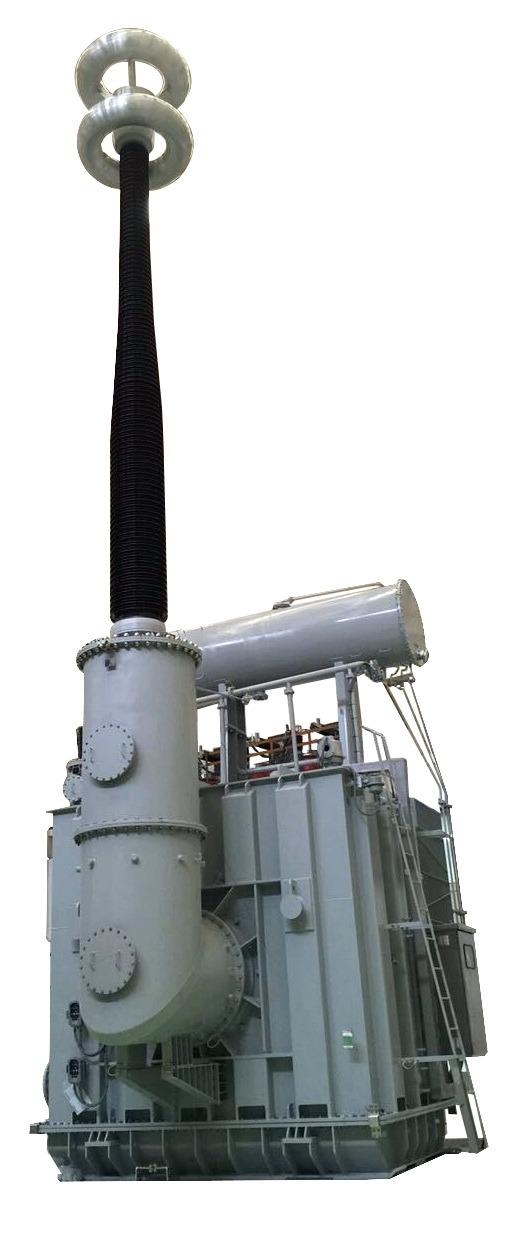
CHINT’s natural ester oil-immersed power transformer portfolio covers several voltage levels and lists applications such as environmentally protected areas, high fire-safety locations and projects with fluctuating loads. Those application examples illustrate where the fluid’s properties may be relevant; the actual design remains specific to the unit and site.

Check Thermal Design, Climate and Loading
Natural ester fluids have different viscosity and heat-transfer behavior from mineral oil, particularly at low temperatures. Those properties affect cold-start performance, circulation and cooling design. The transformer’s cooling method, ambient temperature range, altitude, load cycle and overload requirements should therefore be reviewed together. A fluid’s higher fire point is not a substitute for verifying temperature rise and cooling performance under the project’s load profile.
Loading patterns can change the decision. A renewable-energy facility or industrial site may have variable output or demand, while a substation may face seasonal peaks. The transformer specification should state normal load, expected overloads, ambient conditions and any short-duration operating requirements. Ask the manufacturer to confirm the complete unit’s thermal design and test basis for the selected fluid.
For natural ester equipment, oil-paper interaction and moisture management also matter. Ester fluids absorb more water than mineral oil while maintaining different dielectric and paper-aging behavior. This can influence how moisture is interpreted in tests and how maintenance thresholds are set. Do not apply mineral-oil diagnostic limits automatically to a natural-ester unit. The IEC 62770 specification for unused natural esters covers transformer fluids and test methods, while the IEEE C57.147 guide for natural ester insulating liquid addresses acceptance and maintenance considerations.
Evaluate Maintenance and Lifecycle Implications
Compare more than initial purchase price. Consider the owner’s testing capability, spare-fluid availability, training, compatibility with existing maintenance procedures, expected service life, outage costs and environmental obligations. If a facility already operates a large mineral-oil fleet, introducing a different fluid may require updated sampling, laboratory interpretation and staff training. A project may still justify that change, but it should be planned rather than improvised.
Fluid handling and retrofilling require particular care. Compatibility depends on the existing liquid, insulation, seals and equipment condition. A natural ester should not be added to a mineral-oil transformer without the transformer manufacturer’s assessment and a controlled procedure. The same caution applies to mixing fluids during maintenance or emergency response.
For new projects, request a lifecycle comparison using the same load, voltage, cooling and service assumptions. Include containment and fire-protection requirements, inspection methods, testing intervals and disposal or spill-response costs. That provides a fairer basis than comparing two fluid prices in isolation.
A Project-Based Decision Framework
Natural ester may be a strong candidate when fire performance and environmental exposure are major constraints, when a site has sensitive surroundings or when the owner has a documented sustainability requirement. Mineral oil may remain appropriate where established fleet practices, equipment standardization and local supply conditions dominate. Either option can be suitable if the transformer is designed, specified, tested and maintained for that liquid.
CHINT’s power transformer portfolio provides a broader reference point for transmission and distribution projects. When evaluating a natural ester design, confirm the voltage rating, cooling method, insulation levels, efficiency class, applicable IEC or IEEE basis and third-party test documentation for the exact unit. The decision should be recorded in the project specification so the fluid, accessories and maintenance plan remain aligned through procurement and commissioning.
Five Questions to Settle Before Specification
- What fire-safety and environmental conditions apply at the installation site?
- What ambient temperatures, load cycles and overload requirements must the unit support?
- Which fluid-specific standards and test reports apply to the offered transformer?
- Can the owner’s maintenance team test and interpret the selected fluid correctly?
- What containment, spill response and lifecycle costs are required by the project?
Conclusion
Natural ester and mineral oil transformers serve the same electrical and thermal functions, but they differ in fire performance, environmental profile, thermal behavior and maintenance practice. Natural ester can offer clear advantages in selected locations, while mineral oil retains operational familiarity and broad service infrastructure. The best choice depends on a site-specific risk and lifecycle assessment backed by the manufacturer’s design data. CHINT offers natural ester transformer options across multiple voltage levels; each project should verify the exact rating, tests, climate limits and maintenance requirements before approval.
Frequently Asked Questions
Can a natural ester transformer be installed in place of an existing mineral-oil unit without redesign?
Not automatically. Tank, cooling, insulation, materials and protection design may differ. The manufacturer and project engineer should confirm that the replacement fits the site and duty.
Does a higher fire point mean that fire protection can be removed?
No. Fire protection depends on codes, installation, transformer size and site risk assessment. A higher fire point can inform that assessment but does not remove applicable safety requirements.
Can mineral oil and natural ester fluid be mixed during service?
Do not mix fluids without manufacturer approval. Compatibility, fluid condition, insulation materials and test interpretation must be assessed before any change or top-up.