

Introduction
Power problems rarely announce themselves. One spike, one fault, and small business power can wobble fast. This article looks at surge protection and electrical protection in everyday shops and offices, where sensitive gear lives.
We’ll talk real risks, simple devices, and why layered protection quietly keeps operations moving for people who just want lights on and equipment safe daily enough.
Surge Protection, an Essential for Small Business Power
Walk into any modern shop or office, and you’ll hear it: the quiet hum of electronics doing the work. Payment terminals, POS screens, Wi-Fi routers, HVAC controllers, cameras, and even door systems all lean on steady voltage. That’s the reality of small business power today. When it dips or spikes, things don’t just reboot politely.
Transient overvoltages arrive fast and leave damage behind. Some are dramatic, knocking out equipment in a blink. Others are sneakier, shaving life off power supplies, boards, and drives over time. A device still turns on, but it ages faster than it should.
Surges don’t only come from lightning strikes, either. Sure, storms matter. But everyday switching events, motors starting, grid disturbances, or a nearby facility cycling heavy loads can all send voltage ripples through wiring.
Small sites feel these hits more because protection layers are usually thin.
There’s a common belief that surge protection is optional, something only big plants need. That thinking is like buying insurance after a fire. Prevention costs less than replacement, lost sales, and frustrated customers.
Modern loads raise the stakes. Inverter-driven HVAC units, IT gear, and controlled motors are efficient but sensitive. They expect clean power.
Without surge protection built in, small business power stays exposed, quietly risking downtime during normal working days for operators juggling costs, staff, schedules, and uptime.
Surge Protective Devices Shield Equipment from Voltage Spikes
A surge protective device or SPD works like a set of quiet bouncers inside an electrical system. When a voltage spike rushes in, they don’t stop power; they redirect it.
Using components such as metal oxide varistors, SPDs clamp transient voltages to safer levels and shunt excess energy toward earth.
Good grounding matters here; without a low-impedance path, the surge has nowhere to go. Many designs also help smooth line noise, reducing the small electrical chatter that wears electronics down.
That’s the key point in how surge protective devices protect small business equipment. They block sudden failures, yes, but they also slow long-term damage. Power supplies, control boards, and drives last longer because they aren’t constantly absorbing micro-hits day after day.
Not all SPDs live in the same place. They’re grouped by installation level and duty. Small businesses usually lean on Type 2 devices mounted in distribution boards, where they catch most incoming surges before circuits spread through the building.
For most small sites, this layered approach balances cost and protection, catching big events upstream while quietly guarding everyday electronics at the board and socket level, without adding complexity to already busy maintenance routines teams.
Electrical Protection Requires Ground-Fault Safety with RCCBs
Surges aren’t the only silent threat inside a building. Leakage currents slip by unnoticed, until they don’t.
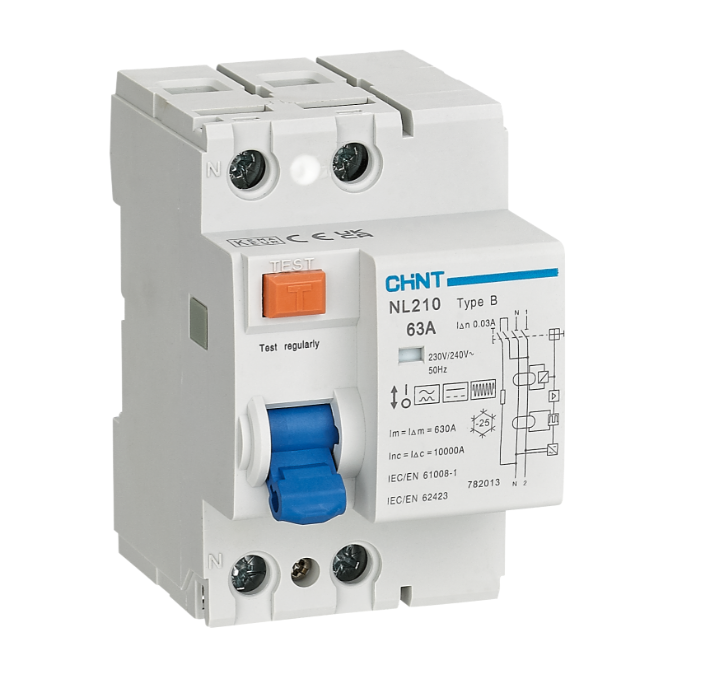
Here’s what an RCCB does:
- It watches the current balance instead of the voltage. When leakage appears, it disconnects power in milliseconds, fast enough to stop escalation before damage or injury develops.
- By cutting off unintended current paths, RCCBs reduce the fire risk from overheating conductors and eliminate dangerous touch-voltage on metal enclosures, tools, appliances, and fixtures used daily.
- In shops, clinics, and small workshops, leakage risks can be easily overlooked. There’s rarely a trained electrical specialist on site, and systems are expected to just work without constant inspection.
- You can stay confident in your electrical system, especially when no one on your team specializes in power safety, as RCCBs act automatically, without judgment calls or delayed responses.
- For customer-facing spaces, reliability is about trust. Small business electrical safety with RCCBs means faults are isolated quietly, before customers, staff, or equipment are exposed.
- Paired with surge protection, RCCBs form a safety foundation. They don’t improve productivity directly, but they protect people, prevent fires, and keep operations compliant and calm during normal, busy days.
- As a baseline control, RCCBs support codes, insurance expectations, and peace of mind, creating predictable protection that doesn’t rely on memory, manuals, or rushed decisions during daily operations.
Layered Protection: How SPDs and RCCBs Strengthen Electrical Protection Together
Protection works best when it’s layered:
Different Risks, Different Jobs
SPDs focus on voltage events that electronics can’t tolerate. They absorb and divert transient overvoltages, stopping spikes before boards, drives, and controls feel the hit. RCCBs, on the other hand, watch the current balance.
When leakage appears, they cut power fast, reducing shock risk and fire potential. One protects equipment. The other protects people and wiring.
Coordination Builds Stability
In real facilities, loads mix. IT racks, refrigeration, small machinery, lighting, and office devices all share the same supply. Coordinated SPDs and RCCBs steady that environment. Surge protection is handled upstream, while leakage faults are isolated locally.
The result is fewer nuisance trips, less stress on components, and predictable behavior during busy days.
Multiple Protection Points
Competitor guidance often points to layered placement. SPDs at the service entrance manage incoming disturbances. Devices at subpanels refine protection further.
Point-of-use units add extra insurance for sensitive loads. RCCBs across final circuits complete the picture, creating overlap instead of gaps.
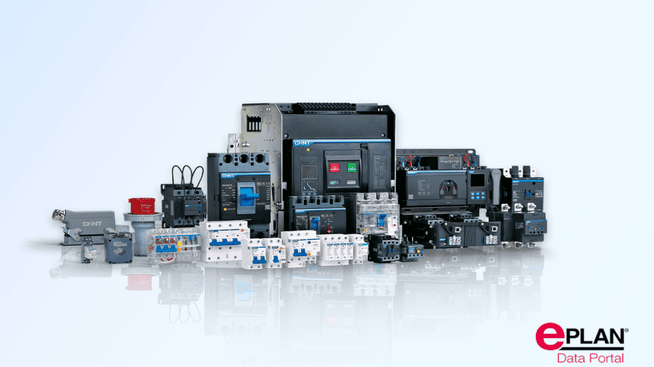
CHINT’s low-voltage main power distribution range brings these layers together. Alongside SPDs, it includes ACBs, MCCBs, transfer switches, and compliant RCCBs designed for coordinated protection.
Advanced design, global standards, and smart monitoring support reliable operation, giving businesses a system that handles spikes, faults, and everyday uncertainty without drama.
It also aligns with modern compliance, supports mixed expansions, and helps owners sleep better knowing protection works quietly, even when no specialist is watching the panel every single hour of operation, daily long
Best Practices for Surge Protection in Small Commercial Facilities
Good protection doesn’t come from one device; it comes from habits built into the electrical layout.
These best practices for surge protection in small businesses focus on planning, upkeep, and realistic site conditions.
- Assess SPD placement at the service origin first, then reinforce protection at sub-distribution boards feeding sensitive circuits.
- Confirm grounding and bonding are solid, continuous, and low impedance, because SPDs only work as well as their earth path.
- Select SPDs with appropriate ratings, paying attention to let-through voltage, coordination between devices, and system fault levels.
- Plan routine inspection and replacement, since MOV components wear down silently after repeated surge exposure.
- Integrate RCCBs on final circuits to protect people and reduce fire risk from unnoticed leakage currents.
- When adding IT gear, HVAC inverters, or automated POS systems, review protection layers before powering up.
- Small adjustments made early prevent downtime, equipment loss, and stressful troubleshooting later for busy teams everywhere.
Preparing for a More Electrically Demanding Future
Preparing for a more electrically demanding future means noticing how even small facilities have changed.
Workshops, clinics, shops, and schools now run on sensors, smart meters, automated controls, and networked devices that never really switch off. Each new tool adds value, but it also adds electrical stress.
As power grids modernize and loads cycle faster, surges show up more often, sometimes without warning. Voltage quality slips too, especially when several powered systems start, stop, and talk to each other.
These issues feel small at first, yet over time, they wear down equipment and disrupt daily operations. Investing in protection early is less about fear and more about common sense.
The right devices quietly prevent failures that cost far more later. CHINT supports this by supplying compliant SPDs and RCCBs designed for low-voltage and final power distribution. They fit into modern layouts easily, helping businesses grow without gambling on reliability.
SPDs and RCCBs help shape a predictable electrical environment, where people feel safer, and equipment lasts longer. Layered protection, chosen well and placed right, cuts downtime before it starts. It also supports surge protection.
CHINT remains a trusted supplier of compliant, widely used solutions across industries and facilities worldwide today.