

Introduction
Most people put their attention on locks and smoke alarms. Yet, electrical safety at home is just as equally important. The true dangers, like faults, leakage currents, or damaged wiring, often hide in plain sight.
RCD protection can be used to spot these hazards instantly, shutting off power to prevent shocks or fires and keeping families safe.
Why Electrical Safety at Home Is Often Overlooked
Some may look into visible items like alarms and childproofing, but frequently forget the hidden dangers in their electrical wiring. Electricity is used throughout the house, and even minor flaws will lead to serious risks in case they are not addressed properly.
Here’s why electrical safety at home is often overlooked:
- Aging installations: Many older homes were built before Residual Current Devices (RCDs) became standard. Without these devices, leakage currents or wiring faults can go unnoticed, leaving occupants at risk of shocks or fire.
- Leading cause of fires and injuries: According to safety authorities such as the National Fire Protection Association (NFPA), electrical failures remain a top contributor to domestic fires and injuries. Faulty circuits, overloaded outlets, or short circuits can ignite quickly if safety protocols are missing.
- Rising energy demands: Houses at present use more appliances, electronics, and smart devices than ever. Circuits designed decades ago often lack the capacity or features to handle these loads safely, making older panels and fuses insufficient.
Regular upgrades and proper RCD protection can close these gaps, so households stay safe as energy use grows and electrical systems age.
RCD Protection Reduces Electric Shock and Fire Risks
Residual Current Devices (RCDs) are designed to detect invisible risks that ordinary fuses or circuit breakers cannot. They monitor the current flowing through the live and neutral conductors, constantly checking for any imbalance.
If even a small difference occurs, indicating that current is leaking through an unintended path, such as a person touching a live wire or faulty insulation, the RCD disconnects the circuit within milliseconds. This rapid response dramatically reduces the risk of electric shock.
There are various ways in which leakage currents can occur, such as:
- Damaged insulation on wires
- Moisture exposure in damp rooms
- Aging cables with degraded conductors
Without an RCD, these currents may remain unnoticed, generating heat in wires and connections, which can escalate into electrical fires. By interrupting the current instantly, RCDs not only shield people but also safeguard property, offering a crucial preventive measure in everyday homes.
Everyday Household Scenarios Where RCDs Prevent Hazards
- Bathrooms and laundry areas: Appliances like water heaters or washing machines exposed to moisture can leak current. The RCD trips immediately, stopping shocks before they occur.
- Kitchens: High-load devices such as ovens or kettles may stress older wiring. RCDs cut off power when leakage currents indicate overheating risk.
- Outdoor sockets: Gardening tools or pressure washers used in wet conditions can create dangerous leakage paths. RCDs detect the imbalance and disconnect power before injury or damage occurs.
- Children and damaged cords: Curious hands touching frayed wires or damp outlets trigger the RCD, shutting off electricity instantly to prevent shocks.
Across all these scenarios, RCD protection addresses invisible risks, making sure that houses remain secure while everyday electrical tasks continue uninterrupted. It transforms a home’s electrical system into an active guardian, preventing hazards that might otherwise go unnoticed.
RCCB and MCB Working Together for Complete Circuit Protection
A Residual Current Circuit Breaker (RCCB) is primarily responsible for earth-leakage protection. It monitors current flow and trips the circuit instantly if it detects leakage to the ground, shielding people from electric shocks caused by faulty appliances, damaged insulation, or moisture. However, an RCCB does not respond to short-circuits or overloads.
A Miniature Circuit Breaker (MCB), on the other hand, is designed to guard circuits from overload and short-circuit conditions. It trips when the current exceeds a rated threshold, preventing overheating and potential fires.
MCBs do not detect leakage currents, which is why relying solely on one device leaves gaps in safety features.
Complete circuit protection in homes requires both RCCBs and MCBs working together. A modern home electrical panel commonly uses modular versions of these devices, allowing homeowners to combine earth-leakage and overcurrent safekeeping in one organized panel.
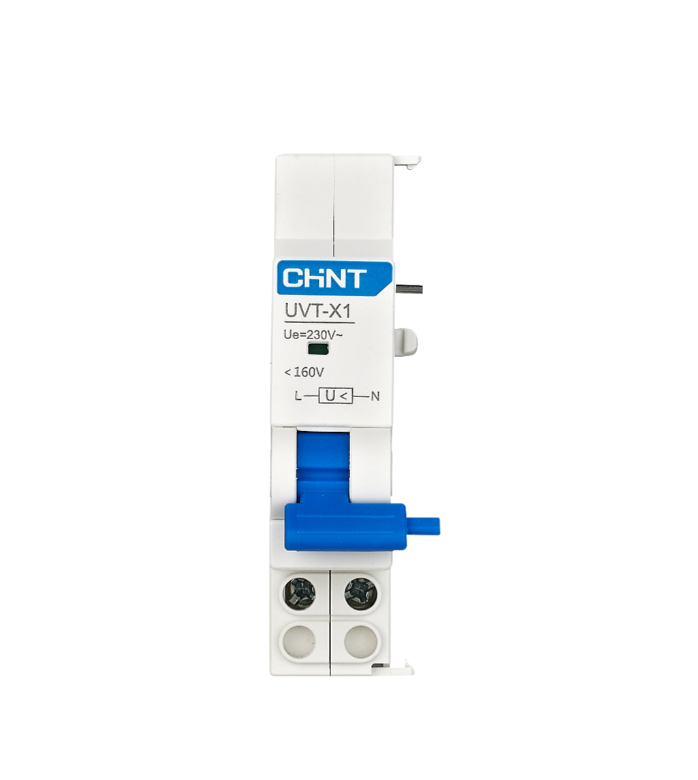
CHINT offers a range of IEC-compliant modular devices for residential safety under the Final Power Distribution portfolio. Accessories like the UVT-X1 Under-voltage Release guard NXB-63 and NXB-40 breakers from low-voltage events.
The SMG-WL1SR Smart Gateway enables cloud connectivity and remote control for smart miniature circuit breaker systems. Lastly, the SHT-X3 Shunt Release allows instant remote tripping of NXB-125 breakers for fast fault isolation.
Together, RCCBs and MCBs provide a layered approach, addressing invisible leakage risks and current overloads simultaneously. Integrated with modular devices and intelligent accessories, they transform the electrical panel into a proactive safety hub, keeping homes and families well-protected.
Choosing RCCBs and MCBs that Upgrade Home Safety Without Complexity
In choosing an RCCB, you must consider the following:
- Sensitivity rating, which determines how small a leakage current it can detect
- Breaking capacity to handle potential fault currents
- Compatibility with the existing home electrical panel
These factors ensure the device trips reliably without causing nuisance interruptions.
As for MCBs, the key considerations include:
- Current rating, which matches the expected load
- Tripping curve to determine response time during overloads or short circuits
- Application, whether it supports lighting circuits, outlets, or appliances
IEC compliance forms the baseline for both RCCBs and MCBs, guaranteeing safety and interoperability.
CHINT offers viable solutions that integrate seamlessly into home panels. The NXB-63 and NB1-63 Miniature Circuit Breakers provide dependable overload and short-circuit barrier.
On the other hand, accessories like the SHT-X1 Shunt Release enable rapid remote tripping in emergencies. The XF9 Auxiliary Contact provides status feedback for added monitoring without complicating the system.
Modern homes run more electronics and appliances than ever, creating more points of potential risk. These devices work quietly in the background, safeguarding homeowners who barely notice until the moment they save a family from electric shock or a circuit from damage.
Modernizing the Home Electrical Panel for Safer Living
Updating a home electrical panel is not just about adding new breakers, as it’s about creating a safer environment for everyday life. Most of homeowners rarely think about the wiring behind the walls. But really, modern standards now emphasize devices that detect faults before they become hazards.
Evolving Standards and Residual Current Protection
Across many regions, regulations increasingly require residual current circuit breakers (RCCBs) to shield against leakage currents and electric shock.
RCDs are recommended in the bathrooms, kitchens, and outdoor circuits by the safety authorities, such as the National Electrical Code (NEC) in the U.S, or the European Committee on Electrotechnical Standardization (CENELEC).
Such devices are already frequently required on new buildings or major renovations and are an indication that people are becoming increasingly conscious of the invisible dangers of electricity.
Upgrading Older Homes
Houses that are constructed decades ago may lack any integrated leakage detection. In these cases, panel upgrades can be transformative. Adding modern RCCBs alongside miniature circuit breakers helps detect stray currents, prevent shocks, and reduce the risk of electrical fires.
Even a single device in the right place can make a significant difference in household safety.
Modern Panel Components
CHINT provides IEC/EN-certified devices commonly included in upgraded panels. The NL1 and NXL-63 RCCBs offer a magnetic-type leakage barrier, detecting and isolating circuits during residual current faults.
Complementary MCBs, such as the NB1-63 and NXB-63, provide reliable overload and short-circuit protection, with precise thermal-magnetic tripping and high breaking capacity for residential use.
Seamless Safety Integration
Optimized panels incorporate these devices in modular formats. Installation becomes straightforward for electricians and provides homeowners with peace of mind.
Each breaker and RCCB is continuously in the background, monitoring the network, stopping faults in milliseconds, and keeping circuits and occupants safe.
Some RCCBs and MCBs can be connected with smart home systems, allowing monitoring of circuit status, power consumption, and fault history. This data helps owners plan maintenance, detect potential issues early, and optimize energy use.
Steady tracking transforms the panel into an active part of home management, offering not only security but also insight and control over the electrical system.
Conclusion
Improving electrical safety at home starts with awareness and continues through action, like upgrading to modern RCDs and circuit safety cover.
Reliable, IEC-compliant devices from providers such as CHINT show how contemporary panels can combine leak detection, overload protection, and smart features, keeping households safer and giving families peace of mind.