

Introduction
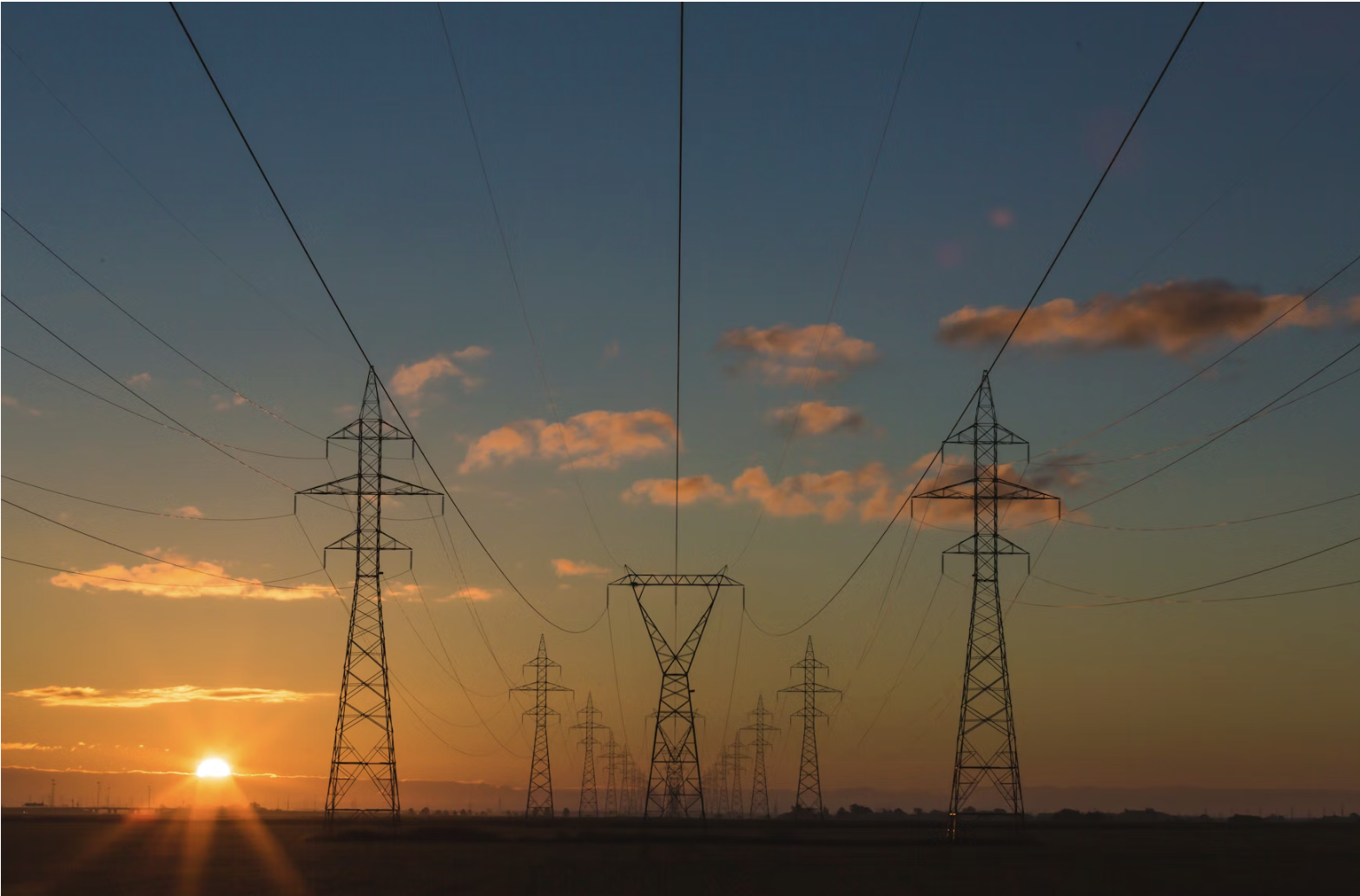
Power distribution is no longer just pushing electrons down a line, as it’s turning into a more aware, data-driven system. Renewables, scattered generation, and real-time reliability needs keep adding new layers of complexity.
In the ever-evolving smart grid sector, intelligent MV switchgear serves as the backbone of stronger, more efficient networks.
Modern Grids Require a New Approach to Medium Voltage Distribution
Modern power networks aren’t operating on simple one-way assumptions anymore. Digitalization keeps pushing more data into the system. On the other hand, renewables and scattered energy resources feed electricity back into the grid from all directions.
These transitions create messy, sometimes unpredictable operating conditions that utilities never had to juggle at this scale. Traditional equipment was built for slower, steadier patterns, so it often struggles to spot faults quickly or understand what’s happening on remote feeders.
Visibility turns patchy, loads jump around, and operators end up relying on guesswork where they should have solid, real-time insight. That’s why the core of distribution needs to evolve.
Medium voltage switchgear becomes more than hardware that opens and closes circuits; it becomes the central hub that keeps everything coordinated and safe. With smarter sensors and integrated control logic, utilities can manage intelligence across the network instead of just shuffling energy along.
This newer approach makes the grid feel more aware, more responsive, and far more capable of handling whatever the next wave of change brings today.
How Intelligent MV Switchgear Works in Smart Distribution Networks
Modern distribution grids may be compared to a busy neighborhood. You’ve got power moving in and out, different devices talking at once, and everyone expecting the lights to stay on no matter what.
Modernized MV switchgear steps in as the quiet organizer, keeping things steady even when the grid gets noisy.
Here’s how it works within smart distribution networks:
- Integrated protection and control: Instead of relying on separate boxes for tripping, metering, or logic decisions, intelligent MV systems fold these functions together. The equipment can sense unusual patterns, make quick decisions, and act before a small issue grows into a larger outage.
- Automation that speeds up recovery: An RMU with built-in automation can isolate a faulted section in seconds, redirect power, and restore service to most customers without anyone leaving the control room.
- Reliable switching with modern devices: Using a vacuum circuit breaker inside an automated lineup improves breaking performance and extends equipment life. This is especially true when loads fluctuate more than they used to.
- Sectionalizing for flexible operations: Breaking feeders into smaller controllable blocks lets utilities reroute power when something goes wrong. It’s like adding more valves to a pipeline, giving operators room to maneuver.
- Remote operation and self-diagnostics: Sensors and communication modules continuously check temperatures, partial discharge levels, and switching behavior. If something looks off, the gear flags it early and allows engineers to operate the device from anywhere.
All together, these features make smart distribution networks steadier, cleaner, and far easier to manage.
Move From Mechanical Infrastructure to Digitalized and Automated Grids
The shift toward grid automation is happening quickly as utilities look for more awareness and control.
IoT sensors, smarter digital relays, and SCADA-ready interfaces turn what used to be passive equipment into active grid nodes that constantly talk, share data, and react to changing conditions.
With these changes, operators aren’t waiting for alarms anymore, as they can see power quality issues the moment they start, track equipment health in real time, and schedule repairs before something breaks.
Remote monitoring also cuts down on long site visits, which makes everyday operations smoother.
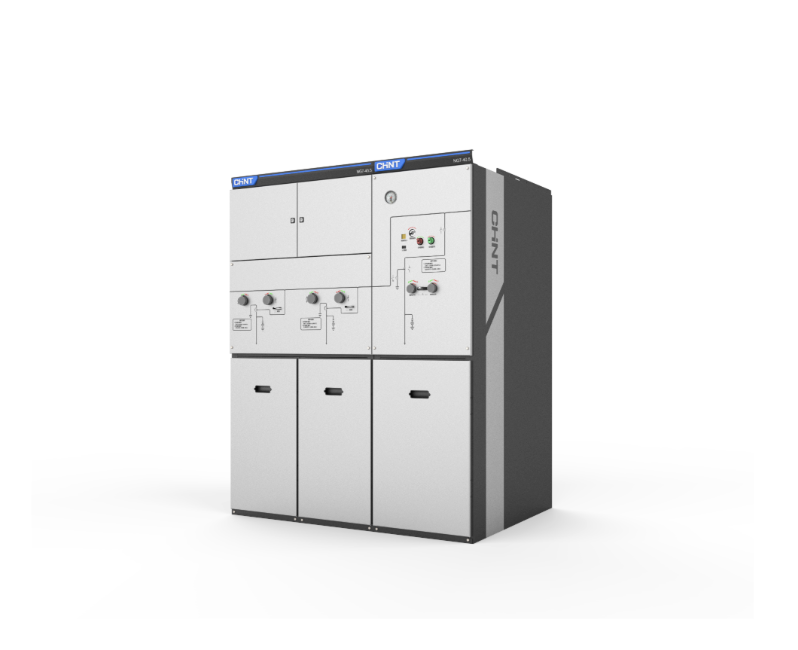
CHINT’s technologies fit naturally into this direction. RMUs, equipped with communication-enabled modules, bring digital awareness straight into secondary distribution.
The NG7-40.5 SF6 GIS is a fully type-tested unit under IEC 62271-200, designed for demanding environments like solar farms, wind farms, energy storage sites, data centers, and utility networks.
CHINT’s SF6 gas-insulated switchgear, built for 40.5kV applications, adds compact reliability for secondary distribution. On the switching side, VCB-based solutions such as the NX9/NX9G use modular breakers and integrated busbars to support automated operations and faster response times.
Rounding it out, CHINT’s integration-ready power transformers, ranging up to 1000kV and 1000MVA, bring advanced-grid features, low partial discharge, and strong short-circuit performance to modern substations.
Each distribution transformer pushes the grid a little closer to being truly digital, responsive, and future-ready.
Modern Grid Distribution Starts With Smarter Medium Voltage Switchgear
Modern grid distribution starts with smarter systems that can react quickly when something goes wrong. RMUs and VCB switchgear sit at the core of feeder automation, helping utilities perform fast fault location, isolation, and service restoration, often without anyone stepping into the field.
These devices read conditions on the line, understand when a section behaves oddly, and trigger actions that keep the rest of the feeder alive.
Automated switching and remote repositioning give operators room to maneuver during stressful moments. Built-in safety interlocks prevent accidental operations that could put people or equipment at risk.
This new layer of awareness also helps shape a digital substation environment where protection, control, and monitoring share information instantly. Medium voltage assemblies send data straight into utility platforms, letting engineers decide more confidently and shorten outage durations when the system gets stressed.
The gear acts like a set of coordinated nodes that keep the network stable even when loads shift or distributed generation changes direction.
Manufacturers such as CHINT continue to build IEC-conforming automated MV assemblies that align with these needs. The designs focus on communication readiness, reliable switching elements, and smart interfaces that help utilities build networks with fewer blind spots.
Optimized medium voltage switchgear is the starting point for flexible, responsive grid distribution that feels steadier for everyone who depends on it.
Integrating Transformers, RMUs, & VCBs for a Unified Medium Voltage Ecosystem
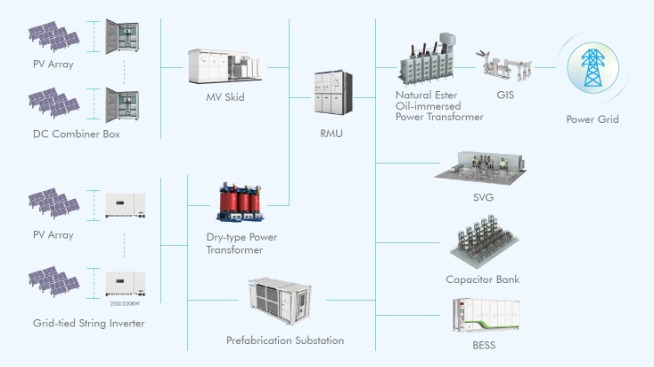
A unified medium voltage ecosystem works best when transformers, RMUs, and VCB switchgear operate as one coordinated chain. Distribution transformers sit at the point where voltage steps down for local use, and they depend on surrounding RMUs and VCBs to shape a stable environment.
These switching devices manage feeder paths, clear faults, and keep the transformer supplied from the right direction, while the transformer provides the steady output that downstream loads expect. When all three pieces share information, the network feels more organized and less chaotic during changing conditions.
Intelligent transformers add another layer by sending real-time temperature readings, loading trends, and voltage quality data into smart grid platforms. Utilities gain a clearer view of how each zone behaves, which helps them balance power or spot issues before customers notice anything.
CHINT’s transformer portfolio supports IEC requirements, offers sensing and monitoring options, and maintains safe MV-LV interfacing so the equipment fits smoothly into modern automation schemes.
An integrated MV ecosystem creates room for better load management, especially when renewable generation flows in at unpredictable moments.
Automated switching, mixed with coordinated protection and live transformer data, gives operators the tools to keep energy moving steadily across the network.
Building Future-Ready, Low-Carbon, and Sustainable Power Networks
Future-ready power networks grow from smart grids that keep energy flowing cleanly and efficiently. These systems help reduce technical losses, open more space for renewable power, and give communities room to expand electrification in homes, streets, and industries.
With better visibility across feeders, operators can tune the system so it stays balanced during shifting demand or changing weather. MV automation is crucial here, as it guides load management, smoothing voltage levels. It keeps the grid operating with fewer unnecessary emissions.
Cleaner operation also comes from choosing equipment and practices that follow global efficiency and environmental standards.
CHINT’s approach to sustainability reflects this direction, with solutions designed to meet green requirements and support long-term decarbonization goals. ESG focus approach blends environmental responsibility with social benefit, aiming to move energy systems toward healthier outcomes for communities.
All of these capabilities support international carbon-neutrality efforts. When grids run more intelligently, they create space for renewables, help cities cut emissions, and build a foundation for sustainable growth that can last through transitions in the coming years.
Conclusion
Modern MV switchgear, RMUs, VCBs, and smart transformers shape the backbone of tomorrow’s power networks, keeping grids steady as energy systems change.
CHINT offers technologies that help utilities move toward automation, resilience, and cleaner operation. These pieces work together, making modern distribution networks efficient, reliable, and more future-ready.