

A single electrical fault in commercial and industrial buildings can easily cease production, damage equipment, and compromise safety.
Fortunately, this risk can be prevented through intelligent switchgear since it alters reactive protection into a proactive system defense. This is possible thanks to its automation capability, continuous monitoring feature, and data-driven decision-making.
What Is Low-Voltage Switchgear?
Low-voltage or LV switchgear is a centralized assembly that controls, isolates, distributes, and protects power systems that are running below 1,000 volts of electricity. Upon installation, it can deliver power safely to machinery, servers, HVAC equipment, lighting, and other essential loads in a power-hungry building.
A standard low-voltage switchgear solution includes multiple core components.
- Circuit breakers disconnect defective circuits during short circuits or overloads.
- Busbars distribute power across the system.
- Protective devices detect abnormal electrical conditions.
- Metering units provide helpful insight into voltage, current, and power quality.
- Enclosures house all components to maintain mechanical integrity.
You can find this powerful equipment in industrial plants, data centers, commercial buildings, hospitals, and any facility with high power demand. Its role is not only to protect equipment but also to maintain continuity of service. It can also isolate affected areas while keeping the rest of the system connected to power during overloads or maintenance operations.
While traditional switchgear has maintained building safety for years, you can elevate the safety of your business further by investing in an intelligent LV switchgear. It’s been integrated with additional sensors, communication modules, and automation controls to evaluate system conditions, detect risks earlier, and respond faster than manual interventions could ever do.
How Intelligent Switchgear Prevents Electrical Hazards
Real-Time Monitoring and Early Fault Detection
To detect early signs of system failure, intelligent LV switchgear is slated to continuously monitor electrical parameters.
Its sensors will track overload patterns, conductor temperature rise, insulation degradation, unbalanced phase loads, and unusual energy fluctuations. All these measurements are usually tied to recognized electrical safety standards that guide protective thresholds.
As the intelligent switchgear identifies subtle trends, it helps maintenance teams intervene before minor issues worsen.
Automated Protection and Fault Isolation
When a fault occurs, intelligent switchgear won’t wait for manual intervention. It will implement automated tripping, isolation, and sectionalizing immediately to isolate the affected portion of the network within milliseconds. This fast response can prevent the fault from spreading to other circuits that typically cause widespread outages.
Automation by the intelligent switchgear likewise reduces the risk of human error significantly.
Instead of relying on operators to locate and disconnect faulty lines, it will perform isolation based on preprogrammed protection logic. This enhances personnel and equipment safety, especially in high-risk facilities like manufacturing plants and data centers.
Data-Driven Safety Insights
The predictive maintenance of a building can be supported better through vital operational data that intelligent switchgear will continuously collect. This way, the teams can focus only on equipment that shows clear signs of wear and damage instead of scheduling maintenance at fixed intervals.
Some useful data insights that it can gather include breaker operation frequency, contact wear trends, harmonic distortion levels, load stability, and voltage fluctuations. All these insights can provide assistance to maintenance personnel in finding out when components require servicing or replacement.
Leveraging intelligent LV switchgear’s data-driven decision-making can help you dramatically reduce unplanned downtime, lower repair costs, and ensure the long-term operational resilience of building electrical systems.
Intelligent Switchgear and Operational Resilience
When talking about industrial and commercial buildings, electrical resilience pertains to these properties’ ability to maintain safe and stable power operations amidst faults, disturbances, or unexpected load changes. Intelligent LV switchgear can readily enhance electrical resilience through continuous diagnostics, load optimization, and automated reconfiguration.
Self-diagnostics let the system identify weakening components or abnormal performance before they cause outages. On the other hand, load optimization makes sure that the power is distributed efficiently across circuits. This helps prevent overloading and enhances energy reliability. After a fault, automated reconfiguration helps restore unaffected circuits right away to reduce operational disruptions.
Another good thing about modern intelligent switchgear is that it can be integrated seamlessly with Building Management Systems (BMS), energy management platforms, and IoT ecosystems. The connectivity of this equipment ensures centralized monitoring and remote operation, which are capabilities needed for running large commercial complexes and industrial facilities.
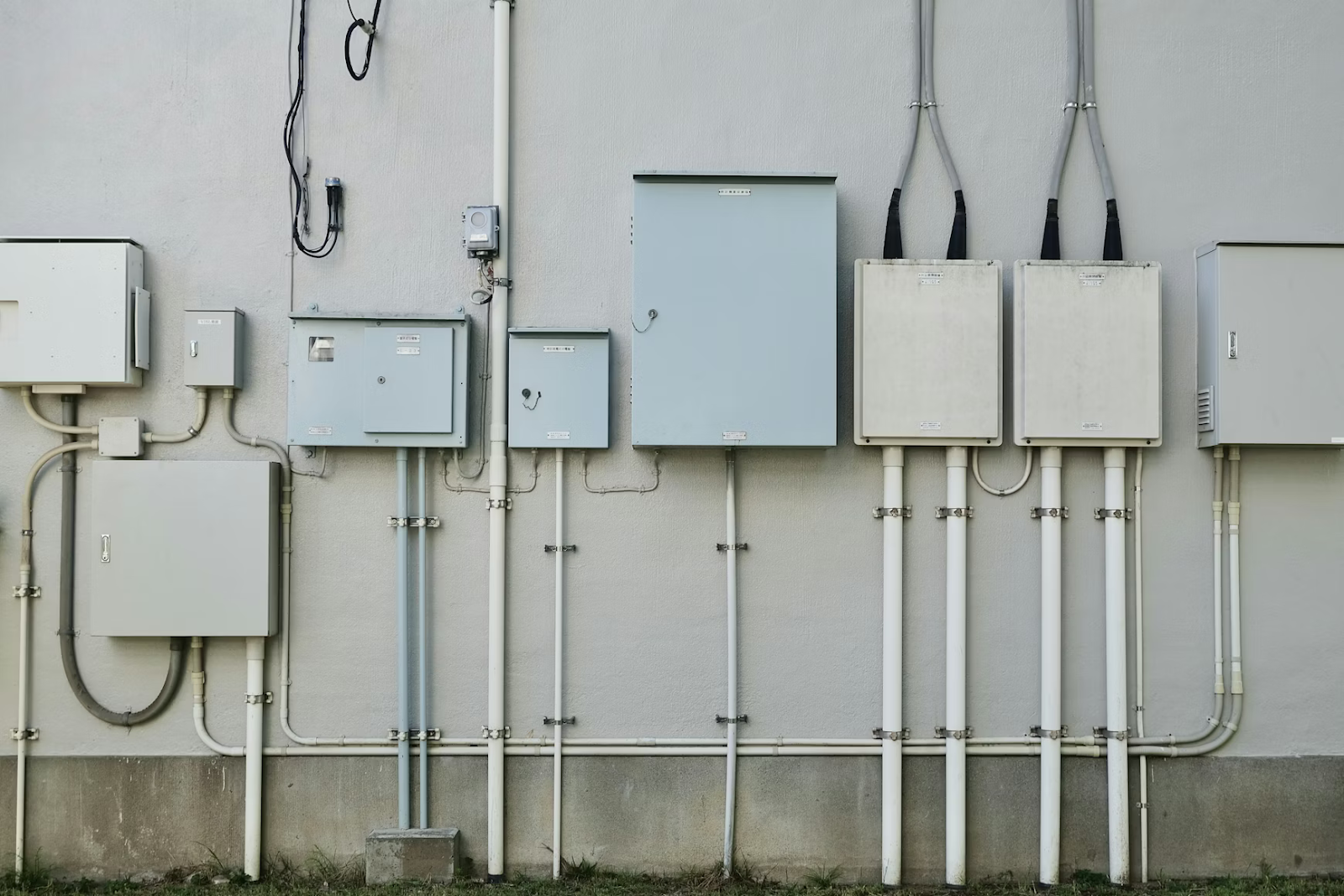
CHINT’s solutions, like the NXW5 Wall Mounting Enclosure and NX9/NX9G distribution boxes, can readily support these smart architectures. With strong enclosure protection levels and multiple mounting options, they can contribute to flexible, safe, and remotely manageable LV installations.
Long-Term Value for Building Owners
One of the greatest sources of savings is the reduction in downtime. Businesses can conveniently avoid costly production losses and emergency repairs once they achieve fewer unexpected failures and faster fault response.
Predictive maintenance further lowers operational expenses. Maintenance teams can act precisely when needed based on real performance data instead of replacing components prematurely or waiting for equipment to fail. This approach can help extend the life of switchgear components and reduce waste.
Intelligent LV switchgear can also contribute to energy optimization by analyzing load patterns. This way, it can help facility managers balance energy distribution, reduce peak demand, and identify inefficiencies. All these dynamic load insights can support sustainability targets and ESG reporting as energy-conscious operations contribute to lower carbon footprints.
Compliance is another area that businesses must be given value.
Modern switchgear has been designed to ensure safety and performance standards. CHINT’s LV solutions, such as high IP-rated enclosures and compliant distribution systems, can guarantee long-lasting infrastructure that meets regulatory requirements and secures long-term electrical reliability.
Integrating LV Switchgear into Modern Smart Facilities
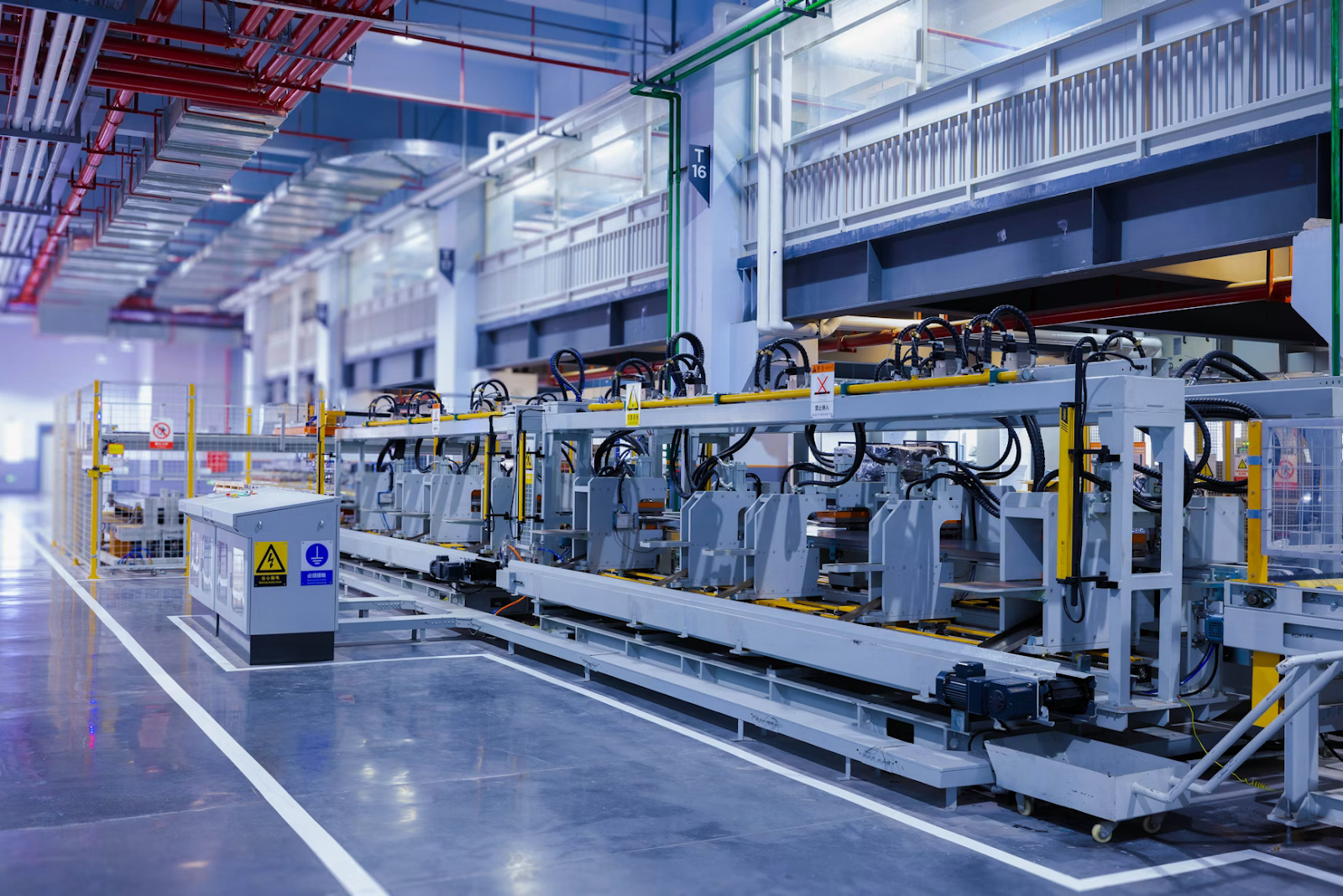
In modern facilities, LV switchgear can act as the central nervous system of electrical distribution. Enclosures such as the CHINT NXW5 can protect internal parts from dust, moisture, and environmental exposure through their IP54/IP66 protection ratings. This helps building managers secure a reliable operation even in challenging industrial environments.
Distribution boxes like the NX9/NX9G can also help in organizing electrical circuits and supporting modular expansion. Their design aligns with widely recognized IEC requirements, which illustrates how compliant enclosures can maintain system integrity and safety.
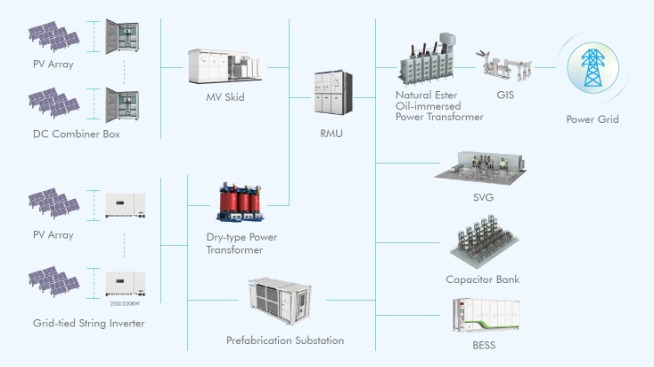
PV combiner boxes such as CHINT’s PVBx series can help support the integration of photovoltaic strings into LV switchgear architectures, making them perfect for renewable energy and commercial solar applications. They essentially enhance protection, streamline wiring, and ensure proper coordination between solar arrays and power distribution.
Conclusion
Intelligent LV switchgear can enhance electrical safety, reduce operational risks, and strengthen operational continuity for commercial and industrial buildings through real-time monitoring, automation, and data-driven insights.
All of this is possible when you partner with CHINT, as the brand gives you an intelligent LV infrastructure for safe, reliable power.