

Introduction
Modern building energy management practice is built on using components such as smart meters. Smart meters pose the question, “What changes when every kilowatt becomes visible instead of buried inside monthly statements?” Having access to real-time data replaces assumptions and helps operators manage their consumption, stabilize the quality of power, and reduce waste.
Building Energy Management Starts with Making Every Load Visible
Building a great building energy management system will require you, as an operator, to make use of smart meters. Smart metering is used to get high-resolution measurements across HVAC, lighting, elevators, pumps, and specialized equipment. This component allows you and your operators to get more precise and real-time measurements, removing the need for assumptions and guesswork. You can now measure how much energy your equipment is consuming and how efficient it is, notifying you of possible energy guzzlers that may need improvement.
Aside from real-time load patterns, smart meters will provide your whole building energy management operation with up-to-date data on voltage, current, harmonics, and power factor monitoring. Having access to real-time readings will help you maintain your operation by identifying possible problems early, preventing unexpected shutdowns, which will cause delays if not addressed urgently.
Smart metering is not just a modern solution to energy management operations, but it is also a good way to keep equipment safe and identify problems before they affect your whole operation.
How Smart Metering Transforms Commercial Building Energy Use
Smart meters allow for efficient energy monitoring, especially for industrial and commercial building energy use. Using smart metering on your different systems will allow you to experience several benefits.
- Immediate visibility into consumption spikes, which will allow you to act with urgency.
- Pinpointing inefficiencies with your equipment allows you to repair them and prevent downtime.
- Identifying operators when occupancy does not match load behavior.
- Eliminating or reducing waste through scheduling, load shifting, and demand control strategies.
Turning Real-Time Data Into Practical Load Decisions
Your team can use real-time data to make decisions that can make your energy consumption more efficient. By using building energy management components like intelligent meters, you’ll now be able to deploy energy-efficient strategies. You can now conduct load shifting to match the output. Load shifting will allow you to save on energy costs while still providing sufficient energy to your systems.
Reducing Hidden Losses Through Better Power Quality Awareness
Speaking of your smart meter components, these devices are excellent tools for monitoring power factor and identifying hidden losses.
By monitoring power factor with smart meters, you can gain better visibility into the quality of your power usage. In addition, smart meters allow you to detect phase imbalances and observe harmonic distortion. These insights help you maintain your equipment more effectively and prevent potential issues.
Overall, smart meters provide enhanced building energy management capabilities by pinpointing anomalies that you can proactively address.
From Detection to Correction: Smart Metering Supports Power Factor Correction Units
Detecting any inconsistencies with your equipment will allow for swifter correction, preventing any unplanned downtime. By using smart metering with correction units, you’ll be able to pinpoint inconsistencies while also correcting those problems with urgency.
When looking for smart metering solutions, CHINT’s smart meters & instrumentation devices, such as DDSU666-G, DSSU666 series, and multichannel sensors, will provide youwith real-time information. These components are capable of capturing detailed PF, voltage, current, and harmonic parameters.
These components are great when paired with CHINT’s LV reactive power compensation solutions for a more well-rounded system. These solutions include the KF8 reactive power compensation controller that features real-time PF display, capacitor bank switching, harmonic control considerations, and protective thresholds.
By doing so, a smart metering plus correction units system will provide you with these benefits.
- Smart metering and correction units will provide stabilized voltage conditions, which gives added safety to your operators and other equipment.
- You can also experience lower reactive power chargers.
- Another benefit is a reduction in line losses.
- Your equipment will behave more smoothly compared to before.
- Lastly, operating costs will be more predictable, giving you a sense of how much you’ll need to pay monthly.
What Continuous Energy Monitoring Makes Possible for Operations and Maintenance
When you have the capabilities to conduct real-time monitoring from updated data, it’ll make your operation run better. Real-time monitoring supports safer and data-driven decision-making, which is important in industrial or commercial settings.
Making smarter decisions will place more emphasis on employee and equipment safety. This will limit any mishaps that can cause accidents or unplanned shutdowns. CHINT’s LV distribution components, such as their MCCBs and other related devices, are examples of how to acquire real-time data for better building energy management undertakings.
When you have early anomaly detection and predictive maintenance capabilities, there are many benefits to experience.
- The ability to identify abnormal laid behavior before it affects equipment, prolonging their lifespan.
- Coordinating maintenance with verified data rather than assumptions. This will make possible actions that are backed by sufficient data to remedy or counter a problem.
- Understanding wear patterns on motors, MCCBs, contactors, and distribution equipment for better longevity and efficiency.
- Lastly, you’ll be able to create reliable maintenance intervals.
Smart Metering as a Baseline for Long-Term Energy Strategy and Sustainability
Smart metering, when applied properly, is a great building energy management protocol that works as a baseline for long-term energy strategy and sustainability. Since governments have stricter goals when it comes to sustainability, smart meters can help your operation reach those goals. They can also improve your energy consumption on a long-term basis.
- Smart meters can help your operation establish baselines for sustainability programs. These baselines will allow you to use energy better and achieve goals set by you or your government.
- Another benefit of smart meter usage is having the ability to track year-over-year improvement. This is great if you want to see if you are progressing every year on your energy consumption and efficiency.
- You can also validate performance upgrades. HVAC optimization, lighting retrofits, and PF correction operations can be better analyzed to determine how significant the improvements are to your operation.
- Lastly, it will enable data-driven reporting for ESG, ISO 50001, or corporate reporting goals. You can now provide more accurate data for certifications and to track goal progress.
What to Consider When Implementing Smart Metering in Commercial Buildings
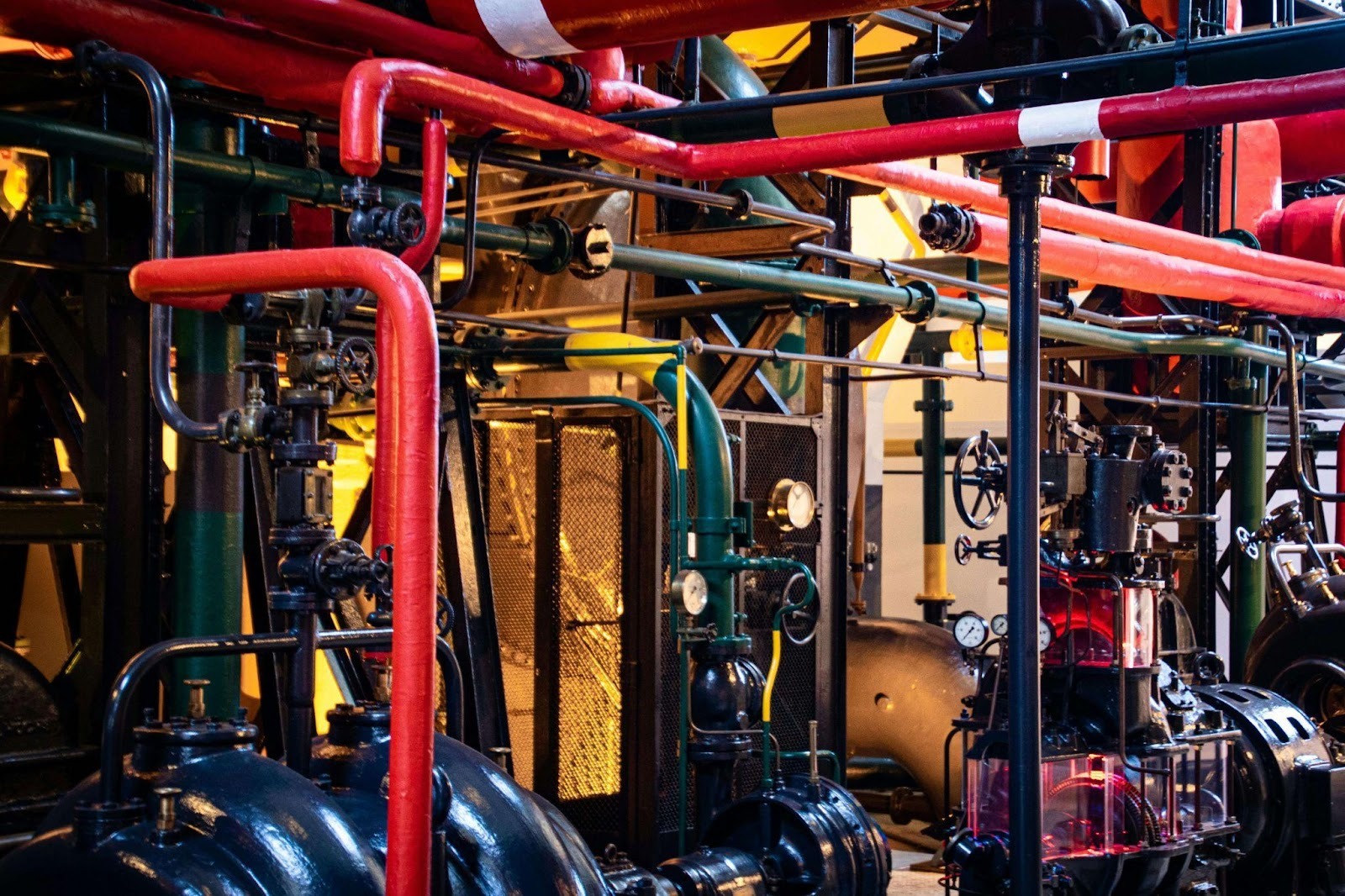
When implementing smart metering strategies in commercial buildings, there are a lot of factors that you have to consider.
Determine which circuits or loads require submetering. You can place meters on your largest consumers or if any equipment needs more attentive monitoring.
You’ll also need to choose your meters based on the required parameters. These parameters include PF, harmonics, and load profiling. This step will help you determine if any equipment in your systems is not in sync with your expectations.
Then, you’ll need to integrate the data with a building energy management system.
Also, you’ll need to consider planning your communication networks and data accessibility.
Lastly, ensure the capability of smart meters with existing LV panels and correction equipment.
These are the things that you’ll need to consider when implementing smart metering on commercial buildings so that everything is smoothly rolled out.
Conclusion
Smart metering strengthens your building energy management protocols by making electrical behavior visible, predictable, and actionable. When smart meters are partnered with power factor correction components, facilities gain smoother operation, lower power losses, and better long-term planning. For intelligent and efficient building energy solutions, visit CHINT today.