

Introduction
A single stoppage can wipe out a shift’s margin. In food and beverage production, food manufacturing downtime reaches beyond lost output into spoiled materials, idle labor, sanitation resets, missed shipments, and audit exposure.
Many teams first look at bearings, belts, pumps, or pneumatic faults. Yet electrical failures can stop the same line with less warning, especially in wet zones, motor-heavy equipment, and aging distribution panels.
This guide explains how to reduce unplanned downtime food manufacturing teams face through better motor control, residual current protection, enclosure ratings, and food plant switchgear design.
Why Food Plants Face Unique Electrical Challenges
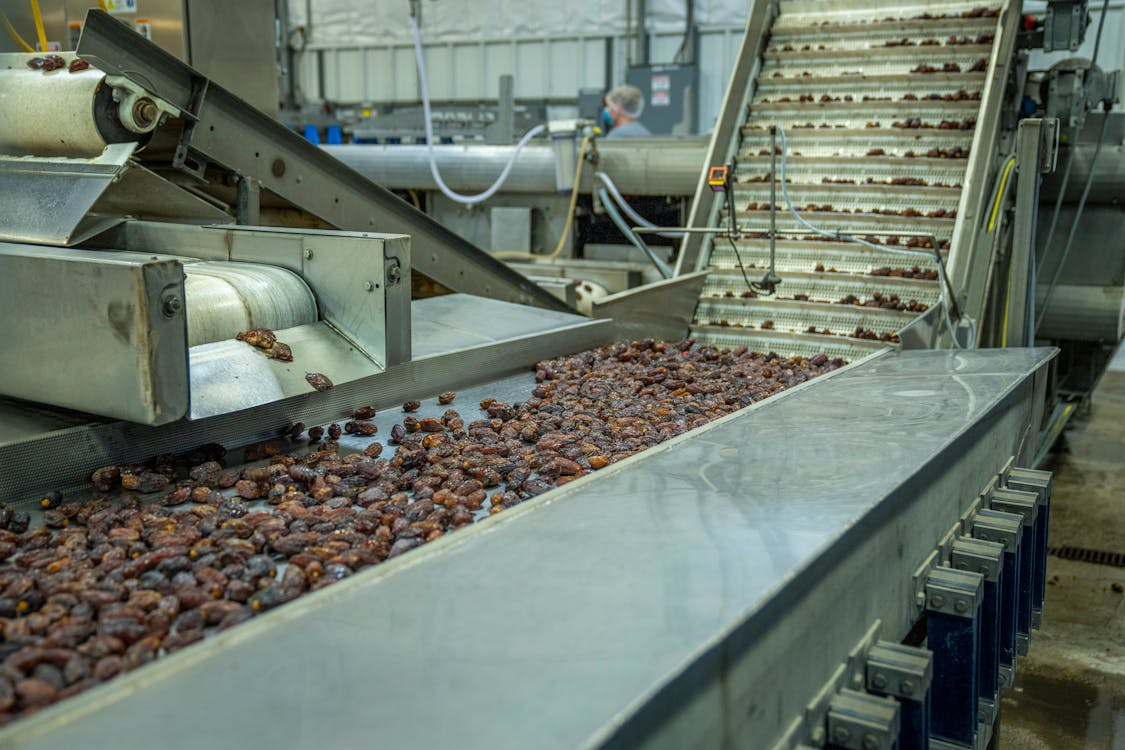
Food plants punish electrical equipment in ways many general industrial sites do not. Wet processing rooms, rinse areas, steam, condensation, and high-pressure cleaning can push water into glands, terminals, junction boxes, sensors, and panel seams. According to a 2024 WESCO article, liquid ingress is the primary cause of electrical system downtime in food and beverage facilities.
Corrosion adds another risk. Cleaning chemicals, fats, acids, alkaline residues, salt, humidity, and thermal stress can degrade metal fittings and cable protection. Corroded parts raise resistance, weaken connections, and create leakage paths.
Motor loads add further strain. Conveyors, mixers, pumps, refrigeration compressors, and packaging lines create repeated starts, inrush current, load swings, and heat. Cold storage and cooking areas place components through thermal cycling that can loosen terminals and weaken seals.
Here’s an overview:
Food Plant Zone |
Typical Electrical Risk |
Specification Focus |
Dry storage |
dust, access, panel labeling |
enclosed boards, clear circuit IDs |
Packaging |
start-stop conveyor duty |
AC3 contactors, overload setting |
Wet processing |
leakage current, corrosion |
RCCB or RCBO protection, sealed glands |
Washdown |
spray, chemicals, ingress |
IP66 or IP69K enclosure strategy |
Cold store |
condensation, temperature cycling |
corrosion-resistant materials, tested seals |
What Food Manufacturing Downtime Really Costs
Downtime cost starts with idle equipment, idle labor, scrap, and emergency repair. It grows when ingredients spoil, refrigeration windows narrow, sanitation schedules shift, or batch records need extra review.
A 2023 Value of Reliability survey reported that over two-thirds of industrial businesses experienced unplanned downtime at least monthly, with an average cost of $125,000 per lost hour across surveyed industries. In food and beverage, the same source cites $4,000 to $30,000 per hour, with up to 12 hours lost in a single incident when cleanup work is needed.
Processing Magazine reports that unplanned downtime can cost food processing facilities $30,000 per hour. The same report cites Aberdeen Research findings that 82% of companies experienced unplanned downtime across a three-year period, plus an Advanced Technology Services study finding aging equipment caused 42% of unscheduled downtime among respondents.
Visible Cost |
Hidden Cost |
lost production |
late shipments |
spoiled raw materials |
extra quality checks |
emergency callout fees |
cold-chain exposure |
idle labor |
traceability review |
replacement parts |
sanitation restart time |
Motor Starters And Contactors: Protecting Conveyor And Processing Lines
A motor starter food conveyor choice should begin with real duty, not nameplate current alone. A conveyor that starts twice per shift differs from one that indexes through packaging cycles all day. Load spikes, product jams, rinse-area moisture, and frequent starts can wear contactors faster than a clean catalog comparison suggests.
Direct-on-line starters suit small motors with stable loads and low start frequency. They remain simple to install and troubleshoot, but repeated starts can raise thermal stress and cause voltage disturbance.
Soft starters reduce inrush current and mechanical shock, making them a stronger fit for larger conveyors, pumps, mixers, and compressors with frequent starts. CHINT’s low-voltage switchgear like NJRP5-D and NJR5-ZX soft starters for motor transmission equipment, includes food applications, with 4kW to 900kW ranges and multiple starting modes.
Contactor duty matters. AC1 applies to resistive loads. AC3 applies to squirrel-cage motor duty, where the contactor must make locked-rotor current and break running current. Food conveyors, pumps, and mixers usually call for AC3-rated contactors. Overload relay settings need field validation against real running current. A low setting creates nuisance trips. A high setting can mask heat damage until the motor fails.
To choose the best device, take a look at the following:
Device |
Best Fit |
Main Selection Check |
DOL starter |
small motors, low start frequency |
inrush current and load profile |
Soft starter |
larger or frequent-start motors |
bypass type, start mode, leakage behavior |
Contactor |
motor switching |
AC3 duty and electrical life |
Overload relay |
motor heat protection |
trip class and full-load current |
RCCB And RCBO Selection For Wet Processing Zones

A RCCB wet area design has to account for wet floors, bonded stainless equipment, pumps and vacuum equipment, hose-down routines, damp cable routes, and insulation wear. These conditions increase earth leakage risk and can expose operators to shock hazards. 30mA is the standard for personnel protection in wet areas. 300mA devices are used for equipment protection further upstream.
A Residual Current Circuit Breaker (RCCB) detects residual current and disconnects the circuit when leakage passes its trip level. It needs separate overcurrent protection, such as an MCB or MCCB. Type B devices are required where frequency inverters or soft starters are used, as these generate DC residual current components that Type A devices may not detect.
A Residual Current Breaker with Overcurrent Protection (RCBO), like CHINT’s NB1L-20, combines residual current and overcurrent protection in one device. It helps protect individual circuits inside space-constrained distribution boards.
To know which device you need to use, consider these factors:
Circuit Type |
Location |
Better Device Choice |
washdown socket |
wet zone |
30mA RCBO |
small motor circuit |
local panel |
RCBO or RCCB plus MCB |
feeder to wet-area board |
upstream |
300mA RCCB, design-dependent |
VFD or soft starter circuit |
motor panel |
Type B residual current device review |
For electrical safety food processing plant upgrades, avoid grouping too many wet-zone loads behind one device. One leaking cable gland should not stop an entire conveyor, wash station, and packaging outfeed together.
Food Plant Switchgear And Enclosure Specification
Food plant switchgear needs to protect people, isolate faults, and keep unaffected loads running. Start with the enclosure. CHINT’s food and beverage control system solution complies with IEC 60529 IP code principles, with the first number covering solid ingress and the second covering liquids, including spray, water jets, powerful jets, immersion, and dust protection.
Processing rooms should use at least IP65 where wash spray can reach equipment.
Washdown zones may call for IP66 or IP69K, matching the cleaning method and plant standard.
Cold rooms need moisture control, corrosion-resistant materials, and cable entries that resist condensation paths.
Stainless steel fits washdown exposure. Treated steel or GRP may work in dry zones when mechanical and hygiene requirements match.
Distribution design matters too. Use MCCBs at feeder level, MCBs or RCBOs at final circuit level, and SPDs where transient risk can damage controls. Separate refrigeration, conveyors, packaging, controls, and washdown services where practical.
To select the right B, C, or D curve for overcurrent protection, read this guide to MCB trip curves.
5 Signs Your Electrical Setup Is A Reliability Risk
Here are warning signs your electrical is at risk:
Motor circuits trip during normal production. Check overload settings, jam events, current draw, contactor duty, and thermal history before resetting again.
Wet-zone enclosures sit below IP65. Any weak gasket, gland, hinge, or cable entry can become an ingress path.
Washdown circuits lack residual current protection. This creates personnel risk and slows fault isolation after cleaning cycles.
One fault stops a full line. Review distribution boards and divide circuits so maintenance teams can isolate the problem faster.
Contactors or starters show heat marks, buzzing, or contact wear. Replace worn devices before voltage drop, arcing, or coil failure stops production.
Conclusion
Reducing unplanned downtime food manufacturing teams face starts before the next line stop. Match motor starters to real duty cycles. Select RCCBs and RCBOs for wet-zone leakage behavior. Specify enclosures around actual cleaning routines. Segment switchgear so one fault does not remove a full process area.
CHINT Food & Beverage solutions support OEM engineers and plant teams with IP-rated enclosures, motor starters, residual current protection, low-voltage distribution, meters, and switchgear. Explore CHINT’s Food & Beverage OEM Solution or talk to a CHINT specialist about your next panel build, line upgrade, or reliability review.
Frequently Asked Questions
What Is Downtime In The Food Industry?
Downtime means a production line or asset is not running at intended output. Planned downtime covers maintenance, cleaning cycles, upgrades, and changeovers. Unplanned downtime covers electrical faults, equipment failures, emergency trips, and shutdowns that interrupt production with little notice.
How Much Does Downtime Cost In Food Manufacturing?
Costs vary by plant size, product, line speed, and recovery steps. Reported food and beverage downtime costs range from $4,000 to $30,000 per hour, and one incident can reach 12 hours when cleanup and restart checks are needed.
What Are The Two Types Of Downtime In Manufacturing?
The two main types are planned and unplanned downtime. Planned downtime is scheduled and managed. Unplanned downtime arrives without notice, which creates emergency work, overtime, scrap, and production schedule changes.
How Much Downtime Does 99.9% Uptime Allow Per Month?
A 99.9% uptime target allows about 43 minutes of downtime per month, or about 8.7 hours per year. One electrical fault can use that full monthly allowance. A 99.99% target reduces monthly allowance to roughly 4 minutes.
What Electrical Issues Cause The Most Downtime In Food Processing Plants?
Liquid ingress ranks high, especially in washdown zones. Other repeat causes include corrosion, undersized motor starters, worn contactors, missing residual current protection, poor cable entry sealing, weak circuit segregation, and aging switchgear.