Please enter keywords to search

Global |EN

Choose your country & Language

Asia Pacific

Australia & New Zealand
India
Indonesia
Malaysia
Philippines
Singapore

Middle East & Africa

Kenya
Saudi Arabia
South Africa
United Arab Emirates
Tunisia

Europe

France
Kazakhstan
Netherlands
Spain
Italy
Turkey
United Kingdom
Poland

Latin America

Brazil
Colombia
Ecuador
Peru

North America

Canada
Mexico
United States

Choose your country & Language

Australia & New Zealand
India
Indonesia
Malaysia
Philippines
Singapore
Kenya
Saudi Arabia
South Africa
United Arab Emirates
Tunisia
France
Kazakhstan
Netherlands
Spain
Italy
Turkey
United Kingdom
Poland
Brazil
Colombia
Ecuador
Peru
Canada
Mexico
United States

Please enter keywords to search

Your search term contains restricted words. Please use different keywords.
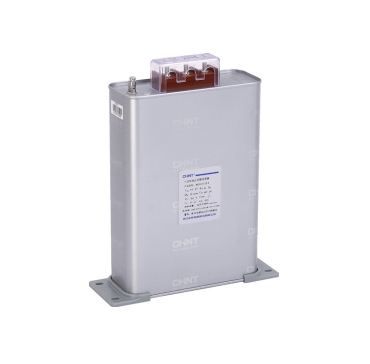
BKMJ
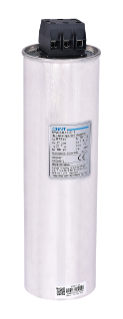
BKMJ

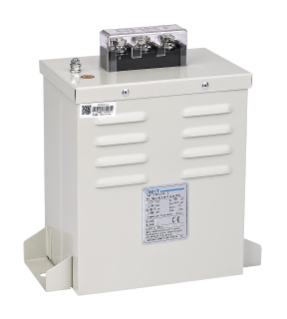
BKMJ

The BKMJ Dry Type Low-voltage Shunt Capacitor is designed for AC power systems up to 1000V, enhancing power factor, voltage stability, and energy efficiency. Filled with dry, flame-retardant material, it eliminates the risk of oil leakage and offers excellent safety, durability, and compact installation. With self-healing metallized polypropylene film, built-in over-voltage protection, and discharge safety design, it’s ideal for industrial, commercial, and public power networks requiring reliable reactive power compensation.

Product Information

Recommend Blogs
NOVEMBER 13, 2026 From Component Search to Panel Layout: Using CHINT Data in the EPLAN Data Portal

Find CHINT components in the EPLAN Data Portal, import part data, and use available macros in schematic and panel-layout workflows.

NOVEMBER 12, 2026 Shunt Reactors in Power Systems: Purpose, Applications, and Selection

Learn how shunt reactors absorb reactive power to manage voltage rise on lightly loaded lines, and what engineers should consider when selecting and applying them.

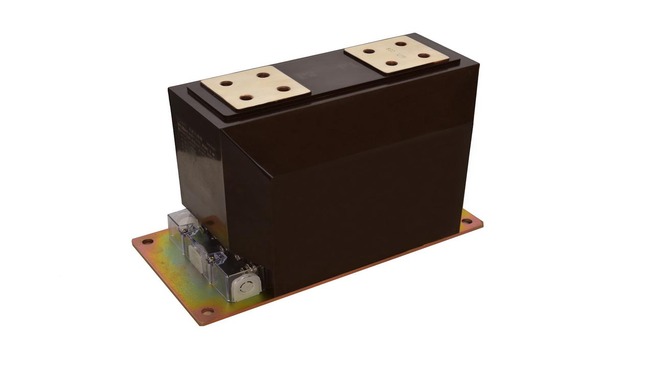
NOVEMBER 12, 2026 What Instrument Transformers Are Used for: CT and VT Applications

Learn how current transformers (CTs) and voltage transformers (VTs) support metering and protection, and what to consider when selecting and installing them.

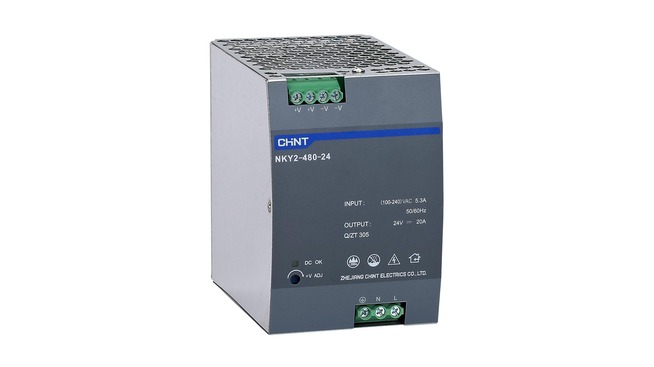
OCTOBER 27, 2026 A Practical Guide to Choosing a DIN Rail Power Supply for Industrial Control Panels

Choose a DIN rail power supply for an industrial control panel by checking output load, inrush, environmental derating, protection and PLC compatibility.

OCTOBER 27, 2026 Why Do Capacitor Banks Need Dedicated Switching Contactors?

A capacitor bank does not switch like a motor load. Learn how dedicated capacitor switching contactors manage inrush, switching duty and protection in power factor correction panels.

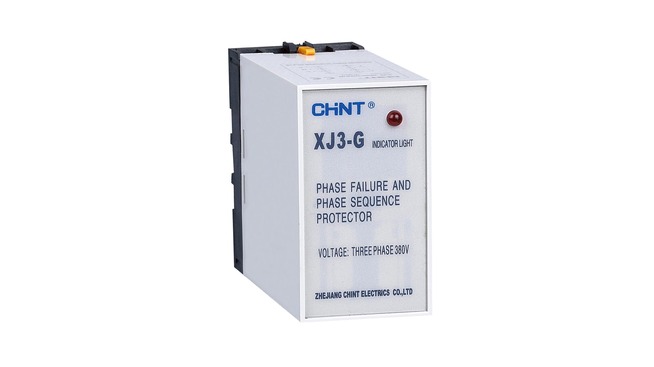
OCTOBER 27, 2026 Phase Loss and Reversal: How Phase Monitoring Relays Protect Three-Phase Motors

Learn how a phase monitoring relay detects phase loss and phase reversal, how it should be wired into a motor control circuit, and where its protection ends.

OCTOBER 27, 2026 Natural Ester vs. Mineral Oil Transformers: Which Fits Your Project Requirements?

Compare natural ester and mineral oil transformers across fire performance, environmental exposure, temperature behavior, maintenance and project fit.

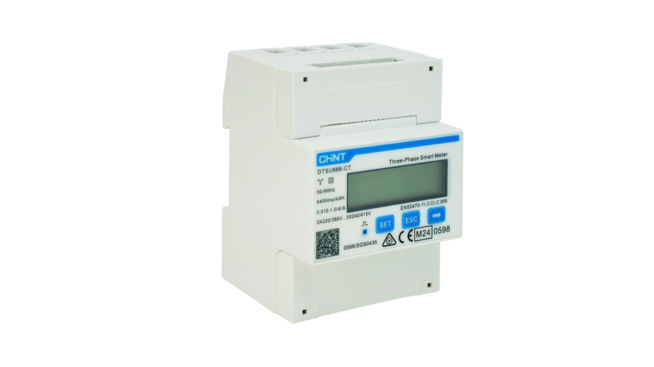
OCTOBER 26, 2026 Industrial Energy Monitoring: How Smart Meters Cut Waste and Improve Power Reliability

Learn how industrial energy monitoring turns meter data into lower energy waste and stronger power reliability, with CHINT DTSU666-CT and PD7777 options.

OCTOBER 26, 2026 Control Relay Selection and Wiring Guide for Industrial Control Panels

Learn how to select and wire a control relay for an industrial panel, including coil voltage, contact form, load rating, suppression, and CHINT NXJ and NJX12 options.

OCTOBER 26, 2026 How to Select an Electromagnetic Starter for OEM Motor Control Panels

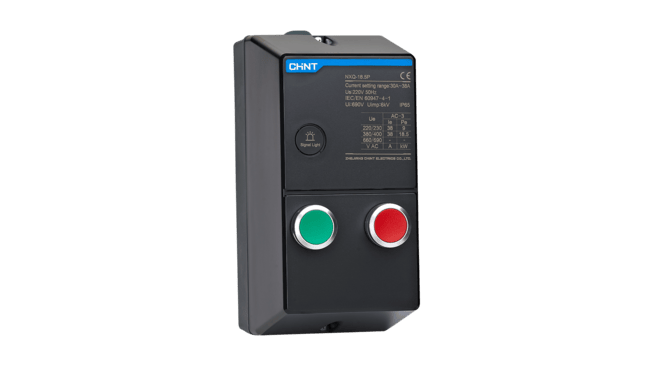
Select an electromagnetic starter for OEM panels by checking motor duty, AC-3 ratings, protection coordination, control options, enclosure, and mounting.

Need Support From Us?

Blog
Blog

Find expert perspectives on the trends and technologies driving your business.

View Now
Download Center
Download Center

Download new and previously released documents including product document, solutions, cases, coporate report.

View Now
Contact Us
Contact Us

Reach out to us to receive more information, technical support, assistance with complaints and more.

Get Support
Collapsed
Expand

FAQs


When should I use the BKMJ Dry Type Low-voltage Shunt Capacitor?

This capacitor is best suited for low-voltage AC networks (≤1000V) requiring reactive power compensation to improve power factor and reduce line losses. It’s particularly effective in industrial workshops, substations, and high fire-safety environments due to its oil-free dry design.


What makes the BKMJ capacitor safer than traditional oil-filled types?

It uses a dry flame-retardant filling and includes self-healing polypropylene film, over-pressure disconnection, and self-discharge circuits. This eliminates the risk of oil leakage, explosion, or fire, ensuring eco-friendly and maintenance-free operation.


Can this capacitor operate in environments with harmonics?

Yes, the BKMJ series can tolerate moderate harmonics. For THDu >5%, CHINT recommends using series reactors (CKSG) with 7% or 14% reactance to suppress harmonics and extend capacitor lifespan.


How should I install the BKMJ capacitor for best performance?

Install vertically or horizontally using the plastic mounting feet and 7×10 mm holes. Maintain at least 30 mm spacing between units for ventilation, and 80 mm at altitudes above 2000 m. Ensure good ventilation and tight conductor connections.


What precautions should be taken in high-altitude or high-temperature regions?

When used above 2000 m or in ambient temperatures exceeding +50°C, select a higher voltage-rated model to compensate for derating and avoid overheating. Proper spacing and airflow must be ensured for reliable operation.