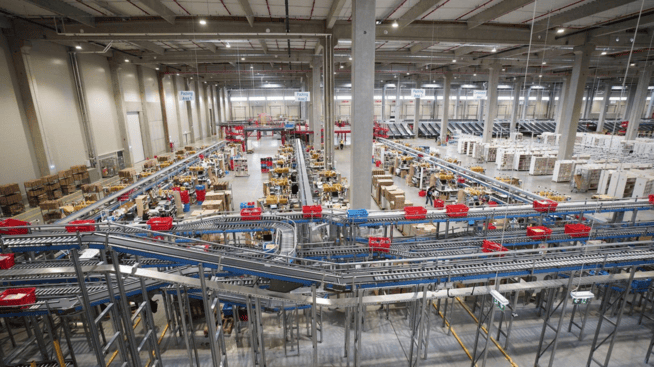


For a sorting center designed for 24/7 operation, a conveyor stoppage or distribution fault can interrupt parcel flow. The impact depends on the affected equipment and the line layout, making power distribution part of operational planning from the outset.
At the SPX Express Sorting Center in Hung Yen, Vietnam, automated sorting systems, conveyors and other operational areas place different demands on the electrical infrastructure. How should project teams translate those demands into equipment specifications and a coordinated distribution design?
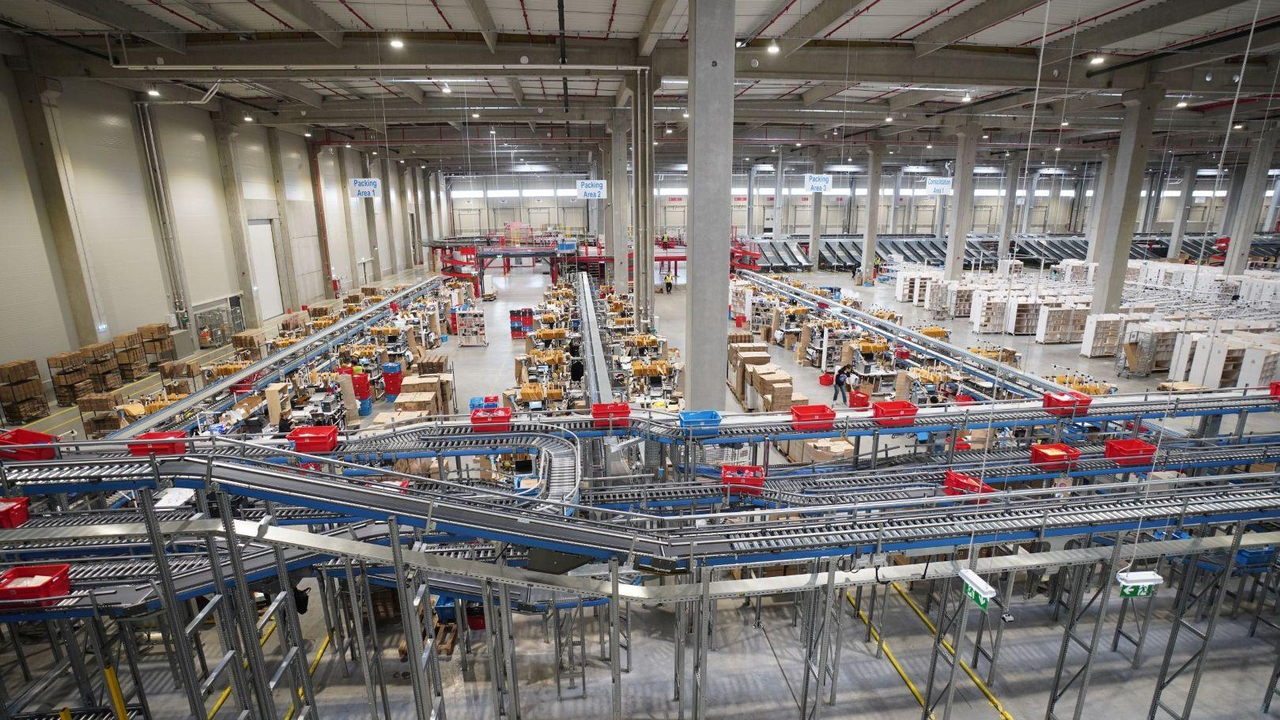
CHINT Supports SPX Express's Largest Sorting Center in Southeast Asia
System Coordination at the SPX Sorting Center
The SPX project involved coordinating more than 1,450 devices across multiple functional zones. Its technical requirements included breaking capacities of up to 100 kA, alongside the demands of continuous automated operation.
Panel builder SEAE was responsible for designing, assembling and integrating the complete distribution system, covering generator and transformer connections, main distribution boards, motor control centers and capacitor banks. CHINT supplied the low-voltage equipment and associated switching and protection solutions.
Within this system, main distribution feeds the facility’s different areas, while downstream circuits serve individual loads. Motor circuits require switching and protection suited to their operating conditions, and capacitor banks provide reactive power compensation.
CHINT’s supply included air circuit breakers, molded case circuit breakers, miniature circuit breakers and residual-current protection devices, as well as contactors and overload relays. These categories serve different purposes: circuit breakers provide circuit protection, contactors switch loads, and overload relays provide overload protection for motors. Their selection and application depend on circuit requirements and SEAE’s system design.
This distinction matters when specifying equipment. Continuous operation describes the facility’s duty; breaking capacity addresses fault interruption. Both need to be considered, without treating a high breaking-capacity rating as a guarantee of uninterrupted service.
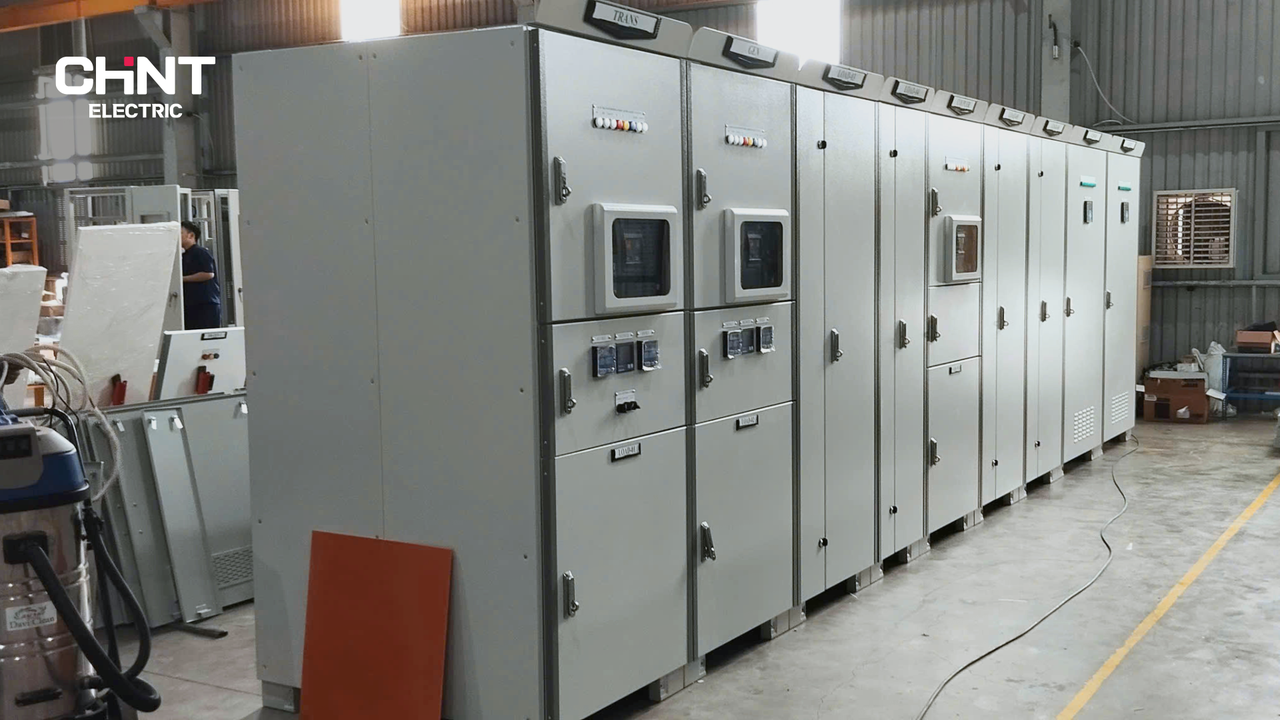
SPX Express Sorting Center Low-Voltage Power Distribution Project, Vietnam
Planning for Delivery and Future Expansion
Equipment selection also needs to reflect the construction schedule. At SPX, CHINT’s local presence in Vietnam helped coordinate product supply, technical support and services with project progress.
A manufacturing project in Cambodia provides another example of delivery coordination. CHINT worked with SNTT on component procurement, while PATech assembled and tested a 5000 A main switchboard. The switchboard project was completed within ten weeks, bringing procurement, assembly, testing and delivery into a compressed programme.
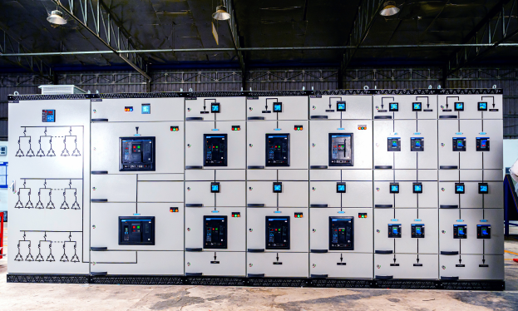
CHINT Accelerates Delivery of 5000A Main Switchboard for Cambodia Manufacturing Facility
Future expansion introduces a different requirement. For Malaysia’s MRT Corp, CHINT supplied standardized low-voltage solutions using modular, pre-qualified components to support deployment and network expansion. Although the application was rail infrastructure, the planning consideration is relevant to logistics facilities: additional lines and loads should be considered when evaluating the initial distribution design.
These examples address separate implementation needs—meeting the current delivery schedule and preparing for later additions.
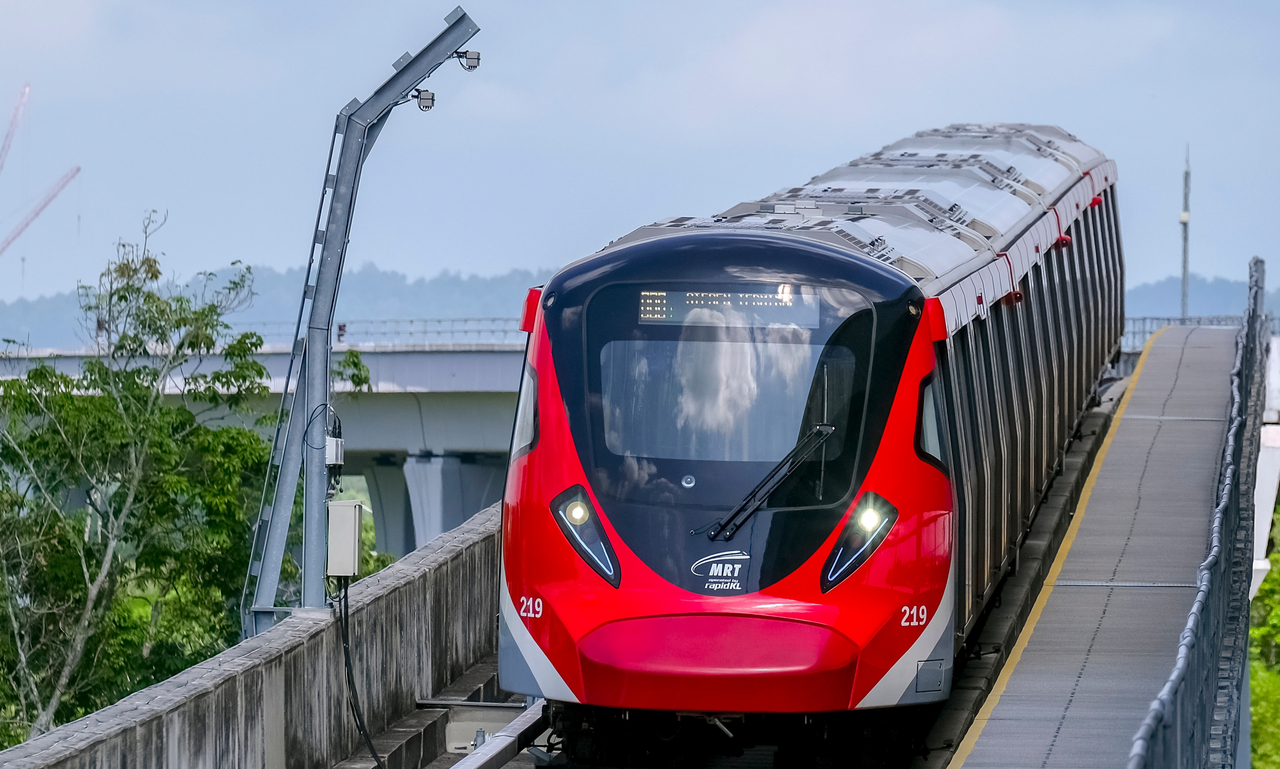
CHINT Building the Power Backbone of Urban Transit in Malaysia
Key Considerations for Logistics Power Planning
Before procurement, project teams should identify which sorting or conveyor loads would disrupt wider operations if interrupted. This helps define continuity requirements and identify circuits requiring closer engineering review.
Motor-starting requirements and expected simultaneous demand across different zones also need to be established. These operating conditions inform supply and protection decisions alongside the characteristics of individual loads.
Maintenance planning should address access and isolation arrangements. For planned expansion, the proposed switchboards need to be assessed for both electrical capacity and physical space, rather than spare space alone. Equipment availability and technical support should be reviewed against installation and commissioning milestones.
At SPX, CHINT’s low-voltage equipment and local support complemented SEAE’s system design and integration. CHINT provides power solutions for logistics facilities, helping customers address their distribution, protection and control requirements.
Explore CHINT’s power solutions for logistics facilities or contact our team to discuss your power distribution, protection and control needs.