

Introduction
Modern distribution networks face increasing pressure from higher load variability, weather-driven disturbances, and rising uptime expectations. However, the introduction of grid automation systems has replaced the slow, manual switching with real-time logic, faster decision cycles, and coordinated device actions. We will discuss how automation tools improve network stability, fault isolation, and outage management.
Why Today’s Distribution Networks Need Smarter Grid Automation
Conventional networks are experiencing operational limits in the form of delayed fault localization, reliance on field crews, and a lack of real-time diagnostics. The advancements in research have given birth to grid automation, which has enabled distribution systems to have more resilience and efficiency. This is showcased when automated devices supplement manual processes; distribution automation has enabled a more efficient approach.
Grid automation has accelerated decision-making and reduced switching delays. This has set the stage for later sections on SCADA, reclosers, and sectionalizers. These distribution network improvements have allowed operators to have a faster way to fix problems, as well as keep workplaces safer.
How Automated Distribution Systems Improve Network Stability
When you deploy automated distribution systems, your operation can now experience improved performance. Automated distribution systems can reduce outage footprints, shorten fault-clearing times, and maintain steadier feeder voltages. Having better outage management protocols is a plus for any operation. It allows your operators to act with urgency and efficiency.
Resilience studies have shown that automated switching dramatically lowers lost load and recovery times. These attributes are important, especially since your operation can be affected by external factors like disasters. Also, these enhance your operation’s efficiency and make it better for your equipment’s long-term standing. We will now discuss in further detail how automated distribution systems improve network stability.
SCADA-Based Monitoring for Distribution Networks
Supervisory Control and Data Acquisition, or SCADA, is a program that allows for real-time monitoring, analysis, and control of industrial processes. SCADA provides the situational awareness needed for automation to work effectively. SCADA aggregates feeder data, event logs, voltage profiles, and device statuses. In fact, SCADA-based monitoring for distribution networks is a key component of real-time fault detection and grid visibility. This allows for distribution automation to be more seamless and ensure network stability.SCADA also has capabilities to let your operation have proactive maintenance, predictive insights, and smoother outage management.
Outage Management Using Reclosers and Sectionalizers
For better outage management, it is better to use reclosers and sectionalizers. In this section, we’ll discuss what these automation devices are and their purpose. Lastly, we’ll also discuss the benefits of reclosers and sectionalizers in outage management.
Reclosers distinguish temporary and sustained faults, restore service automatically after transient events have occurred, and minimize unnecessary interruptions. Recent study findings have shown that reclosers significantly reduce EENS and outage duration. This allows operators to minimize any unplanned downtimes and continue operations.
Sectionalizers, on the other hand, work with reclosers to isolate only the faulted span. This feature reduces the number of affected customers. Highlighting automation’s proven ability to narrow outage locations and improve restoration time.
Grid Automation Strategies for Utilities and Industrial Campuses
When deploying grid automation strategies for utilities and industrial campuses, you’ll experience benefits that improve network stability and reduce downtime.
- The ability to automate key switching points.
- Integrate feeder monitors and fault indicators for urgent action.
- Prioritizing high-impact feeders, which help in prioritization.
- Lastly, coordinating distributed energy and power quality devices.
This is backed by recent academic findings that state automated feeders reduce losses, improve load balancing, and strengthen system resilience.
Where Automation and Monitoring Tools Fit Into a Modern Stability Strategy
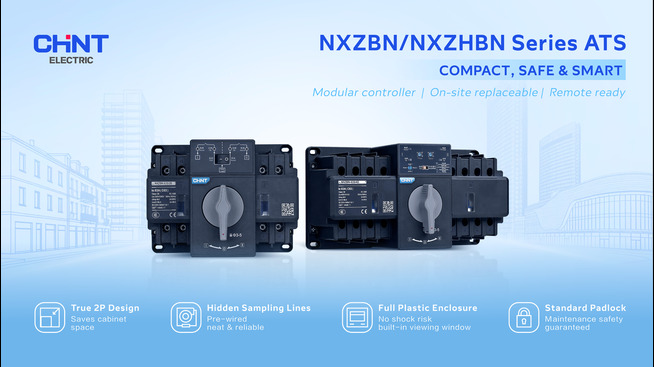
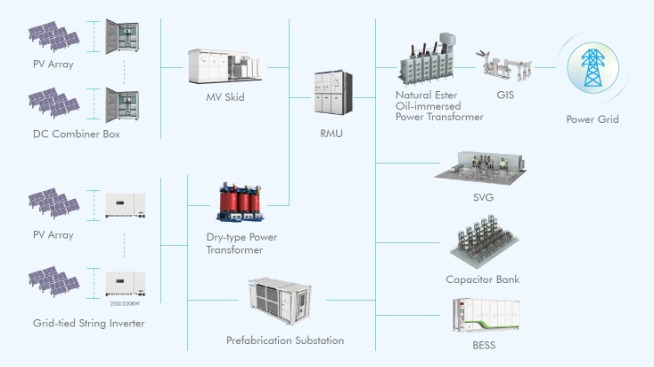
A coordinated automation architecture aligns with SCADA, switching devices, instruments, and protection elements. For example, CHINT is a company that produces automation and monitoring tools. These include CHINT’s reclosers, remote-controlled switches, and distribution automation systems. These components are widely used in utility and industrial networks. Aside from those, CHINT’s instruments and metering platforms complement SACADA by supplying real-time voltage, current, and event data.
Thus, CHINT’s automation solutions allow for better performance for your operation and more urgent monitoring from operators.
Real-World Outcomes of Automated Distribution Systems
When applying automated distribution systems in real-life applications, operators experience benefits that enhance stability and efficiency.
- Reduction in outage duration and footprint, which increases efficiency in the operation.
- Lower operational costs through fewer truck rolls.
- Improved SAIDI and SAIFI due to automated isolation.
- Lastly, enhanced resilience during extreme events when switching is automated.
CHINT’s automation devices support these outcomes because they integrate monitoring, switching, and protection in a unified structure. This allows your operation to be stable even with extreme factors threatening to slow down or halt your processes.
Choosing the Right Distribution Automation Components
When choosing the right distribution automation components, you should create a checklist. This checklist will act as a guide to help you get the best components available for your operation. These are the factors that you have to consider when getting grid automation components.
- Feeder criticality is the method of assessing and ranking power feeders. This is to distinguish the feeders that should be prioritized, their reliability impact in case of failure, and the sensitivity of the load served.
- Next is the existing network topology. This acts as the map of your network, showing all the components in it.
- Then, you should factor in your SCADA maturity. This refers to your operation’s progress in efficiently using SCADA systems.
- Lastly, consider your network’s available visibility.
When you get the correct components, your reclosers, sectionalizers, meters, and SCADA gateways will allow you to have a stable network that easily identifies problems. These components also allow for better automation as they contain faults from spreading to your network. When looking for reliable components for better distribution automation, CHINT offers solutions across all categories.
Conclusion
Distribution automation reinforces network stability improvement when data, automated logic, and field devices work together. Grid automation is not just a future aspiration but is now a practical, scalable toolset. This is exemplified by CHINT as they provide dependable options for grid automation and monitoring. These solutions support operators pursuing stability and resilience in their distribution networks.