

Introduction
Bringing an EV charger home feels exciting, but safety matters first. This guide breaks down EV charger installation in plain language, without the scary jargon.
From wiring basics to everyday habits, we’ll show how home charging can stay simple, predictable, and stress-free, so your car powers up quietly while life keeps moving. No hype, just clear steps you trust.
Start With Your Home’s Electrical Capacity Before Installing a Charger
Before any EV charger goes on the wall, your home’s electrical capacity needs a close look. Level 2 chargers pull more power than most household appliances, which is why they always require a dedicated circuit matched to the charger’s rating.
Many older homes run on 100-amp panels, while newer ones often have 200 amps to work with. Neither is “bad,” but the difference affects how much room you have. An electrician doesn’t guess.
They perform load calculations to see what’s already drawing power, from ovens to air conditioning, and whether daily charging fits safely into the picture.
During this check, the electrician looks at available amperage, open breaker slots, grounding quality, and how wiring can be routed cleanly and safely.
Sometimes everything checks out, and no changes are needed. Other times, a panel upgrade makes sense, especially if your home already runs close to its limit.
There are also smart alternatives. Load-sharing or energy management systems can balance charging with other household demands, avoiding overload without major upgrades. Starting here keeps installation calm, predictable, and safe.
It also helps conversations with installers feel clearer, faster, and grounded in facts, rather than assumptions, today, everywhere.
Preparing for a Safe Home EV Charger Setup
Getting ready for an EV charger is a lot like preparing a workspace. Small choices early make daily use calmer later, and they help home charging feel like part of the routine, not a fragile add-on.
Choose a Smart, Safe Location
The charger should sit where the cable reaches easily, without stretching across walkways or tight corners. A sheltered spot, indoors or under cover, reduces wear from rain, heat, and dust. Ventilation matters too, because electronics last longer when heat can escape naturally.
Follow Core Installation Safety Rules
Basic rules from the installation manual exist to protect people and property. Never install near flammable or explosive materials, even if space feels limited. Proper grounding is essential, not optional.
Extension cords, makeshift adapters, or improvised connections invite overheating and faults. A fixed, rated connection keeps everything steady over time.
Mounting, Weather, and Physical Protection
Mounting height affects both safety and comfort. The unit should be high enough to avoid splashes and bumps, yet reachable without strain. Secure it to a solid surface, not thin panels.
Outdoor setups need weather-rated enclosures built to handle moisture, dust, and changing temperatures without complaint.
Home Electrical Requirements for EV Charging: Load, Protection, and Wiring Considerations
From an electrical standpoint, the system must match the charger’s demands. Typical operation sits around 230V, with tolerance for normal fluctuations, and equipment is designed to run reliably between –20°C and +50°C.
A sealed, dust- and water-resistant enclosure supports flexible placement. Cable sizing matters: 6 mm² conductors are specified to carry the load safely. Properly sized breakers and RCBOs are non-negotiable, since undersized protection can cause tripped circuits or overheating.
Surge protection and grounding complete the safety chain, and this is where coordinated solutions from CHINT help everything work together without guesswork.
Careful preparation now reduces callbacks, confusion, and future costs, while giving installers clear conditions to deliver a clean result.
Residential EV Charging Safety: What To Check Before You Begin Using the Charger
Before you ever plug in for the first time, pause. A few quiet checks decide whether charging feels routine or risky.
Confirm proper earthing is in place and tested. Solid grounding protects against stray current and reduces shock risk before anything else happens.
Verify the voltage rating matches the charger’s specification. Stable supply within range matters, and this is a core part of home electrical requirements for EV charging.
Check that the correct RCBO is installed. A Type A RCBO with 6 mA DC detection helps catch leakage currents before they turn dangerous.
Make sure surge protection is present and positioned correctly. An SPD should sit within two meters upstream of the RCBO to manage sudden voltage spikes.
Review wiring and breaker sizing one last time. Undersized components can overheat quietly, then fail when demand increases.
Confirm connectivity coverage. Installers often test Wi-Fi or Ethernet signal so smart charging features work without frustration later.
Together, these layers protect against overcurrent, leakage, and surge events. More importantly, they remove guesswork for homeowners.
When installers walk through these checks, safety stops feeling abstract. It becomes something you can trust every time the cable clicks in and charging begins at home daily now.
How to Install a Home EV Charger Safely: What the Actual Setup Involves
Installation day is usually quieter than people imagine. No drama, no rushing, just a clear sequence that turns planning into something real on the wall.
Start with a site inspection. The installer confirms location, access, ventilation, and checks nothing has changed since the initial assessment.
Prepare the electrical panel. Breakers, RCBOs, and surge protection are verified or installed before any charger work begins. This step sets the safety baseline for the entire EV charger installation.
Mount the charger bracket. It’s fixed to a solid surface at the correct height, levelled carefully, and checked for long-term stability.
Run and secure the cables. Power cables are routed cleanly, protected from sharp edges, and the cable entry is sealed to keep out moisture and dust.
Make the electrical connections. The AC supply is connected to the L, N, and PE terminals as specified in the user manual, with no shortcuts taken.
Tighten glands and confirm torque. Proper tightening prevents loose connections that could heat up over time.
Power on and test. The installer checks indicators, protection functions, and confirms normal startup before leaving.
This workflow requires consistency. Licensed installers follow these steps because they know where mistakes hide.
Daily Home EV Charger Setup To Make Charging Safe
Daily charging should feel routine, like plugging in a phone, not like running machinery. Once the charger is installed, safety mostly comes from how it’s used, day after day.
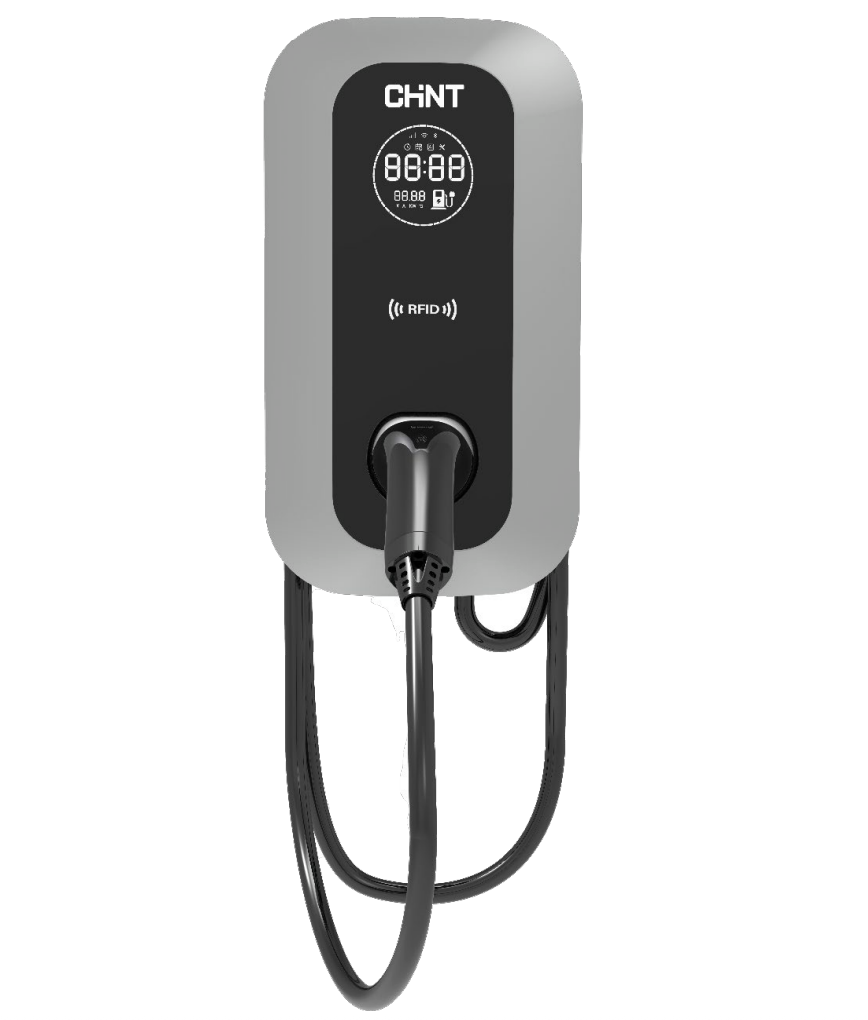
A good example is the CHINT’s EC2A7W, an AC charger designed to guide users through each session without noise or confusion. Plug-and-charge is simple. Connect the cable to the vehicle, wait a moment while the charger runs its self-test, then watch the LED.
Blue means standby. Green blinking signals active charging. Red warns of a fault and tells you to stop and check.
For homes that want extra control, RFID cards can be used to start or stop charging, preventing accidental use. The built-in LCD screen quietly shares what’s happening, showing voltage, current, temperature, and total charging time, so nothing feels hidden.
Daily safety habits matter just as much. Don’t unplug while charging is active. Keep cables lifted and untangled, not dragging across the floor. Avoid sharp bends that strain connectors. Make sure the area stays dry and clear.
Best Practices for Using a Home EV Charger Safely
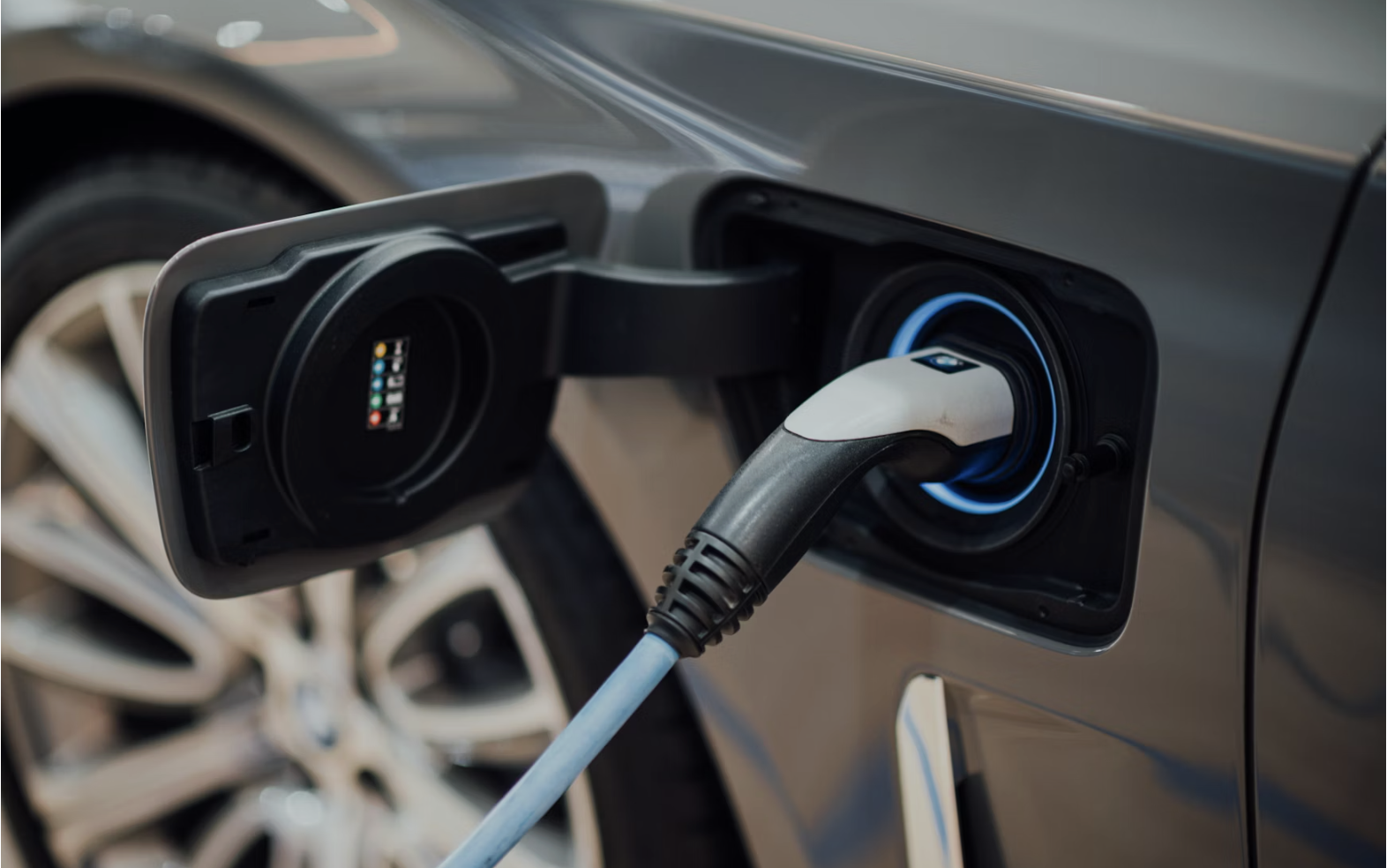
Once the charger becomes part of daily life, safety alters from setup to habits. These small routines don’t take long, but they quietly protect people, vehicles, and the electrical system behind the wall.
Take a moment to inspect the charging cable now and then. Look for cracks, flattening, or stiffness that wasn’t there before.
Check the plug contacts before connecting. Dust, leaves, or grit can interfere with a clean connection and cause heat buildup.
Keep ventilation paths clear. Chargers need space to breathe, especially during longer sessions.
Never use extension cords or improvised adapters. They are not built for continuous load and increase fire risk during home charging.
If your charger or utility supports it, schedule charging during off-peak hours. Lower grid demand often means steadier power and less stress on household circuits.
Make the area a no-play zone. Keep children away from the charger, cables, and connectors at all times.
For outdoor or semi-exposed installations, wipe the unit clean occasionally. After heavy rain, check for trapped moisture or unusual condensation before starting a session.
Troubleshooting Common Home Charging Issues
Even with a good setup, small issues can pop up from time to time. The key is knowing what the charger is trying to tell you before assuming something serious is wrong.
Most modern chargers use clear indicators or codes. For example, a grounding fault often points to an earthing issue. In that case, stop charging and visually check that nothing has changed around the cable or outlet, then call an electrician to test grounding properly.
Leakage current protection alerts can appear after heavy rain or cleaning. Moisture, damaged insulation, or dirt around connectors are common triggers. Dry the area, inspect the cable, and only restart if everything looks normal.
Over- or under-voltage warnings usually come from grid fluctuations, not the charger itself. If the message clears on its own, it’s often safe to continue. If it repeats, report it to your installer or utility.
Sometimes the fix is simple. An emergency stop message may just mean the button was pressed accidentally and needs to be released.
The rule is this: homeowners can do basic visual checks and resets. Anything involving wiring, grounding, or repeated faults belongs to a qualified technician. That boundary keeps home charging safe and prevents mistakes.
Low-Voltage Protection Devices Support a Safe Charging Environment
A safe charging setup doesn’t stop at the charger itself. Protective devices upstream play a quiet but critical role in keeping the entire system safe for people and equipment.
RCBOs, for example, combine overcurrent protection with leakage detection. They catch faults that could otherwise cause electric shocks or fire hazards. MCBs handle short circuits or overloads, preventing wiring from overheating.
Surge protection devices, or SPDs, shield sensitive electronics from sudden voltage spikes caused by lightning or grid fluctuations. Together, these devices form a safety chain that stops problems before they reach the charger, or the car.
The EC2A7W manual highlights how these protections should be installed: an RCBO with the right parameters sits upstream, the SPD is placed within two meters of the RCBO, and proper grounding completes the loop. Following these recommendations ensures the charger operates as designed without unexpected trips or hazards.
Manufacturers like CHINT offer a full range of low-voltage protection devices suitable for home EV setups. These units aren’t part of the charger itself, but they’re essential partners.
When everything, from breaker to cable to charger, is coordinated, home charging becomes predictable, calm, and safe. Skipping or improvising on these protections is what leads to headaches, faults, or worse.
With the right devices in place, the system protects itself so you can focus on using the EV rather than worrying about what’s behind the wall.
Conclusion
Safe home charging starts with smart electrical prep, proper installation, and simple daily habits. Intuitive chargers, with clear indicators, RFID access, and built-in protections, make daily use easy and reliable.
Follow these steps, and homeowners can enjoy EV convenience confidently, knowing their setup is secure, predictable, and built to last.