

Table of Contents |
What is switchgear?
A power surge is well known for wreaking havoc on your electrical infrastructure. Circuits are intended to handle a specific amount of electricity, and when that amount of current is exceeded, the wiring can overheat.
This could cause damage to critical electrical components or possibly cause fires. Electrical overload is a threat to equipment linked to a power supply, and switchgears are meant to protect it. What exactly is switchgear?
Switchgear refers to a wide range of switching devices that all serve the same purpose: controlling, safeguarding, and isolating power systems. This term could be broadened to encompass equipment that regulate and meter a power supply, as well as circuit breakers and other comparable technology.
What is Low Voltage (LV) switchgear?
Users are familiar with Low Voltage Switchgear since they’re the governing mediators among low voltage services and technology and human beings. Whether it’s a popular home database, an isolator, or control centers, they’re all designed to be used by unskilled people, or ordinary people.
The scope of work includes supplying, installing, inspecting, and activating main and sub-distribution panels, switchboards, fusible prevention, including circuit breakers, among other things. The scope of work must include any minor building work required for the installation of the electrical panels and panels.
At least single main LV Switchboard is normally present, which would be fed by such a mains transformer. That biggest transformer that could be used to serve a 400V AF Switchgear board is indeed a 4MVA transformer that could produce up to 6300A and withstand a 100kA current harmonics.
Numerous transformers and/or main LV Switchboards may, nevertheless, be used if diverse power streams are required for robustness. Through a method known as sub-distribution, power is transferred through some of these boards and, if necessary, via sub-boards. Sub-boards are used to carry electricity to or as close to the place of application as possible.
What is Medium Voltage (MV) switchgear?
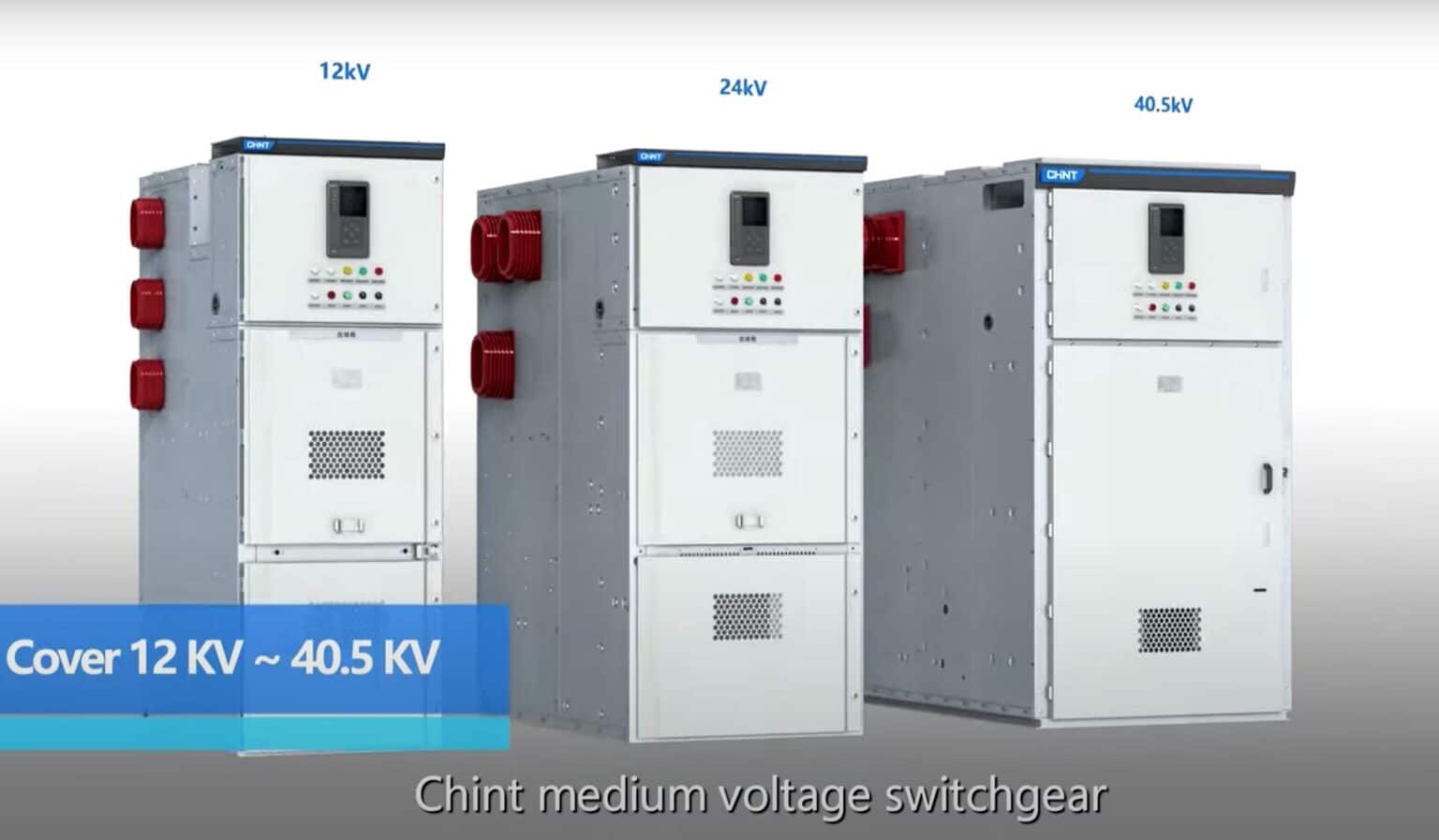
The medium-voltage (MV) switchgears are the subject of this section. Switchboards could be configured in a variety of ways. This is dependent on the needed dependability, fault level, and adaptability.
Voltage level, effective voltage, constant voltage tolerance voltage, or impulse voltage are all parameters for manufactured medium-voltage (MV) switchgear panel.
MV switchgear is classed based on its purpose and insulating method. If used as intended, a switch is a piece of equipment that opens an electric circuit by a mechanical action, halting the flow of electricity without inflicting lasting harm to the equipment. A switch can be a circuit-breaker or a disconnector/isolator.
A disconnector, sometimes known as an isolator, is indeed a device that is meant to physically open an electric circuit under normal operation. A circuit breaker (CB) is a device that opens an electric circuit in the event of an overcurrent or a failure. This normally happens when a protective relay sends out a trip signal.
What is High Voltage (HV) switchgear?
Electrical circuit reduce exposure such as high-voltage switchgear safeguards, controls, and isolates electrical devices. A switchgear line-up or assembly consists of a collection of another of such structures, with the electrical components enclosed in metal enclosures.
Because PRV Engineering specializes in high-voltage switchgear, rail products, and the oil and gas industry, here’s a quick rundown about what it involves but how it works.
High voltage switchgear is indeed a power system that deals with voltages more than 36 kV. The arcing created during switching operation is likewise very high due to the high voltage level. As a result, more caution should be exercised while constructing high-voltage switchgear.
Because the high voltage circuit breaker (CB) is the most essential element of HV switchgear, it must have particular properties for safe and dependable operation. Defective high-voltage circuit breaking and switching are extremely infrequent. Such circuit breakers are frequently left in the ON position and can be used after a lengthy period of time.
As a result, CBs must be dependable enough to assure safe operation when needed. In the last 15 years, high-voltage circuit breaker technology has evolved dramatically. For high voltage switchgear, minimum oil circuit breakers (MOCB), air blast circuit breakers, and SF6 circuit breakers are commonly utilized.
Where LV/MV applications are used?
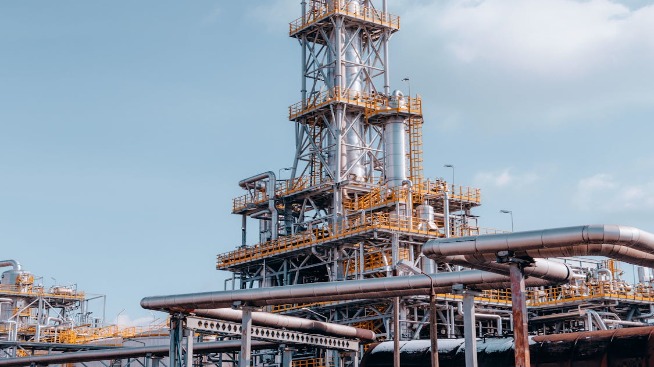
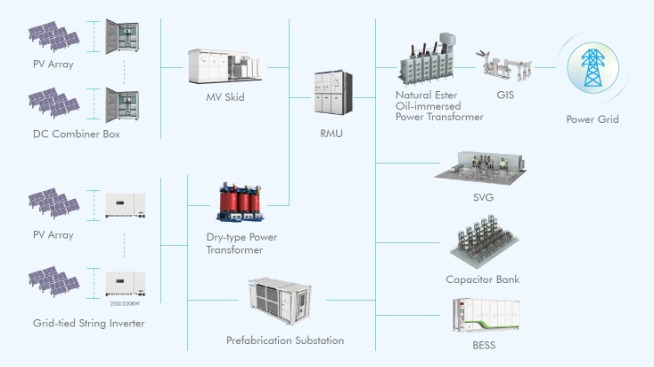
Switchgears can be used in a variety of applications, including the following: Overloading and surge prevention are critical in industrial power distribution in factories and facilities. The switchgear aids in the organization and distribution of power in the industrial unit’s machines.
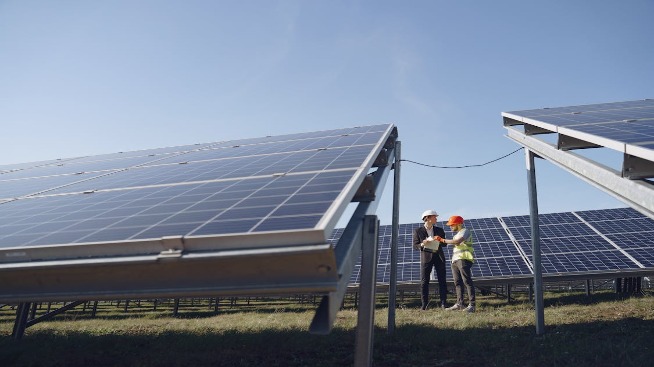
Surge control voltage regulation is required in solar energy systems because it controls the electricity to flow from the main unit. Energy plants — Principal and sub-power transmission units with a variety of electrical interconnections that require protection. Residential power distribution – Switchgears can be found in housing developments or in locations where steel and metal-clad switchgear are used.
Electricity is a necessary aspect of life in general. As a result, electricity distribution must be done in a reliable and confidential manner. The installation of safety mechanisms and equipment at various distribution units and substations can help to maintain security levels.
Despite the fact that a variety of methods can assist protect electrical connections in both industrial and residential settings, switchgear is preferred due to its characteristics and purposes.
CHINT MV/LV switchgear
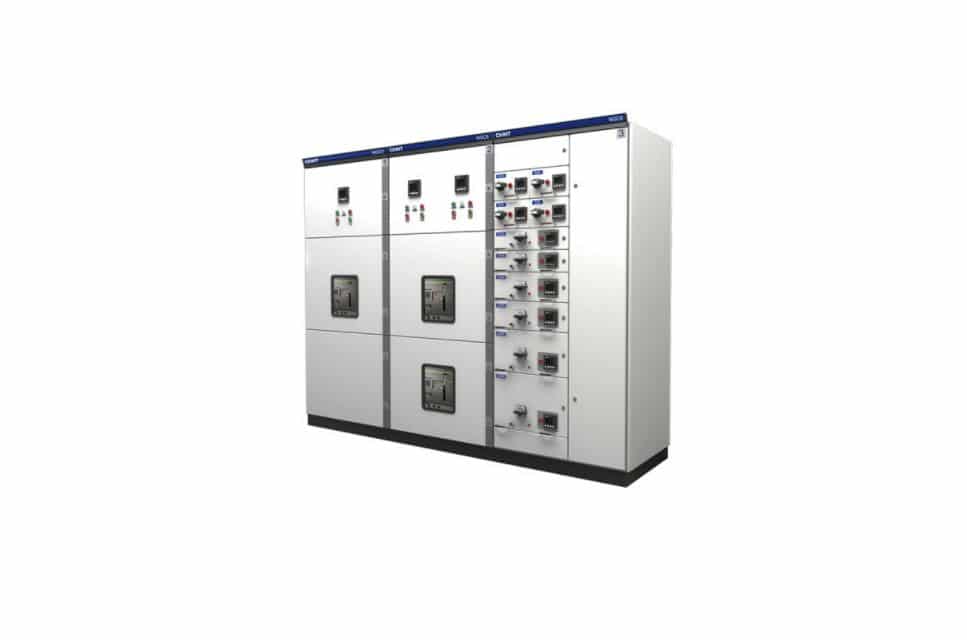
NGC8 low-voltage switchgear panel
Inside a power system, it is utilized for circuit control, protection, monitoring, and power distribution. IEC 61439-1/2 is the standard for it. The switchgear features a 1000V rated insulating voltage and a 690V rated operational voltage.
A rated current of up to 6300A, a strong impact resistance, and a high protection level are among the other features. It also has a circuit layout that is efficient for distribution.
A single standard panel with 48 circuits can be placed. The NJZ3.0D intelligent power monitoring system, which is used in this type of switchgear, is another characteristic. It does not require any maintenance.
It also has a high level of safety protection; the enclosure’s protection level can reach IP54. The raw material is free of CFCs and halogens, making it environmentally safe. Preventing the manufacture of Modular design as well as flexible assembly is a major focus of structural design and material selection.
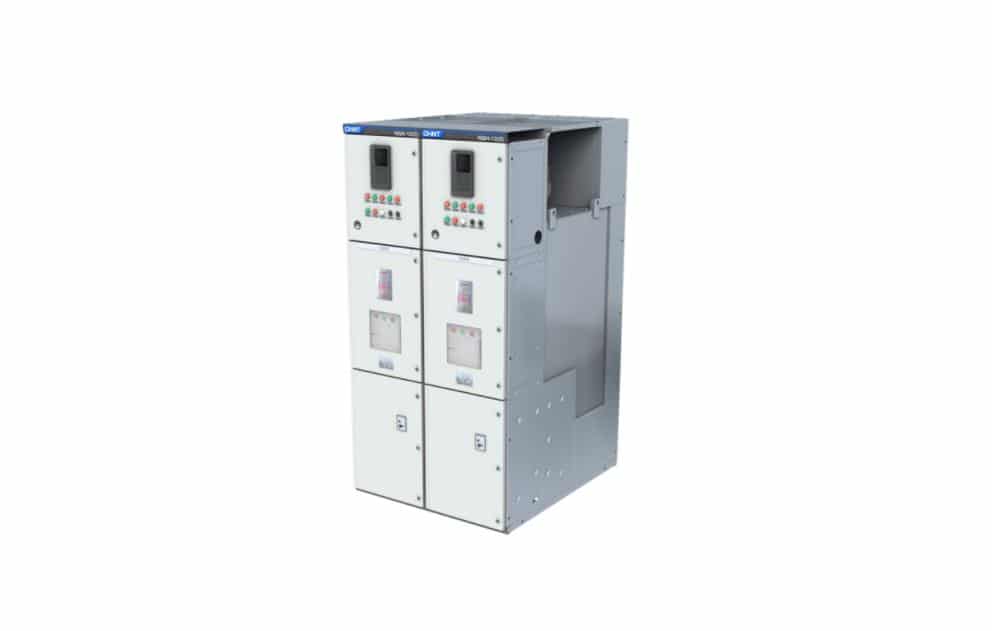
KYN28A-12(Z) Metalclad AC enclosed switchgear, withdrawable type
It is used for regulation, security, and surveillance in 3.612kV power systems. In the switchgear board, VCBs made by CHINT or VCBs made by other manufacturers could be installed. IEC 62271-200 is the standard for it. It has a voltage rating of 3.6-12kV and a current rating of 630-5000A.
It’s short-circuit breaking current is rated at 16-50 amps. Compact size, simple operation and installation, as well as reliable interlock and low maintenance are some of the other features.
Conclusion
As a result, that is all about a switchgear summary. This is an important component in modern power systems to safeguard devices from overcharge or short circuits. HV (high voltage) and LV (low voltage) are the two basic categories (low voltage). HV type is used to power motors and electrical equipment that operate on more than 1000 volts AC, whereas LV type is used to power electrical devices running on less than 1,000 volts AC.