


Table of Contents |
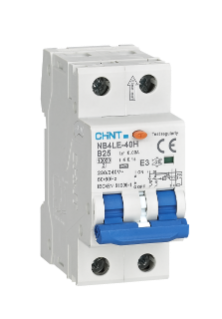
Arc fault breakers, or Arc-fault circuit interrupters (AFCIs), are special safety devices designed to detect, respond, and guard against faulty connections causing arcing or sparking. An AFCI breaker is required in all new construction, as it offers superior safety compared to standard breakers.
Unfortunately, they are highly susceptible to tripping, which can be annoying and inconvenient. Let’s look at some of the most common causes of arc fault breaker tripping.
Why Would an Arc Fault Breaker Keep Tripping?
Unlike other circuit breakers, arc fault breakers use sensors to detect slow electrical leaks that can easily create high-intensity heating, resulting in fire. As with any electrical device, there are several possible causes of malfunction, including appliance incompatibility, overloaded circuits, poor connections, dampness or mold, age and wear, broken insulation, or a damaged AFCI breaker.
Common Arc Fault Circuit Breakers Problems:
Appliances and device incompatibility
This is perhaps one of the most common problems for arc fault breaker tripping. Microwaves, heaters, power tools, treadmills, or even fluorescent lighting may produce mechanical arc patterns that the AFCI breaker detects as dangerous arcs leading to trips.
Overloaded circuits
An overload trip is caused by a circuit carrying more current than it was designed to handle. This is especially common when large electrical devices are placed onto a circuit with too little power. Like other circuit breakers, the AFCI will trip when the current loads require more power than the circuit can handle.
Poor connections
Loose wires, damaged insulation, or exposed conductors can allow a high amount of current to flow through the circuit and cause a tripping arc fault breaker. Additionally, if the wires are not correctly hooked up to the AFCI breaker, the internal sensors will not be able to detect the appropriate arc patterns and falsely trip. Poor breaker connection can also cause overheating, triggering it to trip.
Dampness or mold
Moisture can cause a short circuit in the AFCI breaker and lead to tripping.
Age and wear
As wires age, they become increasingly vulnerable to failure due to corrosion or deterioration. Old wiring can become brittle and crack, causing a voltage leak that can trip an arc fault breaker. Over time, this can create an electric arc that triggers the AFCI breaker to trip.
Broken insulation
When insulation on the circuit is compromised by either a rodent or other physical damage, arc fault breakers will trip.
Damaged arc fault breaker
Although not very common, it is also possible for the AFCI breaker to get damaged from multiple resetting and circuit overloads, resulting in a false trip. An outdated breaker may also not operate properly, leading to regular nuisance tripping.
The best way to ensure the safety of your home is to repair any visible wiring issues, replace aged components, and clean corroded contacts that may easily lead to an arc fault breaker malfunction. Having a certified electrician inspect your wiring and AFCI breaker will also provide much-needed peace of mind, as they can easily identify the root cause of arc fault breaker tripping.

How Do You Stop an Arc Fault Breaker from Tripping?
While it’s possible that most of the tripping in your arc fault breakers is a nuisance and not an emergency, it’s still essential to identify the cause and take action. If left unchecked, arc fault circuit breaker problems can quickly escalate, leading to appliance damage, electrical shocks, and even fire.
So, how do you stop an arc fault breaker from tripping?
- Identify the possible causes of your AFCI breaker trips. When does the breaker trip? Is the arc fault breaker tripping when the microwave is turned on or when a hairdryer is plugged in? When you press the reset button, does it immediately trip again or remain on for a period of time? This can help narrow down the potential culprits.
- Make repairs to fix the cause of the arc fault, such as replacing damaged wiring or tightening loose connections.
- Ensure that the electrical load on the circuit is within the breaker’s capacity.
- Have a licensed electrician inspect the electrical system to ensure that it is safe and free of any defects.
How to Troubleshoot Arc Fault Circuit Breakers Problems
You can identify the cause of your arc fault breaker trips by using a few troubleshooting methods.
Unplug everything in the circuit
Device incompatibility is perhaps the leading cause of AFCI breaker tripping. Try unplugging everything from the protected receptacles, turning off all lights, and seeing if the breaker still trips after resetting. If it doesn’t trip, the issue is likely caused by a faulty appliance, overloading, or poor connections.
Connect and turn ON one device at a time
This helps you determine which device, appliance, outlet, or lighting fixture is tripping the AFCI. Check the last device that caused the tripping for arcing, insulation problems, shorted or pinched wires, etc.
Check for loose connections and damaged wires
Loose wiring is another common cause of AFCI breaker tripping. Inspect all the connections and wires within the circuit to ensure that there is no visible damage. Cables running under carpets and furniture may get pinched and damaged, compromising their insulation.
Replace any outdated or faulty AFCI breakers
If the breaker still trips after inspecting the wiring, then it may be time to replace the breaker. Over time, AFCI breakers can become damaged or worn out. Replacing it with a newer, more advanced breaker may help solve the issue. But before you replace it, ensure that the arc fault breaker is properly connected and the circuit is not overloaded.
Put less strain on the circuit
Avoid using too many appliances or devices at once, as this may exceed the breaker’s capacity. High-power appliances like vacuum cleaners, warmers, hairdryers, etc., should not be plugged in instantaneously. Try spreading out their usage to prevent the AFCI breaker from tripping.
Related Article: How Arc Fault Circuit Breakers Protect Your Family and Property
Conclusion
Arc Fault Circuit Interrupters are an essential safety feature for homes and businesses. They help protect against electrical shock, fire hazards, and other electrical problems. If your arc fault breaker is constantly tripping, it is important to identify and solve the issue as soon as possible. Unplug all appliances and switch off all lights and fixtures, inspect the wiring, and repair any loose connections or damaged wires.
If arc fault breaker tripping persists, your breaker may be outdated or faulty and need replacing. Chint Global offers high-quality, advanced AFCI breakers to keep your home or business safe. Browse our website to learn more about our products and find an AFCI solution that fits your needs.
If you have any questions or need further assistance, don't hesitate to reach out to us.