

Table of Contents |
Power quality—the stability and purity of grid power—is vital for electrical system dependability and efficiency. Poor power quality management may cause energy losses, equipment failures, and grid instability. Power quality is affected by harmonic distortions, voltage variations, and transient disturbances. Variability from renewable energy sources may worsen power quality issues if not handled. Thus, tackling these elements helps lower grid damage from low power quality.
Top 4 Power Quality Issues
Issue 1: Power Factor Problems
Power factor measures how efficiently electrical power is turned into productive work output. Lower power factors mean greater utility bills. Inductive loads like motors and transformers need reactive power for magnetization but do not function, causing this inefficiency. Correcting power factor using capacitors helps save energy expenses and distribution system losses. Power factor issues must be fixed in energy-intensive sectors to optimize energy use and conserve costs.
Issue 2: Harmonics
Non-linear loads, including variable-frequency drives, compact fluorescent lamps, and computers, produce harmonics in power systems. It may cause electrical equipment overheating, power system losses, and sensitive electronic device malfunctions. Harmonic distortion may also cause circuit breakers to trip and transformers to overheat due to inefficiencies and premature failure.
Issue 3: Voltage Fluctuations
Intermittent loads or imbalanced systems may cause voltage fluctuations. This power quality issue may cause flickering lights and harm voltage-sensitive equipment, including CNC machines and lab instruments. Industries with huge electrical motors that start and stop often may see higher volatility.
Issue 4: Transient Overvoltages
Transient overvoltages, may surpass a system’s usual operating voltage. These may be triggered by lightning, switching, or fault clearing. Transients may erode insulation and cause catastrophic failures in electronic devices. Surge protection devices are a typical mitigation method for sensitive equipment while diverting excess voltage from key components. Transient overvoltages must be coped with in data centers to maintain server and storage system fidelity.
Power Quality Solutions
Power quality issues need inimitable remedies, including filters and power factor enhancement. Passive, active, and hybrid filters decrease harmonic distortions and electromagnetic interference while rendering power supplies cleaner. For instance, passive filters for specific harmonic frequencies work well in situations with balanced load profiles. On the other hand, active filters respond proactively to variable harmonic levels, which makes them adaptable.
Capacitive, inductive, or synchronous compensators boost power factor and cut reactive power load for better energy efficiency. Capacitive banks are used for constant load circumstances. Meanwhile, synchronous compensators compensate for changeable demand. These solutions protect the electrical infrastructure against power quality deterioration for better system efficiency.
Industry Mainstream Solutions: Reactive Power Compensation
Fixed Capacitor Bank Solution
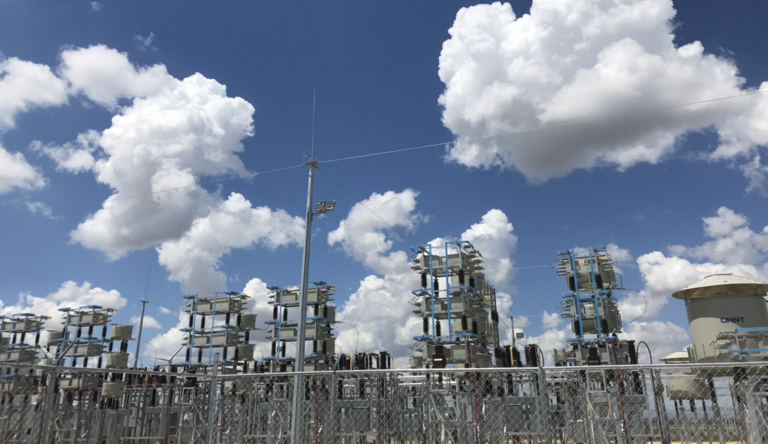
Fixed capacitor banks increase the power factor with reactive power to the system. It softens power quality issues of inductive loads. They offer no flexibility to shifting load conditions and are less effective in active power systems.
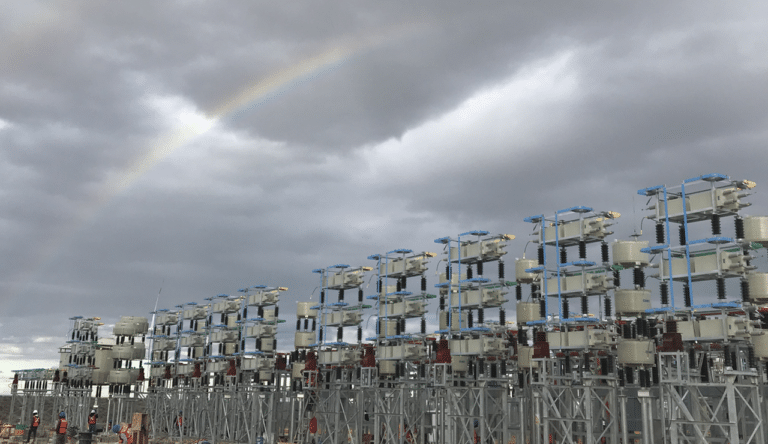
SVC (Static Var Compensator) Solution
SVCs actively adjust the reactive power flow to strengthen system stability and responsiveness to changeable demand. Their harmonic distortion can limit performance, which needs surplus filtering measures.
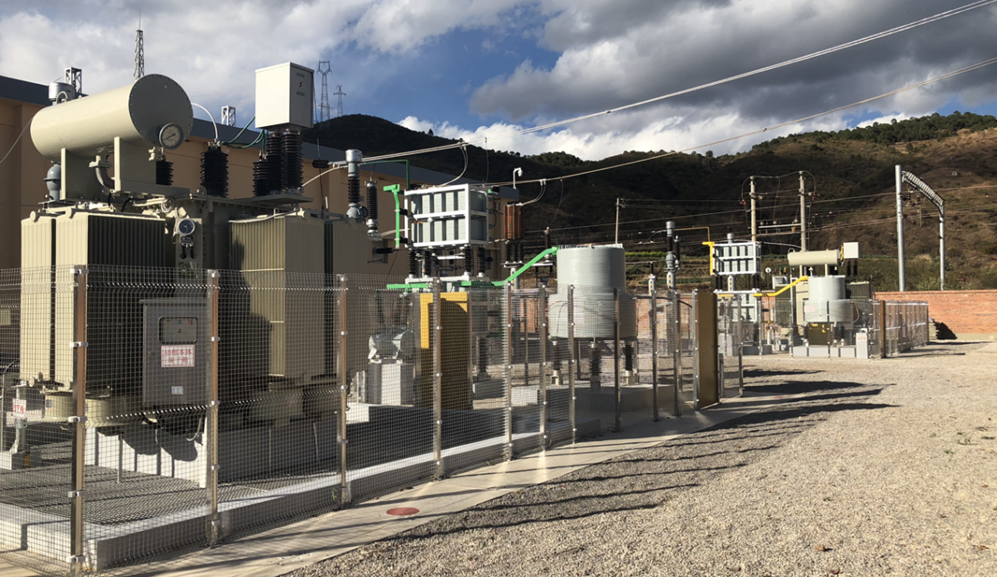
STATCOM (Static Synchronous Compensator) Solution
STATCOMs use voltage source converters to better manage voltage and respond quicker to reactive power needs. Their cost and complexity may prevent broad adoption in cost-sensitive applications.
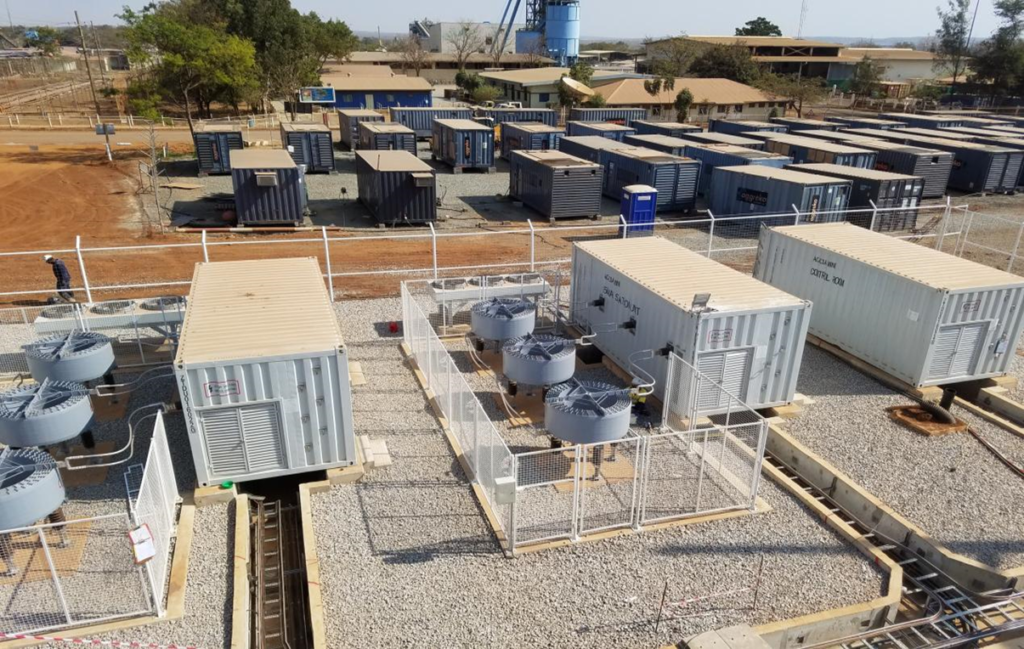
CHINT's Power Quality Solutions
CHINT offers a comprehensive range of power quality solutions, which are designed to address specific power management needs and optimize energy utilization across various applications.
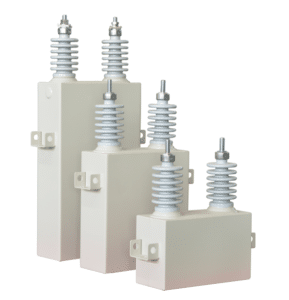
High-Voltage Capacitors
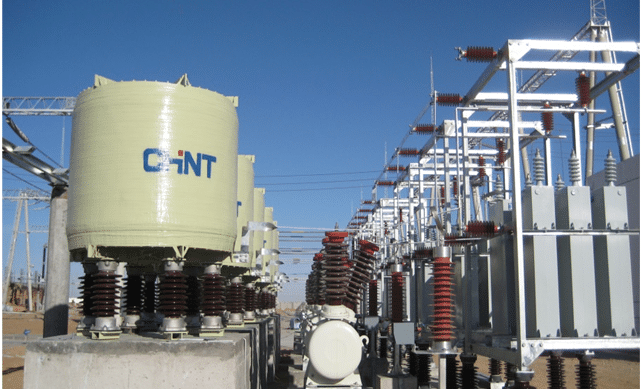
CHINT’s high-voltage capacitor units are tailored to diverse voltage and capacity needs. These capacitors are designed to enhance power factor efficiency and mitigate reactive power loads across various applications.
Capacitor Complete Installation
CHINT’s capacitor complete installations come in three types, each with unique features and applications:
TBB Type: Characterized by a simple structure and high cost-effectiveness, suitable for both indoor and outdoor installations. It offers flexibility in selecting a series reactor with a reactance rate ranging from 0.1% to 13%.
TBBF Type: Features a simple structure and high cost-effectiveness, ideal for indoor installations with an IP4X protection level. It allows for the installation of a maximum of eight groups of capacitors.
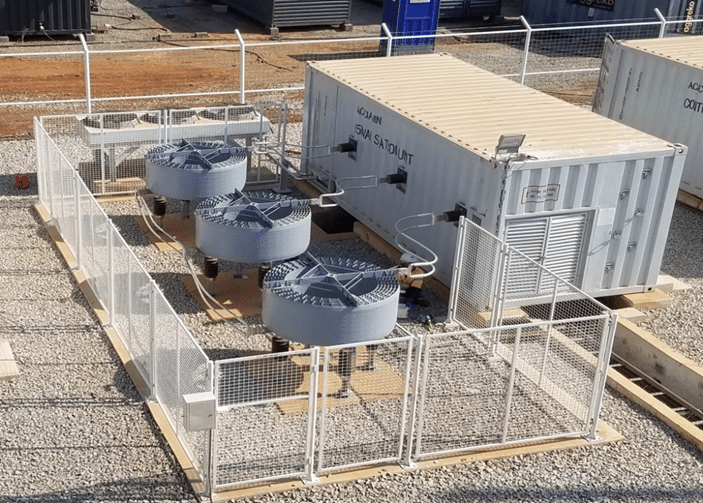
TBBX Type: Installed in a special container, certified by classification societies, and suitable for outdoor environments up to an altitude of 4,000 meters. It can accommodate up to six groups of capacitors, facilitating easy hoisting and transportation.
Static Var Generators (SVG)
CHINT’s Static Var Generators (SVG) provide rapid and continuous reactive power support, enabling swift adjustment of power factor and minimizing system losses. These generators are instrumental in enhancing system stability and reliability, ensuring seamless operation across various industrial and commercial settings.
Conclusion
Power quality issues must be resolved for electrical system stability and effectiveness. First, fixing power quality problems reduces energy losses, equipment disappointments, and grid instability. Furthermore, it also keeps sensitive equipment running effortlessly to avert expensive breaks and upkeep. While increasing the power factor and decreasing reactive power load, power quality may curtail electricity expenditures. Consequently, proactive power quality management protects infrastructure and optimizes energy utilization for electrical system maintenance.