


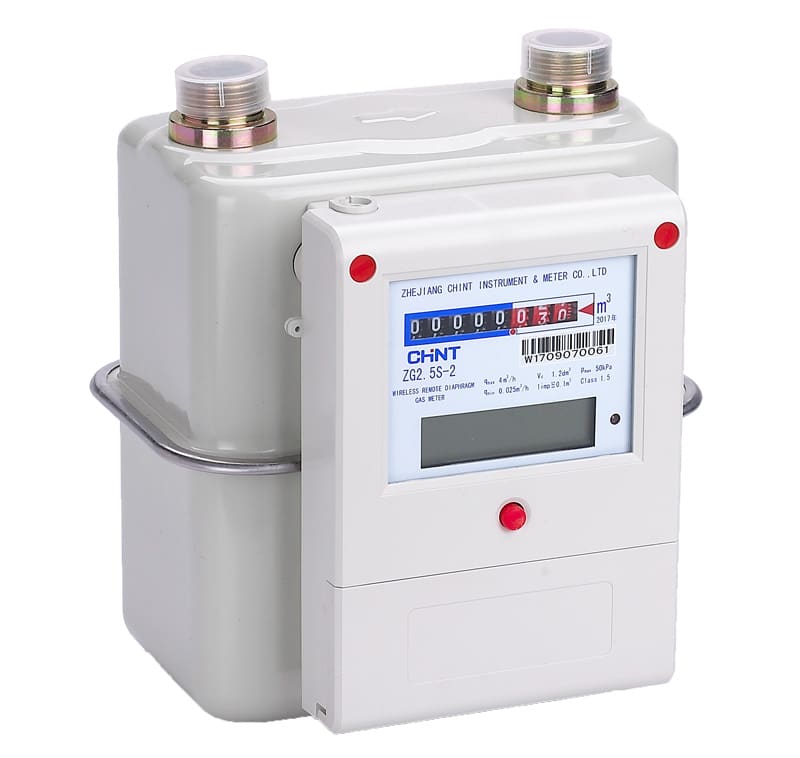
The gas meter measures the gas amount your home consumes. It is essential to know a few things about your gas meter when monitoring your gas usage or in case of an emergency. Gas meters manufactured by CHINT come with an easy-to-use system if you are new to gas meter reading, among other things. Safety is paramount when using this device, for instance, ensuring it comes with a gas meter cover to avoid damage. Below is an intensive guide to understanding your gas meter.
How Does A Gas Meter Work?
A gas meter is driven by the force of the pipe’s moving gas and turns faster as the flow increases. To understand how gas meters work, you should classify them into two
- Positive displacement meters
- Flowmeters
Displacement meters measure volume directly via periodic emptying and filling of one or more measurement chambers. The most common positive displacement meters include rotary displacement meters and diaphragm gas meters .
Conversely, flow meters measure volume indirectly. The meters utilize flow principles and natural laws for the incoming gas’ effect. The most common flow meters are turbine meters.
How Do You Read a Gas Meter?
Reading a gas meter is a little technical for some people. However, there are basic steps you could follow to give you an upper hand. When reading a gas meter, you should know the two types of meters, a dial meter and a rolling digit meter.
Reading a digital meter is almost as easy as reading a text on your phone since you are reading it from the left to the right as you would ordinarily do.
On the other hand, reading a dial gas meter can be extremely challenging since there are about four or five dials running clockwise and anticlockwise. Below are broken down steps for reading a natural gas meter with dials;
- Read the dials with numbers only as you would do from left to right.
- Record the number each single hand points to. If the hand lands between two numbers, choose and use the smaller number. If the hand is between “9” and “0”, “9” is mostly considered as the lower number. When the hand appears as though it is directly on the number, check the dial to the right. If it has passed “0”, use the number that the hand lies on. If the right-hand dial has not passed “0”, use the number less than what the hand is on.
- Ensure you keep the current reading. Then read the meter a month later. The difference between the current and the next monthly reading is the exact energy you used in that month.
- 4. Keep in mind that the numbers slightly differ from those on your bill unless you read the meter simultaneously with your meter reader.
How to Increase Gas Pressure
Natural gas regulators tend to require regular adjustments due to system changes or inappropriate adjustments by service personnel. As a result, the pilot light may go off, and the appliance flames might not burn properly or might be slow to ignite. It will lead to a chain reaction that may affect the operation of other appliances.
An incorrect pressure setting mostly causes these challenges, and the primary regulator can be adjusted to check if pressure change resolves the issue.
Below are steps to regulate the pressure at the gas flow meter manually.
- Locate the primary natural gas regulator. Avoid touching the outside regulator since it is a property of the gas company. The adjustable regulators are found close to the gas’s entry point into the house and after the gas meter. It is the one usually owned by the homeowner.
- Attach the pressure gauge to the regulator’s outlet tap. Shut off the gas and read the pressure. Then turn on the various appliances and read the pressure for each of them. Check if the pressure remains constant. If the pressure varies for a particular appliance or combination of appliances, adjust the pressure to solve the issue.
- Pull off the regulator cap. Turning the adjusting screw from left to right will elevate the outlet pressure. The direction is usually marked on the regulator.
- Slightly turn the screw to make a small pressure increase adjustment as visible on the pressure gauge. Recreate the appliance configuration which had the largest pressure variations and check for improvement. Make more necessary adjustments to ensure reasonably constant pressure.
- Turn off the gas. Withdraw the pressure gauge.
- Switch the gas back on.
- Finally, restore the protective cap.

How to Keep Your Gas Meter Safe and Clear of Ice and Snow
Snow and ice are usually a challenge, especially if they build-up on your natural gas meter and external appliance vents. This build-up is usually dangerous and tends to interfere with the natural gas flow to and from your gas meter.
The build-up can also overwhelm your gas meter cover, making it hard for a gas meter reading. Your exhaust vents should always be clear of ice and snow to avoid a carbon monoxide build-up, one of the most dangerous gases.
Below are practical tips to help keep your gas meter clear of ice and snow;
- Remove the snow and ice gently from the gas meter, any associating vent or piping, preferably using a brush
- Do not use a snow blower around a meter
- Shovel around the meter carefully and move snow away from it
- Keep a clear path to your gas meter to allow quick emergency access.
It would be best if you always were on the lookout, especially during winter. Always check if any unwarranted particles have blocked the gas meter’s regulator vent.
Summary
Having a gas meter saves you a lot. It also saves you a lot more if you take care of your gas meter. Also, give it an occasional inspection to ensure it is functioning normally. If yours does not have a gas meter cover, ensure you get it fixed. You could also replace the entire system with a quality CHINT gas meter, tested and proven above all other gas meter brands.
Always keep an expert close in case you don’t know how to handle a gas meter. An expert is also trained at sophisticated gas meter reading and will provide you with more insight on your gas meter. Finally, understanding your gas meter is the initial key to avoiding accidents and having a smooth experience.