

Table of Contents |
Dry type transformers have been in use since the 1960s and are still the most popular type of power transformer made. Their popularity is due to their simplicity, efficiency, and low cost of production.
These are very reliable devices that can last for decades with minimal maintenance if properly installed. This guide will be an in-depth article about dry type transformers that will address dry type transformer maintenance and care.
What is Dry Type Transformer?
Dry type transformers are a type of electrical transformer that uses air as the dielectric medium between its windings and the core.
Dry transformers have windings and a core that are sealed in an air-filled tank rather than immersed in liquid. Unlike oil-filled transformers, dry transformers are not prone to damage from short circuits, vibrations, or temperature changes. They also do not require large amounts of maintenance.
Dry transformers are used where there is no risk of electrical short circuits or hazardous voltages present. One common application for dry transformers is in residential installations where the transformer itself is in an indoor location but the wiring it serves may be outside or exposed to the elements. If you live in an area where there is a risk of lightning strikes or flooding, then a dry transformer may be more appropriate than an oil-filled version.
Types of Dry Type Transformers
Cast Resin
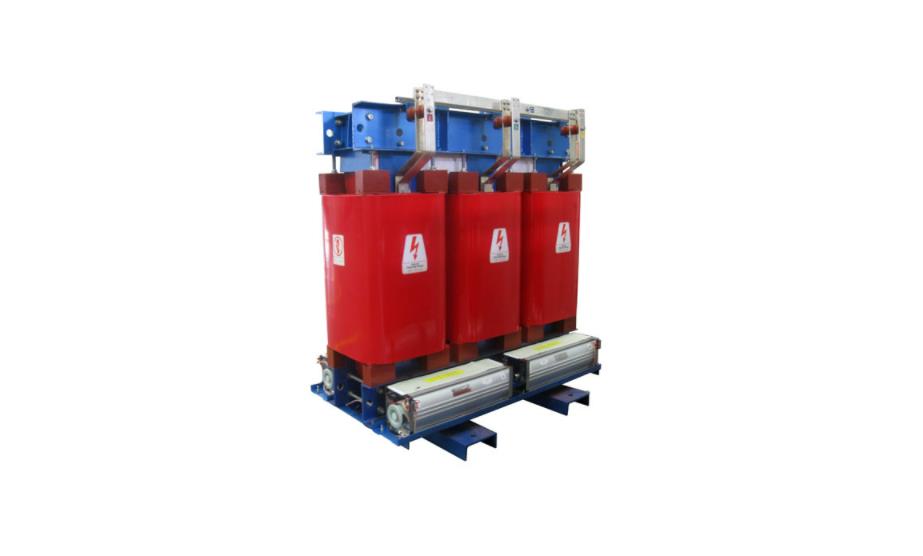
Also known as CRTs, these transformers are encapsulated in epoxy resin and can be used in high-moisture environments. This is done in order to prevent moisture from penetrating the windings, which would affect the transformer’s performance.
Encapsulation with cast resin makes these transformers non-hygroscopic, so they can operate reliably in high-moisture areas.
Vacuum Pressure Impregnated Transformer
Vacuum Pressure Impregnated Transformer operates at high voltage and has minimum flammable insulation that is made of foils and strips. To handle higher voltages, the winding is made of disks connected in series or parallel.
The insulation is made of class-H polyester resin, which makes it moisture-resistant and impermeable to moisture.
Dry-Type Transformer Maintenance Checklist
Checking for Dust Accumulation
When you clean a transformer, be on the look out for rust on the clamps and core steel, carbonization or tracking on the windings and insulation, discoloration on surfaces that could be a sign of overheating, and loose connections. If possible and or if there are any, tighten any hardware component that seems loose. If you don’t feel confident enough, seeking professional help for this is another option.
While the Transformer is Energized
To ensure safety, do not perform any maintenance on the transformer while electricity is flowing through it. Remove anything in the area that can block the airflow.
To clean off accumulated dust and dirt, de-energize the unit before proceeding with these tasks. Make sure to have the transformer in a dry, clean space in order to prevent more frequent maintenance, having it in the proper place will merit an annual maintenance check.
You should also listen if the transformer is making any odd sounds, these could mean there is some sort of mechanical issue with your transformer.
While the Transformer is Deenergized
Clean off first dust or debris that can be found in the cooling fans and windings, you can use a vacuum or a can of compressed air to clean the. A combination of the two with the vacuum first and then the compressed air will get the job done.
Secure all hardware and replace any parts that need to be replaced.
Removing dust from the fan blades or transformer windings will call for a filter. These filters protect the inner component and can help prolong its lifespan.
Tests to Conduct for Routine Maintenance
Transformer Turns Ratio Test
This test is only done if there are possible electrical issues with the unit.
For example, if you notice discoloration during your inspection, electrical issues might be responsible. This can be a sign of thermal tracking resistance (TTR), which is a test that should be performed only by professionals with the latest testing equipment.
Dielectric Absorption Test
To conduct a dielectric absorption test, measure from winding to winding and from winding to ground for 10 minutes. Divide the measurements by 10 minutes and 1 minute; this is called the Polarization Index (PI) ratio. To be acceptable, the PI should be greater than 2.0.
CHINT Dry Type Transformers
Epoxy Resin Cast Dry
This CRT has 10kV-35kV voltage and has a lot of great features such as Low-Temperature rise, minimal noise production, high-moisture proof capacity, and high security and reliability.
This is a great choice for large industrial facilities that need efficient power distribution.
Amorphous Alloy Core Dry
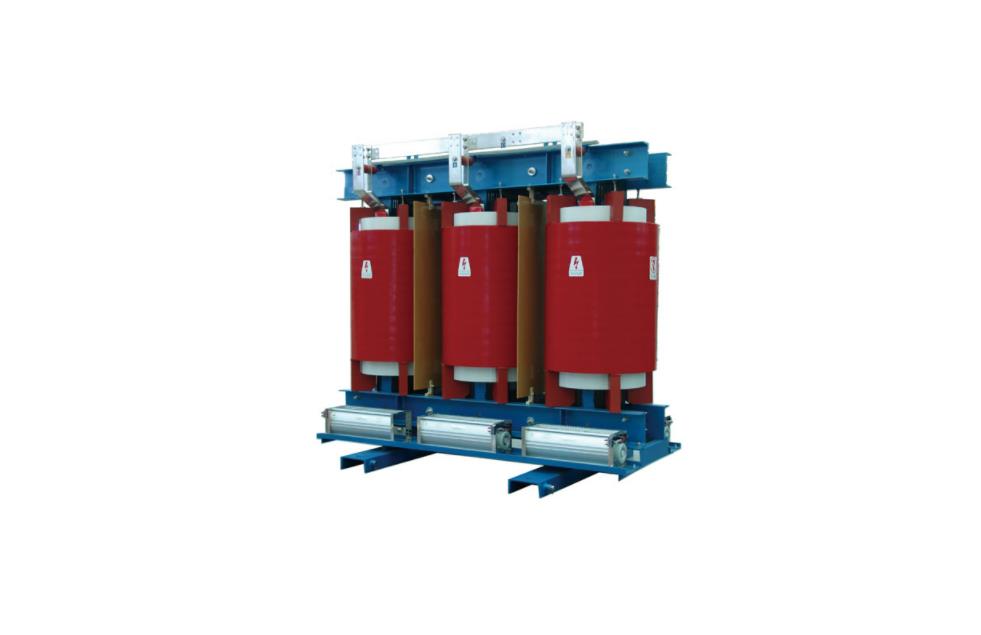
Rated at 10kV-35kV capacity and 10kV HV rated voltage, it also features good thermal and moisture performance, high resistance to short circuits, low noise production, and compact and small size.
This transformer is great for commercial and high-traffic areas such as malls, airports, train stations, and even resource processing centers such as oil platforms. Making it very suitable for highly flammable and explosive locations.
Conclusion
Dry type transformers are a corner piece in many of the industries that make our everyday lives easier. But with such great capacity for a piece of machinery comes some simple and basic steps in order to make sure they are well maintained and far from possibly causing accidents.
Dry Type transformers specifically are a safer and more reliable type of transformer which is why it would be best to seek out professional help when it comes to their maintenance to assure that the machine is getting the needed work done.
In order to get the best out of your dry type transformer its best to start early and invest in the right one such as those available at CHINT, our Amorphous Alloy Core Dry-type Transformer and Epoxy Resin Cast Dry type Transformer are great choices if you want to get the most out of your investment.