

Table of Contents |
Nowadays, the most common types of switchgear used in substations are Air Insulated Switchgear (AIS) and Gas Insulated Switchgear (GIS). While AIS uses air as insulation, GIS uses SF₆ gas in a sealed environment. They each offer unique benefits more suited to different applications. In this article, we assess the primary difference between AIS and GIS substations for five critical aspects.
Construction
The basic difference between AIS substation and GIS substation is the type of construction and medium of insulation involved.
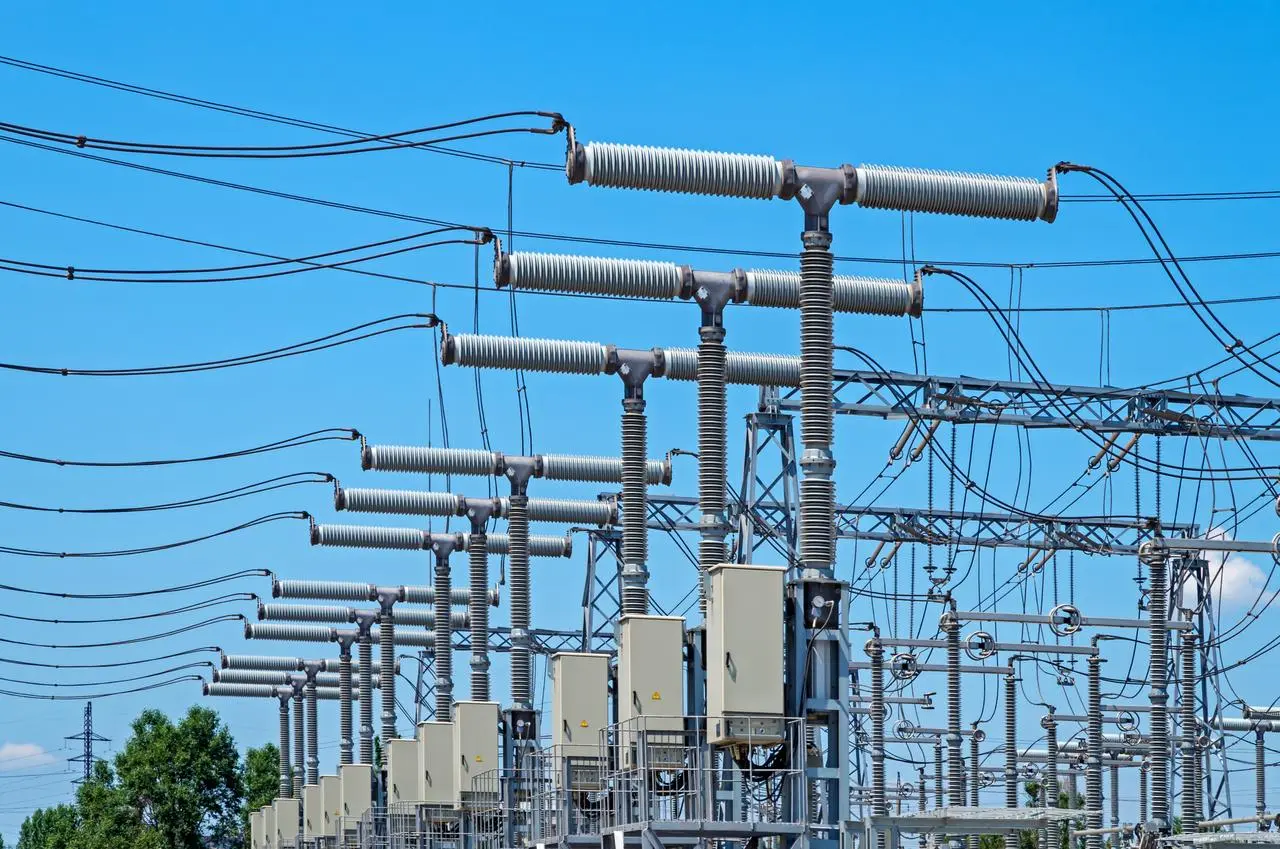
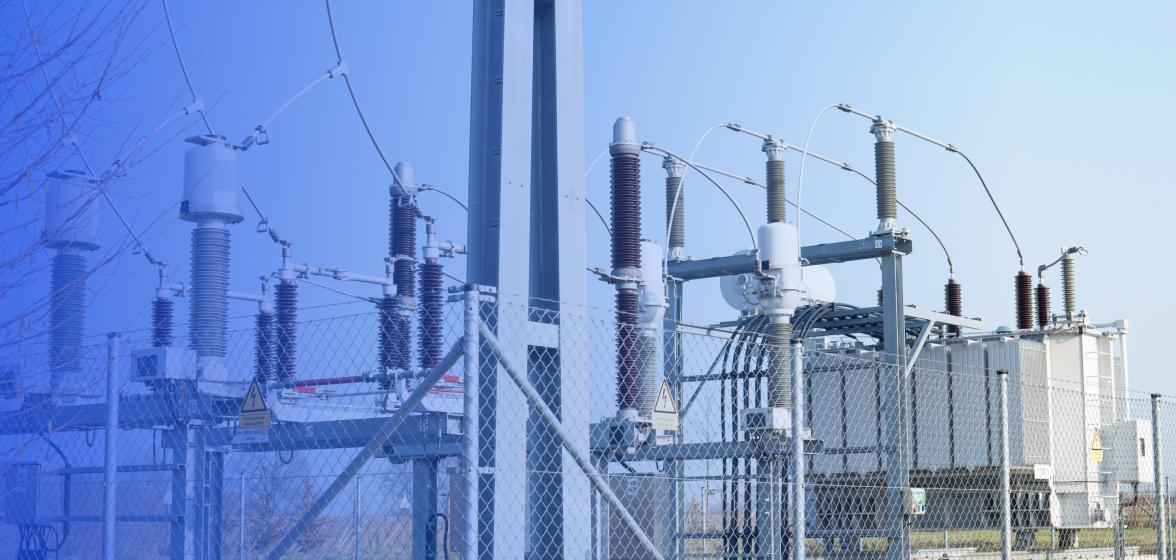
- AIS Construction: AIS uses air as the insulating medium, which exposes the electrical portions of the equipment to the surrounding environment. This typically consists of circuit breakers, disconnectors, transformers and other equipment, mounted on steel or concrete structures.
- GIS Construction: SF₆ gas is used in GIS (Gas Insulated Switchgear) for the insulation and protection of the electrical component in a fully enclosed metal structure due to its superb dielectric properties. The bushings are potted, and the busbars, circuit breakers, and disconnectors are placed in metal-clad compartments.
Because the GIS uses a completely sealed design, it provides better protection against pollution by electromagnetic interference than AIS, which is less safety than GIS and subject to ambient conditions in the installation environment, so maintenance is required more frequently.
Footprint & Suitable Environments
The second difference between AIS substaitons and GIS substaitons is in their spatial requirements and adaptability to various environments.
Space Requirement
With its compact design, GIS requires significantly less space compared to other systems, making it especially suitable for urban environments, industrial facilities, and underground substations where space is at a premium. Tunnels, offshore platforms, and crowded areas are also very suitable for effective installation of GIS. AIS requires a lot of space compared to GIS because air insulation distance is required between two points. Better suited for rural or suburban areas where there is more land.
Suitable Environments
GIS is notably resilient in harsh environments, such as coastal, desert, and high-humidity regions, thanks to its enclosed structure. Conversely, AIS operates best in moderate climates where issues like contamination and extreme weather are less prevalent. This is primarily because air, as an insulating medium, is more vulnerable to fluctuations in humidity, pollution, and temperature. In environments with high humidity or pollution, the insulating properties of air can diminish, raising the risk of flashovers and necessitating extra maintenance to maintain operational reliability.
Safety & Reliability
Substations are designed with safety and reliability in mind. GIS and AIS have different ways of handling such threats.
- GIS: Since the GIS is fully enclosed, the possibility of arc flash accidents is greatly reduced, thus protecting personnel from any direct interaction with high-voltage components. Furthermore, use of SF₆ insulation reduces risks of dielectric failures leading to enhancement of overall reliability.
- AIS: Differently to the above, AIS is outdoor and thus susceptible to environmental conditions, which means threats from elements such as; lightning, pollution, humidity. This creates additional risks with higher maintenance needs and more constraints to mitigate those risks.
While both systems are designed to be reliable, GIS generally requires less maintenance and has fewer unexpected outages due to its sealed nature.
Scalability
Scalability is an important factor when considering future expansion or modifications to substation infrastructure. Different manufacturers offer varying levels of scalability for AIS and GIS substations.
- AIS Scalability: AIS substations are relatively easier to expand. Since they are built in an open-air layout, adding additional bays, transformers, or switchgear can be done with minimal disruption to existing operations. This makes AIS a cost-effective choice for utilities planning future expansions.
- GIS Scalability: GIS is more complex to expand due to its modular and compact design. Expanding a GIS substation typically requires adding new gas-insulated modules, which may be expensive and require specialized handling. However, leading manufacturers such as CHINT have been developing modular GIS solutions that allow for some level of scalability.
Different manufacturers offer varying GIS scalability solutions, with some emphasizing modularity and plug-and-play expansion, while others focus on integrated solutions with digital monitoring for enhanced adaptability.
Environmental Impact
Environmental considerations are also essential in the design of modern substations.
Gas-insulated switchgear (GIS) uses SF₆ gas, which is a potent greenhouse gas with a high global warming potential (GWP). Though GIS is designed to prevent leaks, SF₆ emissions can still result from aging equipment and mishandling — and those emissions contribute to climate change. Insulation gases with fewer or no environmental effects are being considered by manufacturers.
Air-insulated switchgear (AIS) has less environmental impact than SF₆. But it has a much bigger land footprint, which may lead to deforestation or habitat disruption in large installations.
Many power companies and regulatory bodies are promoting the use of SF₆-free solutions, pushing manufacturers to develop eco-friendly GIS alternatives using dry air or alternative gases.
CHINT’s Insulated Switchgear for Substations
Leading electrical equipment manufacturers, such as CHINT, provide GIS solutions to meet diverse power distribution needs in substation applications. Two notable GIS models from CHINT include:
- ZFW34A-252 Gas Insulated Switchgear: A small unit suitable for both indoor and outdoor substation use. It can withstand ambient temperatures ranging from -40°C to +55°C at altitudes of up to 3000m and wind speeds of approximately 34m/s. This model is ideal for outdoor substations exposed to various climatic conditions as well as compact indoor substations requiring space efficiency.
- ZFW21A-72.5/126/145kV Gas Insulated Switchgear: A larger unit designed for both indoor and outdoor substations. It offers similar weather resistance features but with enhanced robustness and seismic resistance up to 9 degrees. It can endure horizontal and vertical acceleration forces of approximately 0.3g m/s² and 0.15 m/s², respectively, making it well-suited for substations in seismically active regions.
These GIS solutions from CHINT ensure reliability and efficiency in modern substations, catering to the evolving demands of power distribution infrastructure.
Conclusion
Both AIS and GIS substations offer unique advantages and are suited for different applications. AIS is cost-effective, easier to expand, and environmentally friendly, but requires more space and frequent maintenance. GIS, on the other hand, provides a compact, reliable, and low-maintenance solution ideal for space-constrained or harsh environments, but comes with higher costs and SF₆-related environmental concerns.
Choosing between AIS and GIS ultimately depends on factors such as available space, environmental conditions, budget, and future scalability requirements. CHINT's GIS offerings provide reliable and efficient solutions for modern electrical infrastructure needs.