

 (1).webp "power transformers")
AC power vs DC power differ fundamentally in how they flow. AC electricity oscillates for transformer-based distant transmission. On the other hand, DC power flows in one direction for electronics and energy storage. However, transmission methods must be mastered. AC systems outperform big grids in cost and scalability. DC is best for low-loss, high-voltage point-to-point links. Converting between them is complicated and expensive. Henceforth, power system optimization needs to know the applications and restrictions of AC power vs DC power.
Fundamentals of AC Power vs DC Power
1. Definition and Characteristics of Alternating Current (AC)
AC offers periodic direction reversal with sinusoidal waveforms. Its voltage alternates between positive and negative. Frequency and amplitude define its behavior. Per the region, the standard is 50Hz or 60Hz for compatibility with transmission systems. AC power may suit distant transmissions thanks to high-voltage step-up transformers. Examples are the 120V/240V residential supply in homes and three-phase systems for industrial applications.
2. Definition and Characteristics of Direct Current (DC)
DC keeps a unidirectional flow of electrons for a relentless voltage or current over time. It benefits applications with steady and established energy, including electronic circuits and battery-driven devices. For example, USB ports provide 5V DC for compatibility with digital electronics. Unlike AC, DC systems circumvent frequency-related losses. Nonetheless, they might need local power sources, such as solar panels or batteries for use.
3. Basic Principles of How Each Type Works
AC alternates electromagnetic fields from generators. That's where magnetic poles rotate relative to windings. It induces voltage through Faraday's Law. Frequency control is a design parameter. Nevertheless, DC is generated by rectifying AC through diodes or from chemical reactions in batteries. Regarding AC power vs DC power, AC's alternating nature simplifies voltage transformation. DC's stability is key to precision microprocessors and EVs.
Technical Differences in Transmission
Feature |
AC Transmission |
DC Transmission |
Reactive Power |
- Requires management of reactive power for voltage stability. - Use of capacitors or reactors. |
- No reactive power in DC systems, which shrinks design and losses from inductance or capacitance. |
Stability |
- Voltage stability can be affected by reactive power imbalances and transient oscillations. - More prone to stability issues in long distances. |
- Better stability with no frequency-related issues and reactive power. - Appropriate for long-distance, high-capacity transmission. |
Synchronization Issues |
- Needs precise synchronization of generators, transformers, and loads. - Complex grid coordination. |
- No need for synchronization since DC does not use phase or frequency matching. - Easier integration of asynchronous systems. |
Transmission Distance |
- Effective for short to moderate distances due to AC losses (e.g., skin effect, corona loss). |
- More efficient for long distances due to lower frequency, resistive, and reactive losses. |
Distributed Power Integration |
- Needs phase and frequency matching for distributed energy sources like wind or solar. - Complex grid design. |
- Easier integration of distributed energy sources regardless of phase or frequency. - Better for modern grids with renewable energy. |
Ease of Power Conversion |
- Easier to step-up or step-down voltage with transformers. - AC-DC conversion introduces losses. |
- Demands complex electronics for voltage conversion (e.g., rectifiers, inverters). - Efficient for modern power electronics. |
Circuit Breaker Operations |
- AC circuit breakers handle zero-crossing to interrupt current flow. - Broadly used and mature technology. |
- DC breakers are more complex and expensive due to the absence of zero crossing. - Needs fast electronic switches for high currents. |
Applications of AC Power vs DC Power
Typical Applications of AC Power
- Electricity grid supply and transmission.
- Industrial motors and machinery.
- Household appliances (refrigerators, washing machines, televisions).
- Lighting systems (incandescent, fluorescent, LED).
- HVAC systems (heating, ventilation, and air conditioning).
- Powering rail and subway systems.
- Commercial and office buildings' electrical systems.
Typical Applications of DC Power
- Baltic Cable link.
- Pacific DC Intertie (PDCI).
- HVDC Italy–France.
- Battery-operated devices (smartphones, laptops, power tools).
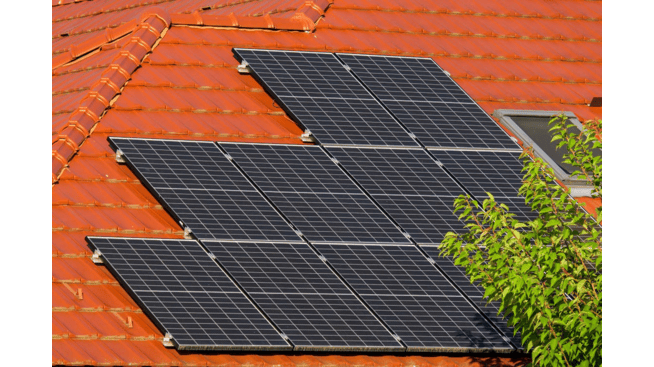
- Renewable energy systems (solar panels, wind turbines with battery storage).
- Electric vehicles and charging stations.
- Data centers and telecommunications systems.
Conclusion
AC power vs DC power have different behavior, generations, and applications, which influences their advantages and disadvantages. AC electricity powers motors, HVAC systems, and lights for residential, industrial, and commercial uses across short-to-moderate distances. Yet, DC's efficiency in long-distance transmission lines, including the Pacific DC Intertie and its use in battery-operated products and EVs, render it more important for contemporary grids. So, knowing AC power vs DC power is important in optimizing their applications. If you are looking for power transmission solutions, visit CHINT for more smart energy information.





-banner.jpg)