

Introduction
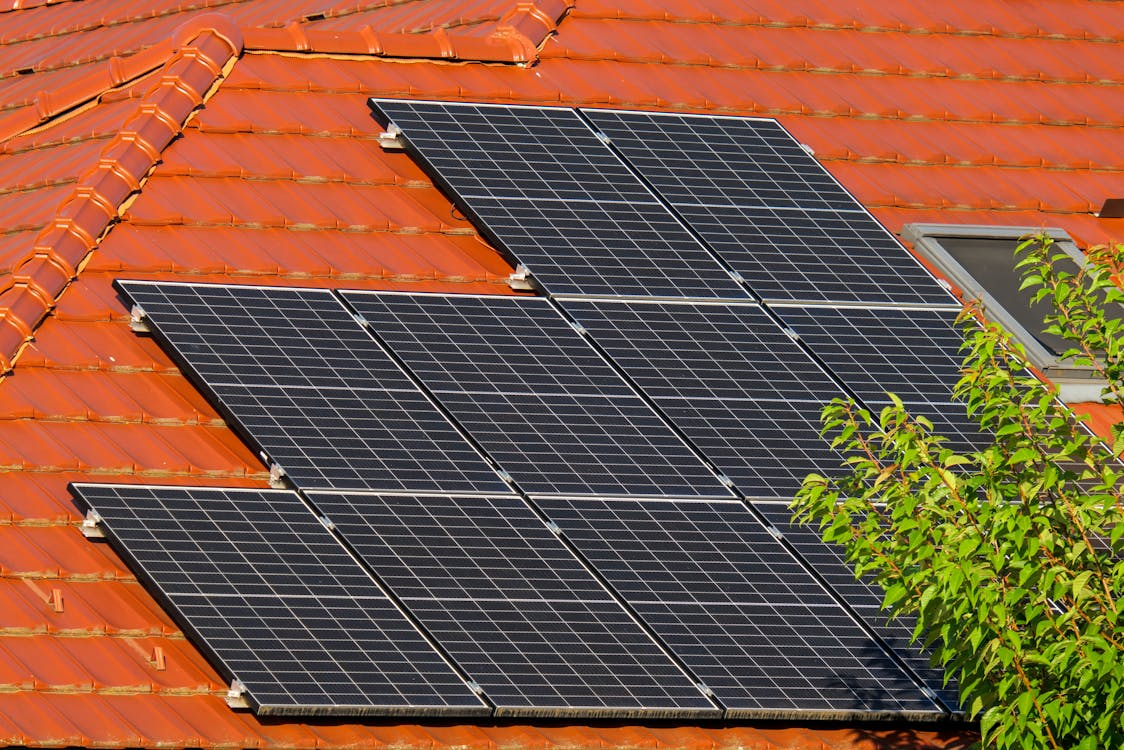
Rooftop solar keeps growing, but panels and inverters alone do not create a complete protection strategy. In a modern home PV system, solar isolators, meters, and breakers are the devices that help you disconnect circuits safely, monitor energy flow, and interrupt faults before they spread through the system or back into the home electrical network.
Why Solar Systems Need Dedicated Electrical Protection
Solar introduces electrical behavior that is different from standard household wiring. On the DC side, strings keep supplying current whenever sunlight is available, which changes how circuits are isolated and how faults are interrupted.
On the AC side, the inverter ties the PV system into the home and, in many cases, the grid, which means the design has to account for backfeed, coordination with the main distribution board, and safe isolation during maintenance or abnormal operation. IEC 60947-3 covers switches, disconnectors, and switch-disconnectors for circuits up to 1,000 V AC and 1,500 V DC, so device selection matters so much in PV work.
Common residential PV fault scenarios are not hard to imagine.
A cable fault can create sustained DC arcing.
Incorrectly coordinated overcurrent protection can leave downstream equipment exposed.
Inverter-side faults can affect both generation and household loads.
Grid interaction can complicate shutdown and restoration if the protection design is weak.
Good residential design treats these as system risks, not isolated device problems. And that’s where modular switchgear becomes useful. Instead of treating protection, isolation, and monitoring as separate add-ons, you design them as one coordinated layer.
Solar isolators provide safe disconnection
Breakers interrupt overcurrent and short-circuit conditions
Meters show what the system is actually doing.
Solar Isolators – The First Line Of PV Safety
In rooftop PV systems, solar isolators give you a controlled way to disconnect live circuits for maintenance, fault response, and emergency intervention. That matters because DC circuits behave differently from standard AC branch circuits. Once PV strings are energized by sunlight, they can continue to present voltage even when other parts of the installation are shut down.
A properly selected isolator gives installers and service teams a defined point of separation. IEC 60947-3 specifically applies to disconnectors and switch-disconnectors used in DC as well as AC circuits, which is the core standards basis for this function.
DC isolator safety for photovoltaic systems comes down to three practical points: arc handling, load-break capability, and placement.
A PV-rated DC isolator must be suited to the actual string voltage and current (not just the nominal system concept). It also needs to be installed where it supports safe operation, commonly near the inverter, combiner, or another accessible disconnection point defined by the system design and local rules.
In outdoor settings, enclosure integrity and weather resistance also matter because the protective function is only as good as the device’s installed condition. When selecting solar isolators:
Check voltage and current ratings against the real PV string conditions.
Confirm the device is intended for PV duty.
Review enclosure suitability for indoor or exposed installation.
Make sure the location supports emergency access and routine service.
CHINT’s low-voltage electrical systems frame around safe residential and commercial distribution, while residential PV solution is presented as part of an integrated home solar architecture.
Smart Breakers And Overcurrent Protection In Home Solar
Breakers protect both the PV system and the home by interrupting abnormal current before it damages conductors, inverters, switchgear, or connected loads. In a grid-connected solar installation, this matters on both sides of the system.
DC protection helps manage faults associated with PV strings and associated equipment, while AC protection helps coordinate the inverter output with the home distribution board and utility interface. IEC 60269-6 sets supplementary requirements for fuse-links protecting PV strings and arrays, reinforcing that PV circuits need protection devices matched to PV operating conditions.
Modular breakers also simplify upgrades. If your home later adds an energy storage system, a backup load panel, or a smart home energy controller, a cleanly structured breaker arrangement makes expansion easier and lowers rework.
This is one of the clearest benefits of solar-ready panel design: you are not only protecting today’s PV system, you are leaving room for tomorrow’s electrical architecture. CHINT’s residential PV and ESS solution reflects that wider view by presenting solar and storage together.
Smart Energy Meters For Rooftop Solar Monitoring
Meters matter in residential solar because they show how energy is moving through the system. They help you see generation, household consumption, grid import, and export behavior. That visibility supports troubleshooting, performance review, and better use of self-generated solar energy. CHINT’s instruments and meters provide accurate and reliable measurement for modern energy management, and IEC compliance.
That is why smart energy meters for rooftop solar are more useful than a traditional utility meter alone. A utility meter is usually focused on grid settlement. A smart solar-focused metering layer helps you understand if:
Inverter is producing as expected
Self-consumption is improving
Unusual operating patterns point to a wiring, shading, or equipment issue
Meters also work alongside protective devices. If protection stops a fault, the metering layer helps explain what was happening before and after the event.
Step-by-Step Guide To Integrating Meters And Switchgear In Home Solar Installations
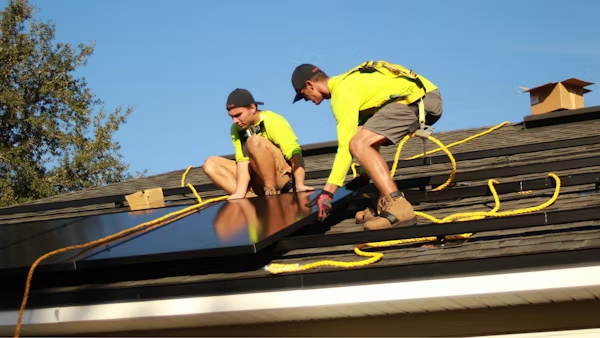
A good residential PV layout becomes much easier to manage when you plan protection and monitoring from the start. This process keeps the system organized, inspection-ready, and easier to expand later.
Step 1 – Define System Capacity And PV Architecture
Start with array size, inverter type, and whether the home is single-phase or three-phase. Those choices shape voltage, current, distribution layout, and the rating envelope for your protection and metering devices.
Step 2 – Position DC Isolators And Protection Devices
Place DC isolation where service access and fault response make sense, commonly near the inverter or associated PV distribution point. Match device ratings to actual PV operating conditions, not rough assumptions.
Step 3 – Configure Breakers For AC And Grid Connection
Coordinate AC-side breakers with the main distribution board, inverter output, and any dedicated solar circuits. Clean coordination helps contain faults and supports easier maintenance.
Step 4 – Add Smart Meters For Monitoring And Control
Install meters where they can show useful system behavior, including generation, import, export, or load trends. This improves diagnostics and long-term operating visibility.
Step 5 – Plan For Future Expansion
Leave room for battery storage, EV charging, or backup circuits. This is where solar-ready home electrical protection solutions become valuable because modular planning reduces later redesign.
Best Modular Solar Power Safety Components For Home PV Systems
A residential PV system works best when each protective and monitoring device has a clear job inside the full electrical path.
Component |
Main Safety Function |
Where It Is Installed |
Why It Matters |
Solar DC/AC Isolator |
Safe circuit disconnection |
Near inverter, combiner, or defined isolation point |
Supports maintenance and emergency shutdown |
Circuit Breaker (AC/DC) |
Overcurrent and short-circuit interruption |
PV side and main AC distribution side |
Protects wiring, inverter, and connected loads |
Smart Energy Meter |
Energy flow visibility and diagnostics |
Metering point aligned with inverter or load view |
Improves monitoring and system insight |
Surge Protection Device (SPD) |
Limits transient overvoltage exposure |
At relevant distribution and equipment points |
Helps protect sensitive equipment |
Modular Distribution Enclosure |
Organized housing for protective devices |
Main solar distribution location |
Improves coordination, access, and upgrade readiness |
Compliance, Standards, And Installation Considerations
Certified components matter because residential PV is not only about generation, it is about safe integration into the home electrical system.
IEC 60947-3 covers switches and disconnectors
IEC 60269-6 addresses PV fuse protection
IEC 61439-1 sets requirements for low-voltage assemblies
These standards show why PV-rated isolation, correctly selected overcurrent protection, and properly designed enclosures all matter. Installer responsibility remains central, because even a compliant device must still be correctly sized, located, labeled, and inspected in the finished system.
Frequently Asked Questions
How solar isolators and smart breakers improve residential solar safety?
They improve safety by giving you both controlled disconnection and fault interruption. One isolates the circuit for service or emergency response, while the other clears abnormal current before damage spreads.
Are Smart Meters Required For Home Solar Systems?
Requirements vary by system and jurisdiction, but smart meters add operational value even when not strictly mandated. They improve visibility, diagnostics, and energy-use awareness.
Can Modular Switchgear Support Future Battery Upgrades?
Yes. A modular protection layout makes it easier to add storage, backup loads, or EV charging later because the distribution design is already structured for expansion.
Conclusion
Combining solar isolators, smart breakers, and meters creates a safer, more visible, and more adaptable home PV system. Good residential solar design depends on coordinated protection, clear monitoring, and room for future upgrades, and CHINT’s residential solar, low-voltage, and metering solutions fit naturally within that compliant system approach.