

Table of Contents |
Businesses and residential homeowners rely heavily on HVAC systems to keep their indoor environment comfortable and safe. Whether it’s the dead of winter or the scorching heat of summer, an HVAC system is a must-have to ensure that everyone inside feels good and productive. These systems also ensure that air is properly filtered and distributed throughout the building for optimal breathing capability.
What is HVAC?
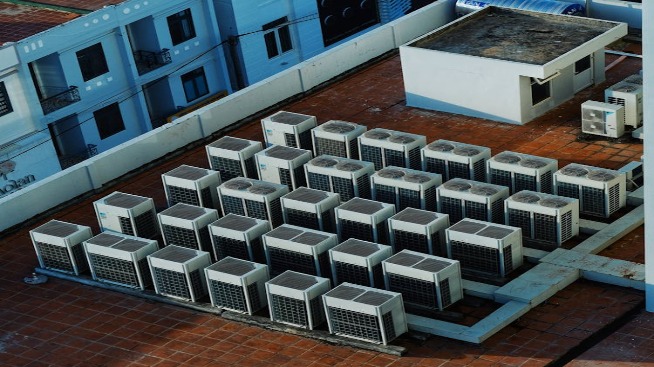
HVAC is a common term in both the contracting and public arena. This acronym works to simply the larger title of heating, ventilation, and air conditioning. It encompasses many types of systems, including furnaces, heat pumps, and central air conditioning units. All these types of HVAC systems aim to increase the thermal comfort level for all residents and visitors.
Apart from heating and cooling, these systems also maintain adequate indoor air quality for all types of commercial and residential environments. Since HVAC systems are designed to be installed in enclosed spaces, managing air quality inside those environments is necessary to ensure everyone’s health and safety.
Types of HVAC Systems
Many different types of HVAC systems can be utilized to alter the temperature in a specific commercial or residential location. Some of the most popular include central HVAC, ductless systems, and split systems. Knowing the difference between each can help you to determine better which one will best fit your space.
Central HVAC systems are the most common type of system installed. This system can include solely cooling, heating, or a combination. All components utilize a duct ventilation system installed in the walls and floors of a home or commercial building. The heated or cooled air is vented directly to each room to ensure adequate thermal comfort.
Ductless systems can provide both heating and cooling functions for businesses and homeowners. Their main difference from traditional central HVAC systems is that they can deliver hot or cold air via wall-mounted units. There’s no need for ducting to be run, which is a big advantage for adding heating and cooling to an existing home.
Lastly, the split system can comprise heating and cooling functions. The big advantage of a split system over traditional central systems is that the temperatures can be individually altered. With a split system, you can set a different desired temperature in your bedroom as your living room. This isn’t typically available with central systems.
HVAC System Components
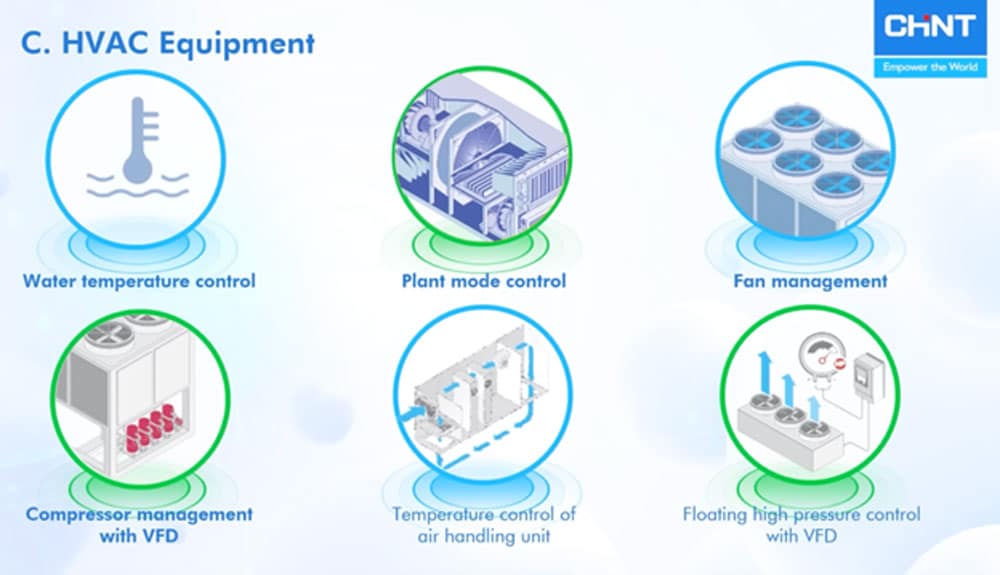
All heating and cooling systems will have a basic set of components that they utilize. These include all of the following:
- Air Return Setup – This component works to initiate the entry and exit points of the ventilation system.
- Air Filters – During the intake stage, air is forced through a filter to remove unwanted dust and airborne debris that could be harmful to your health.
- Electronic Heating Elements – When heating is necessary, the electronic heating elements turn on. All the air that passes over them is heated and sent back to the rooms.
- Exhaust Outlet – Unwanted air that needs to be transferred outside of the building is emitted through the exhaust outlet.
- Compressors – When cooling the air is necessary, a compressor works to liquefy the system’s internal cooling substance known as refrigerant.
- Blowers – Blowers are used in heating and cooling systems to force treated air into the building rooms.
- Coil – Every cooling system has a coil inside its heat exchanger to house refrigerant.
HVAC Working Principles
The basic goals of any HVAC system are to control the ambient temperature, keep humidity levels in check, and ensure optimal air quality inside the building. Depending on whether you desire heating or cooling, your HVAC system will go through a specific process to reach the optimal temperature.
When heating is required, fuel will be burned to create heat. Air is forced through that heat and redistributed throughout the building to increase the ambient temperature. When cooling is necessary, warm air is forced over the cooling system’s refrigerant coil. Heat is naturally absorbed by the refrigerant, leaving behind cold air. This cold air is then blown back into the rooms throughout the building.
Humidity can be a real problem when maintaining a comfortable indoor temperature. Fortunately, when humidity levels are high in the summertime, air conditioning systems are naturally designed to remove it. As heat is transferred to the refrigerant inside the cooling system’s coil, moisture will drop out of the air. This is the humidity being removed.
As these systems work, air is circulated throughout the rooms of a building. The air return setup pulls existing air inside the building’s rooms into the heating or cooling system.
Then, the blower inside each system forces treated air back into each room. In between the air return setup and the blower is an air filter. This works to remove harmful airborne debris like dust and bacteria to keep your indoor air as safe and healthy as possible.
Benefits of Using HVAC
Heating and cooling systems can provide many benefits for both commercial and residential applications. First and foremost, they allow for easy alteration of thermal comfort. You can set the thermostat to whatever temperature you feel most comfortable with, and your heating or cooling system will take care of the rest.
Apart from thermal comfort, these systems offer enhanced air quality indoors. Thanks to their excellent ventilation, heating and cooling systems allow constant air flow to and from the outdoors. Alongside each system’s internal air filter, this helps to bring in a continuous supply of fresh, healthy air.
There’s no denying that energy prices are constantly on the rise. With new HVAC systems, energy efficiency is a key seller. These new systems work to ensure that you’re getting adequate thermal comfort without consuming too much energy. This helps to keep your energy bills in check and keeps our environment more sustainable.
HVAC Industry Breakthrough – Background and Product Applications
Learn More »
Conclusion
Understanding the basic components and working principles behind heating and cooling systems is the key to ensuring that you order quality parts. Chint Global currently offers a plethora of quality HVAC products for you to choose from.