


Many of us live in homes with electrical hazards that can be very dangerous to our health. It’s important for everyone to know how we can stay safe when dealing with these dangers at home.
In this blog post, we’re going to share electrical safety tips for your home which can help you to avoid electrical shock, and save your life.
1. Repair or Replace Damaged, Cracked, Loose, Faulty Power Cords
The electrical safety precautions at home are those things that you do to prevent injury from an electric shock. This includes all the different items in your house, such as light fixtures and extension cords. It also covers appliances like clothes dryers, dishwashers, ovens/stoves, and refrigerators.
One of the most common electrical hazards in homes is damaged power cords. Particular caution should be taken with extension cords because they can easily get caught on furniture or walked over, which can lead to a short-circuit and electrical shock.
If you come across a worn-out cord that could pose an electric hazard, replace it immediately!
2. Keep Electrical Devices Away from Sources of Water to Avoid a Potential Shock Hazard
Electrical safety at home can be achieved in a number of ways, but it’s important to remember that safety doesn’t start and end with the electrical equipment – you also need to take care not to get water near anything plugged into an outlet or power cord.
Some common household items which are prone to be exposed to water include irons, blenders, vacuum cleaners, dishwashers, clothes washers, coffee pots (especially those without a drip tray), and microwaves.
These all pose potential risks when they are used after coming in contact with any amount of moisture.
But what about outlets? It may seem like there’s no way for them to come in contact with water at all. However, if your home has undergone some renovation work since installing electric fixtures, water may have dripped or flooded into the walls.
3. Avoid Overloading Outlets
You may think that you can get away with plugging in more than one appliance into an outlet at a time if it’s not too close to the other devices. However, this is actually dangerous for your home’s electrical system.
Overloading outlets can cause certain appliances (e.g., refrigerators) to shut off prematurely or stop working entirely due to overheating-related issues.
To ensure home safety you should use a CHINT circuit breaker to prevent electrical overload.
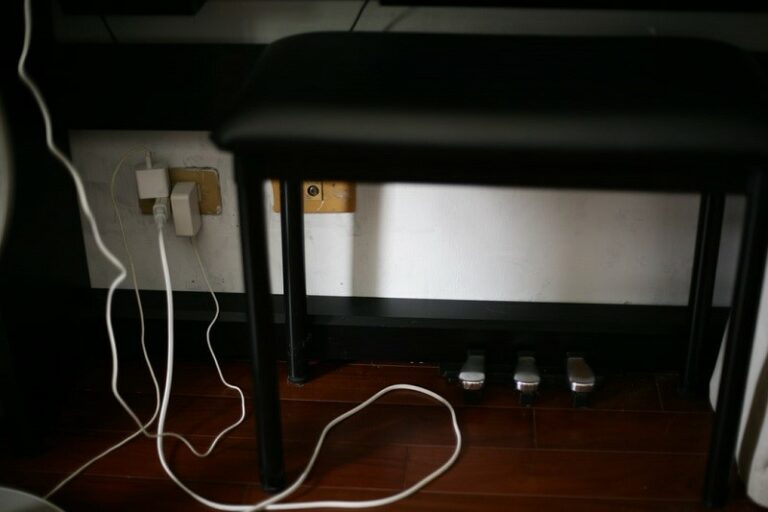
4. Unplug Appliances When Not in Use to Avoid the Risk of Overheating
One of the most important steps to take when it comes to electrical safety is unplugging your appliances if they’re not in use.
Unplugging an appliance can help prevent overloading outlets and overheating, which can cause a fire or even the destruction of an entire home’s electrical system.
5. Use the Proper Wattage for Lamps and Lighting Fixtures
Below is a list of guidelines to keep in mind when choosing the proper wattage for lamps and lighting fixtures:
- Lighting should be kept at 60 watts or less, with 40 being preferable. Do not place more than one light bulb per lamp unless there are two switches that allow you to turn them on separately.
- Do not mix old incandescent bulbs with newer energy-efficient ones because they use different amounts of power and can cause flickering or even fire hazards.
- Use night lights instead of table lamps if children will be afraid of sleeping without any light coming from their room. Night lights can also provide enough illumination so adults do not feel as though everything needs to be lit up brightly during the evening hours either.
A CHINT led light is another option for lighting a room. CHINT led lights are modern and energy-efficient, but they also have the added benefit of reducing eye strain because their light is more comfortable to look at for extended periods of time than other types of bulbs.

6. Always Follow Appliance Instructions for Improved Electrical Safety
In every appliance manual, there is information about the proper use of the device. When you assemble a new toy for your child or grandchild, make sure to look at the instructions and follow them step by step to avoid potential hazards.
One of the most common electrical hazards is a frayed or damaged extension cord. Extension cords should never be run under carpeting, and they are typically not meant to carry heavy loads for more than a few feet in length. If you do use an extension cord that has visible wear and tear on it, be sure to place furniture underneath so it is not in contact with the floor.
Another potential electrical hazard that can put you at risk for injury or death is an overloaded power outlet. Because it only takes a few minutes of running time to blow a fuse, we recommend replacing old fuses with newer ones before they go out altogether and cause more expensive repairs.
7. Give Your Appliances Proper Space for Air Circulation to Avoid Overheating
To avoid overheating, make sure you give your appliances plenty of room to breathe.
This will help them cool off and stay efficient for a long time. Follow the manufacturer’s instructions on where each appliance should be placed in order to get the best results from it.
Conclusion
It is crucial to be aware of the electrical hazards in your home and electrical safety around the home and to take simple, straightforward steps to avoid them.
To avoid electrical hazards, make sure you don’t overload power outlets or leave appliances in contact with the floor. Follow your appliance’s manufacturer instructions to keep them cool and functional for many years to come.
You should always use only the best quality products that will ensure the safety of use and not damage the equipment.
We hope this article helps you to avoid electrical hazards at home and keep your appliances in place for a long time!