


Were you ever interested in specialized materials? When you roam around even inside your house, you notice many technological advancements. How did the once candles or torch be now one switch light that can light up your whole home?
We do not acknowledge what we have at home in everyday life, such as light switches, toilet flushes, or other gadgets that include controls. All these are examples of a push-button switch.
What is the use of a push-button switch?
I bet you have seen a light switch, appliances switch, and I also bet you have already pushed one of them for use.
Have you ever thought about what is inside of that switch?
How can one push or click make the thing work? How can a push-button light switch look so simple but work so well? Let us discuss the first most straightforward push-button switch. A push-button is used to activate something depending on what switch you click. For instance, you may need control to turn on a light, and you need a button if flushing a toilet, and other examples are like in arcade games; you will use every switch required in playing the game.
However, there are kinds of switches, and what are these?
What is a single-pole switch?
A single-pole switch is a switch that only has one input and one output; this is usually the states of “on” and “off” in one button. May it be typically wired or closed. These single-pole switches are one of the most straightforward switches.
What is the difference between a single pole and a double pole switch?
On the other hand, there is also a double pole switch. A double-pole switch is named “double,” meaning two connections to two (2) separate circuits. In other words, double-pole switches are two switches in one.
A single-pole and double pole switch are that a single-pole is more straightforward, and the double pole is more complex. Also, we often see a single-pole button rather than a double-pole. Light switches, home appliances, alarm clocks, industrial machinery, and emergency stop switches are examples of single-pole switches. While
Medical applications (machine safety precautions) and light and fan combinations are two examples of double-pole switches.
What is a single-throw switch?
First, a throw is referred to the positions a switch can be activated. A single throw switch can close a circuit in one place, meaning it can only be started in one course, with one position.
What is the difference between a single throw and a double-throw switch?
With that, there is also a double-throw switch. Now, what can be the difference between the two? (single throw and double throw switches). As said, a single throw switch can only be in one position, named by itself “single.” On the other hand, a double-throw button can be in two places and neutral.
For instance, a double-throw switch can close a circuit in two positions and even have a neutral, making the circuits not activated.
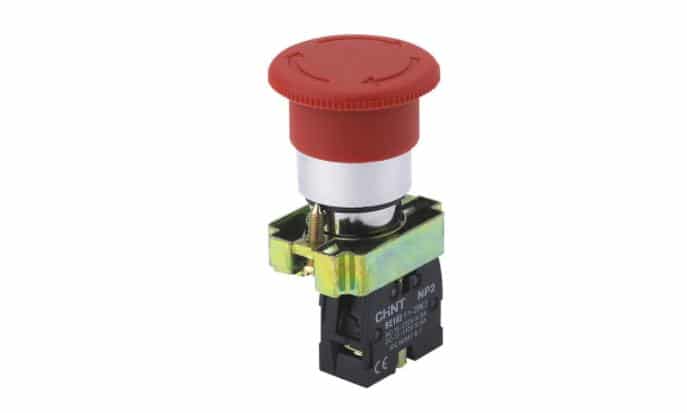
What is a momentary switch?
In other words, there is a simple example of the momentary push-button switch; what is this? A momentary push-button switch is a button that, when engaged, does not stay in its position like a typical push-button switch.
This switch only activates when physically pushed and will return to the actual position when released.
These are sprung inside, whereas they can only be activated when holding the push button and will immediately go back to their position.
For instance, push-button a home appliance blender, whereas it can have a “push” button that it only activates when the button is held on push.
CHINT push-button switch product
Now that you might be less confused with the switches, you may ask what the best doorbell push-button switch can be.
Have you run after pushing one of the neighbor’s doorbells? These are just some of our experiences with the doorbells, but maybe right now, you are now the one seeking a better doorbell to use.
You can find your own doorbell at CHINT doorbell. They have a series of different doorbells that feature many of the good qualities in a doorbell. Their website is accessible, and you can check the description of the doorbell, the overview, the components, and more. The CHINT doorbells will provide you with an excellent push-button feeling when clicking on the doorbell.
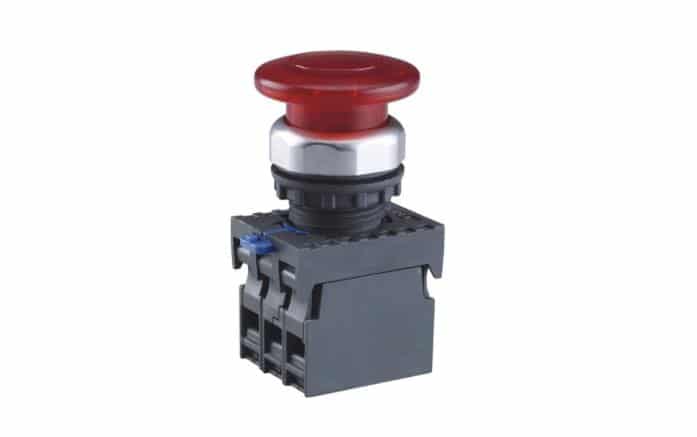
Also, you can find NP8 22mm Pushbutton, the pushbutton is typically made of plastic or metal and may be flat-surfaced or contoured to the finger or hand, they are designed and manufactured to the highest quality standards.
You can also check their information and have some familiarity with their company. You can even change the language of their website if you are more comfortable within your native language.
Conclusion
These are just some of the numerous types of switches, but there are more to discuss. There are different types, and even different ones built on the inside.
Your curiosity about this can help you choose the best push-button switches when seeking some new items that include controls. Remember that the most common switch is the single-pole switch, and more complex than that is the double pole switch.
There is a lot more on the inside of a switch than it seems. Usually, we push the button and never think of how the circuits activate by just this. We hope you understand some of the discussed switches above, and if you are still wondering about the CHINT doorbell, you can know more about the product. Their doorbells are available on their website.
Always choose your button wisely, as poorly developed switches can mess up with the circuits attached and can be hazardous. Do not risk your life with a poorly made push-button control. Moreover, your knowledge of these things is helpful in almost all of our everyday lives. We hope you remember these within the circuits of your mind.