

Table of Contents |
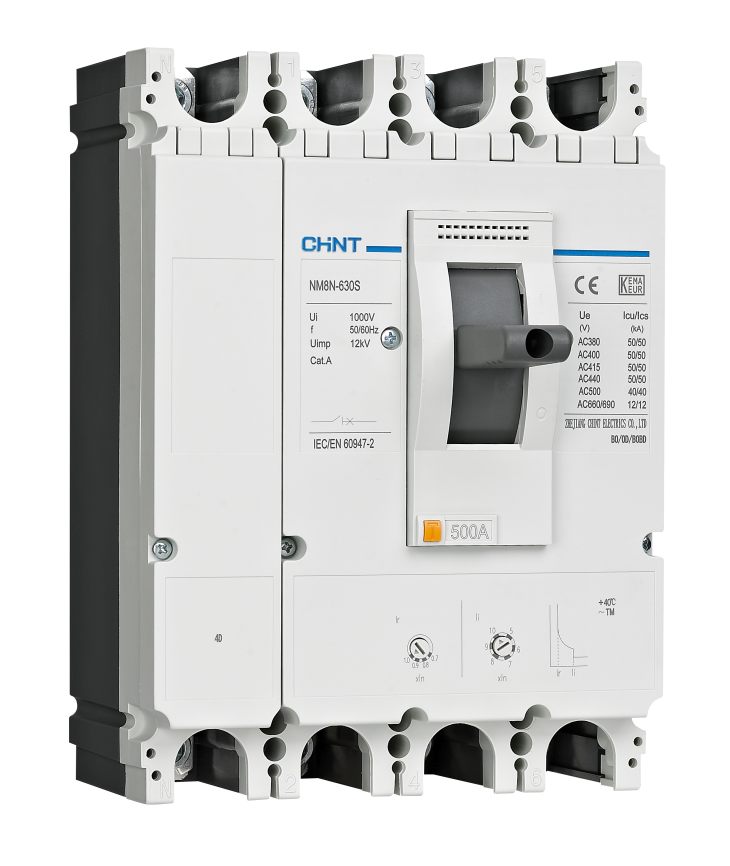
The NM8N Molded Case Circuit Breaker(MCCB) is a robust electrical protection device. It’s designed to offer great electrical system protection. The robust CHINT MCCB effectively protects against overloads and short circuits. It provides reliable performance and exceptional safety. This comprehensive MCCB installation guide presents all the key steps in detail. The purpose is to help you confidently set up your NM8N MCCB precisely.
Pre-Installation Preparation
MCCB installation begins with careful preparation. It helps ensure optimal performance and longevity of the molded case circuit breaker. Here are some recommendations:
1. Safety First
Safety is crucial during any electrical installation. Always disconnect the power supply before starting the installation process. Wear appropriate protective gear, which includes insulated gloves and safety goggles. Using these protects you from potential electrical hazards.
2. Required Tools and Materials
Proper tools are key for a successful MCCB installation. Here’s what you’ll need:
- Wires of appropriate specifications
- Electric screwdriver with insulated handle
- Hex driver
- Insulated gloves
- Wire strippers
- Measuring tape
- Protective safety goggles
- Appropriate wire connectors
- Circuit breaker mounting screws
3. Review the Installation Environment
The right installation environment is key. Make sure the area is completely dry. It should be free from moisture. Furthermore, the space must not contain corrosive or flammable gases. These could compromise the equipment’s integrity.
Compliance with environmental requirements is crucial. Temperature and humidity are key considerations. They can significantly impact the device’s functionality and lifespan. It’s important to maintain detailed logs of environmental conditions during MCCB installation.
Inspection and Verification
Careful inspection before molded case circuit breaker installation helps prevent potential issues and ensures optimal performance. Please follow these guidelines:
1. Product Inspection
Before proceeding, thoroughly examine the CHINT MCCB for any transportation damage or visible defects. Look for scratches or any signs of mishandling during shipping.
Verify that all standard accessories are included in the packaging. Cross-check against the manufacturer’s accessory list to confirm completeness. This practice provides a reference point for future maintenance and ensures comprehensive verification.
2. Order Validation
Double-check that the molded case circuit breaker model precisely matches your order and meets the specific installation requirements. Confirm the number of poles, current rating, and voltage specifications. Cross-reference electrical load requirements with the circuit breaker’s rated performance parameters.
Installation Steps
Installing an NM8N Molded Case Circuit Breaker requires a systematic approach and adherence to technical specifications. Here are the MCCB installation guide steps:
1. Positioning the Circuit Breaker
Carefully measure and mark the installation dimensions using the provided guide. Accuracy is crucial for proper fitting and performance.
Securely attach the circuit breaker to the distribution board using appropriate screws and fasteners. Follow the manufacturer’s recommended torque specifications for each model. Here are the recommended torque values for different NM8N models:
Model |
Mounting Torque (N.m.) |
NM8N-125 |
2 |
NM8N-250 |
2 |
NM8N-400/630 |
3 |
NM8N-800 |
3 |
NM8N-1600 |
3 |
2. Wiring Guidelines
Connect power and load lines according to the circuit breaker’s pole configuration (e.g. 2P, 3P, or 4P). Ensure all connections align with standard electrical guidelines. Use color-coded wires and follow local electrical codes for proper wire routing and connection.
Pay close attention to wire specifications and connection points to maintain electrical integrity and safety. The following are recommended wiring torque values for different models:
Model |
Wiring Torque (N.m.) |
NM8N-125 |
6 |
NM8N-250 |
11 |
NM8N-400/630 |
25 |
NM8N-800 |
35 |
NM8N-1600 |
25 |
Final Adjustments and Testing
The final stages of CHINT MCCB installation are critical for ensuring electrical safety and optimal performance. Precise molded case circuit breaker testing will validate its functionality and reliability.
1. Arc Barrier Installation
Insert the arc barrier into the designated installation slot. Make sure to follow the manufacturer’s specific instructions to do this. Ensure the barrier is aligned perfectly and seated securely without any gaps or misalignments.
2. Functionality Test
Perform a comprehensive operational test. Follow the sequence: reset, close, open, close, and trip to confirm proper functionality. Use a professional testing device to measure response times and verify the trip mechanism’s accuracy.
Next, check all connections for security and optimal contact. Use a torque screwdriver to confirm that all electrical connections meet the specified tightness requirements. Visually inspect each connection point for signs of potential thermal stress or subtle mechanical wear.
Conclusion
Installing an NM8N Molded Case Circuit Breaker requires precision and adherence to safety protocols. By following the above-listed MCCB installation guide, you’ll ensure a reliable and safe electrical protection solution. At CHINT, we are committed to providing top-quality electrical solutions. Our technical support team can help with any installation queries. Visit our website to get in touch with us today!