

Table of Contents |
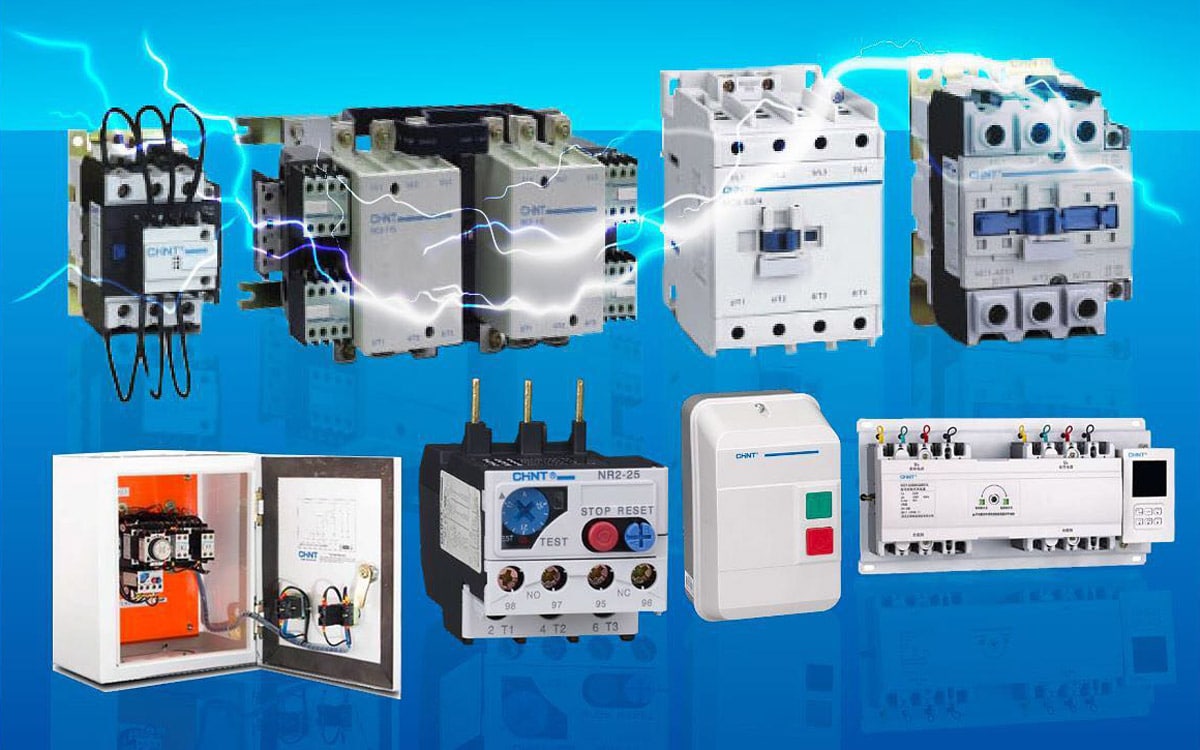
Contactors are electrical devices that switch large current control circuits on or off. They use electromagnetism to attract an internal armature that closes a preset number of contacts.
Closing the contacts also closes the circuit. Once power is interrupted to the contactor, the circuit is open. This cycle occurs many times per hour, depending on the contactor.
Selecting the correct contactor is vital to the long-term safety of an AC power circuit. Failure to do so can cause arcing, equipment damage, and electrical fires.
Here, you’ll learn to select the correct AC electric contactor for your next electrical wiring project. You’ll also get tips and advice for installing contactors correctly.
How to Select the Right AC Contactor
Contactors come in many sizes, capacities, and coil voltage configurations. Here, we break down the process of selecting the correct one into three primary functions:
Assessing Load Capacity
The contactor’s rated voltage should equal the maximum voltage of the controlled circuit. Likewise, ensure that the rated current is higher than that of the controlled circuit. To maintain high-frequency equipment, such as motors, select a higher-rated contactor to ensure efficient operation and increased life.
Selecting the Correct Size
Contactor sizes correspond to the International Electrotechnical Commission (IEC) usage categories. For example:
- AC-1: Non-inductive loads
- AC-2: Slip-ring motors, switching off
- AC-3: Squirrel cage motors, starting/switching off motors during running
- AC-4: Squirrel cage motors, plugging/inching
The most common mistake when choosing contactors for a large wiring project is going too small. Consider selecting a contactor one or two tiers above what you think you need. Otherwise, the safety and efficiency of the operating equipment may be compromised.
Chint Global’s AC electric contactors are primarily within the industrial usage categories. Feel free to browse our product page for more information.
Understanding Coil Voltage
The coil voltage rating is the voltage needed to move the actuator that closes the contacts. For safety purposes, the lower the coil voltage, the better. However, it must at least match the incoming grid voltage.
Installation and Maintenance Tips for AC Contactors
You can improve the life of your contactor by following some simple maintenance steps. Here are a few tips.
Safety Tips
Before installing an AC contactor, double-check that the data on the nameplate matches your intended use requirements. Also, remove any residual packing oils on the product with a clean, lint-free rag.
Installation
Be sure to connect all screws and washers during installation and tighten them securely. Double-check all wiring connections and cycle the attraction coil several times to ensure effective operation.
Maintenance
Replace damaged contactors immediately and check for proper operation routinely. Clean the contact surfaces at regular intervals. If the arc-extinguishing chamber is damaged in any way, you should replace it immediately.
Troubleshooting Common AC Contactor Issues
Common problems may arise with AC contactors. The following are some troubleshooting steps to take in such events.
Contactor Fails to Close
The power supply voltage may be too low, so you must adjust it. You may not also be getting a good connection from the supply circuit. Try wiping the connections or increasing the size of the connection wire.
Noisy Operation/Continuous Humming
Hearing noises from your contactor may indicate a supply voltage issue. The lack of power to the coil can cause the contacts to vibrate rapidly instead of closing all the way.
There could also be debris inside the device, which can cause the coil to malfunction. Instead of using a compressed air blower to clean the work area, use a vacuum to prevent debris from entering the electrical components.
Overheating
Overheating occurs when temperatures are too high, or contactors are energized for extended periods. Overvoltage can also cause overheating as the coil rating is lower than the supply voltage.
Undervoltage can also cause overheating. Since the armature cannot make a complete connection, an overcurrent is created in the coil. This will lead to overheating.
How to Test an AC Contactor?
It’s always ideal to test a contactor for troubleshooting purposes or check if it has malfunctioned. Here’s a quick guide on how to test a contactor using a volt ohmmeter.
- Step 1: Remove electrical power before starting.
- Step 2: Remove the wires from the contactor and label each one (L1, T1, L2, T2).
- Step 3: Turn the contactor control switch to the on position.
- Step 4: Test each connection. They should read 0 ohms. If one or more do not, the contact is faulty and needs to be replaced.
If all contacts are bad, apply power to the coil. Test each contact with a voltmeter. If the voltage is correct, the coil is bad.
Conclusion
The most critical aspect of choosing a contactor is to ensure that it meets all the requirements of the equipment it’s controlling. You must also look at the load capacity, proper sizing, and durability.
Chint Global’s NC1 Series Contactor is made of durable materials to withstand the rigors of continuous usage. The rated voltage is up to AC 690V (50Hz/60Hz) with a rated operating current of up to 95A. Visit our product page to discover more features and options.
FAQ about AC Contactor
What is the difference between a relay and an AC contactor?