

Table of Contents |
Solar power has slowly become the world’s fastest-growing energy source, powering more homes daily.
It’s a great way to offset electricity costs and reduce your home’s environmental impact. So if you’re planning to switch to renewable energy, the first step in assembling your home solar energy system is choosing one of the best panels available today- the Astrosemi Solar Panel.
The Astrosemi Solar Panel has one of the best efficiency ratings on the market- making it a popular choice for residential and commercial installations. On top of that, it uses the most advanced solar technology and is more cost-effective than most homeowners may initially expect.
From pros and cons to common applications- here’s everything you need to know about the Astrosemi Solar Panel and why it’s one of the best choices for your home installation.
What is an Astrosemi Solar Panel
Astrosemi Solar Panel is made up of quality monocrystalline photovoltaic (PV) cells. To increase the cells’ ability to generate power, the corners of each square are cut and smoothened- giving the panels their distinctive curved corner appearance.
The monocrystalline cells that make up an Astrosemi Solar Panel are considered to have the highest purity rating out of all solar panel types since they’re made from a single pure silicon crystal. Because of its high purity, this solar panel has a high power output, occupies less space, and lasts the longest.
An Astrosemi solar panel is made even more efficient by incorporating the latest PERC (passivated emitter and rear cell) technology. This means the panels have an extra layer on the back side that reflects some of the sun’s rays (photons) back into the solar cell—increasing photon absorption and achieving higher energy conversion.
This solar panel features half-cut p-type solar cells for improved durability and has slightly larger dimensions than other residential options, coming in at more than 2100 mm. It comes with a 12-year warranty for products and processing and a 25-year warranty for extra linear power output.
Other key features of an Astrosemi Solar Panel that are worth mentioning include:
- Output positive tolerance: Guaranteed 0~+5W positive tolerance that ensures power outlet reliability
- Innovative half cell technology: Improves module reliability and decreases the risk of micro-cracking
- Reduced shadow effect on module surface
- Reduced internal mismatch loss
Pros & Cons of Astrosemi Solar Panels
Like any other renewable energy product, an Astrosemi Solar Panel also has its list of advantages and disadvantages. Read on to find out if the pros outweigh the cons:
Pros of Astrosemi Solar Panels
High Efficiency
High efficiency means it converts a larger percentage of sunlight into electricity.
Because the monocrystalline cells in an Astrosemi Solar Panel are made up of a single crystal of silicon, electrons can flow easier through the cell, resulting in higher efficiency rates ranging between 17% to 22%.
High Power Capacity
High efficiency also relates to high power capacity. An Astrosemi Solar Panel is known to have a power output that ranges between 400 to 445 watts.
Durability
An Astrosemi Solar Panel utilizes half-cell technology that not only improves the module output but also lessens the risk of micro-cracking. It also features excellent mechanical load capability to withstand harsh environments- having been certified to stand strong against hail and wind load.
Space Efficient
Because an Astrosemi Solar Panel yields more power per square foot compared to other solar panels, it takes fewer panels to produce the same amount of energy production — making it an ideal choice for homeowners with smaller roof areas.
High Heat Resistance
Because of its high silicon crystal purity, the monocrystalline cells in an Astrosemi Solar Panel have a higher heat resistance and function well in warm weather.
Long Life Span
Since an Astrosemi Solar Panel performs better in heat, it is projected to last longer than other solar panels. It comes with a 25-year warranty, but will most likely last longer than 25 years.
Cons of Astrosemi Solar Panels
Expensive
Because an Astrosemi Solar Panel is made from single-cell silicon crystals, the process of making them is complex and time-consuming — and therefore more expensive.
Excess Manufacturing Waste
Since the PV cells of an Astrosemi Solar Panel are cut and shaped to produce rounded square edges, the manufacturing process produces significantly more waste compared to other solar panels.
Challenging Installation
Because of its durable build and single-cell components, an Astrosemi Solar Panel is significantly heavier than other panels. It may be more difficult to install in certain locations.
Applications for Astrosemi Solar Panels
As a cost-effective and reliable renewable energy product, an Astrosemi Solar Panel can be used for a wide range of residential and commercial applications:
1. Electric Power Generation
The PV cells in an Astrosemi Solar Panel generate electricity through direct sunlight. And because of its high-power output, this panel is even capable of powering high-wattage appliances such as refrigerators and microwave ovens.
2. Solar Water Heating
An Astrosemi Solar Panel has excellent energy conversion, enabling its PV cells to absorb more heat from the sun and in turn, heating both active and passive water systems in the home. It can also heat swimming pools by circulating water through a solar collector.
3. Solar Heating For Buildings
An Astrosemi Solar Panel can provide solar energy for living spaces or office buildings. In this case, solar heating usually comes from fans, ducts, or radiators.
4. Irrigation And Cultivation
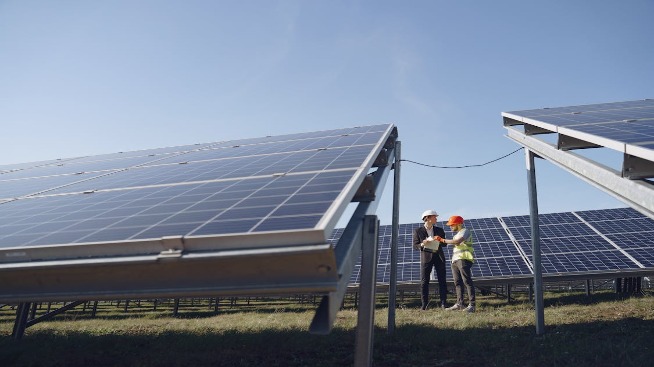
Considered an industrial range product, an Astrosemi Solar Panel can be used for solar applications on a larger scale — such as on vast tracts of agricultural land.
It can be used to pump water for irrigation during hot summer months, to combat the effects of transpiration on crops.
5. Outdoor Lighting System
An Astrosemi Solar Panel can also generate adequate electricity for outdoor landscapes providing a sustainable solution for security lights, street lights, and even road signs.
Can I Run My Entire House on Solar Power?
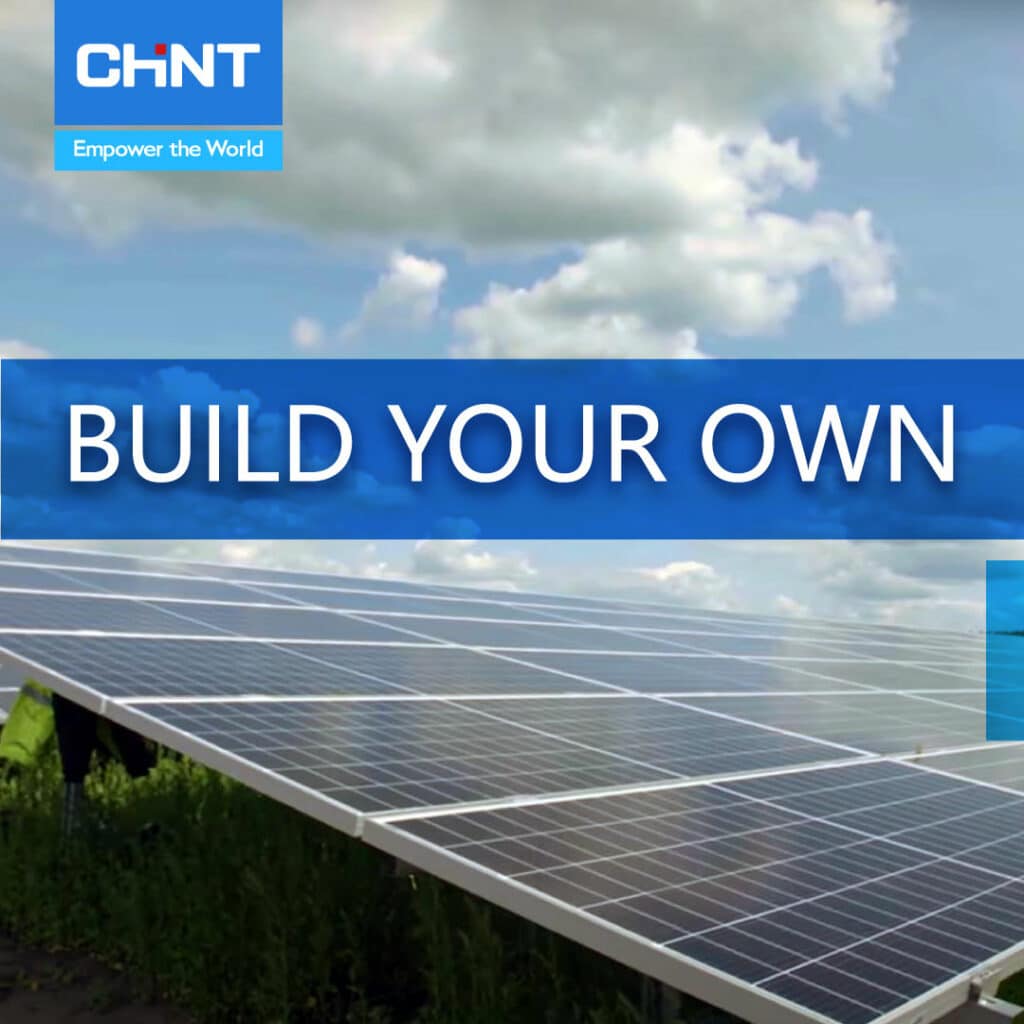
The short answer is: yes, you can run your entire house on solar power.
But the reality is, switching to sustainable energy and going off-grid completely requires a considerable financial and time investment. The higher your energy requirements, the more solar panels you’ll need.
One of the biggest factors is choosing the right solar panel for your needs. It will need to have high conversion rates, off-the-chart efficiency rates, and a larger power output that’s sufficient to power an entire household. You can find these qualities and more in an Astrosemi Solar Panel.
To improve the efficiency of your energy system, you can also opt to add a generator or battery backup system that stores excess electricity from your solar panels.
Overall, it’s a pricey investment. But some states offer various discounts and tax credits to help cover the cost of your system. Some even have property tax exemptions and rebates for qualifying homeowners with solar panel systems.
Conclusion
With its solid all-around efficiency and high quality components, it’s easy to see why the Astrosemi Solar Panel stands out as one of the best choices on the market today.
But picking the best solar equipment is only one part of the equation. Equally important is choosing the right company to source and install your solar panels. Here at Chint Global, we are more than happy to help.
As one of the leading manufacturers of high-quality solar energy products, we can help you select an Astrosemi Solar Panel that fits your specific needs. Contact us at www.chintglobal.com today to learn more about our products and services.