

Table of Contents |
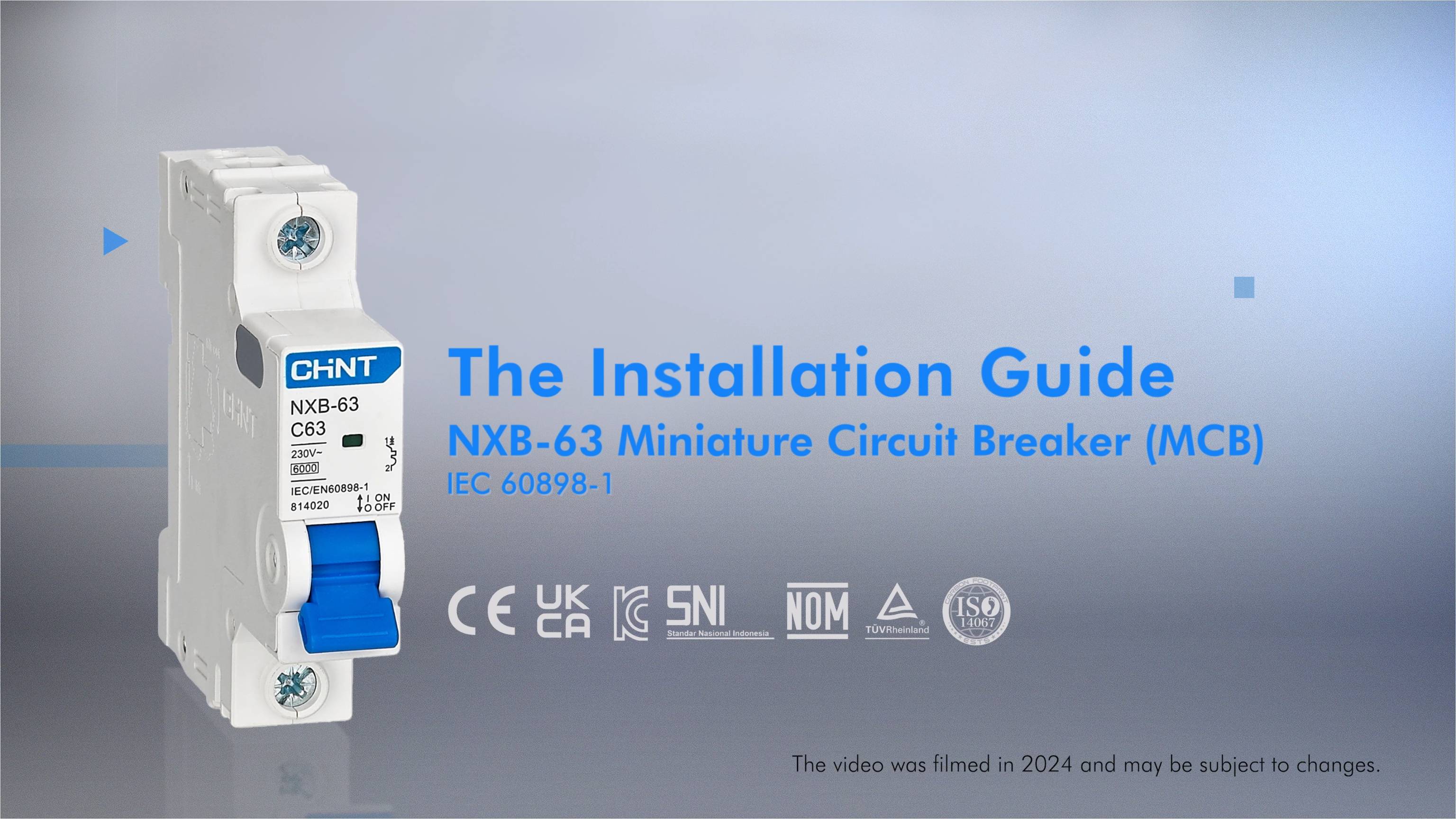
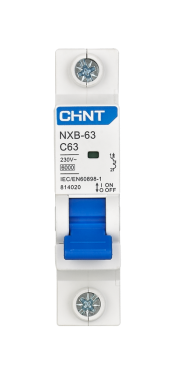
The NXB-63 miniature circuit breaker is a critical component. It ensures safe and reliable electrical distribution across all settings. The NXB-63 MCB boasts a compact design and advanced technological features. It provides precise circuit protection while maintaining exceptional performance standards. This comprehensive guide explores the entire installation process. The aim is to help you ensure a safe and efficient setup of your NXB-63 miniature circuit breaker.
Pre-Installation Preparation
Installing an MCB requires meticulous planning and careful execution. Proper preparation is key. Follow these pre-installation guidelines:
1. Safety Measures
Disconnect the power supply completely before beginning installation. Use lockout-tagout procedures on the main electrical panel. This is to prevent accidental re-energization. Verify power is off using a non-contact voltage tester.
Use insulating gloves to prevent electrical shock. Select gloves specifically rated for electrical work. Wear protective goggles, too, to shield your eyes from potential sparks or debris.
2. Required Tools
Having the right tools at your disposal streamlines the miniature circuit breaker installation process. It helps ensure professional-grade results. The essential tools for installation include:
- Wire strippers for precise cable preparation
- Crimping tools for secure wire connections
- Appropriate gauge wires matching circuit requirements
- Wire lugs for reliable electrical terminations
- Electric screwdrivers for consistent torque application
- Flathead screwdrivers for various adjustments
- Multimeter for comprehensive electrical testing
3. Verify the Circuit Breaker’s Compatibility
Before proceeding, carefully assess the NXB-63’s compatibility with your existing electrical system. Make sure the rating and specifications of the miniature circuit breaker align perfectly with your specific requirements. Here are some guidelines:
- Cross-reference the MCB’s current rating with your circuit’s maximum load.
- Confirm voltage compatibility with your electrical system’s specifications.
- Check temperature and environmental operating conditions.
Step-by-Step Installation Guide
After these preparations, you can proceed with the installation process. Follow these steps:
1. Choosing the Installation Location
Select a location that meets all operational parameters. Consider factors like accessibility, ventilation, and proximity to related electrical components. Evaluate ambient temperature and humidity levels at the installation site. Make sure the location provides sufficient clearance for maintenance and future modifications.
2. Mounting the Circuit Breaker
Proper miniature circuit breaker mounting is crucial for reliable performance and long-term durability. The key mounting steps include:
- Aligning Precisely With the DIN Rail: Position the top of the circuit breaker first, ensuring it’s parallel to the rail’s upper edge.
- Ensuring Correct Insertion Techniques: Apply a uniform, gentle pressure on the bottom of the MCB to snap it onto the DIN rail. Listen for a subtle clicking sound that indicates secure mounting.
- Understanding Proper Removal Methods: Carefully push the bottom of the circuit breaker. Simultaneously, slightly lift the top of the circuit breaker while pulling it away from the rail.
3. Wiring Process
Accurate wiring is fundamental to the circuit breaker’s functionality and safety. Wiring steps involve:
- Selecting Appropriate Wire Specifications: Determine the wire gauge based on the circuit’s amperage rating. Choose copper conductors with appropriate insulation.
- Stripping Wires and Attaching Wire Lugs: Use wire strippers to remove 11-13mm of outer insulation precisely.
- Attaching Wire Lugs Securely: Select crimp-style lugs matching the wire’s cross-sectional area. Use professional crimping tools to create mechanically and electrically sound connections.
- Connecting to the Terminal Box as Per the Wiring Diagram: Follow the manufacturer’s schematic exactly. Verify each wire’s correct placement before final tightening.
4. Securing the Connections
Establishing robust electrical connections prevents potential failures and ensures system integrity. Follow these connection guidelines:
- Using a Torque-Calibrated Electric Screwdriver: Set the screwdriver to the manufacturer’s recommended torque (typically 2.0 N.m.). Apply consistent, controlled pressure to ensure uniform connection strength.
- Options for Electric Feeding From the Top or Bottom: Evaluate installation space to determine optimal feeding direction. Consider future maintenance accessibility when selecting a feeding approach.
Testing and Commissioning
Here are some guidelines to follow for testing and finalizing your CHINT miniature circuit breaker setup:
1. Pre-power-on Checks
Evaluate the handle’s operational smoothness as an initial assessment. Manually test circuit breaker handle movement multiple times.
2. Power-on Checks
Use a multimeter for continuity testing. Set the multimeter to continuity or resistance mode. Verify electrical path integrity across circuit breaker terminals. Perform voltage tests to confirm proper operation. Measure incoming and outgoing voltage at different circuit breaker states. Compare readings against the manufacturer’s specified parameters.
Troubleshooting Common Issues
Even with these miniature circuit breaker installation tips, occasional challenges may arise. They require systematic troubleshooting.
1. Common Problems
Identifying potential issues early prevents more significant complications. Potential issues include:
- Failure to Close: Inspect mechanical components for potential obstructions. Check for alignment or spring mechanism issues.
- Frequent Tripping: Evaluate load conditions and potential overcurrent scenarios. Examine potential short circuit or ground fault conditions.
2. Solutions and Professional Assistance
Address minor issues through systematic troubleshooting. Seek professional help for complex problems. Start with basic diagnostic procedures. If the problem is complex, consult certified electrical technicians.
For a more direct look into the installation process of the NXB-63 Miniature Circuit Breaker, check out our YouTube video:
Conclusion
Installing the NXB-63 miniature circuit breaker requires precision, knowledge, and careful execution. By following these comprehensive guidelines, you can ensure proper electrical safety with MCB installation. We, the reputed brand CHINT, offer industry-leading expertise and innovative solutions for your electrical infrastructure needs. Visit our website to optimize your electrical systems today!