

Table of Contents |
Circuit breakers are safety devices that protect electrical systems from overloads and short circuits. Molded Case Circuit Breakers (MCCB) and conventional breakers are the two types.
MCCBs are primarily for industrial and commercial applications due to their robust design and increased current carrying capacity. Conventional breakers are typically only for residential applications, where they protect against overload, shock hazards, and fire.
Molded Case Circuit Breaker vs Circuit Breaker
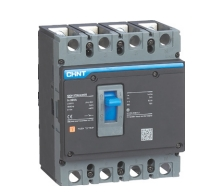
Molded Case Circuit Breakers (MCCBs) are specialized breakers providing enhanced protection and reliability for electrical systems. They feature a molded case, which helps protect the internal components from damage, and also keeps the breaker cool by dissipating heat.
Traditional breakers, on the other hand, are not designed with the same level of protection as MCCBs. For example, they do not have a molded case and usually lack safety features such as trip indicators or current limiting capabilities.
What is a Molded Case Circuit Breaker (MCCB)
A Molded Case Circuit Breaker (MCCB) is an electrical protection device that safeguards an electrical circuit from overloads and faults. You can employ it as the main switch in a circuit breaker panel, where it provides overcurrent protection for the entire system.
An MCCB interrupts current flow when it detects a fault or overcurrent condition. It is typically UL 489 listed, and CSA certified, making it suitable for use in North America. MCCBs are available in various ratings, ranging from 30A to 6000A and higher. They are also available in different trip characteristics, such as instantaneous trip, short-time delay, long-time delay, or adjustable trip settings.
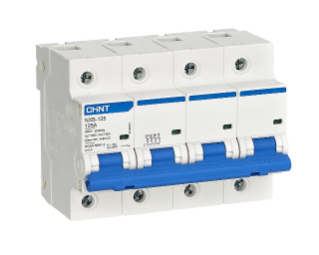
CHINT NEXT Series, NXM Moulded Case Circuit Breaker are a good choice for you.
What are molded case circuit breakers used for?
Use molded case circuit breakers (MCCBs) to protect electrical circuits from over-currents and short circuits. They are suitable for residential, commercial, and industrial settings.
In addition to providing defense against overcurrent and short circuits, MCCBs can also provide motor overload protection and ground fault protection. You can apply them in both single-phase and three-phase systems.
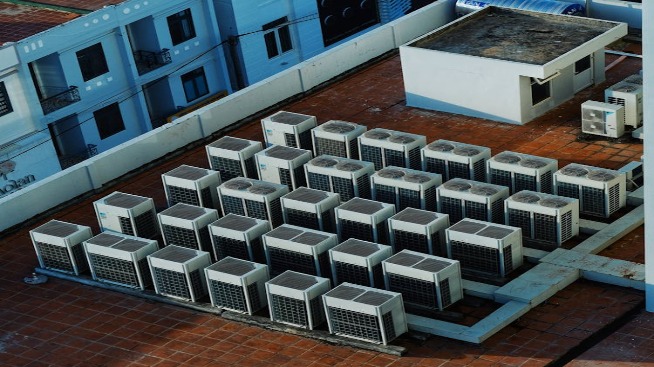
Molded case circuit breakers are suitable in applications where power interruption is not desired or tolerated, such as medical equipment, elevators, and HVAC units.
What is a Circuit Breaker?
A traditional breaker is an electrical device designed to protect electrical circuits from damage caused by overload or short circuits. It is a safety device that automatically interrupts the flow of electricity when it detects a fault, such as an overload or short circuit.
Conventional breakers are typically installed in homes and businesses to prevent fires due to electrical overloads. They are also applicable in industrial settings to protect machinery from overloading.
Breakers are available in various sizes and configurations, allowing them to be used for different applications and power sources.
What are circuit breakers used for?
Standard breakers protect electrical circuits from damage due to overloads or short circuits. They work by disconnecting the power supply when a fault is detected.
It’s best to use conventional breakers in residential, commercial, and industrial settings to protect against dangerous power surges, prevent fires, and protect people from electrical shock.
In residential settings, you typically locate traditional breakers in the home’s main breaker box. The central panel houses a series of smaller breaker boxes that each contain individual circuit breakers for different areas of the home.
Each breaker is labeled with its purpose (lighting, heating, cooling) and connects to a specific site of the house or appliance. Tripping these individual breakers when an overload or short circuit occurs prevents further damage from occurring in that area of the home.
In commercial and industrial settings, large-scale breakers protect primary electrical systems from damage due to overloads or short circuits. These heavy-duty breakers can be found in main distribution boards (MDBs) and are typically rated for higher voltages than in residential settings.
Which One Do I Need: MCCB or Circuit Breaker?
Utilize MMCBs when safeguarding electrical circuits or protecting sensitive electronic equipment from frequent voltage spikes or currents. You can also utilize them for overload and short-circuit protection in large electrical systems, such as those found in factories, warehouses, and other commercial buildings.
Generally, a standard breaker is used for residential and light commercial applications, while an MCCB is suitable for industrial and heavy commercial applications. The primary difference between the two is that an MCCB has a higher interrupting capacity, meaning it can handle larger loads than a conventional breaker.
Generally, a standard breaker is used for residential and light commercial applications, while an MCCB is suitable for industrial and heavy commercial applications. The primary difference between the two is that an MCCB has a higher interrupting capacity, meaning it can handle larger loads than a conventional breaker.
In addition, MCCBs may have additional features, such as adjustable trip settings or a thermal-magnetic trip element, which are not available on a standard breaker. Ultimately, you should choose the device that best fits your application based on your specific needs and requirements. Also, it’s best to choose a breaker that meets or exceeds your application’s National Electrical Code requirements.
Ensure that you have the correct tools to safely install the breaker in your system, including screwdrivers, wire cutters/strippers, pliers, a voltage tester, and gloves. Also, make sure all components are properly rated for their intended use before installation begins.
When installing a breaker into an existing panel, carefully check all connections to ensure they are secure and adequately insulated before turning on the power source. This step lowers the risk of potential hazards due to lose connections, damaged insulation material around wires, or bare metal contact of parts within the breaker box itself.
Related Article: What Is the Difference Between MCB, MCCB, RCB, RCD, RCCB, and RCBO
Related Article: How to Select the Right Molded Case Circuit Breaker?
Conclusion
It’s best to select the correct type of circuit breaker for any given situation. For example, MCCBs provide better protection against short circuits, but if the load is low, then a conventional breaker may be adequate. On the other hand, if the load is high, then an MCCB would be more suitable due to added safety features. Therefore, you should consider all factors before selecting which type of breaker to use for a particular application.
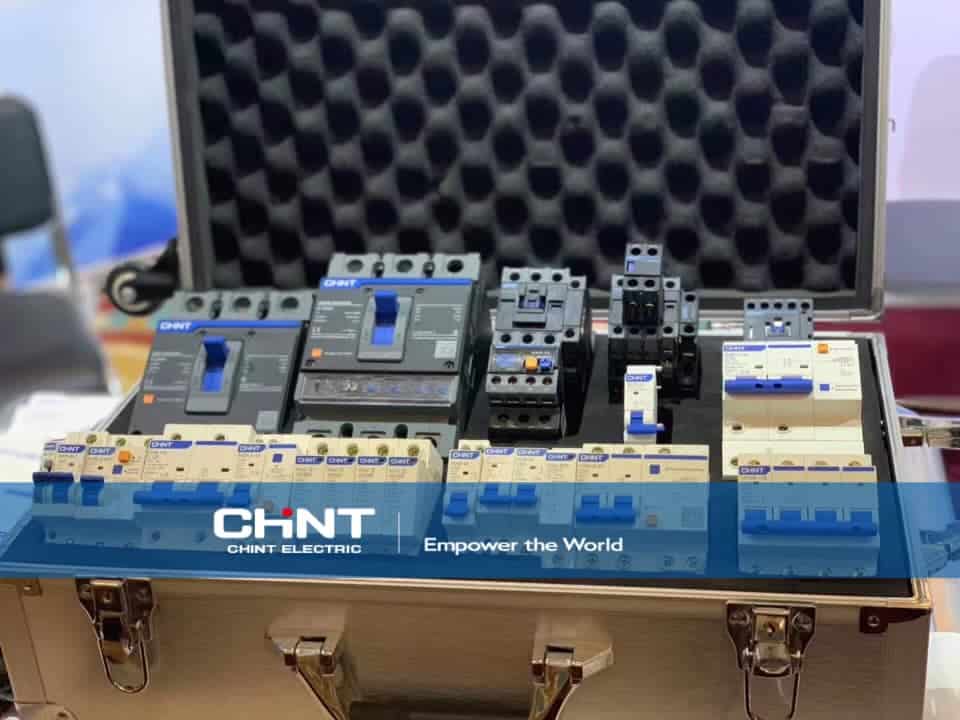
For more information and product availability, visit ChintGlobal. We offer a range of MCCBs, RCCBs, and other ACBs, as well as an extensive range of circuit breakers.
FAQs about MCCB
Can MCCBs be used in residential applications?
Do MCCBs require any special installation or maintenance?
What are the advantages of using an MCCB over a standard circuit breaker?
When should I use an MCCB instead of a standard circuit breaker?
If you have any questions or need further assistance, don't hesitate to reach out to us.


/molded-case-circuit-breaker-(mccb)-(ul)/molded-case-circuit-breaker-(mccb)/m6-frame-size-800~1200a(mccb)/product-image/M6 Frame Size 800~1200A Frame Size 800~1200A(MCCB).png.thumb.319.319.png)