

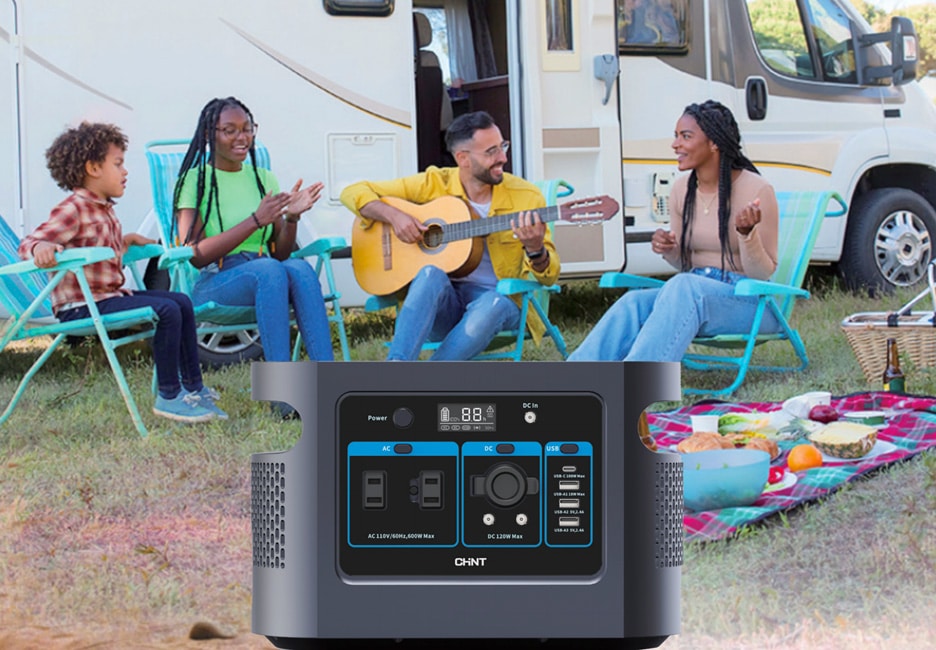
Whether you live off-grid, enjoy camping or live in an area that experiences frequent power outages, a portable power station can supply you with energy when needed. Equipped with various output options and often powered by solar panels, portable power stations are a versatile and environmentally friendly solution for everyone.
If you’re in the market for a portable power station, we’ve made a quick guide on purchasing the right one for your needs.
Why Do You Need A Portable Power Station?
Anyone can benefit from a portable power station. Whether you spend a lot of time outdoors or plan to live off the grid, having a reliable power source enables you to maintain comfort and safety in even the most remote locations.
Power stations are also reliable during emergency situations. It can easily support you with the energy required for lighting and communication devices. Power stations are also necessary for medical equipment, which can be a lifesaver during natural disasters or unexpected power failures.
While the initial cost may be higher than traditional power sources, the versatility, reliability, and potential for renewable energy integration often justify the investment.
Differences between Portable Power Station and Generator
When it comes to portable energy solutions, both generators and power stations have their unique offerings. Here’s how they differ.
Energy Generation
The primary difference is how they generate power. Generators use fuel like gasoline or solar panels to create electricity. It’s like a mini power plant that can power your home in high-capacity models.
On the other hand, portable power stations don’t generate energy. It stores it. It’s like a giant rechargeable battery you can take with you.
Power Capacity
Generators usually offer higher power capacities, ranging from 1000W to 10000W. It makes them ideal for heavier applications like powering large appliances.
Portable power stations typically provide between 100W to 1000W. It’s sufficient for charging phones, laptops, or running small appliances.
Runtime
Generators can run up to 16 hours for gasoline models and even longer for propane ones. Power stations offer around 10 hours of emergency power, depending on the device.
Noise and Emissions
Generators can be loud and emit gasses, which may only be ideal for some settings. Power stations are quiet and emission-free.
Portability and Maintenance
Power stations are lightweight and require less maintenance. It’s ideal for activities like camping and tailgating. Generators are bulkier and require regular maintenance but are indispensable for construction sites and large-scale events.
Cost
Generators often have a lower upfront cost. However, it needs continual fuel, which can add up. Portable power stations may cost more initially but have minimal ongoing costs, especially if recharged via solar panels.
Factors to Consider When Selecting a Portable Power Station
When selecting a portable power station, various factors can influence your decision. Here are some considerations to keep in mind:
- Capacity: Determine how many watt-hours (Wh) your power station can store. This will dictate how long you can power your devices before recharging.
- Output Power: Look at the continuous and peak wattage your power station can deliver. This can help you identify which devices you can power simultaneously.
- Portability: Consider the weight and size of the power station especially if you’re using it for camping, hiking, or other outdoor activities.
- Input Charging Options: Check if the unit supports solar charging, wall outlets, car charging, or other methods. Solar compatibility can be crucial if you’re using it off-grid.
- Number and Type of Ports: Ensure the power station has a variety of ports (USB, AC, DC, etc.) to suit all your devices.
- Battery Life: Research how many charge cycles the battery can undergo before losing capacity.
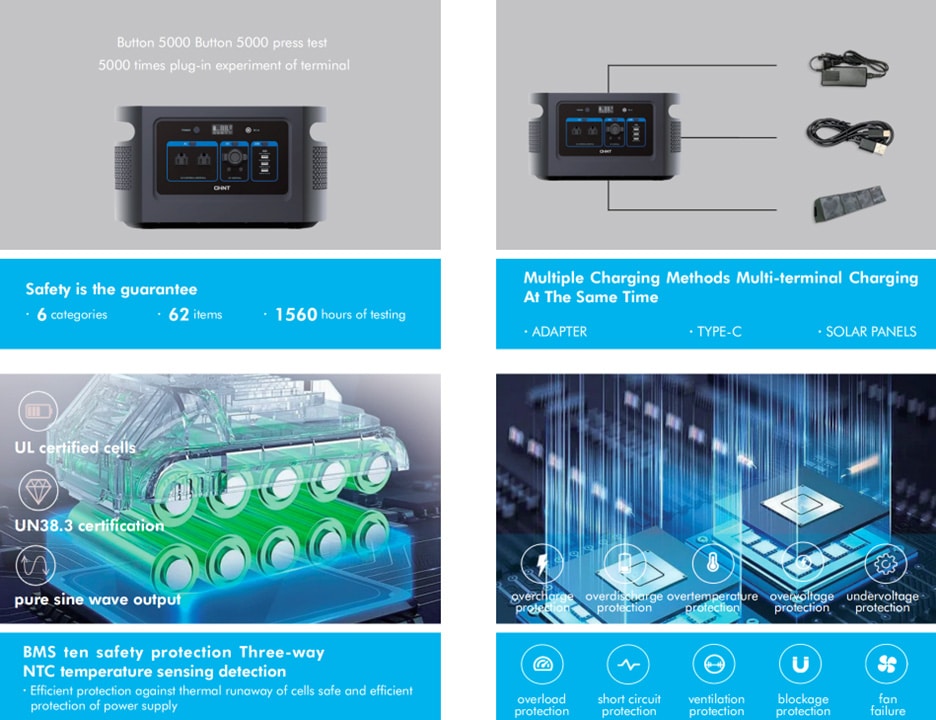
- Safety Features: Ensure the power station has overcharge protection, short circuit protection, temperature control, and other features.
- Cost: While the initial investment might be high, consider the long-term savings and value provided by the power station.
- Environmental Impact: Opt for models that can be charged using renewable energy sources, like solar panels, if you prioritize sustainability.
- Brand Reputation: Look for brands known for quality, reliability, and good customer service.
How Do I Know What Size Portable Power Station I Need?
Choosing the right size for a portable power station depends on your intended use. To find the ideal size, you’ll need to do a bit of calculation. Start by identifying the wattage required by your devices. If your devices list amps, simply multiply by the voltage to get watts. If you’re unsure, do a quick online search.
Determine how long you’ll use each device. Multiply the hours by the device’s wattage to find the total watt-hours needed. To account for energy inefficiencies, divide the total watt-hours by 0.85. This result indicates the minimum capacity of the power station you should consider.
It’s essential to remember that many consumers don’t buy a power station for one specific device but rather for versatile power access in various situations. Ensure your chosen power station suits diverse power needs for both home and business.
Conclusion
Finding the right portable power station can take a little research, but by making a wise choice, you’ll be able to get the most out of your device for the money. Considering your use case and your energy needs are the most important factors.
Chint Global’s portable energy storage device offers a lightweight product with an impressive output of 1200W. You can plug in up to nine devices at a time and it has passed several safety tests. Contact us today to learn more about how this product can suit your needs.
FAQ about Portable Power Station
How long can a power station run?