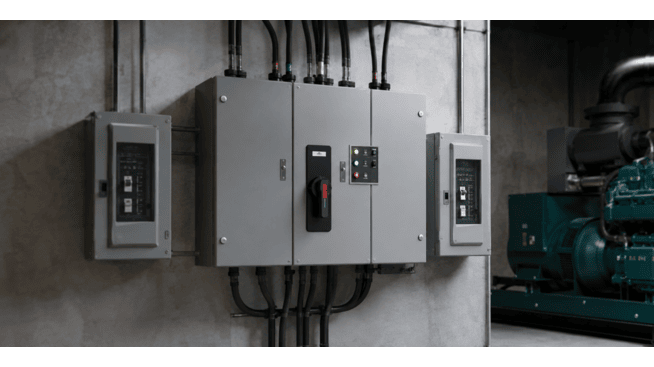


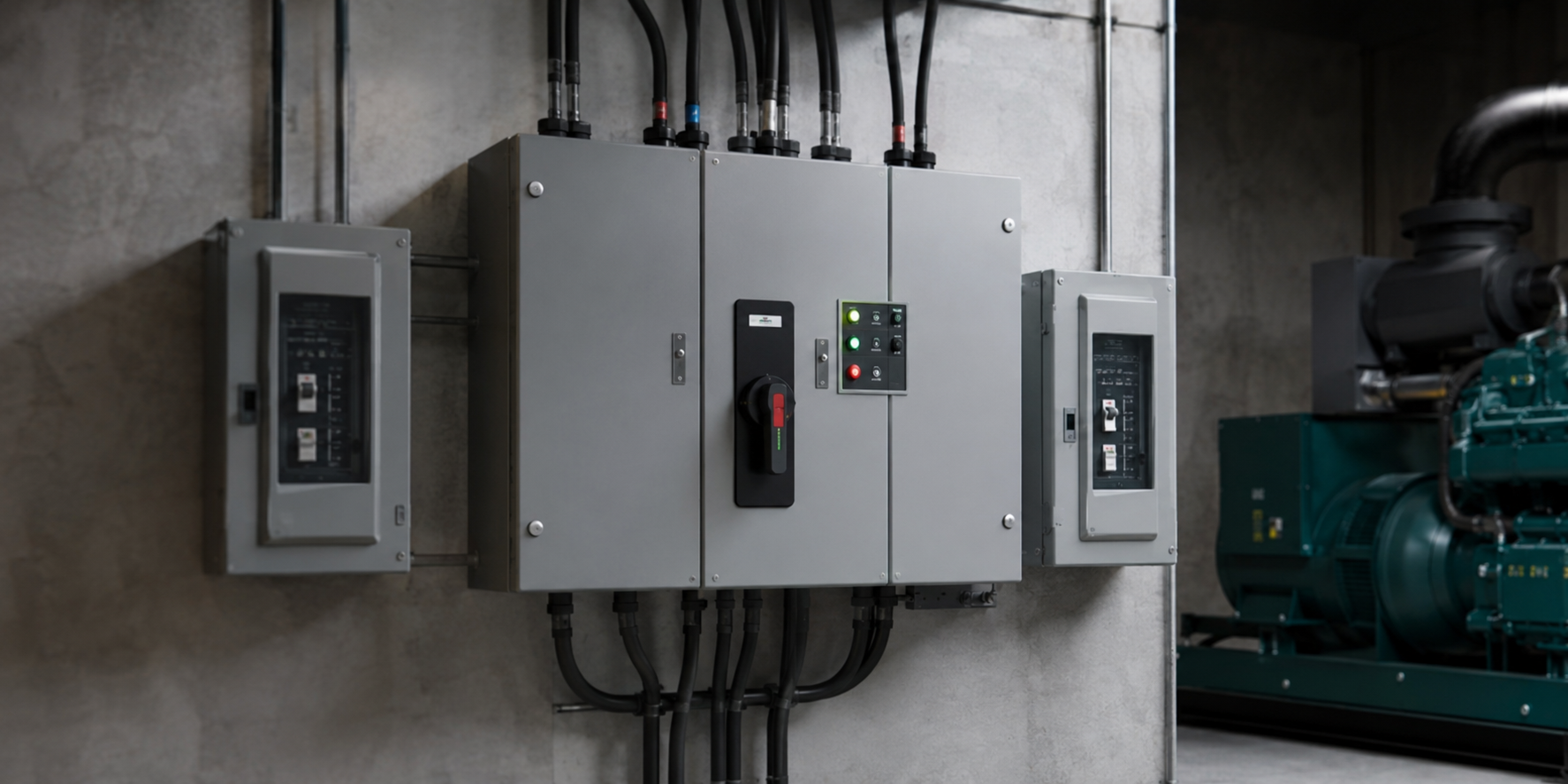
A hospital operating room, mid-procedure. The utility feed drops without warning. Within seconds a backup generator spins up and the load moves across to it. Surgery continues. That handoff is what an automatic transfer switch does. It keeps a blackout from turning into an emergency for people who cannot afford one.
How Does an Automatic Transfer Switch Work?
An automatic transfer switch has a simple architecture. Two power inputs feed one load output, and a microprocessor controller decides which source powers that load at any moment. The controller watches voltage, frequency, and phase on both sources. When the primary source falls outside acceptable limits, the switch acts.
The full sequence runs like this:
Monitor both sources continuously
Detect a fault on the primary (undervoltage, phase loss, or frequency drift)
Signal the backup generator to start
Wait 10 to 30 seconds for the generator to stabilize
Break the connection to the primary
Make the connection to the backup
Re-monitor as the load runs on backup
Transfer back once the primary returns and remains stable
Send a cooldown signal to the generator before shutdown
Fault detection happens in cycles measured in milliseconds. The transfer itself completes within a specified action time set by the ATS class.
Three transition types cover most cases. Open transition breaks before it makes. Closed transition briefly parallels both sources for a smooth swap. Delayed transition adds a programmed pause between sources for large motor loads.
Break-before-make is the safety principle behind that sequence. It stops generator power from feeding backward into utility lines and putting lineworkers at risk during an outage. ATS design and testing sit under IEC 60947-6-1 as the global reference standard.
Automatic Transfer Switch for Generator Applications
Utility-to-generator is the dominant ATS arrangement, and for good reason. Most sites already have a utility feed as the primary source. A diesel or gas generator makes the natural backup because it can hold load indefinitely as long as fuel is on hand. The automatic transfer switch is what connects them safely.
Without an ATS, someone on the site has to notice the outage. That person then starts the generator and throws a switch manually. That takes minutes at best. An ATS removes all three steps and cuts the transfer down to seconds.
Sizing an ATS to a generator requires a compatibility check:
- ATS amperage rating at least equal to continuous load current
- Voltage and phase matched across utility, ATS, and generator
- Generator wattage with 1.25 to 1.5 times motor inrush headroom
- Frequency matched at 50 Hz or 60 Hz
Other arrangements exist for specific cases. Utility-to-utility uses two independent feeders from separate substations. Generator-to-generator pairs two units for redundancy. Three-source setups combine utility with two backup generators.
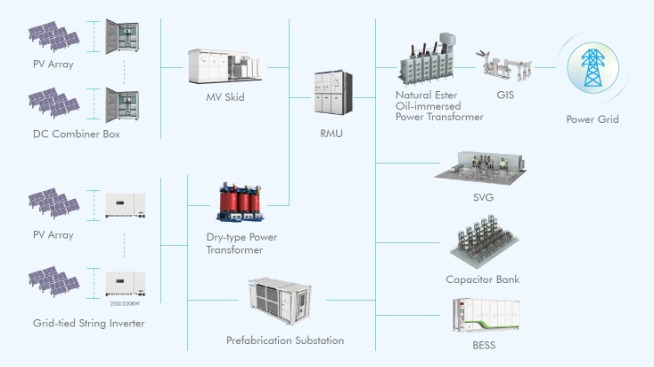
The same dual-power logic also extends into solar PV plus battery systems and microgrid installations that use a dual power supply control scheme.
Critical Applications That Depend on Continuous Power
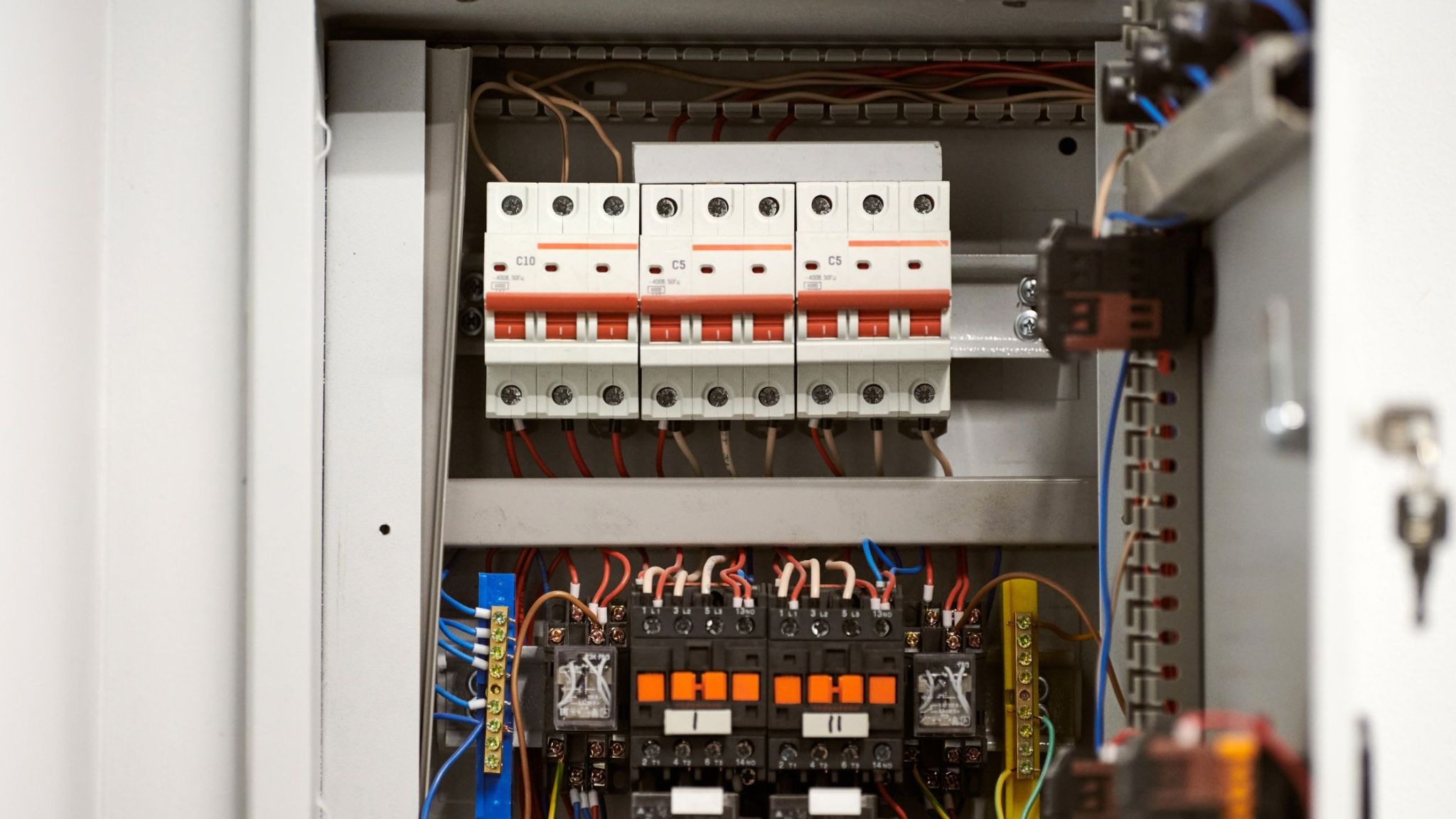
Every hour of downtime carries a price. On a production floor it means idle labor and scrapped batches. In a hospital it can mean lives at risk. The automatic transfer switch is the equipment that prevents those outcomes.
Four segments treat continuous power as non-negotiable. Hospitals sit at the top of that list. Life support machines, surgical suites, and imaging bays cannot tolerate even a short break in supply. NFPA 110 puts a hard number on the expectation: emergency loads have to transfer within 10 seconds of a utility failure.
Data centers tie every second of uptime directly to revenue. An ATS pairs with a UPS to provide zero-gap continuity, since the UPS carries the load during the brief transfer window. Tier III and Tier IV facilities require redundant ATS on every distribution path.
Manufacturing plants depend on the ATS to protect PLCs and motor control gear from voltage sags. A dropped batch on a chemical or food line can mean hours of cleanup and hundreds of thousands in write-offs.
Commercial buildings need an ATS to support elevators with emergency recall. Emergency lighting has to stay on for at least 90 minutes. The same backup path feeds fire alarms and smoke evacuation fans. Telecom exchanges belong in this tier as well. So do water treatment plants and transport hubs.
How to Install an Automatic Transfer Switch
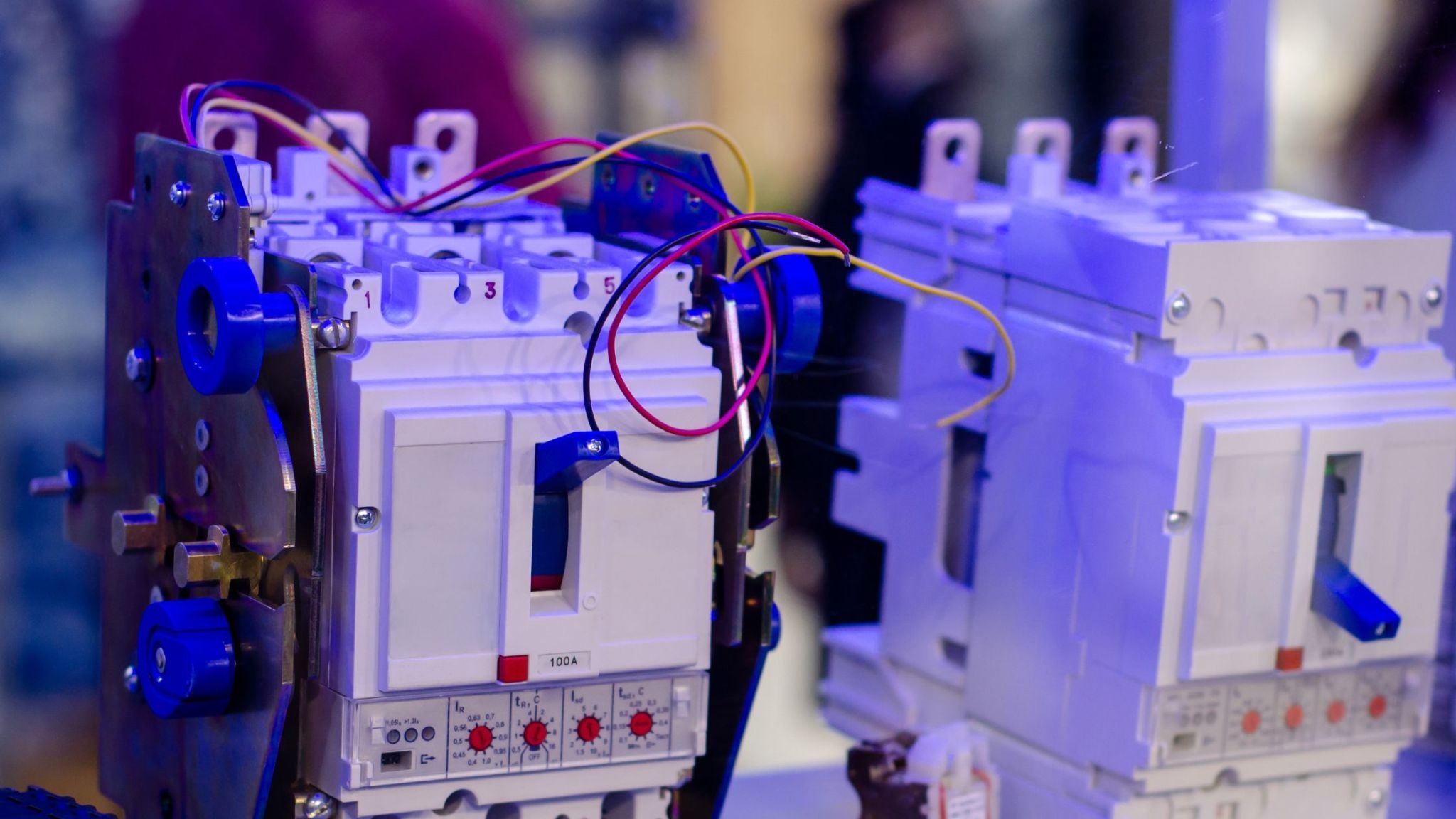
An automatic transfer switch is not a DIY device. A licensed electrician has to handle the installation because an improper connection can push generator power back into the utility grid. That backfeed puts lineworkers in danger and violates code in every major jurisdiction.
Sizing starts with the continuous load. NEC-based systems apply an 80 percent derating rule, while IEC installations use the equivalent factor from local practice. The ATS rating must sit above the derated figure.
Location dictates the enclosure. A dry indoor room can use NEMA 1. For outdoor pads and unheated spaces, NEMA 3R is the usual pick. Coastal sites and washdown areas move up to NEMA 4X because salt corrosion is a real problem.
On the wiring side, each source lands on its own set of input terminals. A separate 2-wire pair signals the generator to start. Grounding follows single-point neutral rules, and 4-pole units include a switched neutral that isolates the two sources completely.
Commissioning ends with a full test. The electrician simulates a utility failure and times the transfer. Retransfer gets verified once utility returns. The generator cooldown sequence must close properly before signoff. For compliance, IEC 60947-6-1 is the global reference. North American projects add UL 1008. Healthcare projects pick up NFPA 110 on top of that.
After commissioning, a monthly test transfer and an annual inspection are what keep the unit reliable over its service life.
Low Voltage vs Medium Voltage Automatic Transfer Switch
Where the ATS lands on the specification table depends on voltage class. IEC sets the low voltage ceiling at 1,000V AC. NEC caps it at 600V. Anything above 1kV counts as medium voltage. That is substation territory, along with utility tie-ins and heavy industrial primary feeds.
Most facility managers spec low voltage. LV ATS units cover current ratings from about 16A on light branch circuits up to 6300A on main distribution boards. Medium voltage territory belongs to utility engineers and large industrial plant designers.
Selecting a low voltage ATS starts with matching the current rating to the continuous load. Pole configuration comes next. A 2-pole switch handles single-phase power. A 3-pole switch handles three-phase without a switched neutral. A 4-pole switch adds a switched neutral, which is required when the neutrals of the two sources cannot be permanently bonded.
Transition type follows load sensitivity. Open transition suits general loads. Closed transition suits sites that cannot tolerate any interruption during scheduled tests. Delayed transition protects large motors from out-of-phase reconnection.
Regional certifications matter for cross-border projects. CE covers Europe and CB gives international recognition. CCC applies in China. UL 1008 covers North America. Communication protocols like Modbus or BACnet allow the ATS to report status into a building management system.
CHINT offers two IEC-rated series that cover most low voltage applications. The NXZMN series ATSE rates from 10A up to 1000A in 3-pole and 4-pole configurations. It targets larger commercial and industrial loads. The design is built to IEC 60947-1 and IEC 60947-6-1. CCC, CE, and CB certification come with it.
The NXZBN series ATSE sizes for residential and light commercial sub-distribution. It comes in 2P, 3P, and 4P builds. Frame current is 63A for Class CB. Class PC offers 63A or 125A. The unit is rated for AC 50/60Hz dual-circuit systems and carries CCC, CE, and CB approvals.
Conclusion
The cost of properly specified equipment is a fraction of the cost of a single serious outage. Dual-power switching turns a backup generator from standby metal into automatic continuity. Correct sizing, transition type, and certifications are what make the handoff invisible. View the NXZMN and NXZBN product pages, or contact CHINT for application-specific sizing.