Veuillez saisir des mots-clés pour rechercher

Global |EN

Choisissez votre pays et votre langue

Asia Pacific

Australia & New Zealand
India
Indonesia
Malaysia
Philippines
Singapore

Middle East & Africa

Kenya
Saudi Arabia
South Africa
United Arab Emirates

Europe

France
Kazakhstan
Netherlands
Spain
Italy
Turkey
United Kingdom

Latin America

Brazil
Colombia
Ecuador
Peru

North America

Canada
Mexico
United States

Choisissez votre pays et votre langue

Australia & New Zealand
India
Indonesia
Malaysia
Philippines
Singapore
Kenya
Saudi Arabia
South Africa
United Arab Emirates
France
Kazakhstan
Netherlands
Spain
Italy
Turkey
United Kingdom
Brazil
Colombia
Ecuador
Peru
Canada
Mexico
United States

Veuillez saisir des mots-clés pour rechercher

Votre recherche contient des mots restreints. Veuillez utiliser des mots clés différents.

What is a Surge Protective Device (SPD)?

12 JUIL. 2024

Overvoltage can occur due to many reasons. These include lightning strikes and switching on/off large electrical loads. This can cause problems like busted electronics or fires if the safety gear fails. A surge protective device, also called an SPD, is extremely useful when it comes to this. It adds important protection from high-voltage power spikes that regular circuit breakers can’t handle. By shunting excess energy to the ground, SPDs aim to keep sensitive electronics safe from the dangers of overvoltage.

SPD: Components and Working Principle

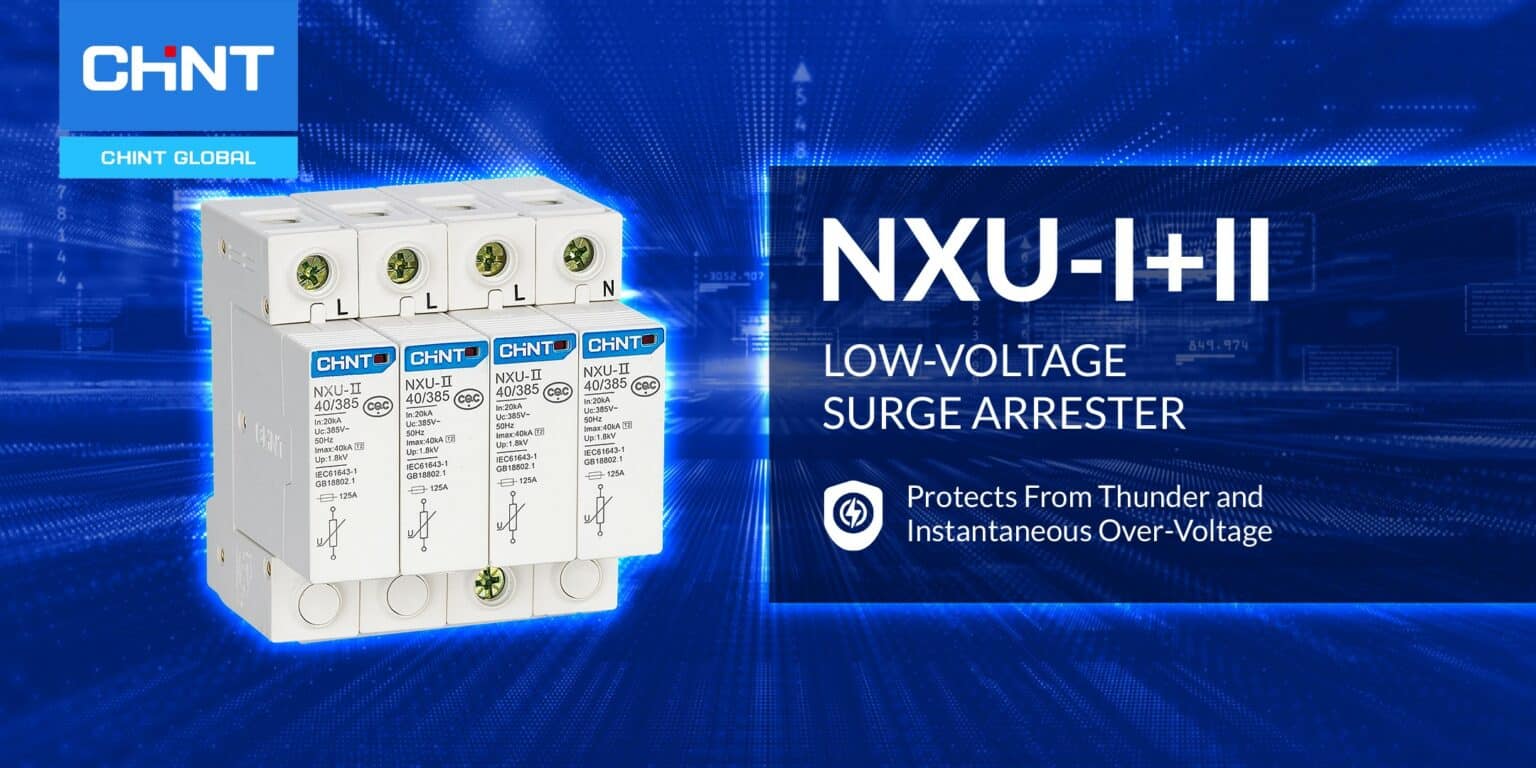
A surge protective device has several key components. These include:


  • Metal Oxide Varistors (MOVs): These are ceramic-based components that change their resistance depending on the voltage applied to them. When the applied voltage increases, the resistance lowers.

  • Fuses: Fuses protect MOVs from excessive current during a surge.

  • Indicator Lights: These show the real-time status of the surge protective device working conditions.

The working principle of a surge protective device is straightforward. When a surge enters through the power lines, the MOVs immediately lower their resistance and thus raise their conductivity levels. In this way, they shunt most of the current to the earth’s ground before it reaches protected devices downstream. The diverted surge is harmlessly reduced before equipment is exposed to high voltage or current spikes.

What is a Surge Protective Device (SPD) 20240712 2
What is a Surge Protective Device (SPD)-20240712-2
Key specifications provide important ratings that define an SPD’s performance capabilities. These include:
 
Specifications
Meaning
In
In is the nominal discharge current rating that the spike protector is designed to continuously carry without damage. In is tested using 8/20 µs current wave shape.
Imax
Imax stands for maximum discharge current rating. This indicates the maximum short-duration current pulse that the surge protective device is tested to discharge. Imax is tested using 8/20 µs current wave shape.
Iimp
Iimp refers to impulse current rating. It specifies the maximum current the SPD can withstand, similar to Imax. But Iimp is tested using 10/350 µs current wave shape.
Up
Up refers to the maximum continuous operating voltage rating of the surge arrester at In. This is the voltage protection level. It is defined as the maximum voltage that can be present across the SPD terminals when it is active.
Uc
Uc denotes maximum continuous operating voltage. It specifies the highest voltage the surge protector can experience across its terminals during normal use. After this limit, there’s a risk of performance degradation or potential failure due to overvoltage conditions.

Understanding the different types of surge protective devices is key to selecting the most suitable protection for various system needs. Three main types include:

Type 1 SPD

Type 1 SPDs are intended to protect electrical devices against direct lightning stroke. They should pass IEC 61643-11 Class I tests and are tested using 10/350 µs current waves.

Type 2 SPD

When lightning strikes near the overhead power lines, it generates an electromagnetic field and causes a voltage surge. Type 2 SPDs are intended to protect electrical installations against such indirect lightning strokes. Type 2 SPD units should pass IEC 61643-11 Class II tests and are tested using 8/20 µs current waves.

Type 3 SPD

Types 3 SPDs have a lower discharge capacity. They are intended to provide further protection for electrical installations, especially sensitive loads. Type 3 units should pass IEC 61643-11 Class III tests and should be tested using 1.2/50 µs voltage waves and 8/20 µs current waves.

Cautions When Installing SPD

Proper installation is crucial for SPDs to provide effective surge protection. Cautions when installing a surge protective device include:


  • The SPD must be installed in parallel directly before circuits or devices to allow the diversion of surge current around sensitive equipment.
  • Connection wire lengths for the SPD in the switchboard should not exceed 0.5 meters.
  • Relying on a Type 1 surge protector alone may be insufficient for effectively discharging high-energy currents and limiting overvoltages. Adding a Type 2 or Type 3 surge protector is recommended.
  • All installation work must be performed by certified electricians in compliance with local electrical codes to ensure proper grounding and unit mounting.

Conclusion

In summary, a surge protective device plays an important protective role for electronics across various industrial and commercial applications. By installing the properly rated and certified SPD, equipment owners gain a robust defense against power anomalies outside of standard circuit breaker capabilities. At CHINT, we design and manufacture reliable SPD solutions for almost any installation need. Visit our website to learn more about our company and browse our full offerings of surge protection products.

The Latest
MAY 25, 2026 Getting More from Your Solar Investment: How Smart Switchgear Maximises PV Performance

Long-term solar performance depends on the electrical system, not just the panels. A practical guide to smart switchgear, protection, and combiner box selection for PV.

MAY 25, 2026 Power Quality in Oil and Gas: Why It Matters More Than You Think

In oil and gas, poor power quality can trigger safety shutdowns and damage instrumentation. A practical guide to power quality monitoring for operations teams.

MAY 25, 2026 Fan and HVAC Control Systems in Large Buildings

HVAC uses up to 40% of a commercial building's energy. The electrical control system determines efficiency, reliability, and BMS integration. Here's what to know.

MAY 25, 2026 Emergency Lighting and Power Continuity in Commercial Buildings

In commercial buildings, emergency lighting is a legal requirement. A practical guide to system design, compliance, and integrating backup power with life safety.

MAY 22, 2026 Keeping the Lights On: Power Reliability Strategies for Food & Beverage Facilities

Unplanned downtime in food manufacturing is expensive. Learn how the right electrical components prevent costly stoppages in food processing plants.

MAY 22, 2026 Smarter Water Management: Electrical Control Solutions for Pumps and Water Systems

Learn how the right pump electrical control systems. From VFDs to fire pump panels, improve reliability, cut energy costs, and protect motor assets.

MAY 22, 2026 How to Choose the Right Generator Control System for Your Application

Choosing the wrong generator control components causes failure when it matters most. A practical guide to ATS, circuit breakers, and dual supply design.

MAY 22, 2026 Electrical Solutions for Modern Logistics: Conveyors, Lifts, and Warehouse Automation

As e-commerce pushes warehouse automation to new heights, electrical control systems are under more pressure than ever. Here's how to specify them correctly.

MAY 22, 2026 Building a Reliable Microgrid: From Planning to Power-On

Plan resilient microgrid projects with practical guidance on topology, storage sizing, switchgear, islanding protection, and technical support teams.

MAY 22, 2026 C&I Solar and Storage: What Businesses Need to Know Before Going Solar

Commercial solar has very different requirements from residential. Learn what C&I solar and storage projects really need to succeed, and what to watch out for.