

Table of Contents |
After years of frustration with traditional electric power grids, including outages and massive systemic inefficiencies, a new solution called a Smart Grid has arisen. Let’s look at this superior form of energy distribution and how it improves upon the existing technology.
What is a Smart Grid and How Does it Work?
A Smart Grid is an electrical power grid that uses various communication and reporting methods to provide residential and commercial electricity in a more efficient, cost-effective, and environmentally friendly way.
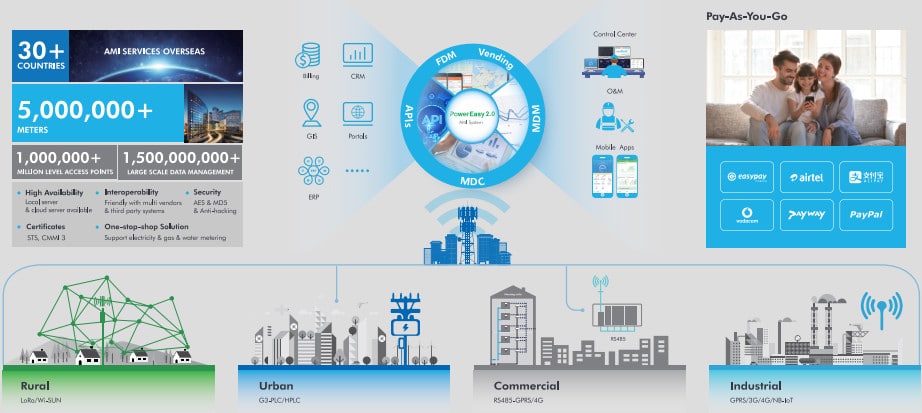
It does this by integrating many forms of newer technology that put it above traditional grids, including smart meters. Unlike older meters that require an employee to go from building to building to determine each consumer’s usage, smart meters use two-way communication to benefit both the user and the supplier.
Unlike previous grids, these meters report a home’s energy consumption automatically and allow for real-time communication and control over the system. This prevents the need for consumers to make estimated payments. They also allow for variable pricing, which can help users lower their electric bills by moving non-essential consumption to off-peak hours.
In turn, this eliminates the need for rolling blackouts to conserve grid power in some places, like the ones that Californians experienced in the early 2000s under former Governor Gray Davis.
They also include digital sensors that can detect how consumers use their power and help identify inefficiencies. For example, a customer who owns an older refrigerator or stove that consumes more electricity than a newer model could receive a notification about the increased usage. Over time, a newer model would pay for itself through lower monthly electric bills.
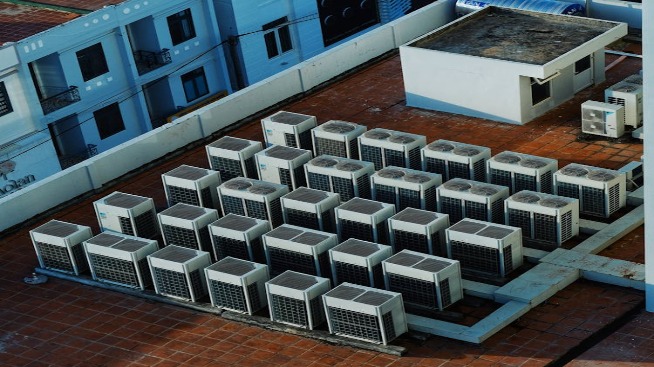
Smart Grids can easily be integrated with the Internet of Things (IoT), which refers to smart devices with sensors. Electricity can be diverted from these devices during times they aren’t needed, like an air conditioning unit in the winter or a heater during the day.
Smart Grid Components
A Smart Grid is made up of several important components, including smart meters and smart appliances, which can help homes use electricity in an efficient and non-wasteful manner, saving money for both themselves and their energy supplier.
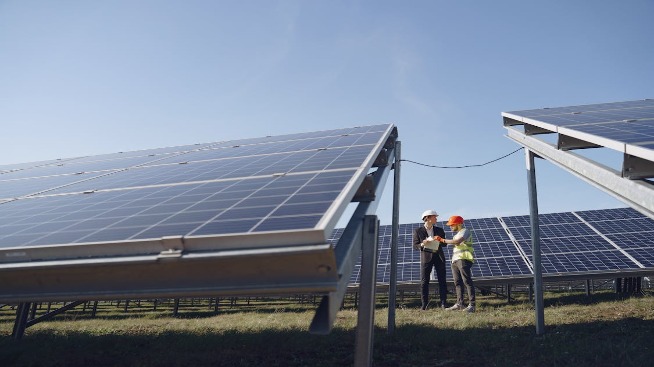
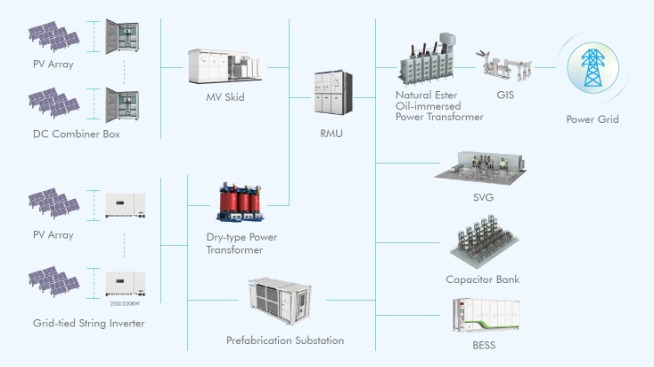
Renewable energy sources and storage systems can better protect the environment. A consumer who uses solar panels can feed some of that electricity back into the system and receive a credit on their bill.
The Information and Communication Technology infrastructure allows feedback between users and the electric company, benefiting both parties by reducing costs and therefore bills.
Smart Grid Technologies
The Smart Grid functions efficiently and effectively thanks to several specific technologies, including its keystone, the smart meter.
In addition to the previously mentioned benefits, the two-way communication also allows for instant end-user notifications when a service interruption is detected. In some cases, these may even arrive before the power outage affects the consumer, giving them time to prepare.
Another important part of the system is the use of synchro phasor data, which enhances the utility company’s real-time monitoring of the system to ensure that everything is running as smoothly as possible. It also makes errors, inefficiencies, and other problems more easy to identify, allowing the system to operate as intended.
Smart Grids also utilize data centers that help organize information from individual consumers and help analyze the information received by the smart meters and monitoring systems. The information is compiled and stored with the protection of an encryption algorithm that is designed to protect customer privacy.
Finally, these technologies combine to help create a Demand Response system, which rewards customers for reducing or shifting their energy usage into off-peak hours, which lowers demand on the overall grid and ensures stability during peak hours. These savings can be combined with solar panel energy credits to make the system even more affordable.
Smart Grid vs. Traditional Electric Grid
One major advantage of the Smart Grid is its increased functionality over its traditional counterparts. The two-way communication allows for much more than just companies providing power to consumers. It also offers higher performance than traditional technologies.
Perhaps most importantly, they also cause a lower level of environmental impact by using energy more efficiently, which is essential in the global fight against climate change.
The impact on business operations also cannot understated, as it allows companies to regulate their energy consumption better and be better environmental stewards, which lowers overhead and increases profits.
What are the Benefits of the Smart Grid?
The Smart Grid system has many benefits, both independent from and relative to previous systems. Overall, the system is a massive benefit for residential users, businesses, electric companies, and governments.
One of the primary benefits of the Smart Grid system is its operational efficiency, which lowers energy consumption and prevents the need for rolling blackouts to conserve grid power. It also reduces waste, as energy is no longer sent to devices or systems that don’t always require it.
They are also much more cost-effective than traditional systems for all parties. Lower energy distribution from the company, more efficient usage from end-consumers, and bill credits for customers with solar panels that redistribute excess electricity back into the grid.
Additionally, the level of control over electricity use is greatly enhanced, as it can be distributed more efficiently. Grids can be better monitored, outages can be identified more quickly and possibly prevented, and other potential issues can be resolved before affecting consumers.
Conclusion
Smart Grids are less expensive, more environmentally friendly, offer more control, and represent the future of the electricity industry. For more information or to find out how your operation can benefit from this exciting new technology, check out Chint Global, the worldwide leader in electrical technology.