

Table of Contents |
Nowadays, LED lights are widely employed due to the high efficacy, low power consumption, and good light output. As a result, LEDs are more valuable than incandescent lights. A wide range of colors is now available in LED lighting, making it easier for people to decorate their homes and offices.
Offices benefit greatly from LED lighting. Working in an office necessitates a constant stream of electricity use. LED lighting is the most energy-efficient option available right now. Of course, this isn’t the only advantage of switching to LEDs; check out these other reasons!
Do LED bulbs use less electricity?
LED lighting saves money because it uses less electricity and lasts longer than incandescent, halogen, and energy-efficient light bulbs (CFLs), which are more expensive.
What is the highest lumen LED Bulb?
As LEDs become more popular, wattage becomes less relevant in determining brightness. Lumens are a difficult measurement to grasp in terms of light if you’ve never heard of it before. It’s easy to see how several Incandescent bulbs’ wattage and lumen output can be compared.
LED bulbs should be installed now. The points put forward are compelling. Additionally, LED lamps are far more efficient than incandescent bulbs. Saving money on your electric bill adds to this environmentally friendly practice.
Color changing LED bulb lighting and LED filament bulb integration with your security system or voice assistant are made possible by LEDs in the modern smart home. If you’re still using incandescent bulbs, you’ll have to replace them at some point in the future.
For the brightest LED light or the highest lumen LED Bulb in your home, go no farther than the 5000 Lumen LED Bulb of Phillips.
The LED Dimmable Light Bulb is the brightest “Warm White” bulb with LED light. This 3500-lumen Bulb has a warm white color and is energy-efficient. It is also a great option as an LED night light bulb.
For a garage or warehouse, the brightest LED Bulb is available. Light output is 5500 lumens for the SANSI 40W LED Light Bulb. A “daylight” quality of 5000K is what you get with this Bulb.
What are the three types of LED?
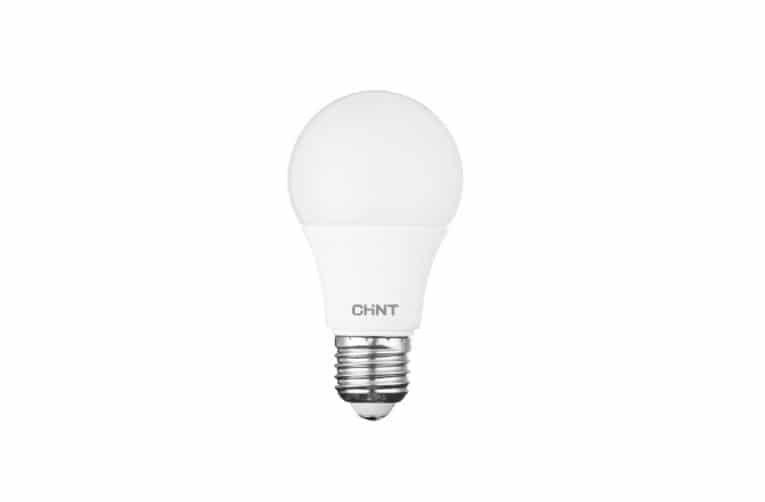
1. LED bulbs
Modern architecture lighting can benefit significantly from LED bulbs. Light-emitting diode (LED) bulbs are both environmentally friendly and efficient. With the LED lamps, there is no flickering and minimal glare.
A dimmer switch can also be used to adjust the brightness of LED lighting to match the room’s atmosphere. With LED bulbs, you can choose from a variety of colors and styles to make your home or office look more cheerful.
2. LED panel lights
It’s a thin architectural marvel in the form of LED panel lights. Additionally, LED panel lights save energy, are kind to the environment, have low-heat output, and require no upkeep.
LED panel lights are incredibly long-lasting and can be used for many years at a time. For the life of the LED, the light output is better than that of a CFL, and it never dims. Temperature-dependent LED panel light color temperatures to range from warm white to cool daylight to cold daytime.
Because they may be used to illuminate fake ceilings and the primary workspace, LED panel lights are ideal for offices of all sizes. This lamp provides enough light to avoid eye strain for those who need to read or operate on a laptop.
3. LED tube lights
Compared to fluorescent tube lights, LED lights are more cost-effective, environmentally friendly, less heat-producing, and less labor-intensive to maintain. In addition, LED tube lights provide uniform lighting and significant savings on power usage, making them an excellent choice. LED tube lights can be used in high-ceilinged offices since they illuminate the entire space.
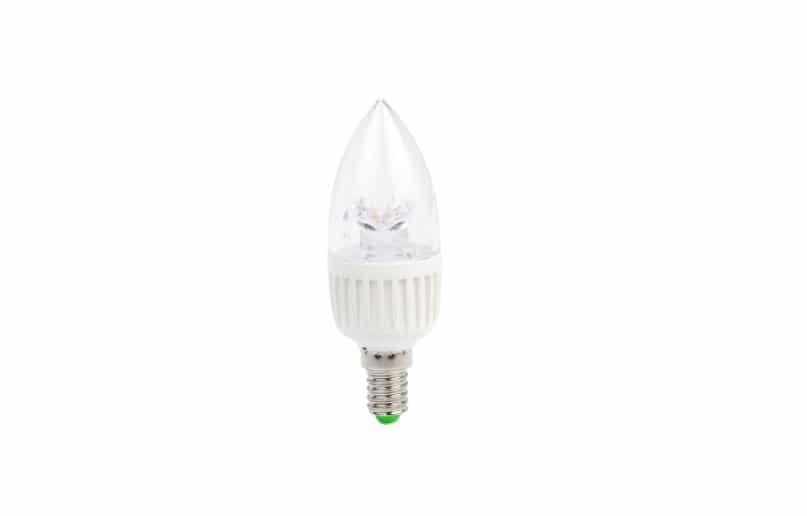
CHINT LED Bulb
LED Bulb-01
LEDs have the ability to shine brightly at a very high level. In order to make the conversion to LEDs or another energy-efficient lighting, look at the Bulb’s lumen output rather than the wattage of the Light Bulb.
LED Bulb-02
LEDs can produce a high level of luminosity. That’s why wattage is no longer a reliable indicator of light output when it comes to LEDs or other energy-efficient lights. Instead, look at a bulb’s lumen output.
LED Bulb-03
They can convert 70 percent of their energy into light due to their high lumen output per watt. Because they don’t waste energy by converting it into heat, they are substantially more efficient than traditional bulbs. For the same amount of light output as a 40-watt incandescent bulb, it only takes a 6 watt LED bulb, and their lower temperature also makes them safer to use.
When it comes to electric motor controls, building automation, and safety products, Chint is a reliable distributor of only the best brands. Over the past two decades, we’ve earned a reputation for our competence in industrial automation.
In Chint’s intelligent building systems, the best in electrical, mechanical, fire, and security systems are integrated. Environmental testing and parking management are two examples of these. LED security, landscape, architectural, and landscape lighting options. Rechargeable work lamps and battery-powered head torches allow you to work without electricity.
How much energy do LEDs use?
Because diode light is more power efficient than filament light, LEDs use less energy than incandescent bulbs. More than seventy-five percent less energy is consumed by LED lights compared to incandescent bulbs. The discrepancy is considerably more pronounced at low power levels.
Bright LED flood lamps draw only 11 to 12 watts, compared to a 50-watt incandescent bulb, yet produce the same amount of light output. When it comes to purchasing new lightbulbs, you may have encountered a seemingly unlimited number of choices.
All kinds of new light technology have been offered to us by recent advancements. Lighting has evolved over time, from simple sources of light to ones that can detect sound waves and even ones that can kill bacteria (yes, this is a real thing).
With LEDs, can I save money?
LEDs are now widely accepted as a way to save energy, but some consumers are still wary of shelling out the extra money for them.
But it is worth it.
Conclusion
Houses, no matter what layout and design, are always dependent on lightbulbs, especially at night. Because of that, everyone once in their lives may have asked how much energy or electricity their bulbs use. People may feel worried about the costs and energy use even if it’s just one bulb.
It’s a good thing that there exist bulbs like CHINT LED which are all-in-all convenient, aesthetic, and economical. You don’t have to worry much about your home getting the light that it deserves at night. You can go all out and party all you want with the CHINT LED bulb!