

Table of Contents |
AC voltage regulators are essential devices in modern electrical systems. These devices help maintain stable voltage levels despite fluctuations in power supply. There are two main types: 3 phase voltage regulators and single phase voltage regulators. Each type serves different purposes. This article gives a comprehensive guide to them.
Voltage Regulator Overview: Single-Phase and Three-Phase
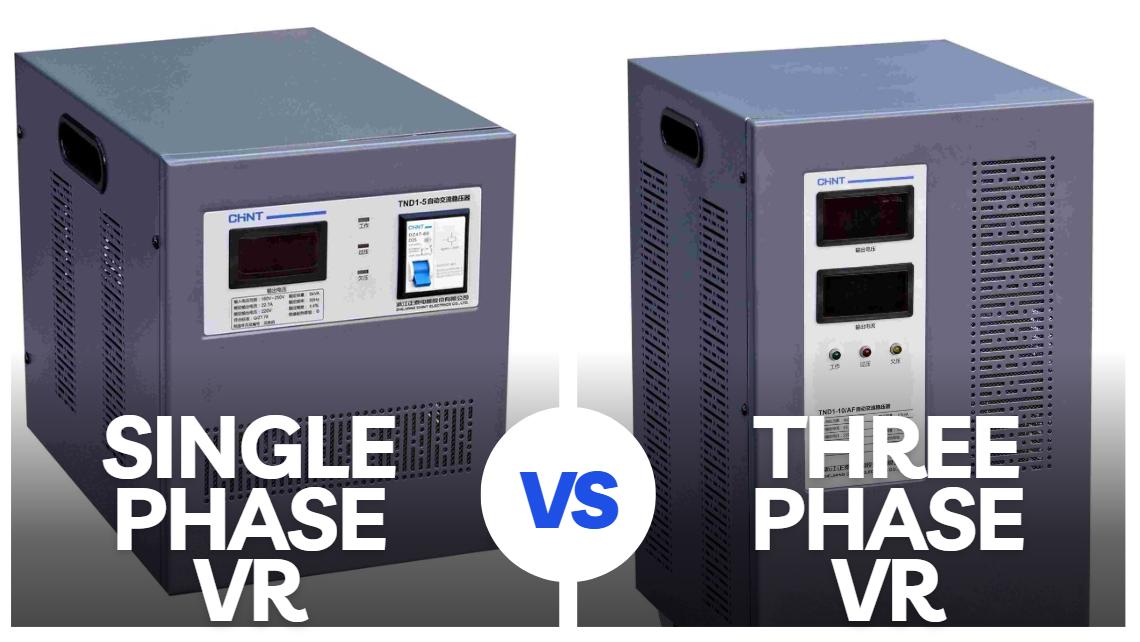
Voltage regulators protect systems/equipment from damage caused by voltage variations. The single phase voltage regulator works with one alternating current phase. The 3 phase voltage regulator handles three separate phases of power. The following aspects highlight their other differences:
1. Components and Design
Single phase voltage regulators have a simpler design. They consist of one transformer and a control circuit.
3 phase voltage regulators are more complex. They rely on a single integrated control circuit to manage three phases simultaneously with multiple transformers.
2. Working Principle
The single phase voltage regulator monitors one voltage line. It adjusts output based on input variations. The process involves stepping voltage up or down as needed.
Three phase regulators monitor and regulate three separate voltage lines. It must keep the voltage gap between phases within a certain range.
3. Usage Scenarios
Single phase voltage regulators are often used for household needs. They protect computers, TVs, and small appliances. These devices typically need less power.
Three phase regulators serve industrial purposes. They support large machines and factory equipment. Manufacturing plants and commercial buildings rely on 3 phase voltage regulators.
FAQs about Voltage Regulators
Here are some common questions you may be interested in:
1. How to Wire a 3 Phase Voltage Regulator?
Start by identifying input and output terminals. Connect each phase line to its corresponding input terminal. Match the neutral wire to the neutral terminal. Follow the same process for output connections.
Always use proper cable sizes. Phase rotation meters help verify correct connections. If you need assistance, don’t hesitate to get help from a qualified electrician.
2. How to Wire a Single Phase Voltage Regulator?
Connect the line wire to the input terminal. Attach the neutral wire to its designated spot. Link the ground wire.
Next, connect output terminals to your equipment. It’s important to use appropriate wire gauges. Make sure that all connections are tight. Double-check polarity before powering up and installing surge protection devices.
Finally, test the system under varying load conditions.
3. Can a Single Phase Regulator Be Used as a 3 Phase Voltage Regulator?
No, single phase voltage regulator devices can’t handle the three phase power. They lack the necessary components that a 3 phase voltage stabilizer has. The circuits aren’t designed for multiple phases. Using them this way could cause damage. It might also create safety hazards. It’s recommended to always use the right type of regulator for your needs.
4. Which Voltage Regulator to Choose?
To choose the right device, it’s advised to consider your power requirements first. Check the voltage range you need. Choose the 3 phase voltage stabilizer or a single phase one based on your specific situation. Compare maintenance requirements between models and also consider the total cost of ownership.
CHINT’s TND1/TNS1 series is a popular choice. It offers automatic voltage control with advanced sampling technology. These automatic AC voltage regulators excel in areas with frequent voltage fluctuations. These include industrial settings, medical facilities, and more. The servo-motor-driven design of these AC voltage controller devices ensures precise voltage stabilization. This makes them ideal for both critical operations and everyday applications.
Conclusion
Voltage regulators play key roles in power management. Each type has specific applications. Single phase voltage regulator units protect home devices. 3 phase voltage regulator systems support industrial needs. At CHINT, we offer reliable solutions for both types. We have spent over four decades developing smart energy solutions like these. Browse our complete range of electrical solutions. Feel free to get in touch with us to learn how we can support your power management needs.