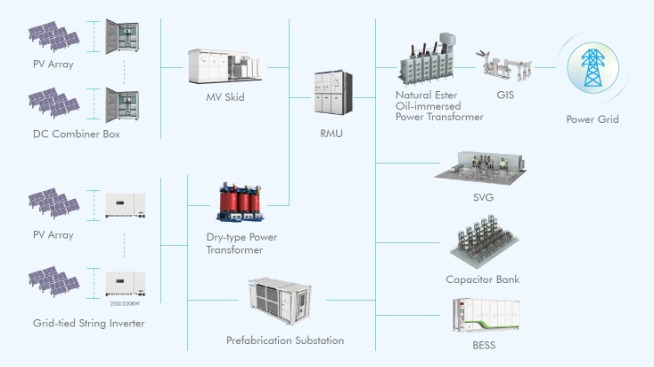



What is a switch disconnector? How does it work? A disconnector disconnects an electrical network for safety reasons. Disconnector is a technical term that is used for a device that can isolate a particular load. In this article, we will know more about switch disconnector.
What Are Switch Disconnectors?
As stated earlier, a disconnector or power isolator can disconnect electrical equipment for maintenance and repair. It is used for electrical disconnect for safety purposes. The objective is to stop the flow of electricity. Without electric flow, the professionals can access the equipment and devices and complete the maintenance job safely. The disconnect switches stop the electric flow from input to output. There are different types of disconnectors. Some can be operated manually. You can also get automatic disconnectors. The usage will vary depending on the disconnector.
When it comes to the switch disconnector, it serves the same purpose as the disconnector. The electrical isolator or switches will combine the qualities of the load switch and the disconnector.
Therefore, you can expect more benefits. A switch disconnector can isolate an electrical device. In addition to this, it can break and make the energized circuits. In the current condition, you will find different types of switch disconnectors that include circuit breakers, fuse switch disconnectors, and normal disconnectors. All these are designed to serve different purposes with the same objective.
What Is the Difference Between Circuit Breaker and Disconnector?
When it comes to switch disconnector vs circuit breaker, both these devices will offer different services. The switch disconnector works with a simple objective. In simple words, we can say that it will disconnect the power or current to enable electricians to do the maintenance, repair, and inspection job safely. As mentioned earlier, there are different types of switch disconnectors. You can find the best ones from CHINT .
A circuit breaker is capable of doing more tasks than a switch disconnector. It can make, carry, and break the current under standard circuit conditions. The usage of a circuit breaker is well made to fulfill the requirements of a disconnector or load switch. It can offer complete isolation like the switch disconnector whenever required.
A circuit breaker can be used as a protective device that can control the flow of the current just like a fuse. You might not expect this benefit from a switch disconnector. The breaker will break the circuit in adverse conditions like overloading and short circuit. Also, you can control a circuit breaker manually. Some also feature automatic operation. There is a relay inside the breaker. The relay can sense the errors and send signals to close the contacts.
In brief, we can say that a switch disconnector is used as a disconnecting device. It helps to stop the power flow completely. A switch disconnector is mostly associated with a load switch or circuit breaker. However, the circuit breaker works as a switching device. It is designed to cut the short circuit current and rated current. Both these devices complement each other to create a safe environment.

How Do Disconnectors Work?
The objective of a disconnector is to offer electrical disconnect. Most of them come with a motor-operated or manual drive mechanism. Users will have to select the correct operating method for a specific substation. The disconnector mechanisms feature many auxiliary switches. The switches will offer a remote indication about the electrical interlocking, disconnector position, and current transfer switching.
There will be earthing switches. These switches are associated with the disconnectors. These interlocked switches will be mounted on the same frame. However, a separate mechanism will be used. It will avoid the requirement of different post insulators for earth switches. Also, it will simplify the interlocking. Usually, the earth switches are made for isolated and dead circuits. They do not come with a fault-making ability. If you want fault making ability, you can consider some specific designs.
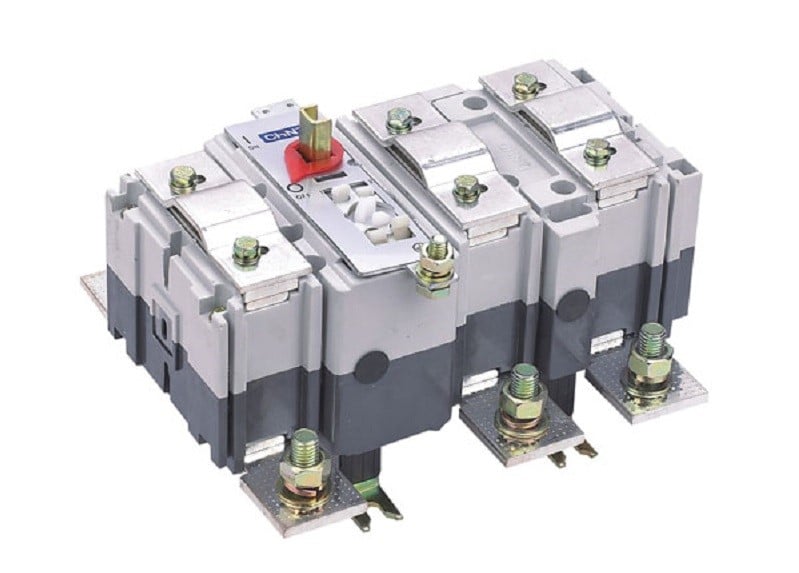
What Is It Used for?
A disconnector, isolator switch, or disconnector switch is used to de-energize the current for maintenance and service. In electric engineering, a disconnector is used to break the circuit found in the electrical distribution. They are used in industrial applications. A disconnector can be manually or motor-operated. It can be paired with the earthing switch for offering the required safety to the professional who is working to fix any electrical issue.
High-voltage disconnectors are mostly used in electrical substations to isolate transformers, transmission lines, and circuit breakers for maintenance. The disconnector offers safe isolation. It does not control the circuit. It lacks the mechanism to suppress the electric arcs that happens when the high currents are interrupted electrically. Therefore, disconnectors are called off-load devices. They will not break and make currents. Instead, they will completely isolate currents.
Conclusion
A disconnector is used as a disconnecting device that isolates either a part of the circuit or the whole of the circuit. The isolator is used when electric personnel want to disconnect a circuit portion to find out any issue in the main power supply. The disconnector will block the DC while enabling the AC flow. The switch disconnectors are considered the best for high voltage equipment that includes transformer substations. Nowadays, disconnectors are also considered for MV installations.
As different types of disconnectors are available, it is important to find the right one for use. All switch disconnectors are made differently and work differently as well. Even if the function is almost the same, there will be physical and operating differences.