Please enter keywords to search

Global |EN

Choose your country & Language

Asia Pacific

Australia & New Zealand
India
Indonesia
Malaysia
Philippines
Singapore
Singapore (Sunlight)
Vietnam

Middle East & Africa

Saudi Arabia
South Africa
UAE
Egypt
Kenya

Europe

France
Kazakhstan
Italy
Netherlands
Spain
Turkey
United Kingdom

North America

Mexico
USA
Canada

Latin America

Brazil
Colombia
Ecuador
Peru
Choose your country & Language

Australia & New Zealand
India
Indonesia
Malaysia
Philippines
Singapore
Singapore (Sunlight)
Vietnam
Saudi Arabia
South Africa
UAE
Egypt
Kenya
France
Kazakhstan
Italy
Netherlands
Spain
Turkey
United Kingdom
Mexico
USA
Canada
Brazil
Colombia
Ecuador
Peru
Please enter keywords to search

Your search term contains restricted words. Please use different keywords.
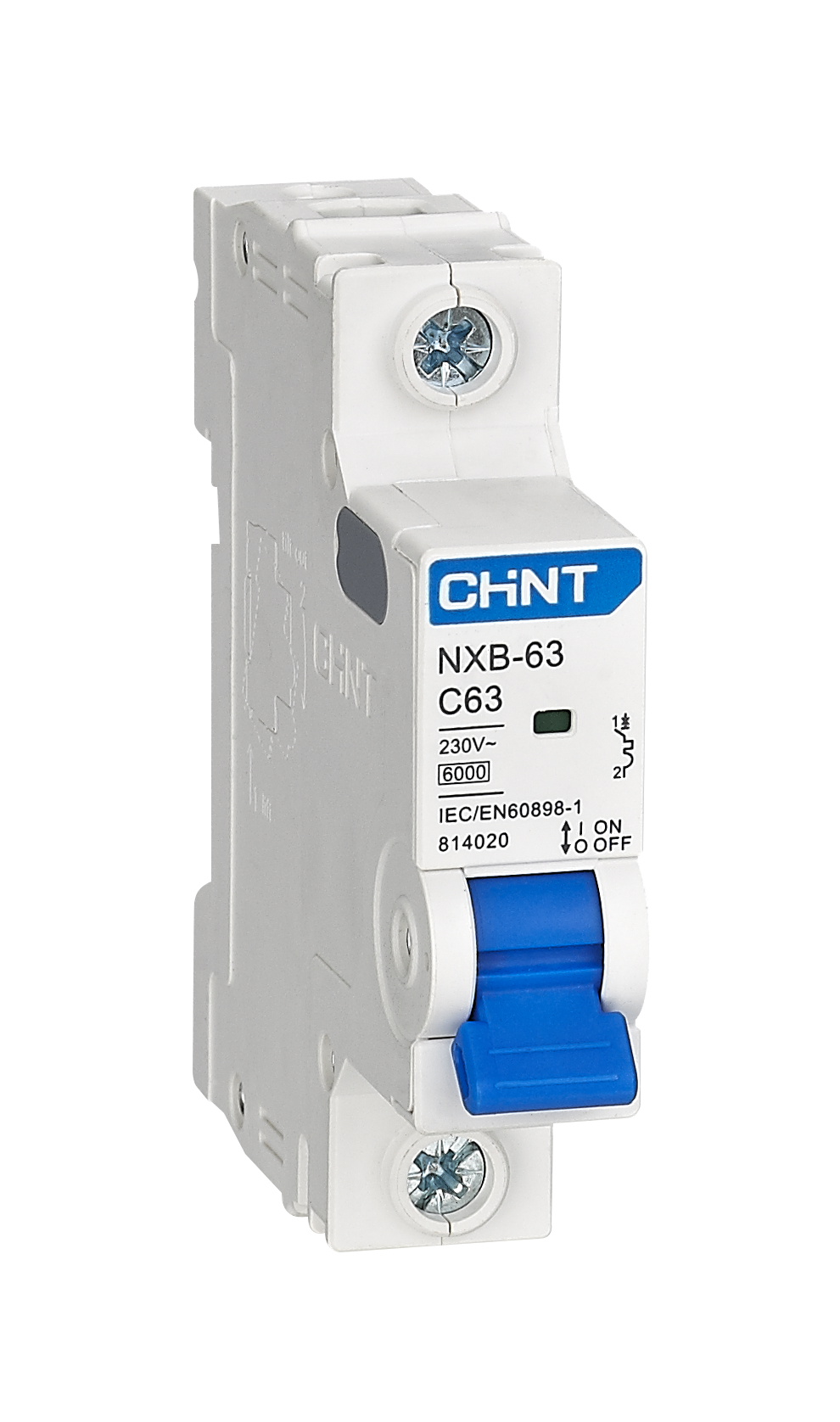
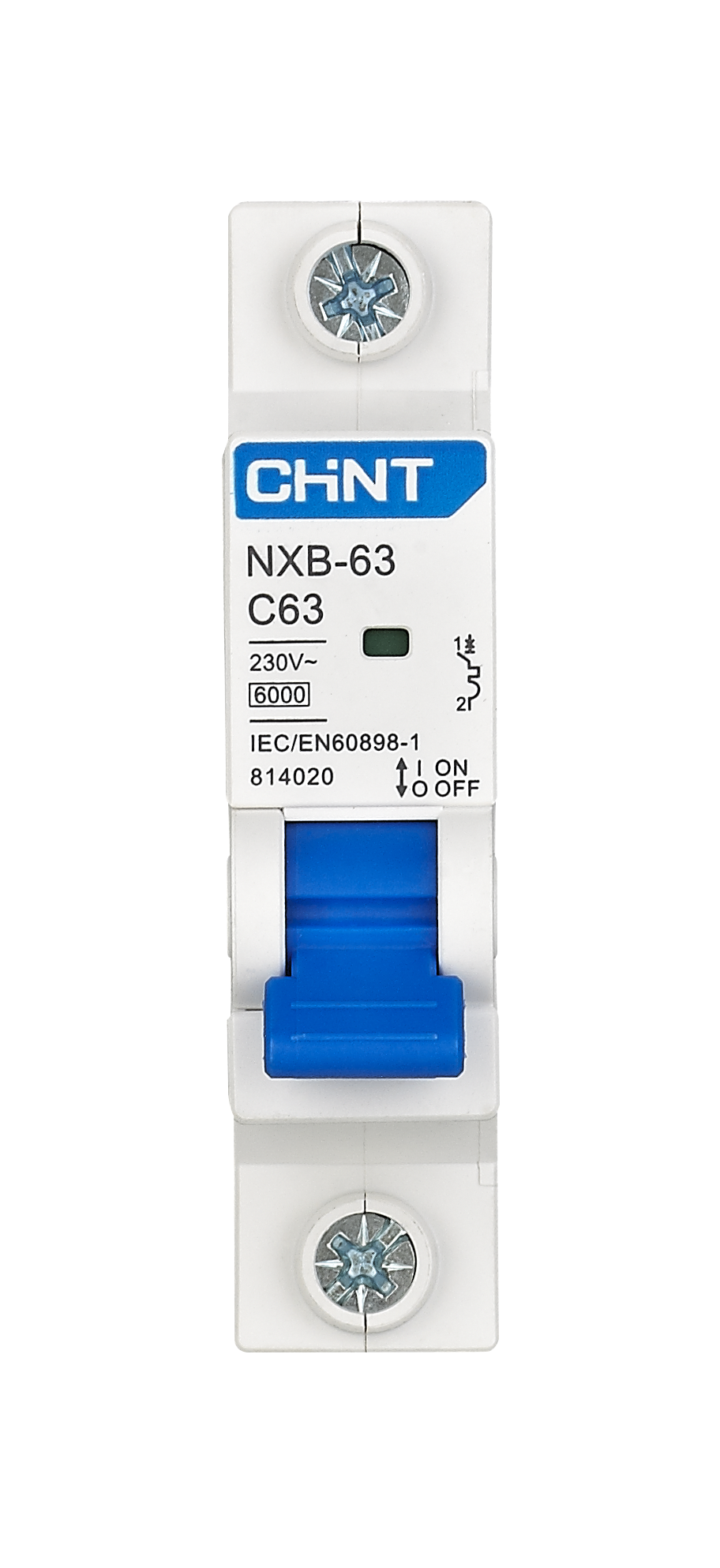
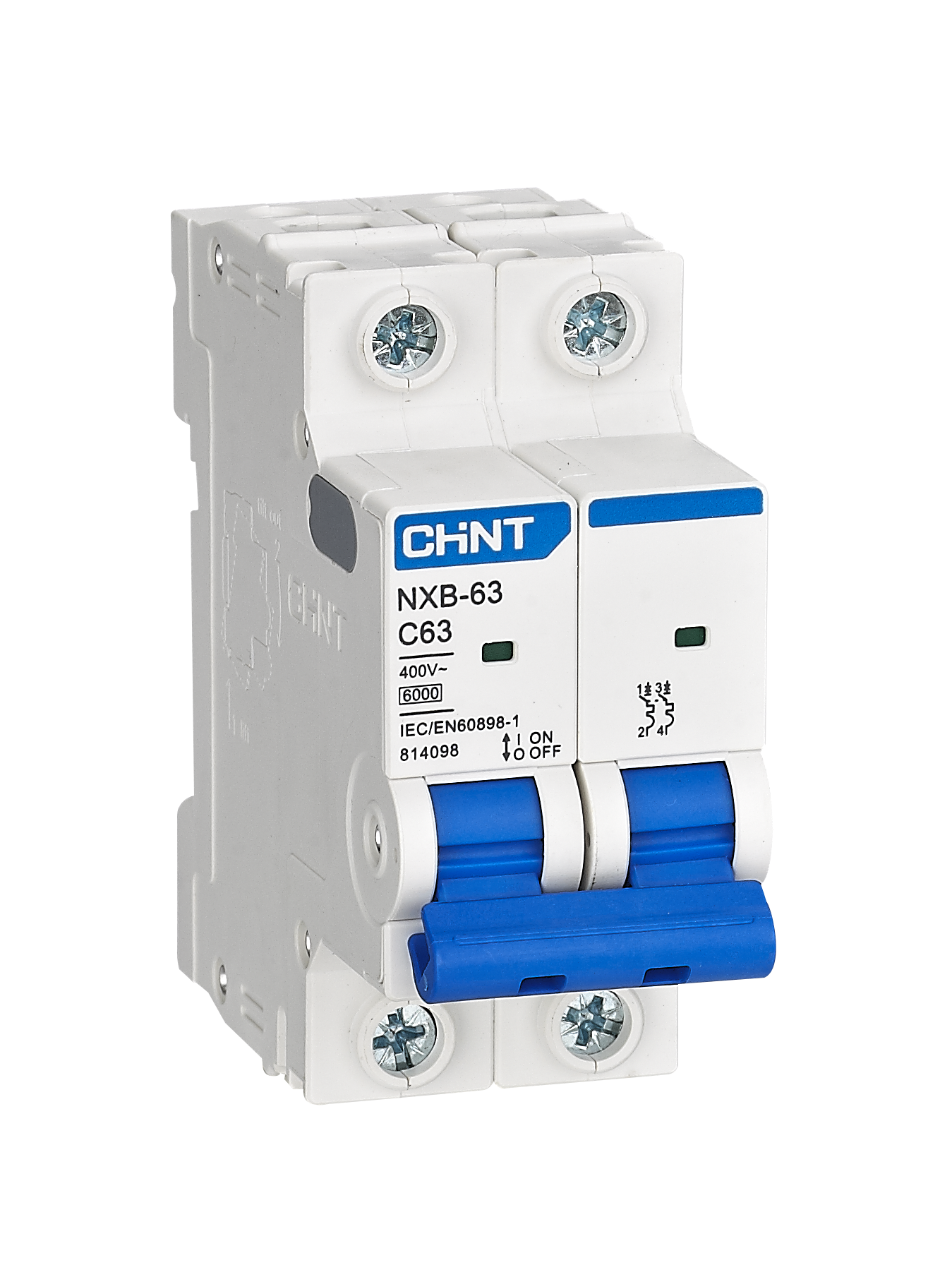
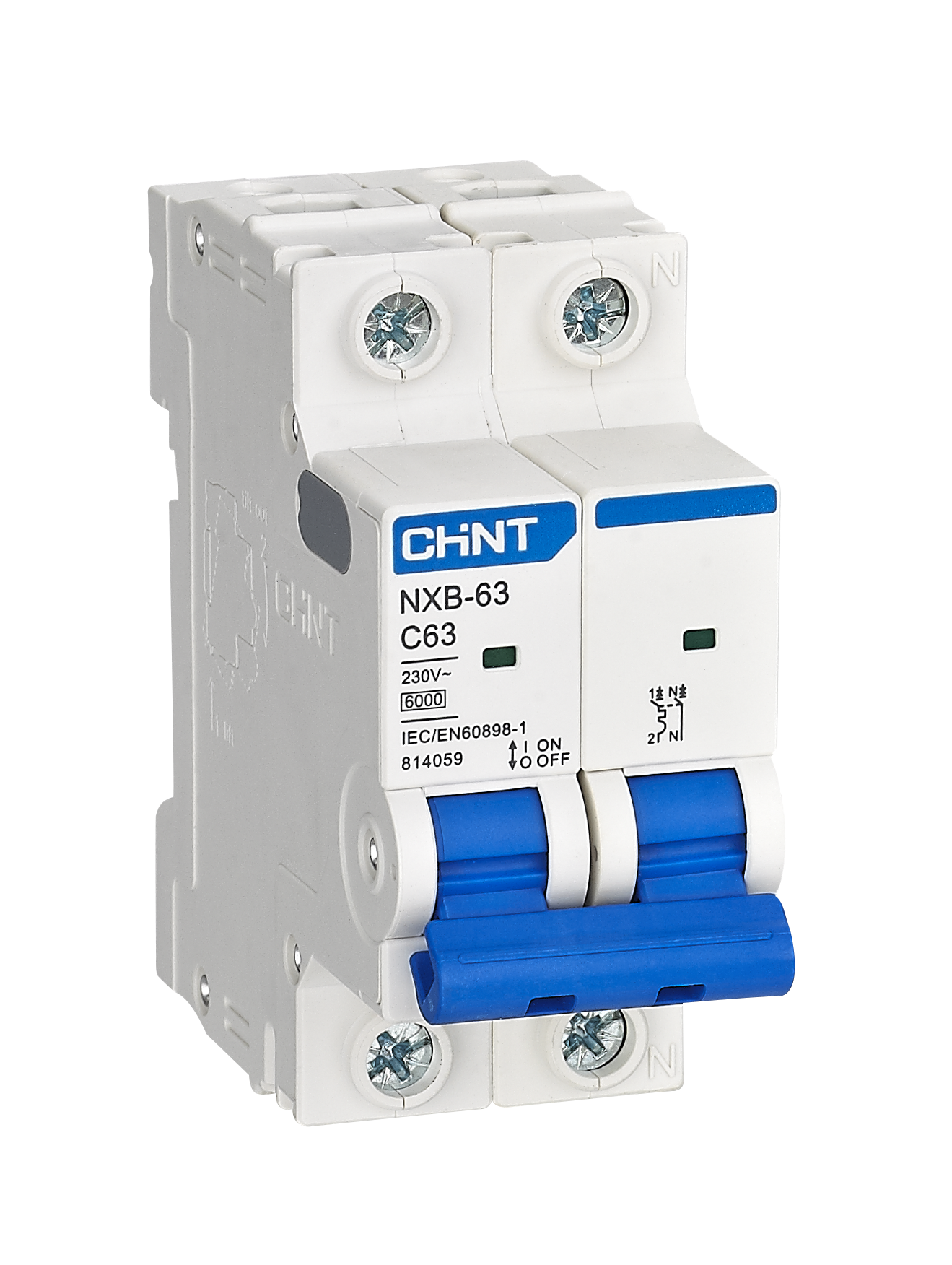
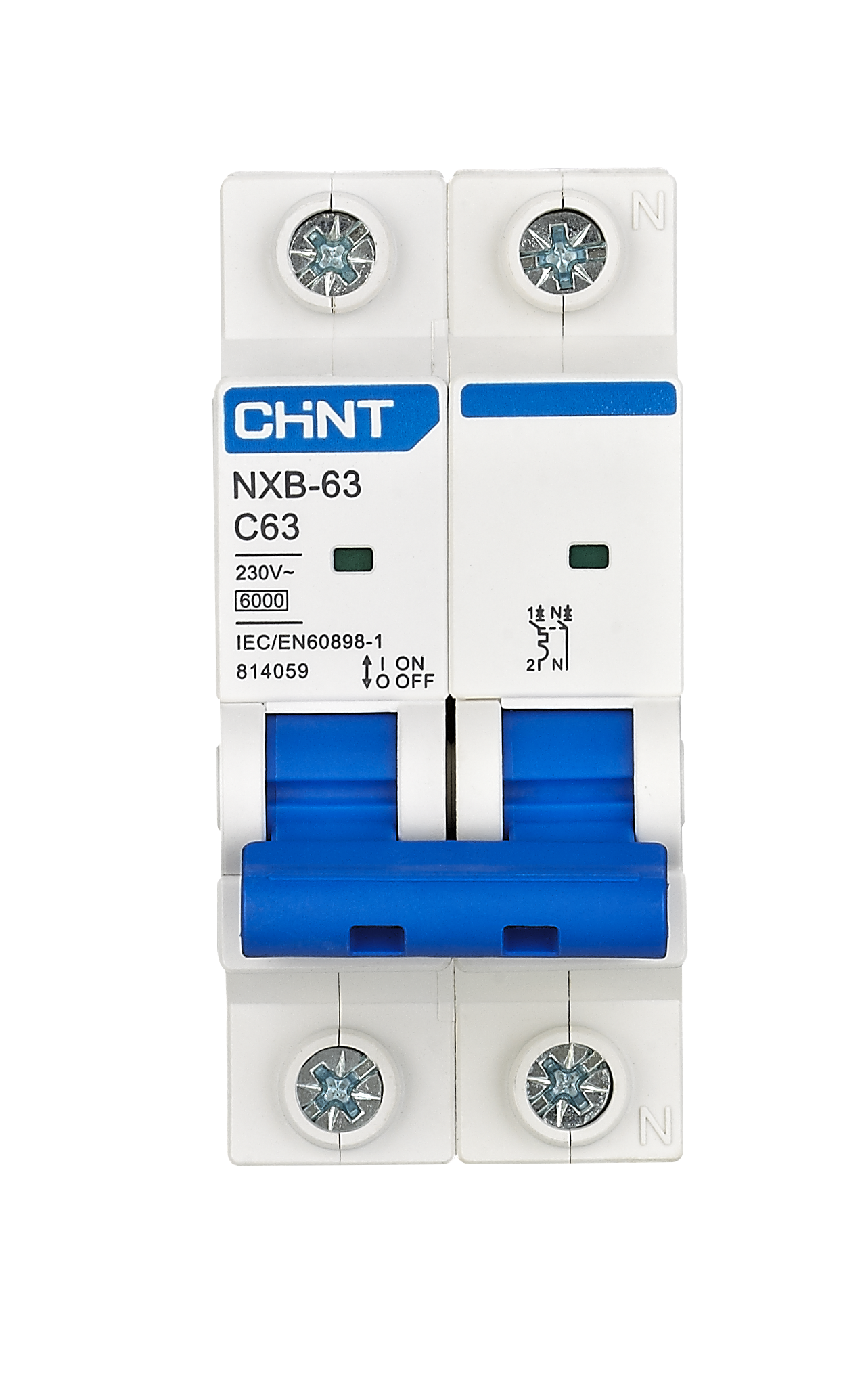
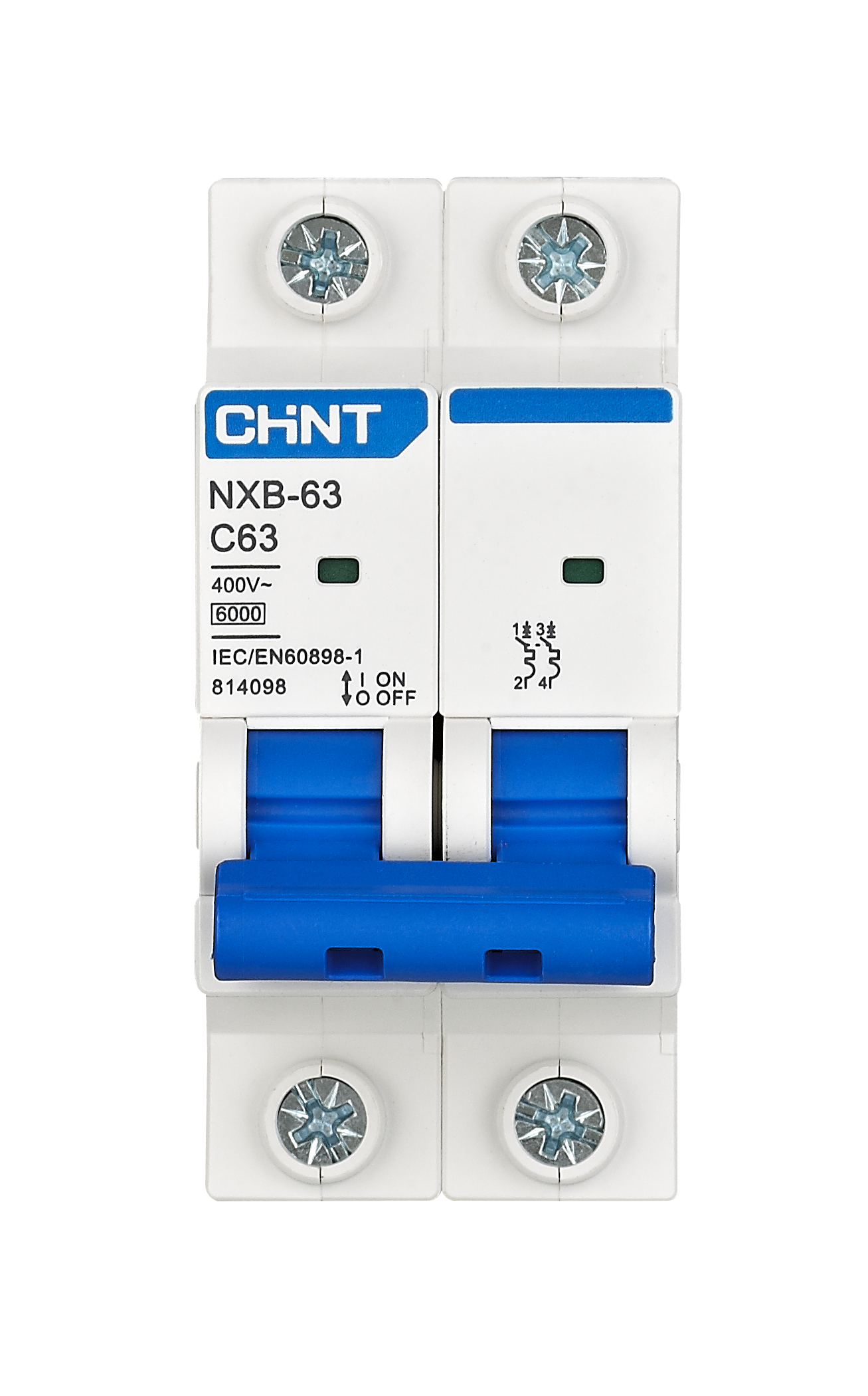
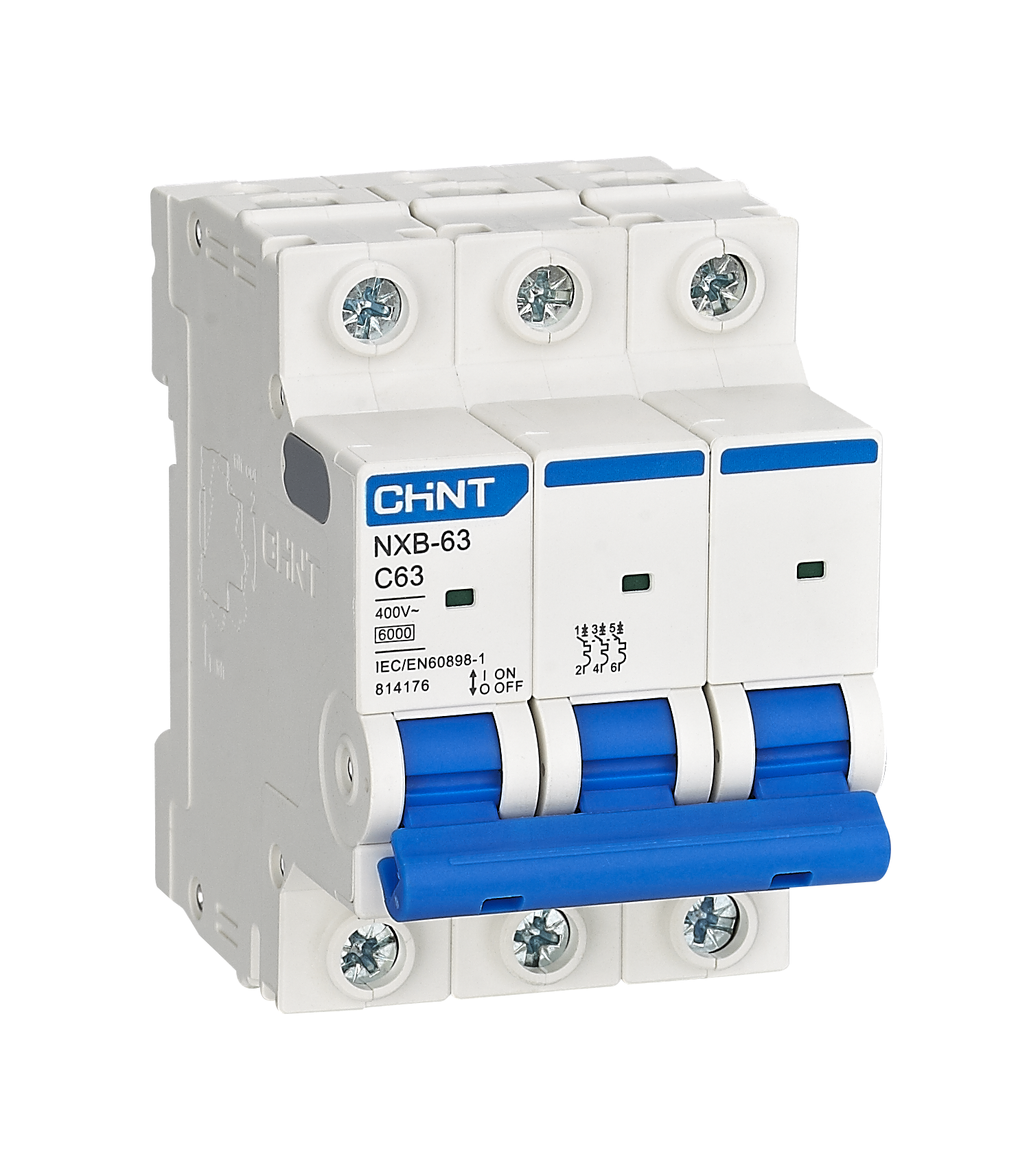
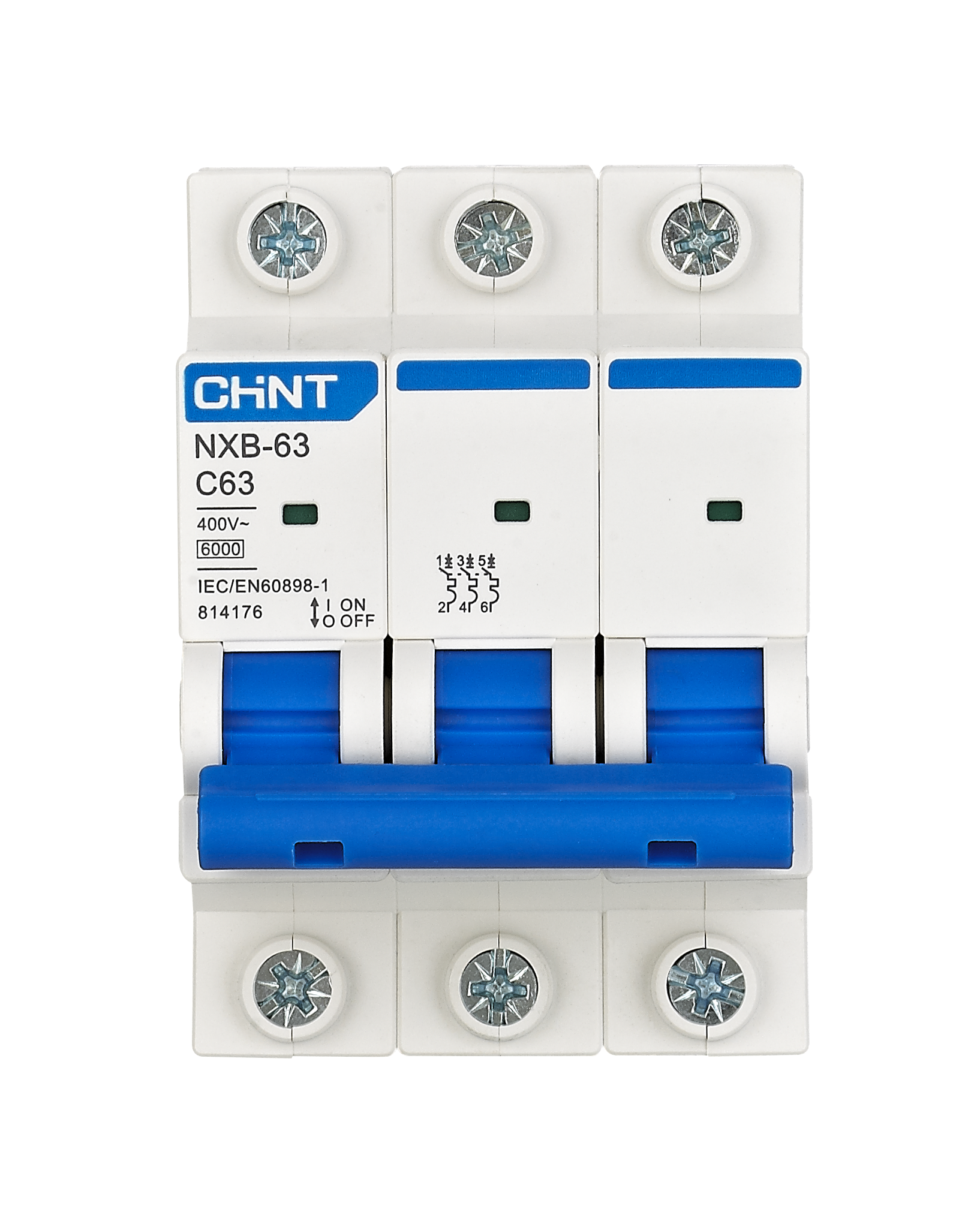
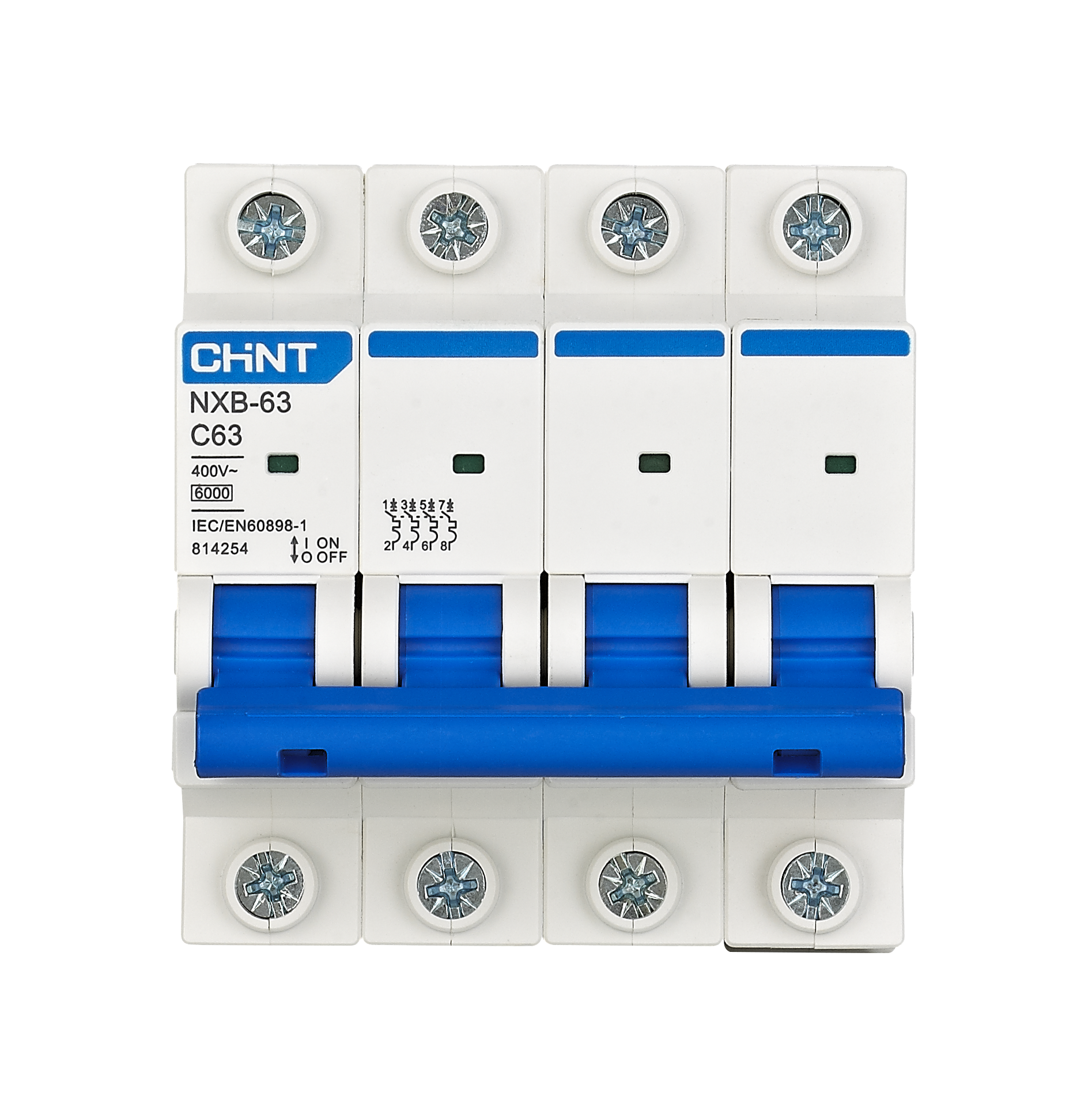
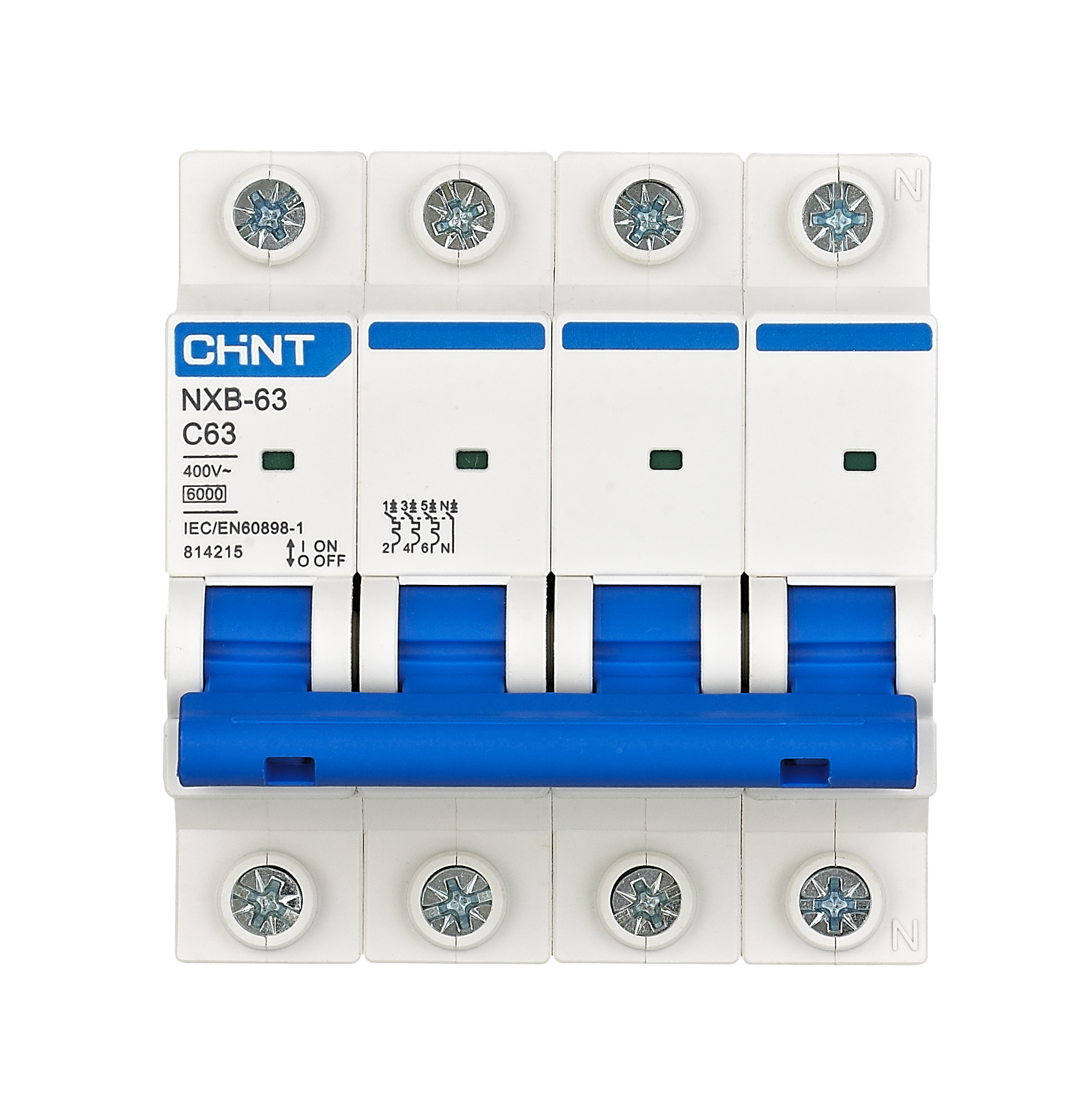
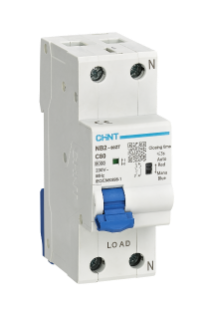
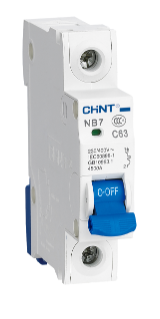
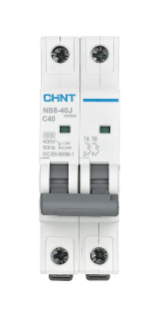
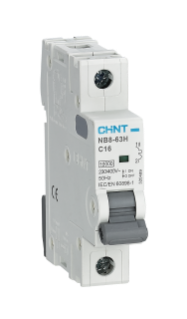
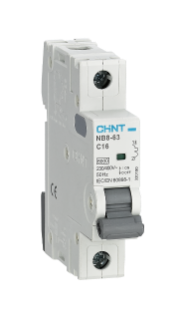
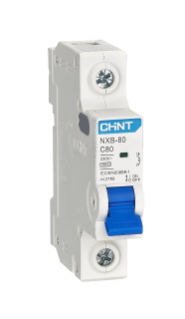
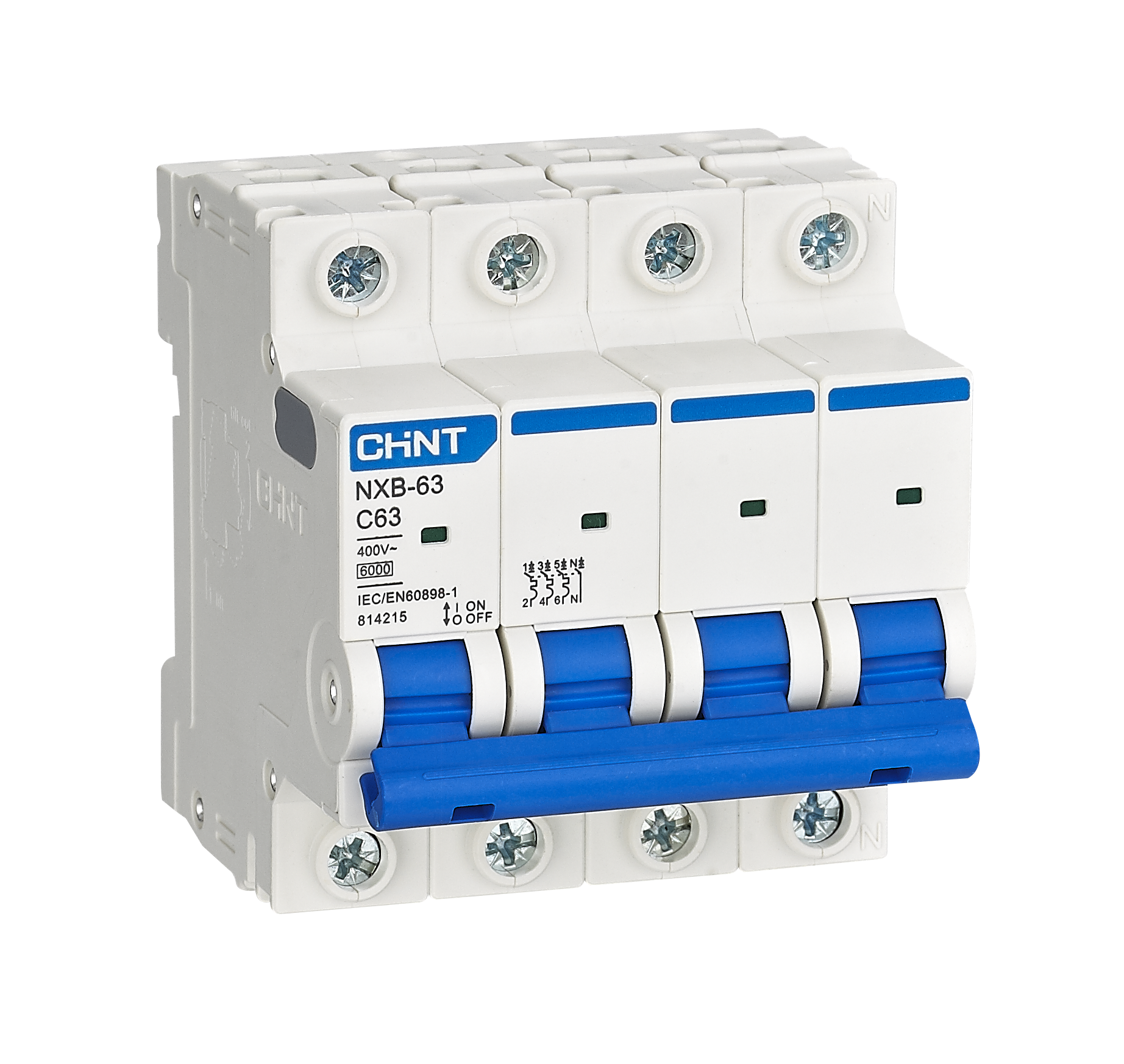
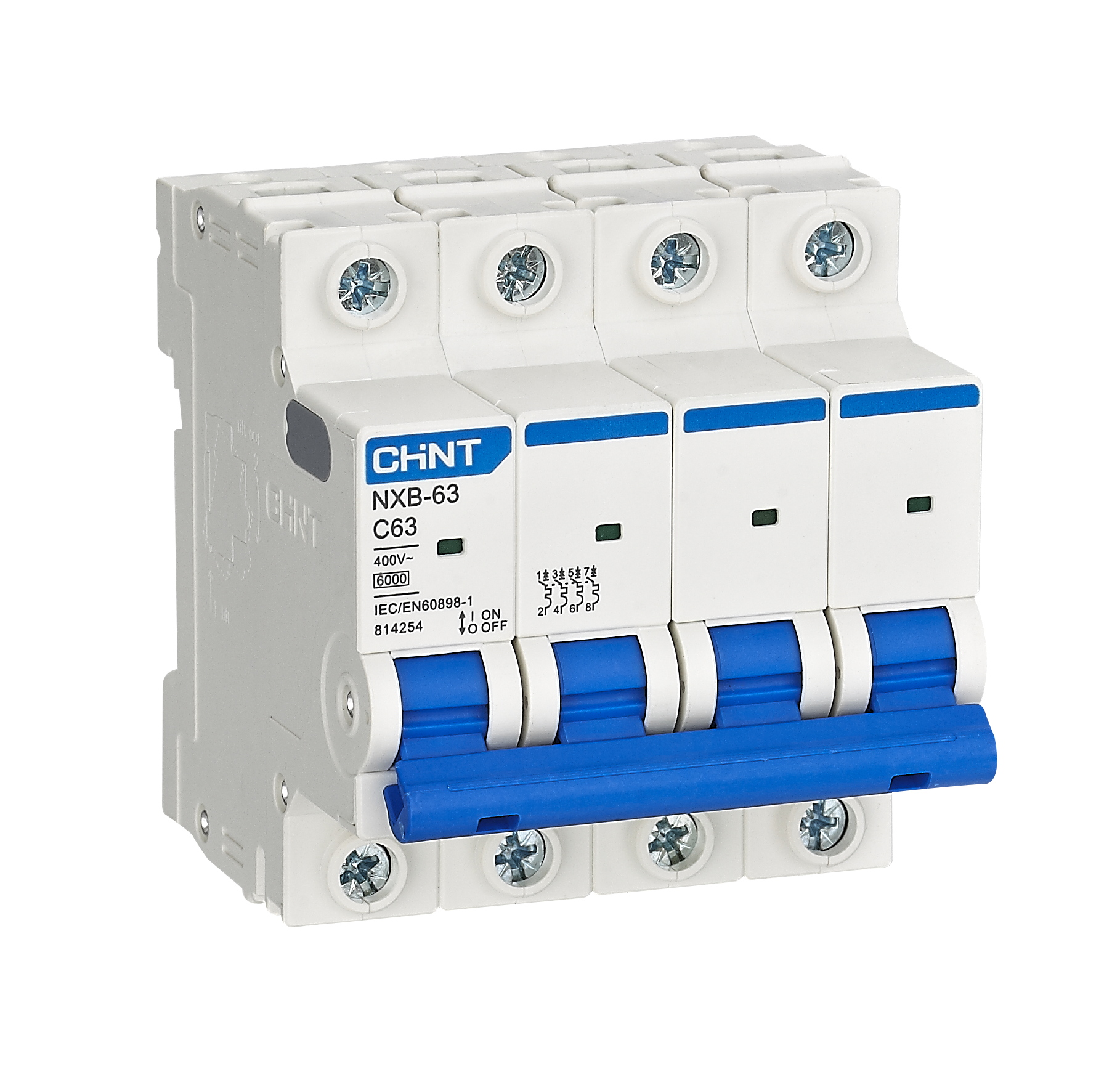
NXB-63 Miniature Circuit Breaker

NXB-63 Miniature Circuit Breaker

The NXB-63 Miniature Circuit Breaker (MCB) delivers essential overload and short-circuit protection for electrical circuits up to 63A. NXB-63 MCB also provides circuit switching and isolation, enhancing safety and reliability across residential, commercial, and industrial power distribution systems.

Product Information

Recommend Blogs
JUNE 12, 2025 What Is Motor Start Up Current and Why Is It So High?

Discover why motor start-up current is so high and how it affects electrical systems. Learn how to protect motors effectively with CHINT's solutions.

JUNE 12, 2025 Selecting the Right Air Circuit Breaker for Data Centers and Critical Power Distribution

Discover how to select the right air circuit breaker for data centers. Learn about CHINT’s NA8 features, certifications, and smart integration benefits.

JUNE 11, 2025 Everything You Should Know About Solar Pumping System

Understand the benefits, applications, and components of solar pumping systems including CHINT’s NVFPV drives for reliable water access.

JUNE 10, 2025 How Altitude Affects the Performance of Moulded Case Circuit Breakers

Learn the effects of altitude on circuit breakers and explore CHINT’s NM8N-HV MCCB built for extreme conditions with high performance and safety.

JUNE 9, 2025 What Is A Pulse Relay and How Does It Work?

Explore the energy-efficient pulse relay technology used in automation, lighting, and security systems. Featuring CHINT’s NJMC1 relay for reliable performance.

JUNE 7, 2025 Understanding AC Contactors: Uses and Warning Signs of Failure

Learn how to recognize signs of a failing AC contactor and get expert tips on resolving issues, performing maintenance, and ensuring electrical safety.

JUNE 6, 2025 What Are Harmonics and Total Harmonic Distortion (THD) in Power Systems

Discover the causes, impacts, and solutions for harmonics and THD in electrical networks. Enhance reliability with CHINT’s NZB379 controller.

JUNE 6, 2025 Types of Lightning Surge Arresters and Their Functions

Discover the essential types of lightning surge arresters and their working principles. Learn how to protect your electrical systems from voltage surges effectively.

JUNE 5, 2025 Automatic Transfer Switch (ATS) Comprehensive Guide

Explore how ATS ensures uninterrupted power supply for critical applications. Learn about types, uses, performance, and CHINT solutions.

JUNE 5, 2025 Thermal Magnetic Circuit Breakers vs Hydraulic Magnetic Circuit Breakers

A comprehensive comparison of thermal magnetic and hydraulic magnetic circuit breakers. Learn about their protection, environmental susceptibility, trip time, size, and cost with CHINT.

Helpful Links

Blog
Blog

Explore expert insights, trends, and CHINT perspectives on the smart energy industry.

Read More
Resources
Resources

Download essential CHINT resources for your business needs.

Download Now
Contact Us
Contact Us

Have questions? Contact us for support and solutions.

Get Support
Collapsed
Expand

FAQs


What type of protection does the NXB-63 provide?

The NXB-63 offers overload and short-circuit protection for low-voltage AC circuits up to 415 V. It automatically disconnects the circuit when abnormal current or fault conditions occur, preventing wiring and equipment damage. It can also be manually used to isolate circuits during maintenance.


Where can the NXB-63 be installed and how is it mounted?

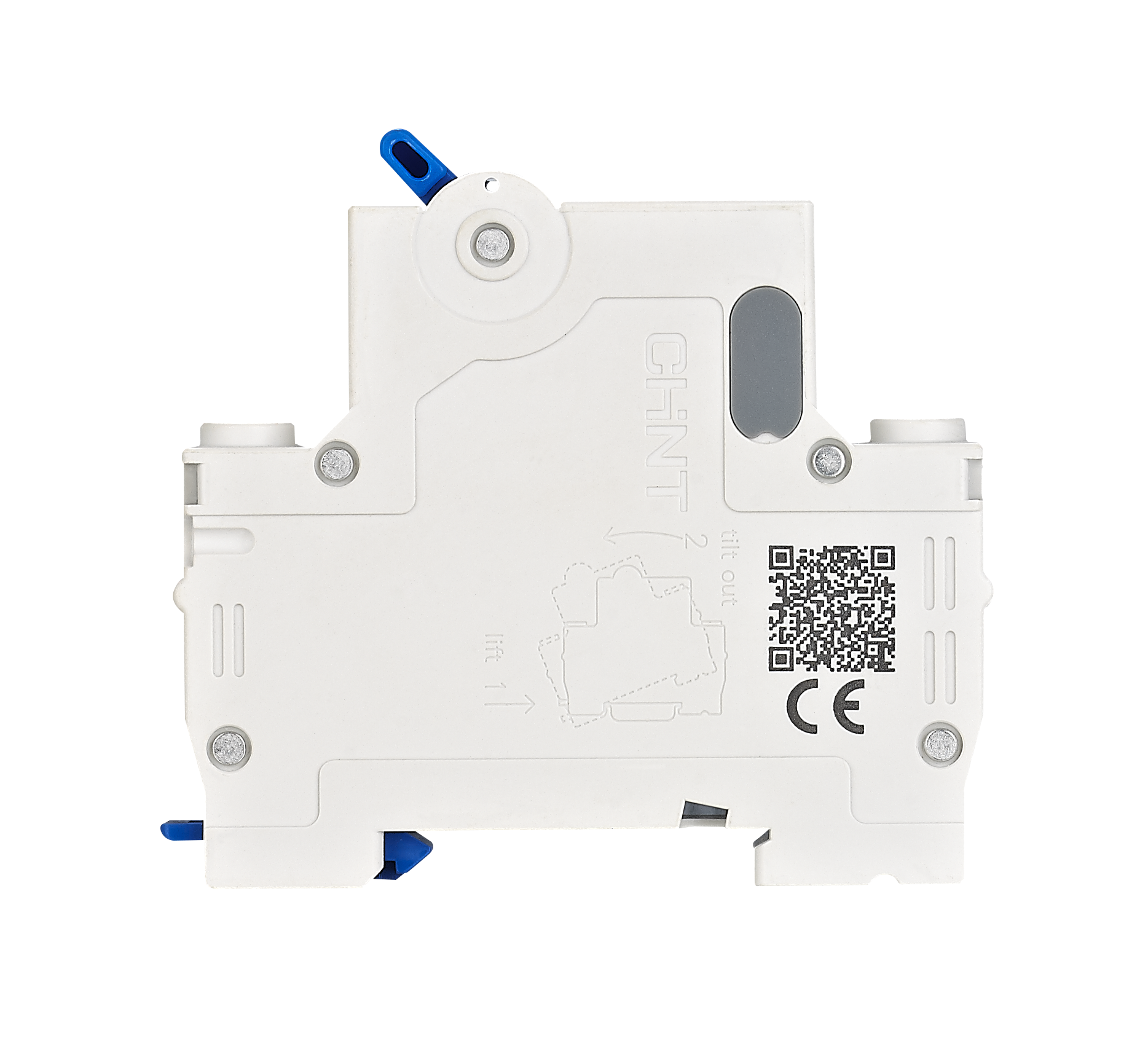
It is designed for TH35-7.5 DIN-rail mounting inside electrical distribution panels. The breaker should only be installed in dry, non-corrosive environments and not in areas with explosive gases or condensation. It must be installed by a qualified electrician with the power switched off.


What wiring and torque requirements should be followed?

The NXB-63 uses copper conductors only.

Recommended conductor sizes and torque:

  • 1 – 6 A: 1 mm²
  • 10 – 20 A: 1.5 – 2.5 mm²
  • 25 – 32 A: 4 – 6 mm²
  • 40 – 63 A: 10 – 16 mm²

Tighten terminal screws to 2.0 N·m torque to ensure proper contact and avoid overheating or loose connections.


What do the B, C, and D trip curves mean for the NXB-63?

The NXB-63 is available with B, C, or D tripping characteristics under IEC 60898-1:

  • B-curve (3–5 × In): for resistive loads like lighting and heating.
  • C-curve (5–10 × In): for mixed or moderately inductive loads such as appliances or motors.
  • D-curve (10–16 × In): for high-inrush loads like transformers and pumps.

This allows users to select the right breaker type based on application needs.


How can I tell if the NXB-63 is ON or OFF?

A color indicator window on the front shows the status:

  • Red = ON (contacts closed, circuit energized)
  • Green = OFF (contacts open, circuit isolated)

This visual cue helps ensure clear operational safety during inspection and maintenance.