Please enter keywords to search

Global |EN

Choose your country & Language

Asia Pacific

Australia & New Zealand
India
Indonesia
Malaysia
Philippines
Singapore
Singapore (Sunlight)
Vietnam

Middle East & Africa

Saudi Arabia
South Africa
UAE
Egypt
Kenya

Europe

France
Kazakhstan
Italy
Netherlands
Spain
Turkey
United Kingdom

North America

Mexico
USA
Canada

Latin America

Brazil
Colombia
Ecuador
Peru
Low-voltage
Instruments and Meters
EV Charging
Telecom & Data Center
Buildings
Products
Solutions
Project References
Corporate Reports
CHINT Global
CHINT's Insights
Careers
Locate Us
Contact Us
Call Us +65 6329 3110
Email Us sales.apac@chint.com
Privacy Policy
Online Services

Choose your country & Language

Australia & New Zealand
India
Indonesia
Malaysia
Philippines
Singapore
Singapore (Sunlight)
Vietnam
Saudi Arabia
South Africa
UAE
Egypt
Kenya
France
Kazakhstan
Italy
Netherlands
Spain
Turkey
United Kingdom
Mexico
USA
Canada
Brazil
Colombia
Ecuador
Peru
Please enter keywords to search

Your search term contains restricted words. Please use different keywords.
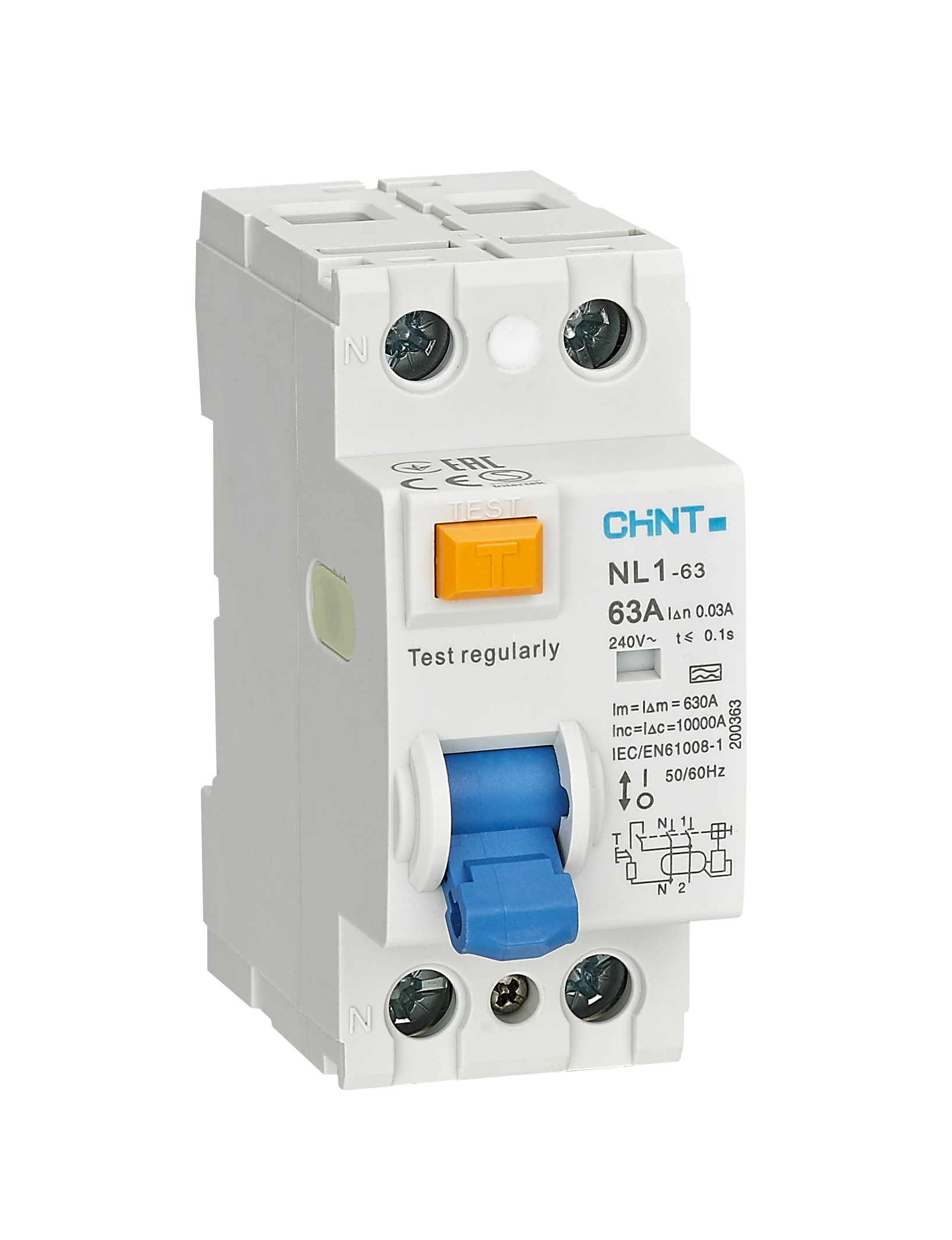
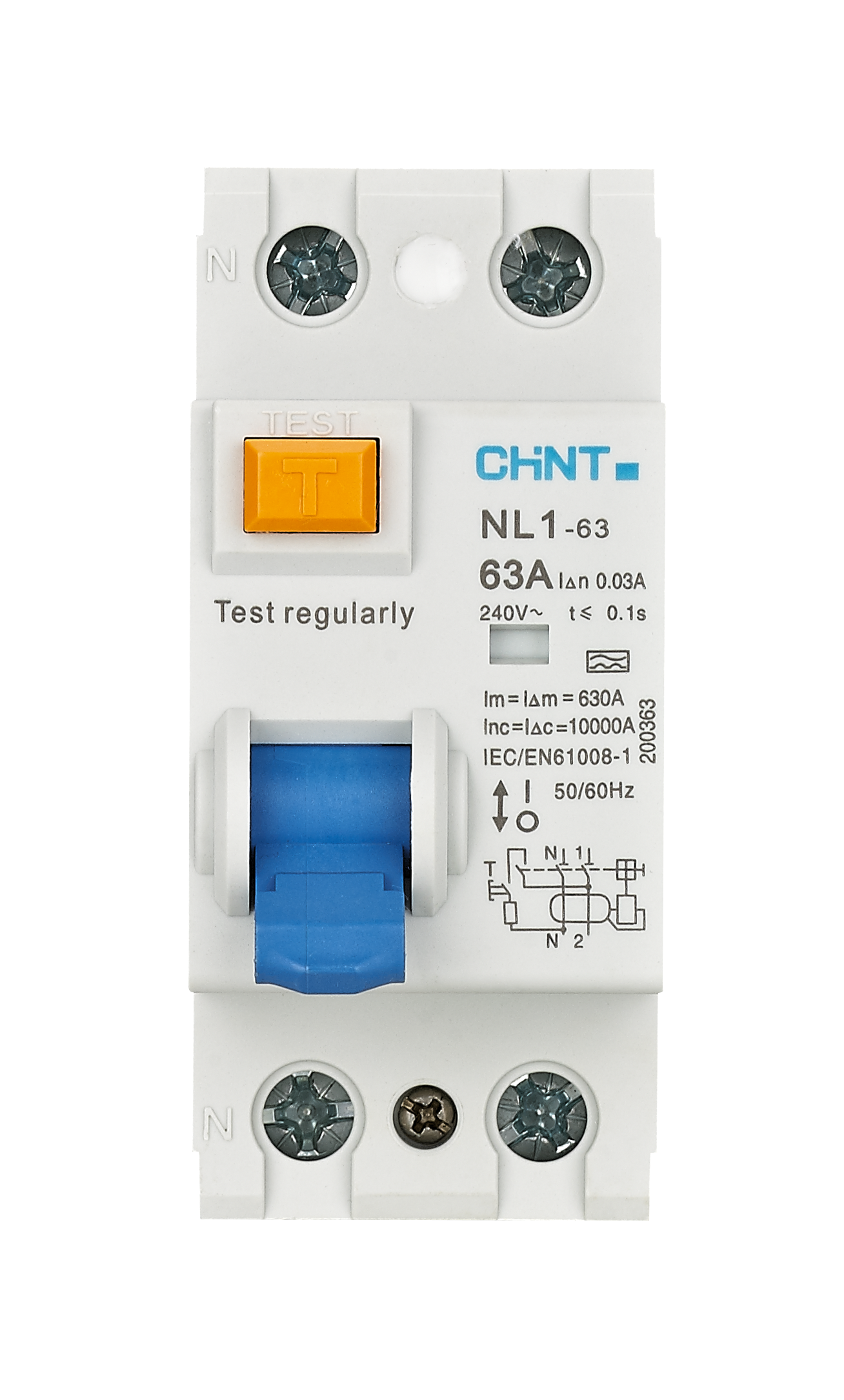
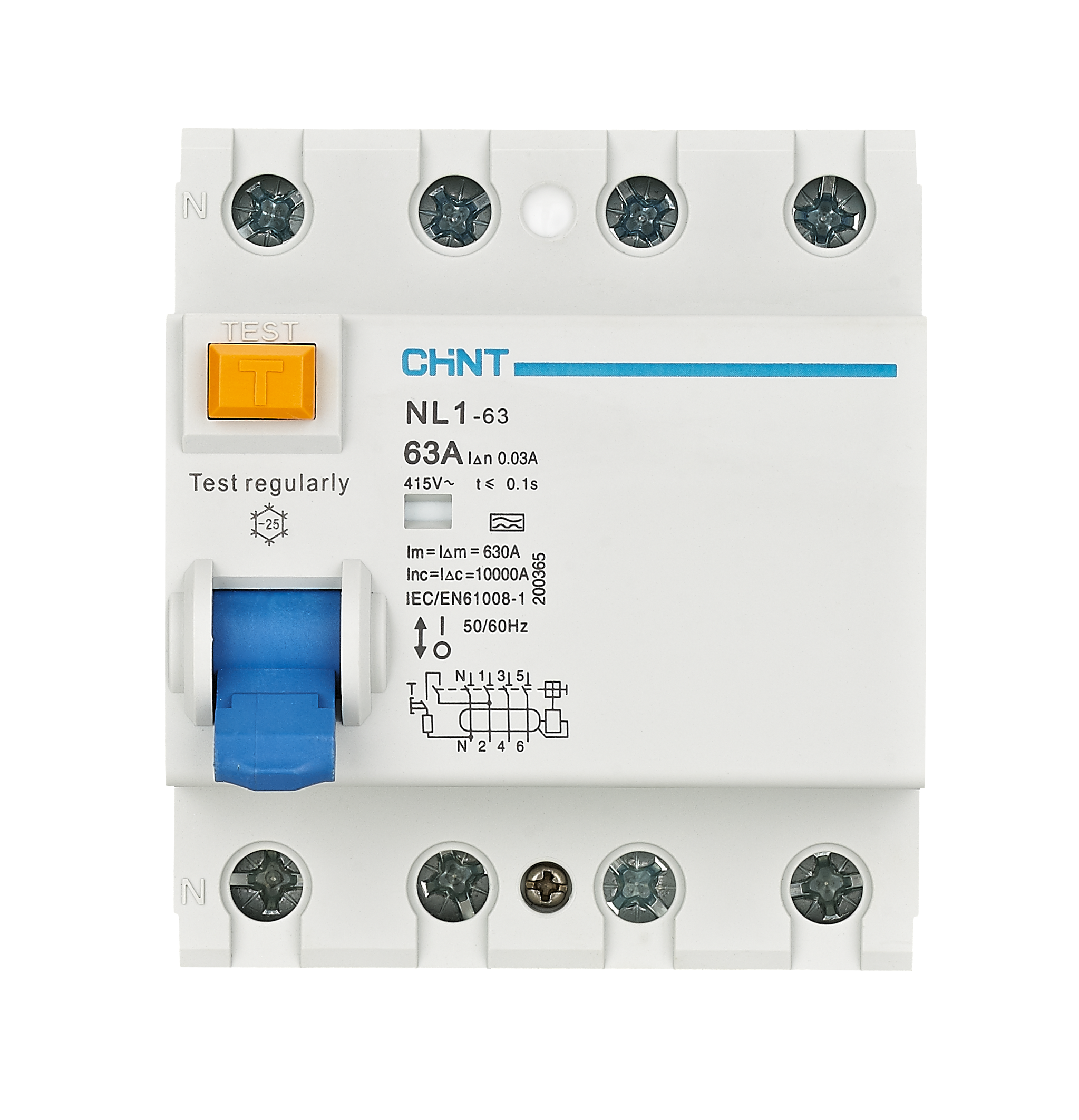
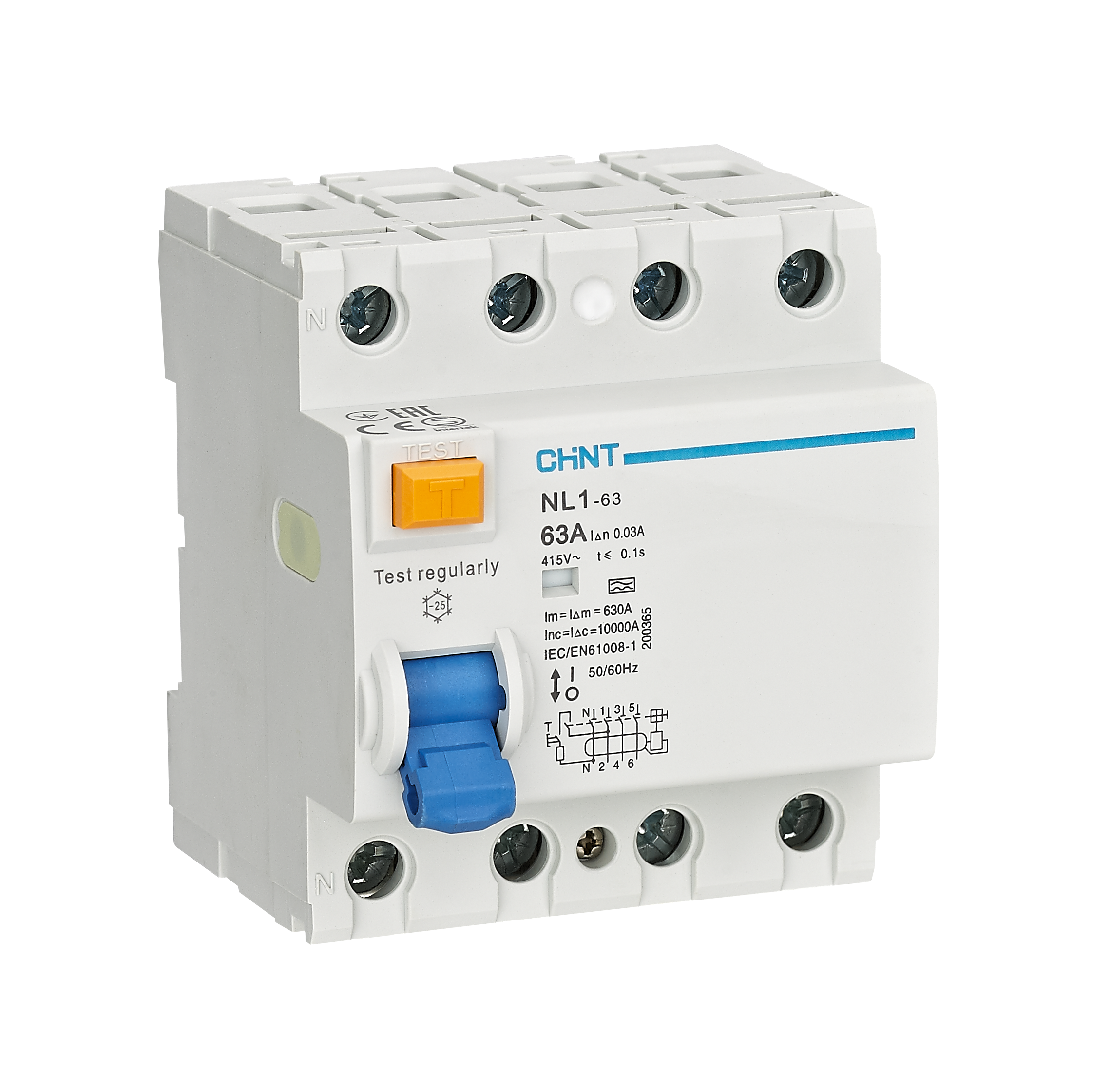
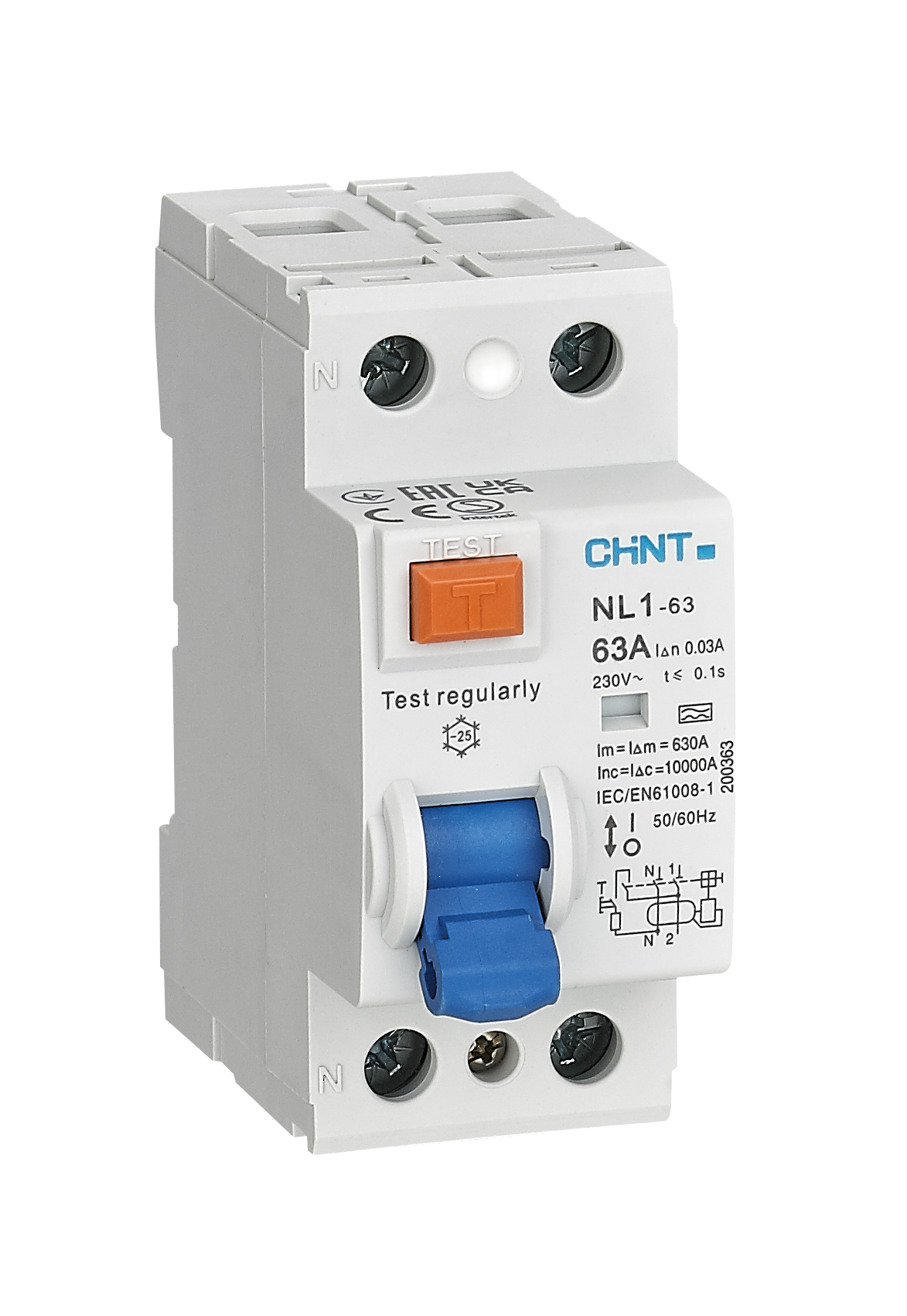
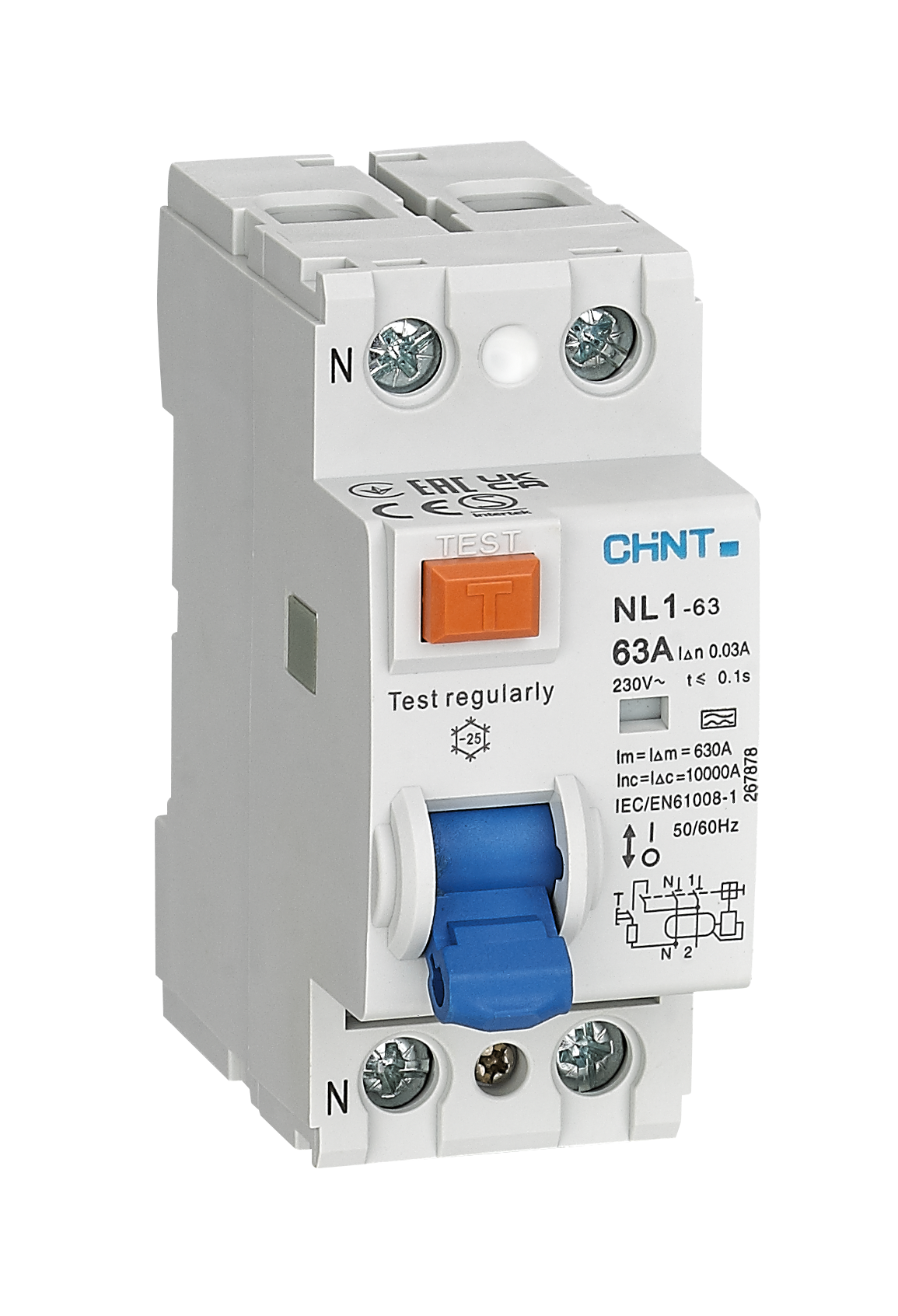
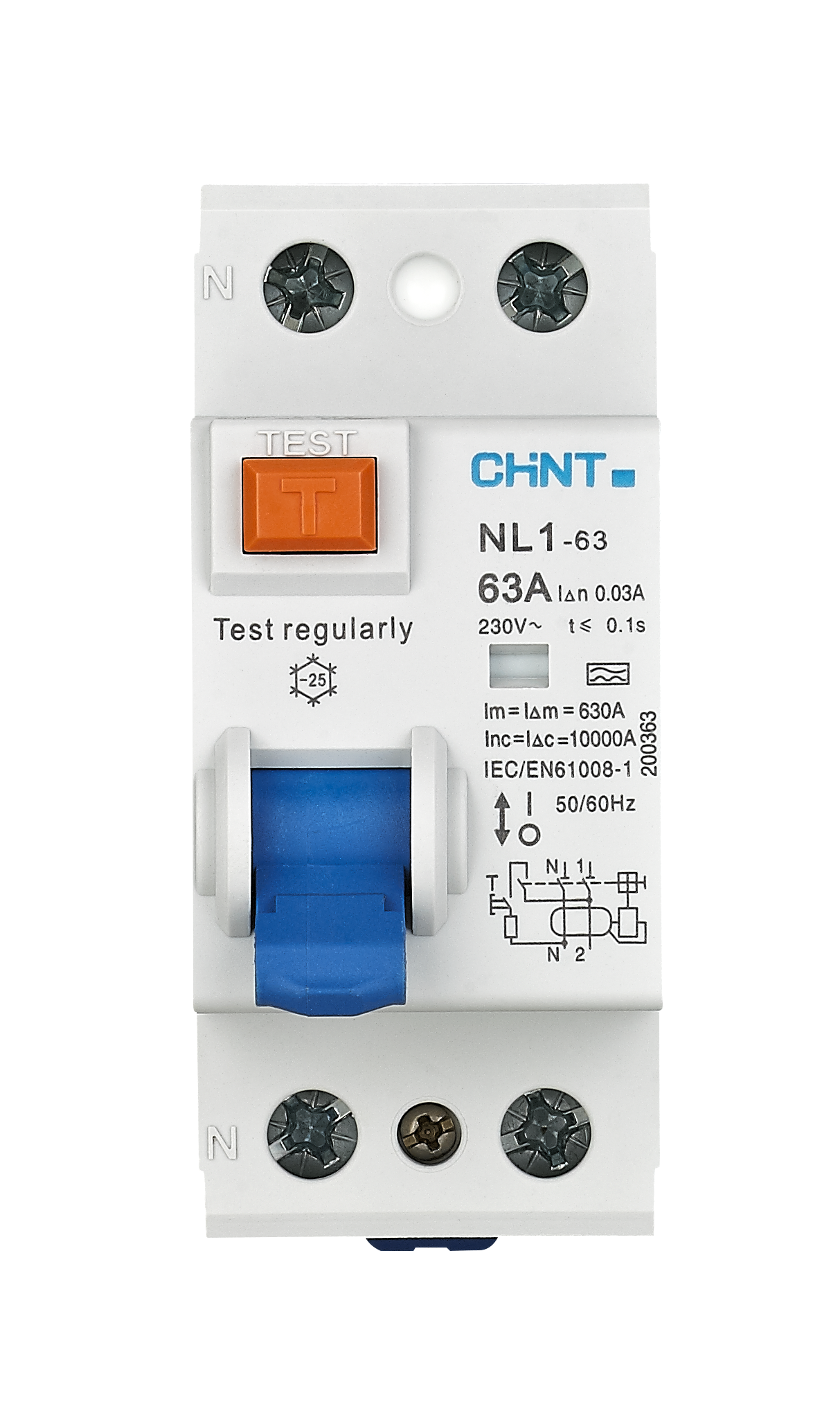
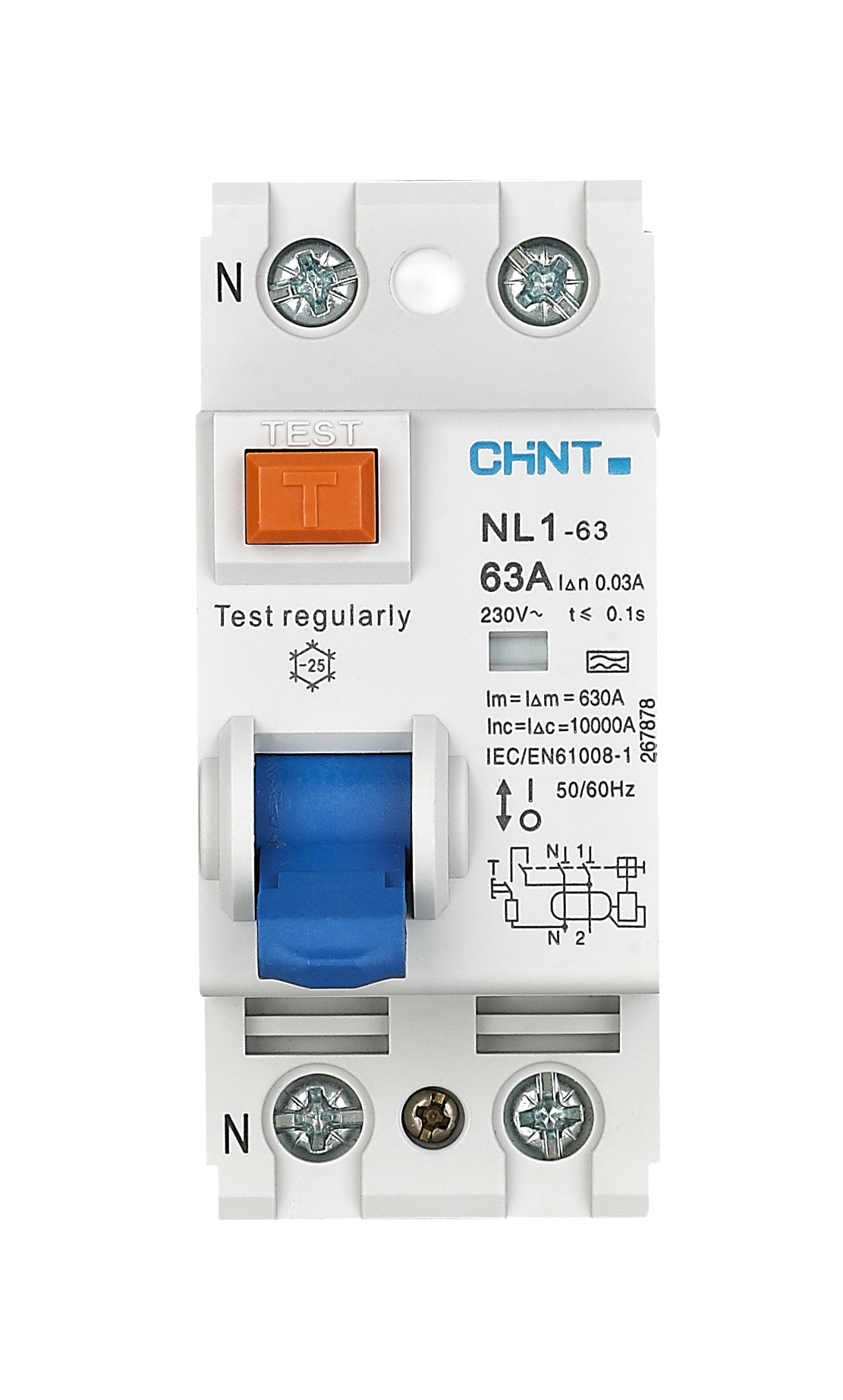
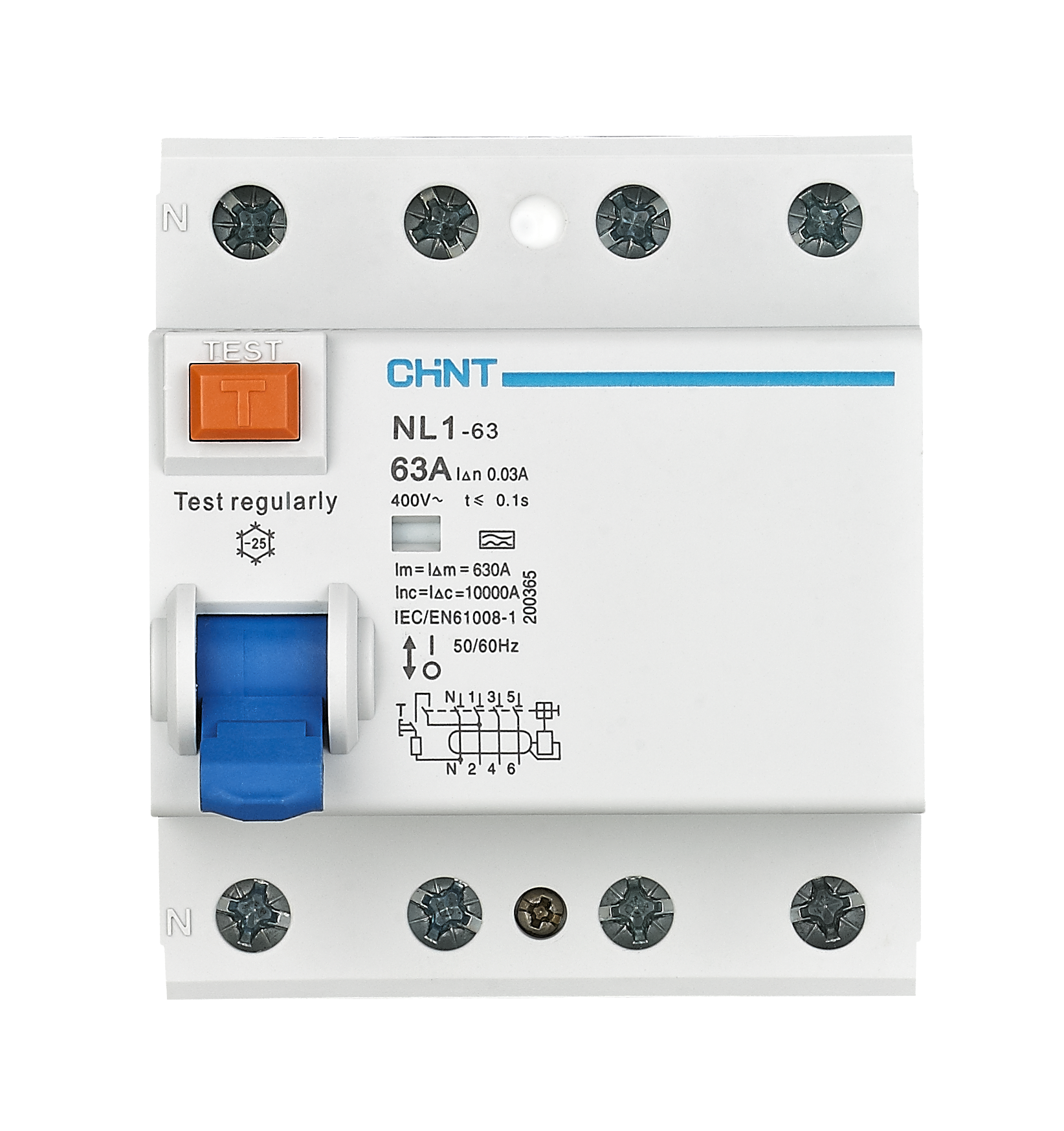
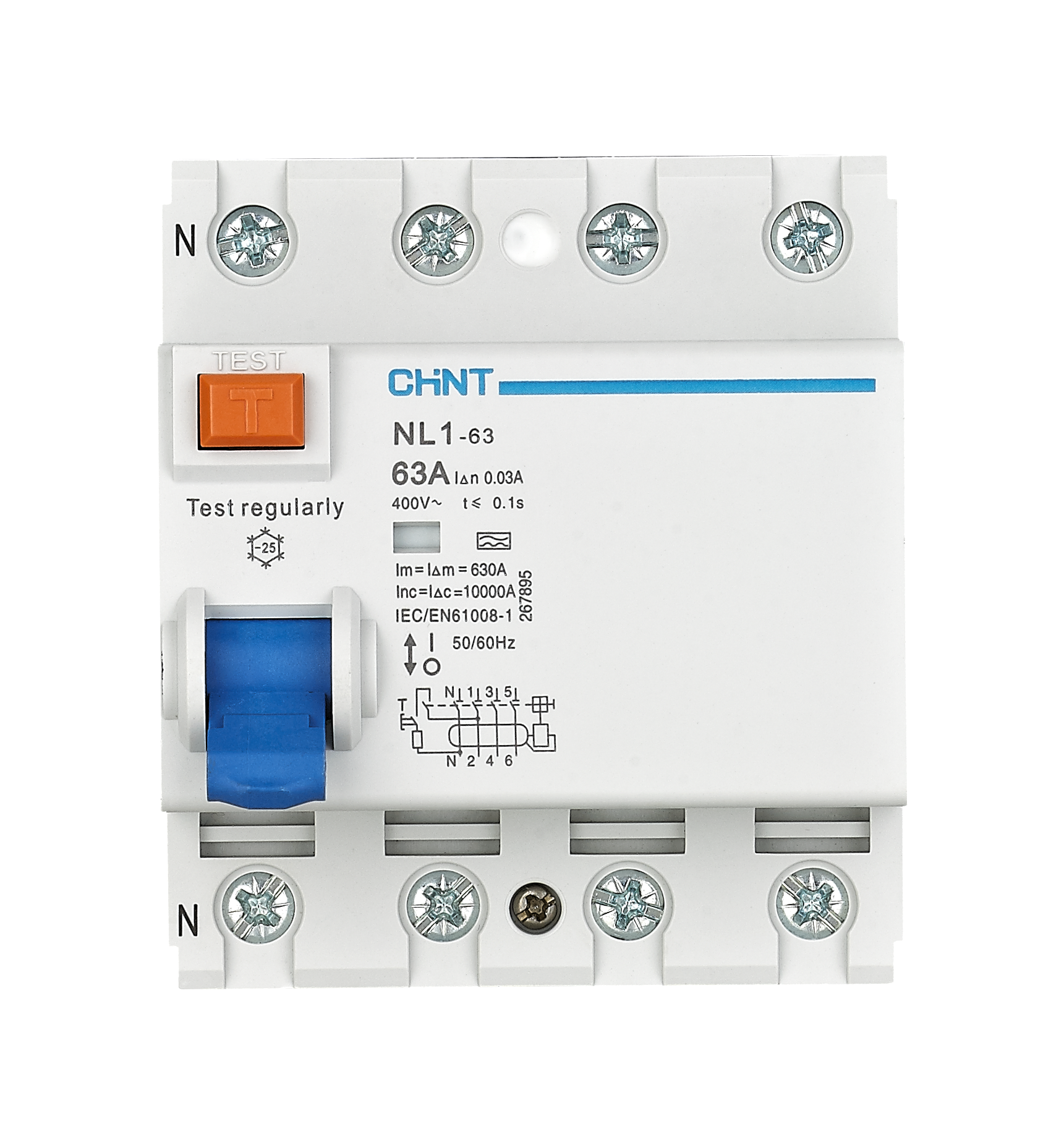
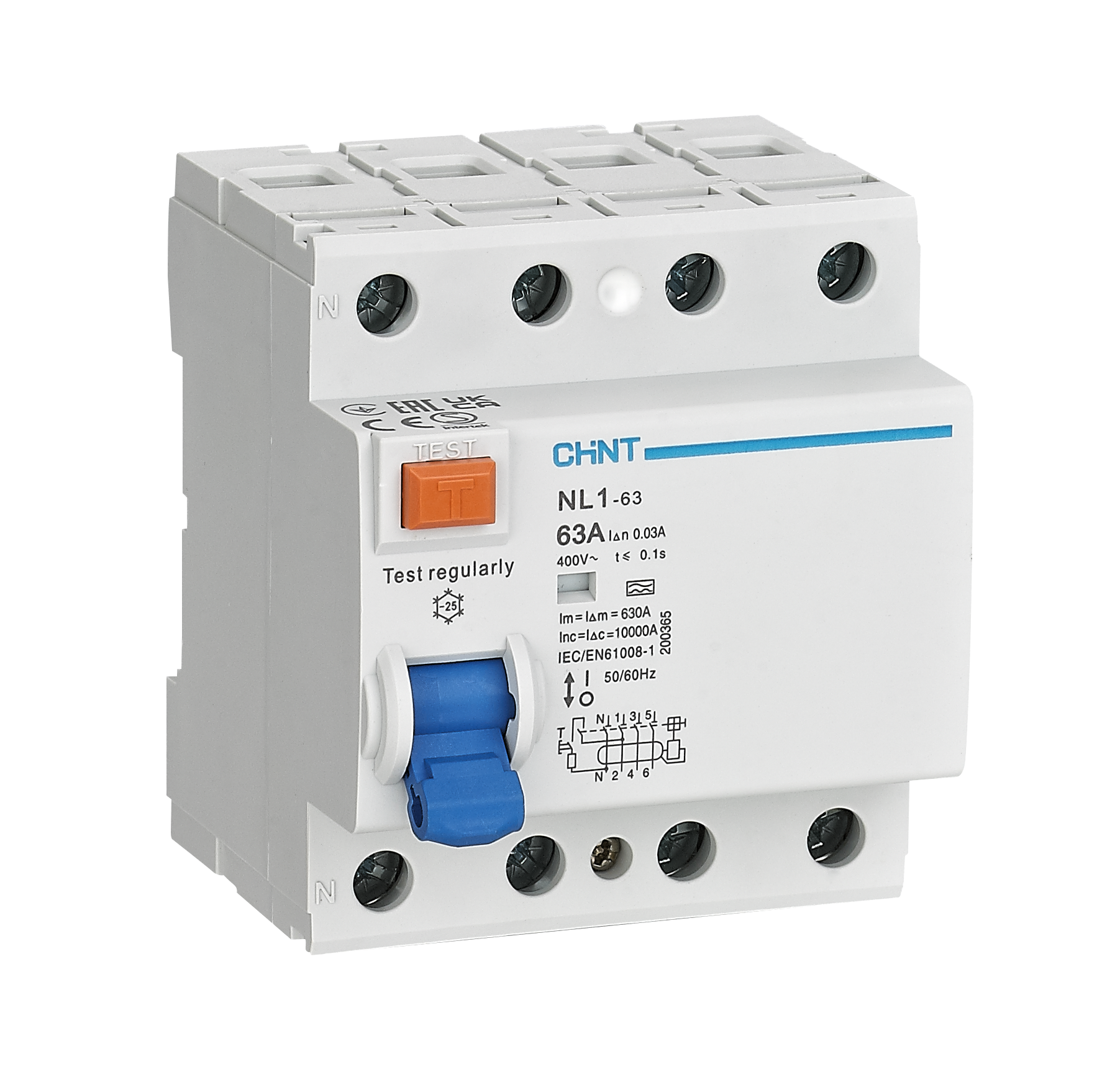
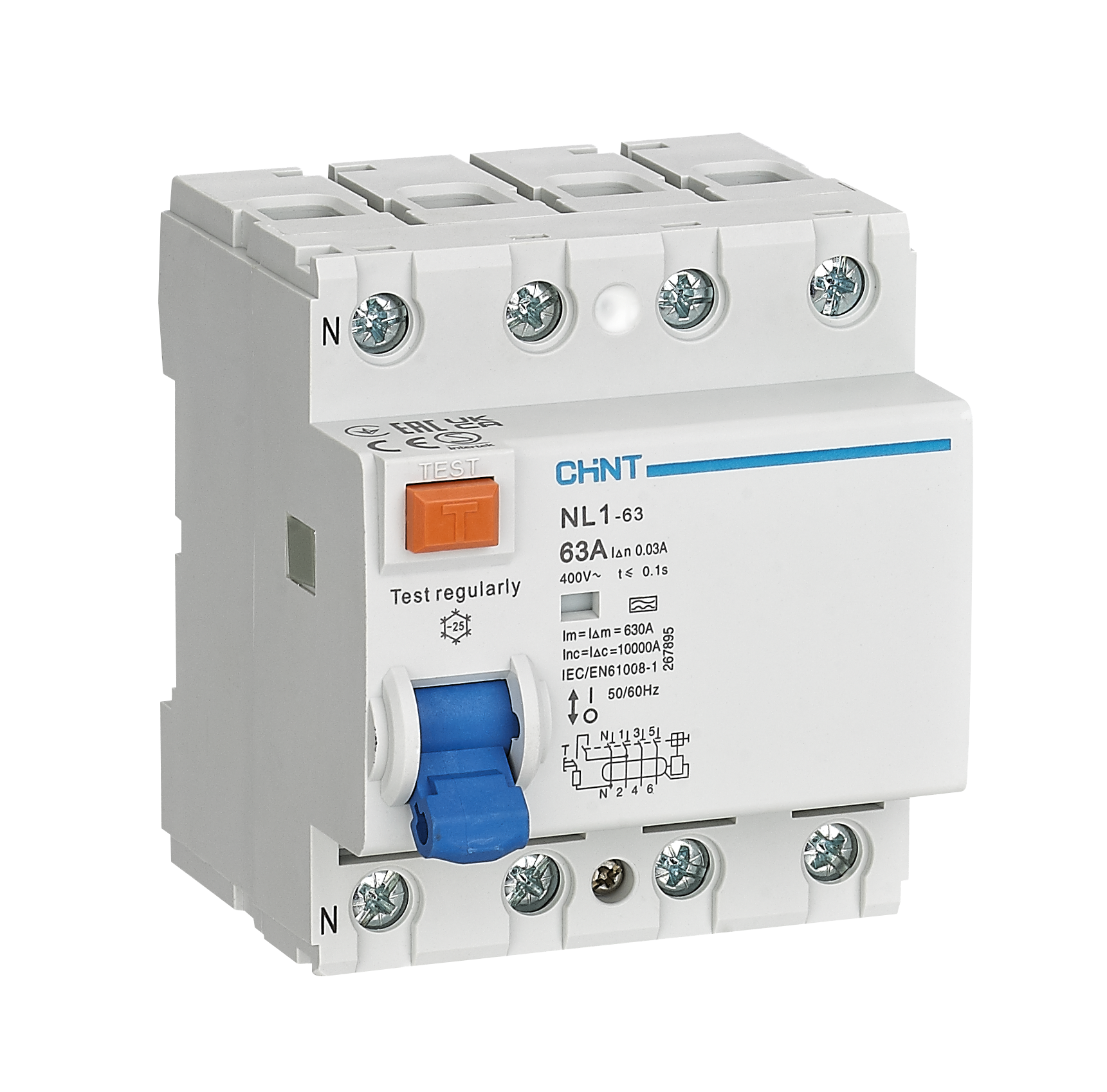
NL1 Residual Current Operated Circuit Breaker without Over-current Protection (Magnetic)

NL1 Residual Current Operated Circuit Breaker without Over-current Protection (Magnetic)

The NL1 Residual Current Circuit Breaker (RCCB) provides critical earth leakage protection, safeguarding people from indirect contacts and installations from fire hazards due to insulation faults. This essential device ensures reliable disconnection upon fault detection, enhancing safety across residential, commercial, and industrial electrical systems.

Note: This RCCB does not offer overcurrent protection and must be paired with an MCB or MCCB for complete circuit protection.

Product Information

Recommend Blogs
MARCH 10, 2026 How Surge Protective Devices (SPDs) Keep Your Small Business Equipment Safe

Learn how surge protection and electrical protection strategies support small business power needs, reduce downtime, and keep equipment reliable as demand grows.

MARCH 9, 2026 Maintaining Electrical Safety Across Distributed Infrastructure

Learn how smart maintenance strategies protect electrical safety across distributed facilities, reducing downtime and keeping multi-site operations predictable and reliable.

MARCH 8, 2026 How Automated Distribution Systems Improve Network Stability

Grid automation allows for better management of distribution systems and your network. See how automated distribution systems improve outage management.

MARCH 7, 2026 Why Certification Matters in High-Voltage Equipment

Learn why IEC standards and electrical safety certification matter for high-voltage equipment, improving reliability, protection accuracy, and risk control across power networks.

MARCH 6, 2026 Ensuring Continuous Power Supply in Critical Infrastructure Like Airports

Ensure reliable airport power with robust critical power systems and layered resilience. Explore how redundancy, monitoring, and design keep aviation operations running smoothly.

FEBRUARY 14, 2026 Designing with IEC 61439-Compliant Switchgear for Better LV Assembly Performance

Designing an IEC switchboard is necessary for every operation, whether industrial or commercial. Acquiring IEC 61439 design verification for MDBs is important.

FEBRUARY 12, 2026 Selecting the Right Control Components for High-Inrush Loads

Learn how to choose the proper control components like MCCB, overload relay, and contactors used in high inrush load for motor protection.

FEBRUARY 12, 2026 How Smart Meters Help Optimize Building Energy Use

Great building energy management makes use of smart meters to gauge energy consumption. Learn why smart metering is a sign of good energy monitoring practice.

SEPTEMBER 23, 2025 Manual Motor Starter: A Guide for Safer Motor Control

Every electric motor needs protection against fault conditions. In this article, learn how a manual motor starter helps you achieve this requirement.

AUGUST 1, 2025 Slim RCBO Solutions for Power Distribution: CHINT NB1L-20 for Compact, Compliant Installations

CHINT’s NB1L-20 is a great addition to any power distribution system. Learn why you should consider our product if you value safety and compliance.

Helpful Links

Blog
Blog

Explore expert insights, trends, and CHINT perspectives on the smart energy industry.

Read More
Resources
Resources

Download essential CHINT resources for your business needs.

Download Now
Contact Us
Contact Us

Have questions? Contact us for support and solutions.

Get Support
Collapsed
Expand

FAQs


What is the main function of the NL1 RCCB?

The NL1 RCCB is designed to detect and disconnect circuits during earth leakage faults, preventing electric shock and fire hazards, but it does not provide over-current or short-circuit protection.


In what scenarios is the NL1 used?

The NL1 is ideal for residential, commercial, and industrial electrical systems where residual current protection is required and over-current protection is provided by a separate device, such as an MCB.


What’s the difference between Type AC and Type A?

Type AC: Detects sinusoidal alternating residual current.

Type A: Detects both sinusoidal AC and pulsating DC residual currents, offering greater compatibility with electronic equipment.


How is the NL1 installed?

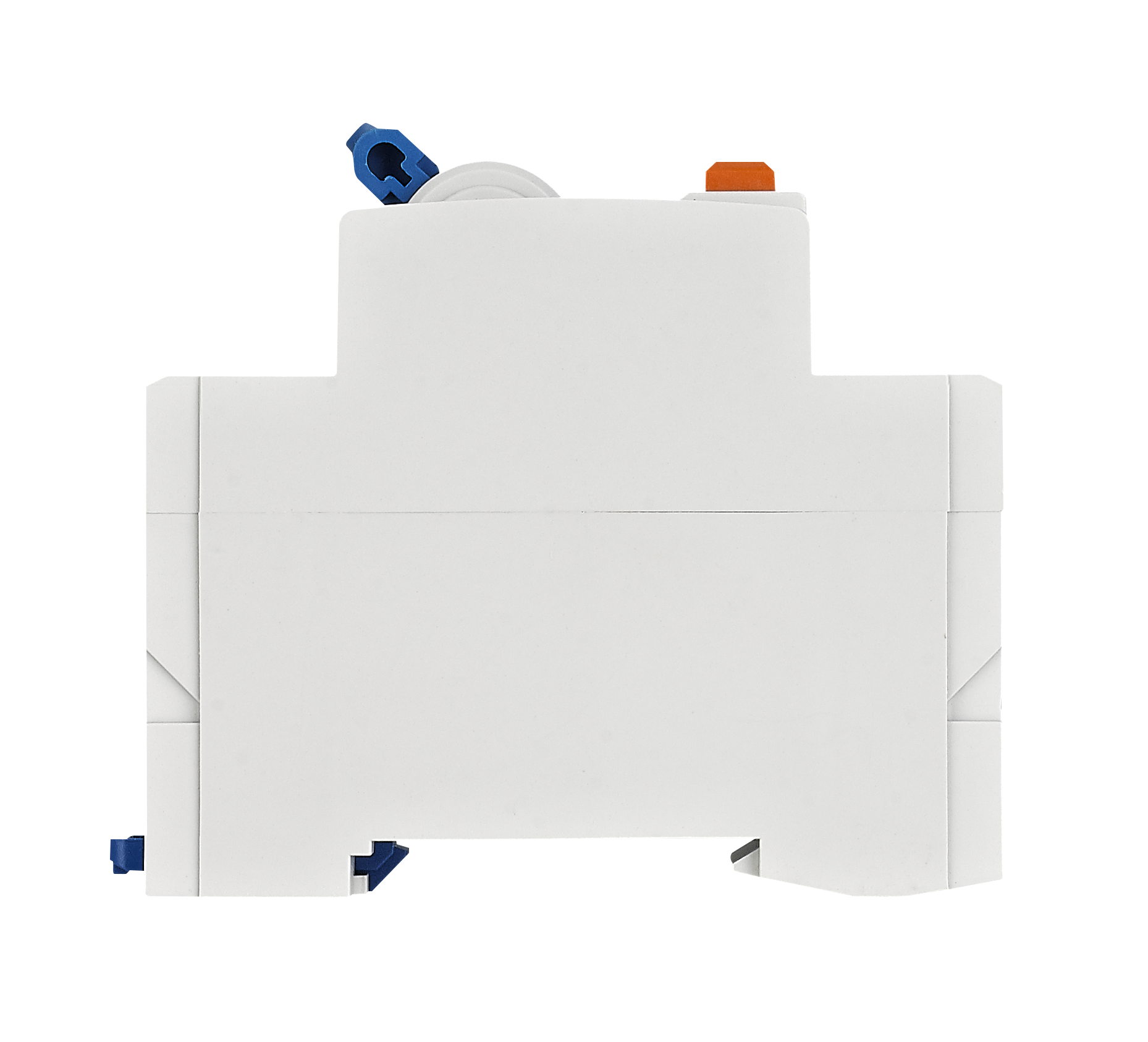
It can be easily mounted on a 35mm DIN rail and connected via top and bottom terminals for cable or busbar installation, ensuring fast setup and safe maintenance.


What are the key benefits of using the NL1?

The NL1 provides high sensitivity, wide current range (25A–100A), long mechanical life (20,000+ operations), and IEC/EN standard compliance, ensuring dependable residual protection across diverse power systems.