Please enter keywords to search

Global |EN

Choose your country & Language

Asia Pacific

Australia & New Zealand
India
Indonesia
Malaysia
Philippines
Singapore
Singapore (Sunlight)
Vietnam

Middle East & Africa

Saudi Arabia
South Africa
UAE
Egypt
Kenya

Europe

France
Kazakhstan
Italy
Netherlands
Spain
Turkey
United Kingdom

North America

Mexico
USA
Canada

Latin America

Brazil
Colombia
Ecuador
Peru
Low-voltage
Instruments and Meters
EV Charging
Telecom & Data Center
Buildings
Products
Solutions
Project References
Corporate Reports
CHINT Global
CHINT's Insights
Careers
Locate Us
Contact Us
Call Us +65 6329 3110
Email Us sales.apac@chint.com
Privacy Policy
Online Services

Choose your country & Language

Australia & New Zealand
India
Indonesia
Malaysia
Philippines
Singapore
Singapore (Sunlight)
Vietnam
Saudi Arabia
South Africa
UAE
Egypt
Kenya
France
Kazakhstan
Italy
Netherlands
Spain
Turkey
United Kingdom
Mexico
USA
Canada
Brazil
Colombia
Ecuador
Peru
Please enter keywords to search

Your search term contains restricted words. Please use different keywords.
CBB-2 Busbar
CBB-2 Busbar
CBB-2 Busbar
CBB-2 Busbar
CBB-2 Busbar
CBB-2 Busbar

CBB-2 Busbar

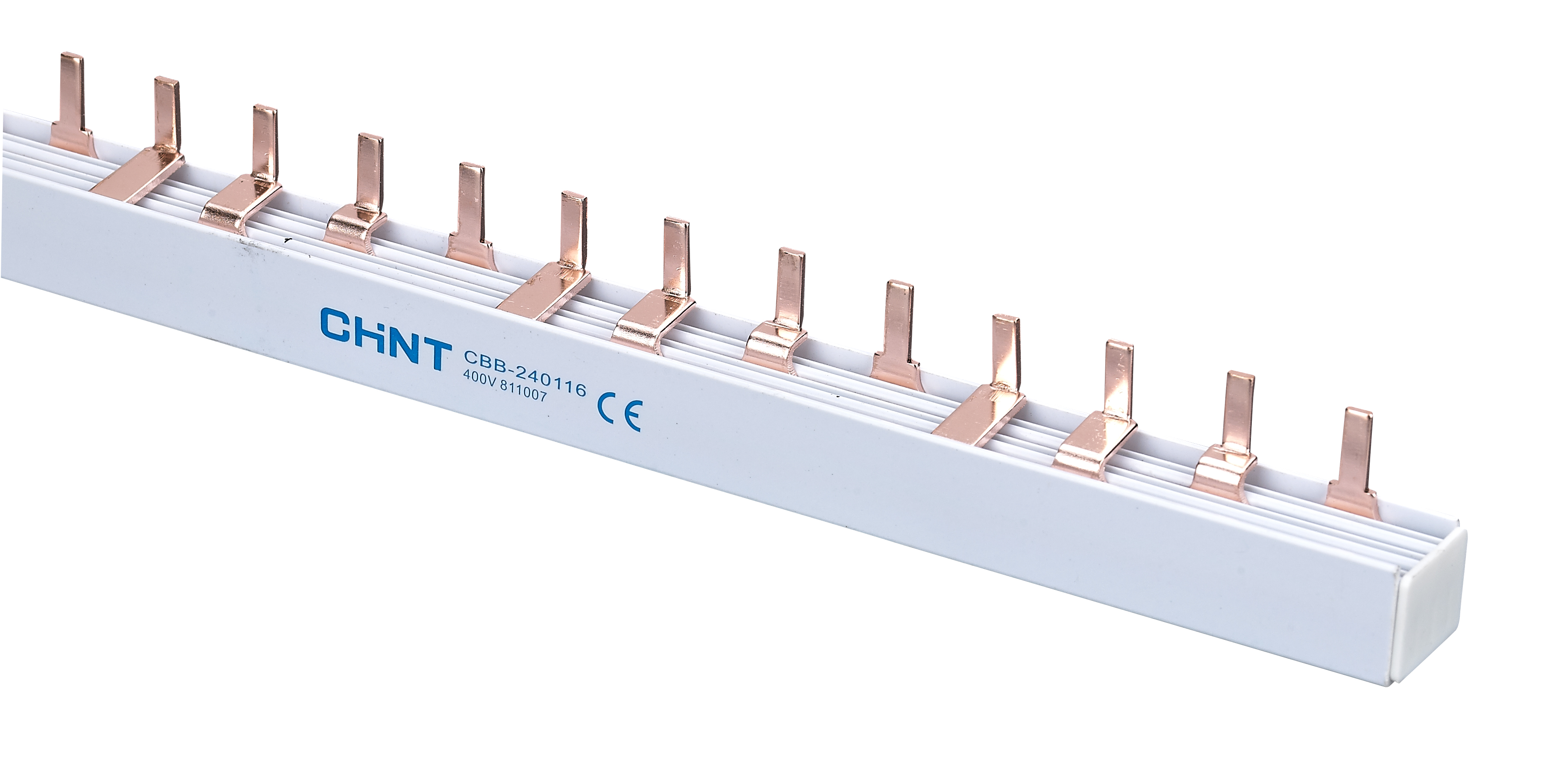
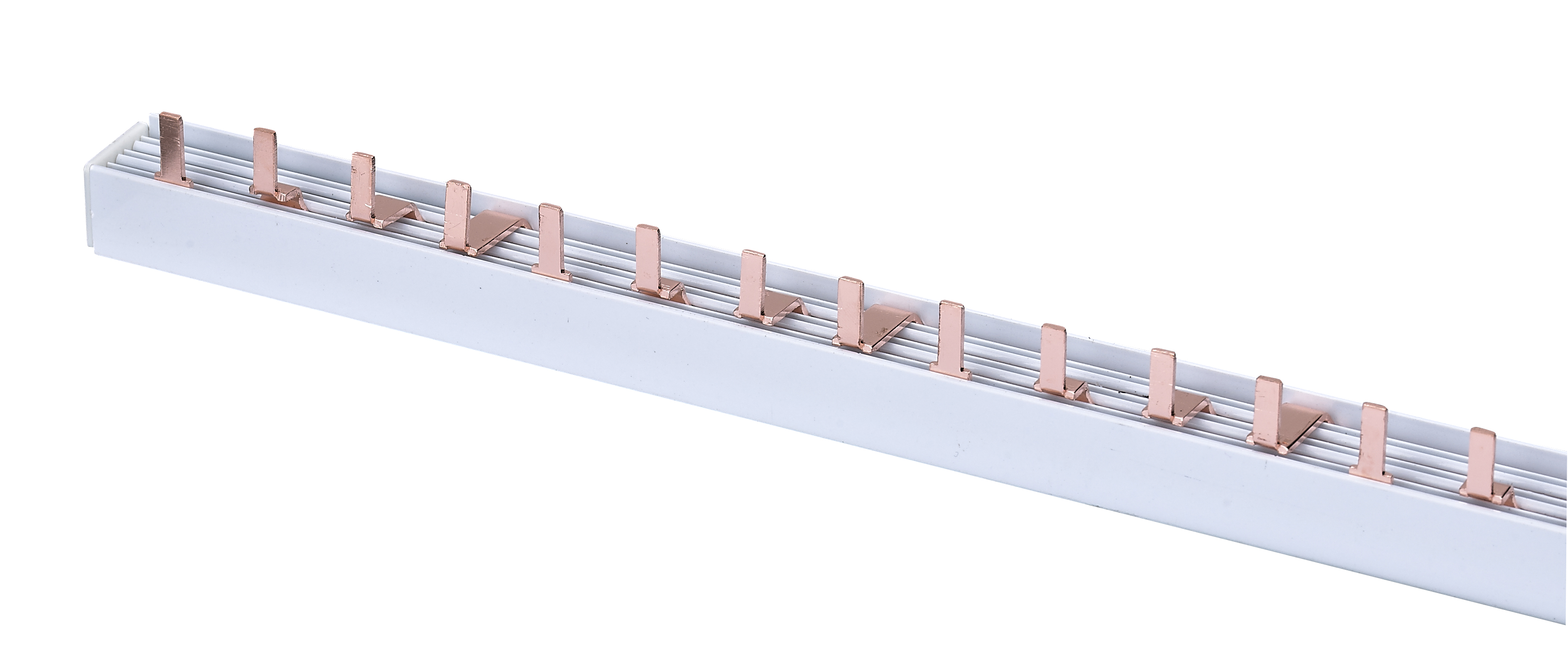
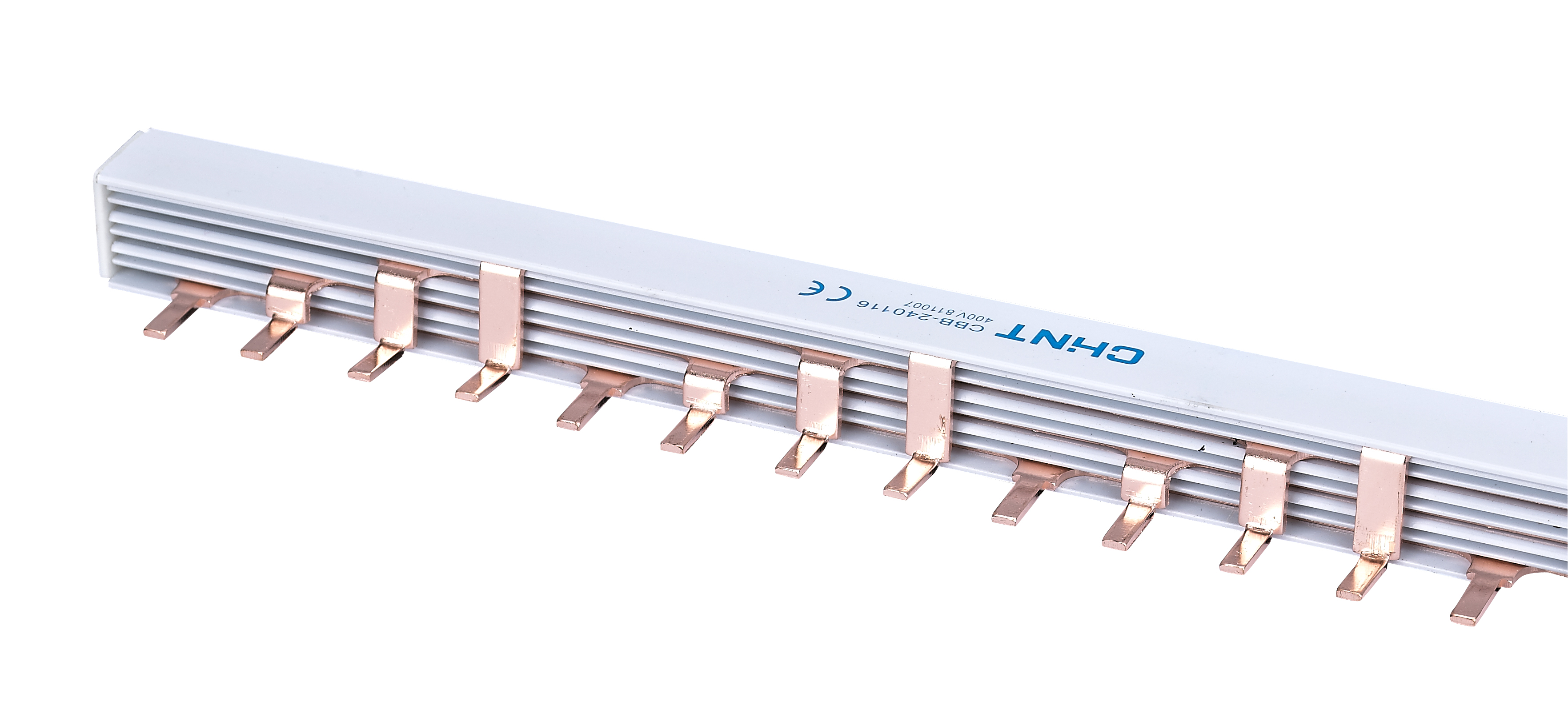
The CBB-2 Busbar is an essential U-type comb busbar specifically designed for modularized low-voltage distribution systems. It enables efficient connection and assembly of 18mm wide components, such as circuit breakers, simplifying wiring and enhancing overall system reliability. Suitable for 1P to 4P configurations and supporting AC 230/400V systems, the CBB-2 significantly enhances safety and promotes space-saving in panel designs. This versatile solution is ideal for efficient power distribution in residential, commercial, and industrial electrical panels, ensuring neat, robust, and compliant connections.

Product Information

Recommend Blogs
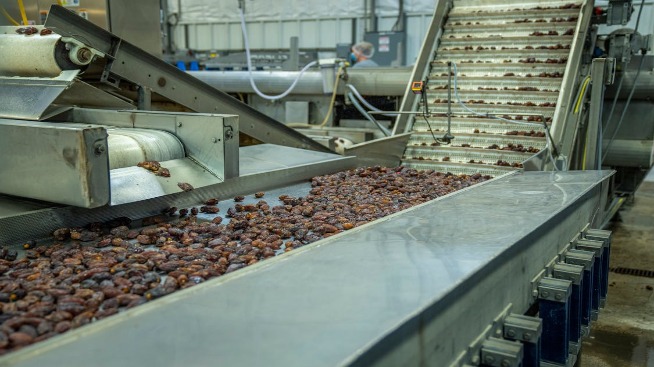
MAY 22, 2026 Keeping the Lights On: Power Reliability Strategies for Food & Beverage Facilities

Unplanned downtime in food manufacturing is expensive. Learn how the right electrical components prevent costly stoppages in food processing plants.

MAY 22, 2026 How to Choose the Right Generator Control System for Your Application

Choosing the wrong generator control components causes failure when it matters most. A practical guide to ATS, circuit breakers, and dual supply design.

MAY 22, 2026 Building a Reliable Microgrid: From Planning to Power-On

Plan resilient microgrid projects with practical guidance on topology, storage sizing, switchgear, islanding protection, and technical support teams.

MAY 22, 2026 Electrical Protection in Mining and Petrochemical Environments

In mining and petrochemical sites, standard LV components are never enough. A guide to hazardous area equipment, motor protection, and reliable distribution.

MAY 22, 2026 Reducing Energy Waste in Steel and Metals Manufacturing

Steel plants are among the most energy-intensive operations on earth. Here's where energy efficiency in steel manufacturing starts, and the role of the electrical system.

MAY 22, 2026 Electrical Solutions for Modern Logistics: Conveyors, Lifts, and Warehouse Automation

As e-commerce pushes warehouse automation to new heights, electrical control systems are under more pressure than ever. Here's how to specify them correctly.

MAY 22, 2026 Smarter Water Management: Electrical Control Solutions for Pumps and Water Systems

Learn how the right pump electrical control systems. From VFDs to fire pump panels, improve reliability, cut energy costs, and protect motor assets.

MAY 22, 2026 C&I Solar and Storage: What Businesses Need to Know Before Going Solar

Commercial solar has very different requirements from residential. Learn what C&I solar and storage projects really need to succeed, and what to watch out for.

MAY 22, 2026 Power Quality in Oil and Gas: Why It Matters More Than You Think

In oil and gas, poor power quality can trigger safety shutdowns and damage instrumentation. A practical guide to power quality monitoring for operations teams.

MAY 12, 2026 How Digital Substations Support the Smart Grid Transition

A practical guide to turning digital substations into observable, controllable smart grid nodes that improve restoration speed, renewable readiness, and power quality.

Helpful Links

Blog
Blog

Explore expert insights, trends, and CHINT perspectives on the smart energy industry.

Read More
Resources
Resources

Download essential CHINT resources for your business needs.

Download Now
Contact Us
Contact Us

Have questions? Contact us for support and solutions.

Get Support
Collapsed
Expand

FAQs


What is the purpose of the CBB-2 Busbar?

The CBB-2 Busbar is used to distribute power efficiently across multiple circuit breakers or modular devices, simplifying wiring and enhancing safety in low-voltage panels. 


What configurations are available?

It comes in 1P, 2P, 3P, and 4P configurations, compatible with CHINT NB1 and NB2 modular devices. You can select from 10 mm² or 16 mm² cross-sections, depending on current load requirements. 


What is the difference between U-type and Pin-type Busbars?

U-type Busbars use forked terminals, ideal for devices with U-shaped input terminals.

Pin-type Busbars use solid pins, suitable for devices with pin entry terminals.

Both ensure secure, low-resistance connections. 


What environmental conditions can the CBB-2 operate in?

It operates reliably between −5 °C and +40 °C, at altitudes up to 2000 m, and with humidity up to 90 % at 20 °C, making it suitable for most indoor installations. 


Is the CBB-2 compatible with CHINT circuit breakers?

Yes. It’s designed to perfectly integrate with CHINT NB1, NB2, and NB3 series Miniature Circuit Breakers (MCBs) and related modular protection devices.