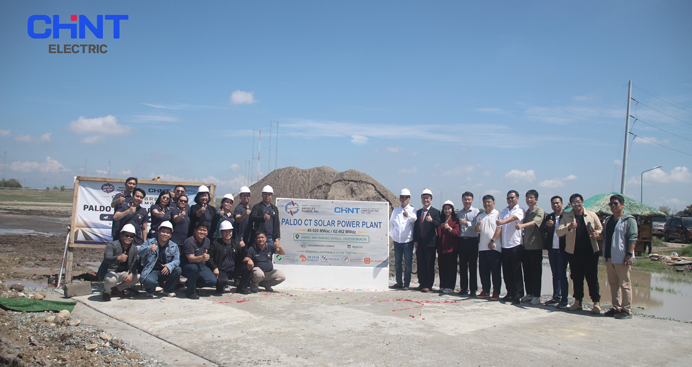


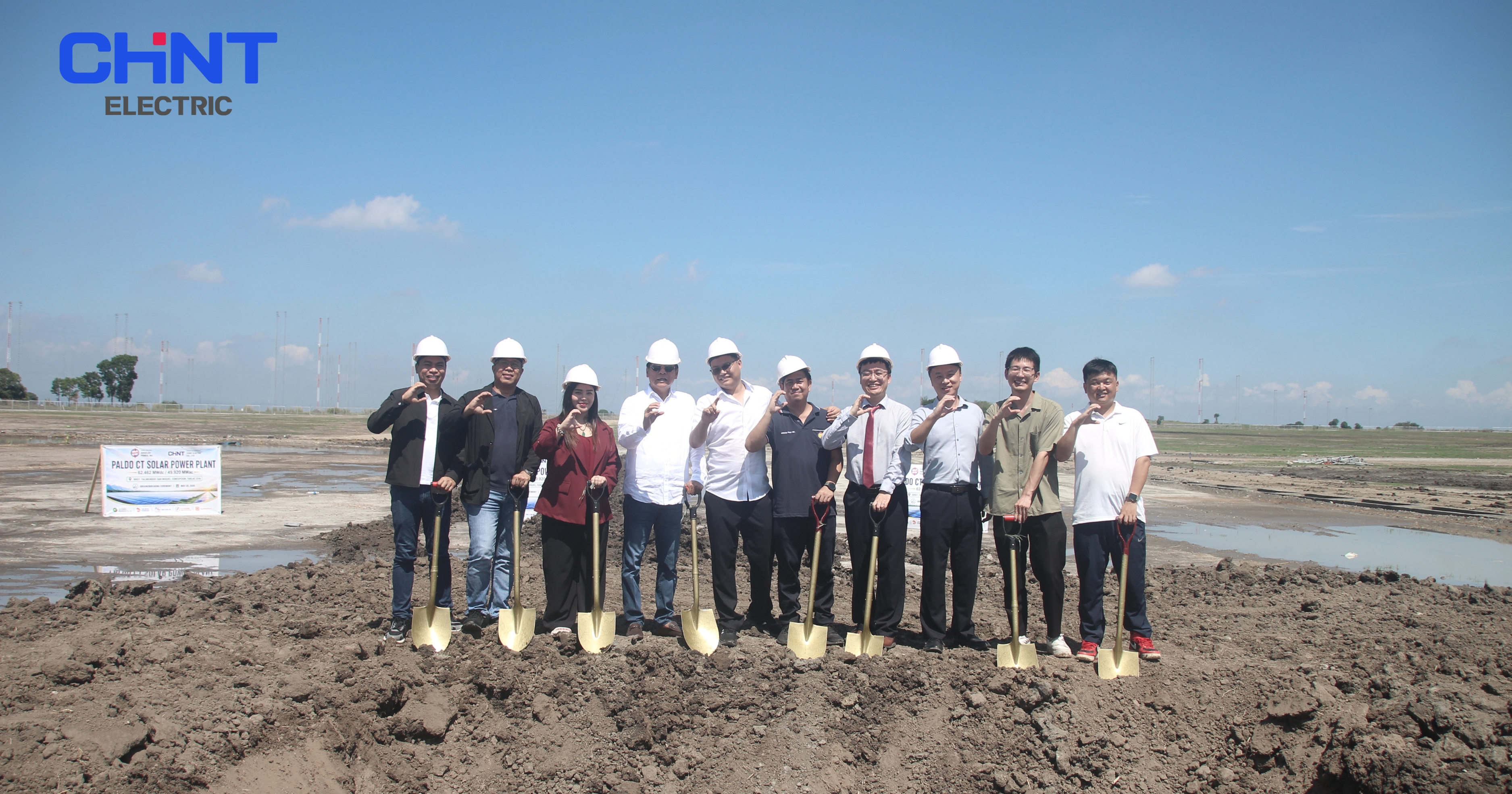
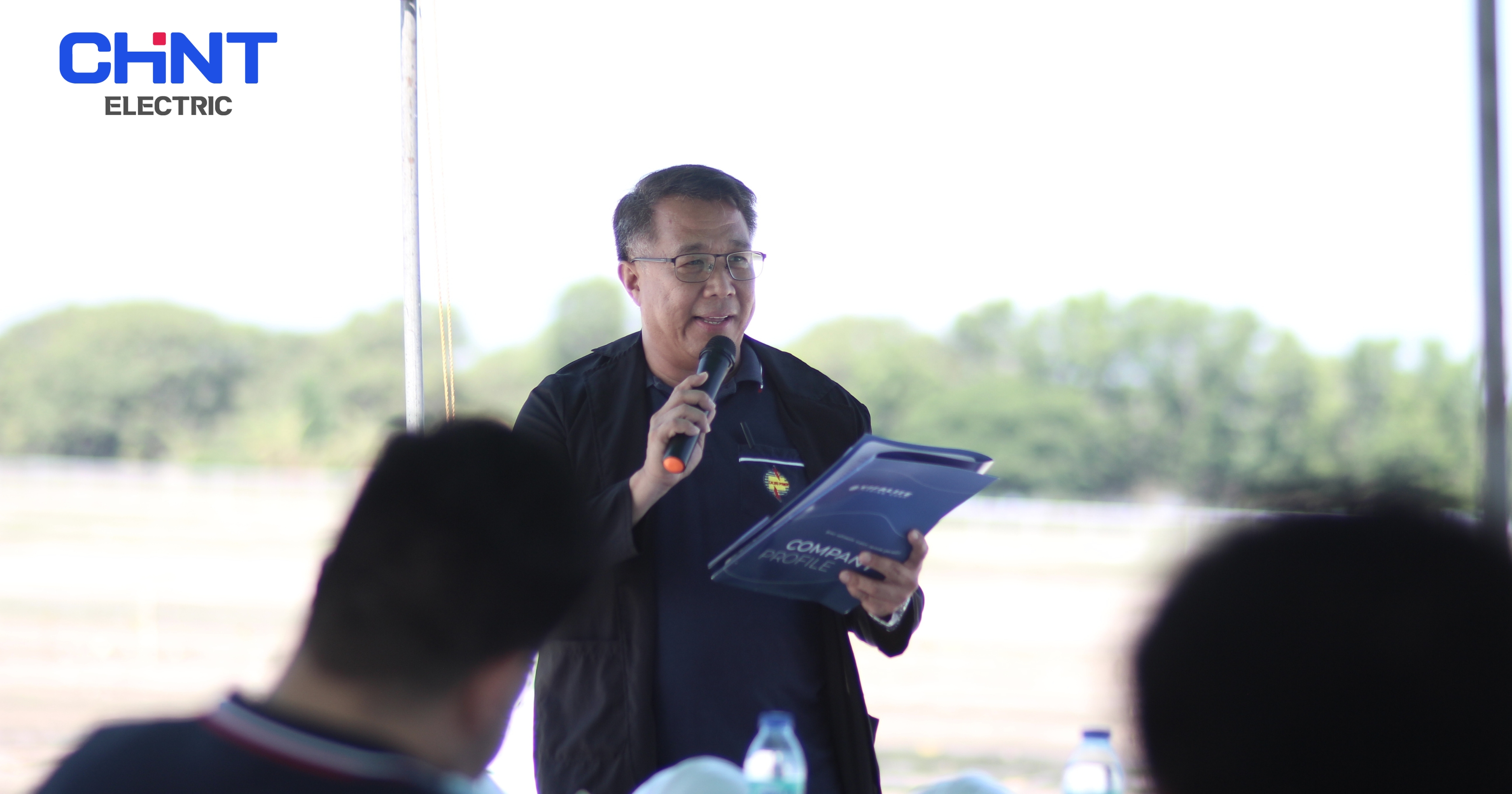
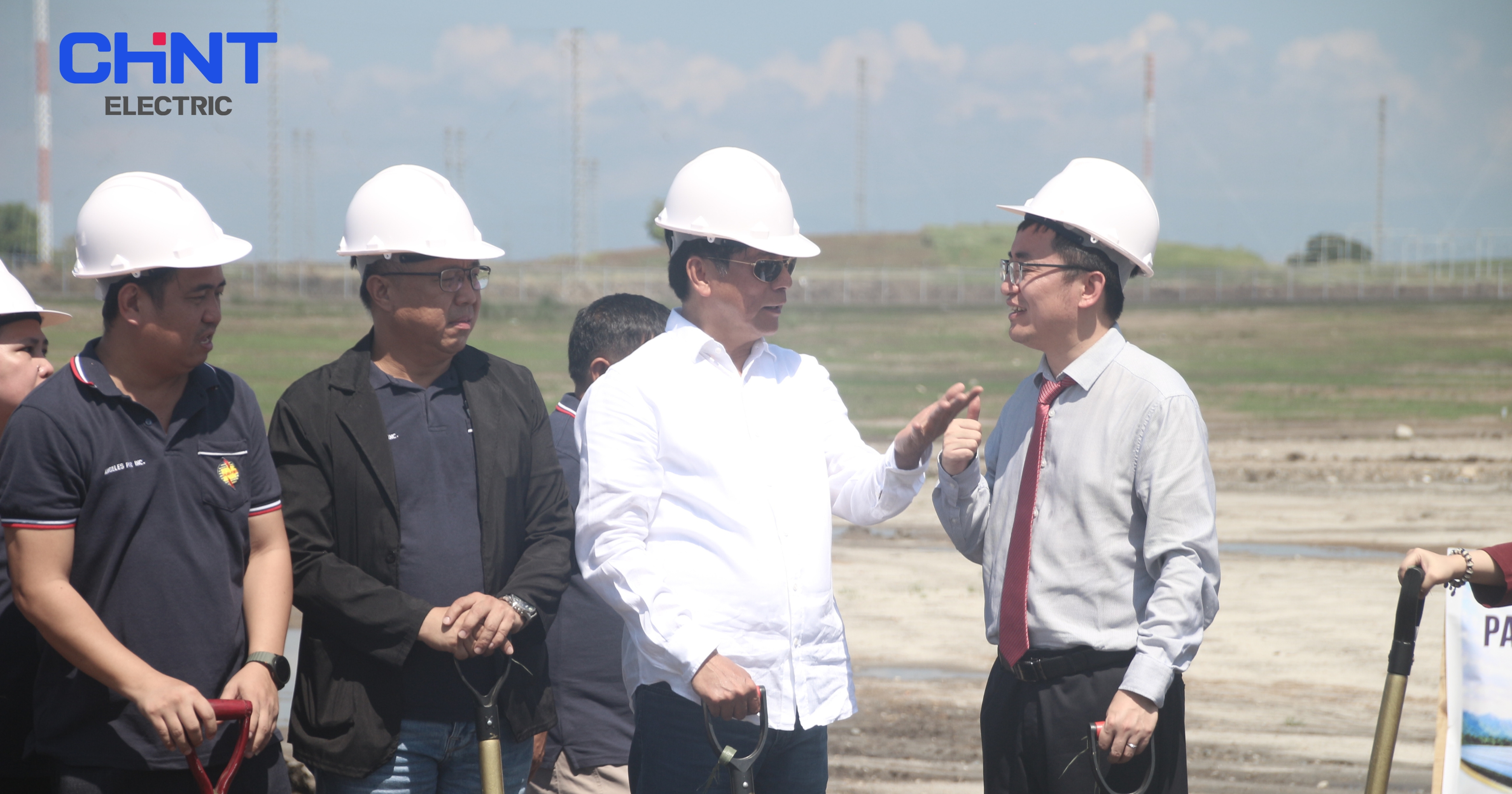
CHINT has been awarded the turnkey Engineering, Procurement and Construction (EPC) contract by Angeles Power Inc. (API) for the 62.462 MWdc / 49.920 MWac PALDO CT Solar Photovoltaic Power Plant, including a 69kV substation and associated facilities. Located in Concepcion, Tarlac, Philippines, the project marks another significant milestone in CHINT's contribution to the country's renewable energy development.
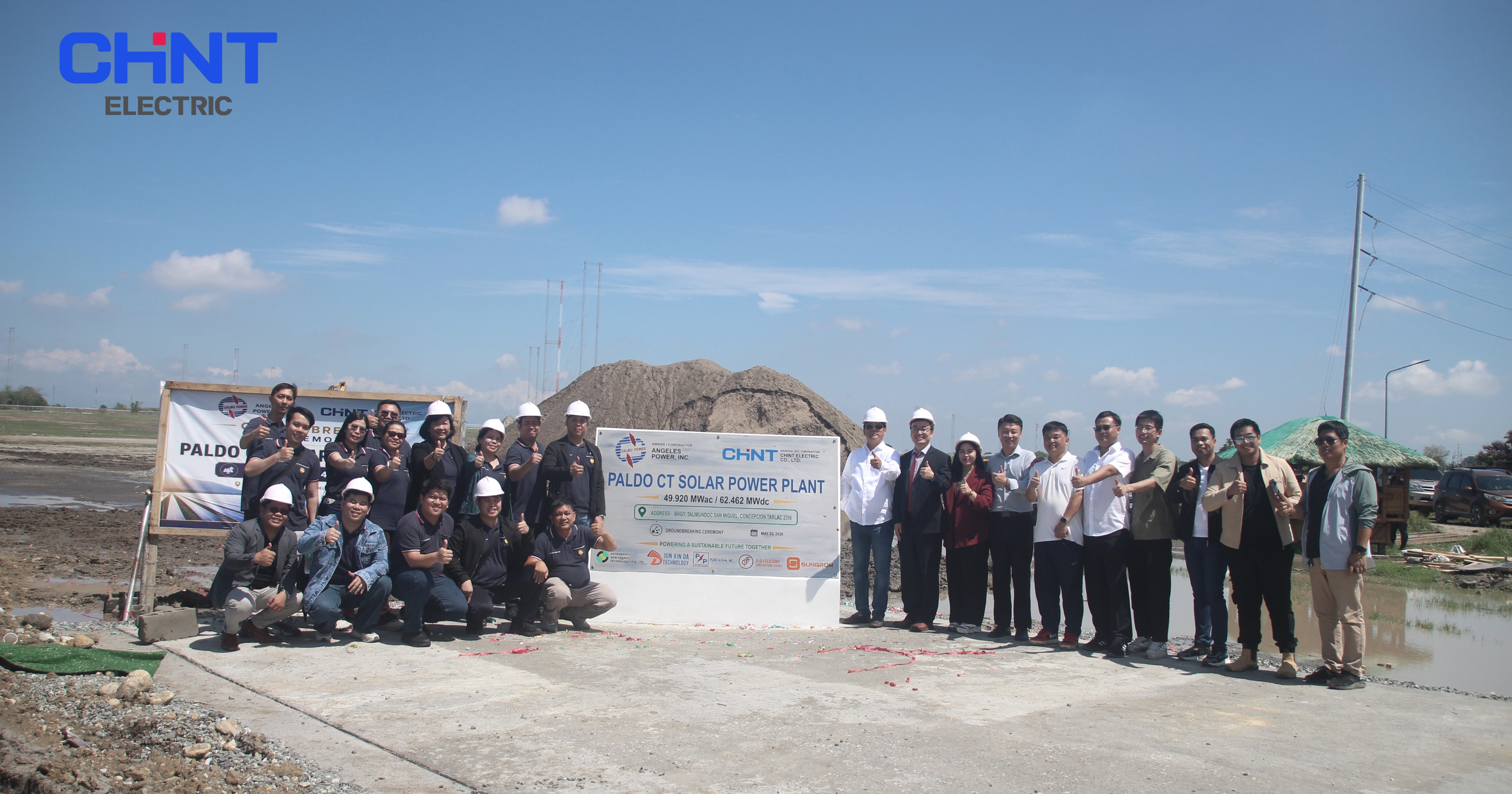
Representing CHINT Philippines' largest solar EPC project to date, the project demonstrates the company's capability to deliver integrated utility-scale solar infrastructure. From early-stage project development through engineering, procurement, construction and commissioning, CHINT provides comprehensive EPC expertise to ensure efficient and reliable project delivery.
Upon completion, the PALDO Solar CT Photovoltaic Power Plant is expected to generate sufficient clean and renewable energy to power approximately 42,100 households. It is also expected to reduce carbon emissions by an estimated 72,000 tons of CO₂ annually, based on the NGEF 2019–2021 Combined Margin Emission Factor for the Luzon-Visayas Grid of 0.7068 t-CO₂/MWh, equivalent to the environmental benefit of planting approximately 1.2 million trees¹.
The contract further strengthens CHINT's presence in the Philippines' renewable energy market and reflects the company's commitment to delivering reliable, utility-scale solar and power infrastructure that supports the country's sustainable development goals².
¹ Tree equivalency is based on:
• McPherson, E. G.; van D. N. S.; Peper, P. J. (2016). Urban Tree Database and Allometric Equations. Gen. Tech. Rep. PSW-GTR-253. Albany, CA: U.S. Department of Agriculture, Forest Service, Pacific Southwest Research Station.
• U.S. Department of Energy (1998). Method for Calculating Carbon Sequestration by Trees in Urban and Suburban Settings. Voluntary Reporting of Greenhouse Gases, Energy Information Administration.
² Based on the Philippine Department of Energy (DOE), Power Development Plan 2023–2050, which sets renewable energy generation targets of 35% by 2030 and 50% by 2040.