

Table of Contents |
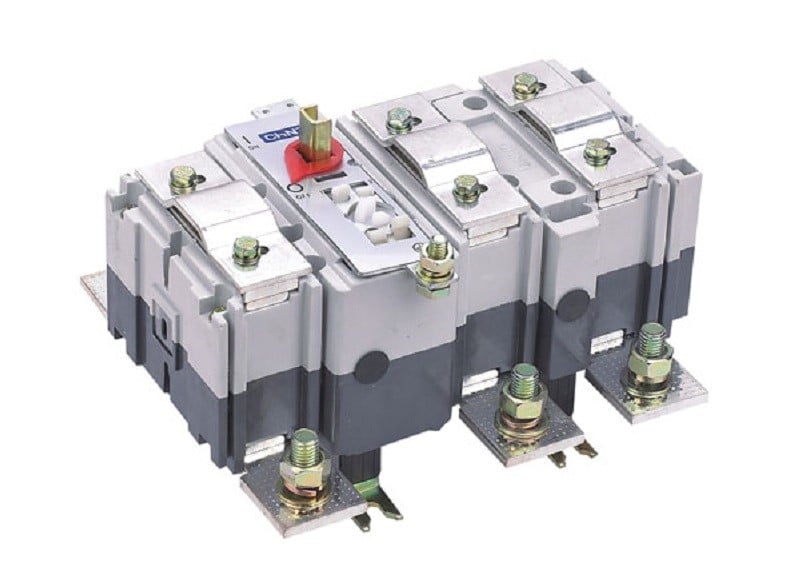
Fuse switch disconnectors are essential components of most electrical circuits. They protect dangerous overcurrent and ensure that the electrical circuit is safe. A fuse switch disconnector will also help to prevent damage to the wiring or other components in the system.
This guide explains why you should include a fuse switch disconnector in your electrical system, whether it is a commercial or domestic installation.
What is a Fuse Switch Disconnector?
A fused switch disconnector is an overcurrent protective device that interrupts an electrical circuit’s flow when there is an excessive stream of current that is more than it can bear or if there is a short circuit. It is similar to a circuit breaker in the sense that it also helps to prevent short circuits and overloads. Unlike a circuit breaker, however, it cannot be reset; once the fuse element has blown due to an overcurrent situation, it must be replaced with a new one.
It also automatically shuts off power to the equipment to prevent overheated wires that can damage sensitive electronics, motors, and more and pose a fire risk. For instance, if you have an AC unit with a fusing limit that deviates from the repeated standards. It may be more practical to install a fused switch disconnector to meet its fusing requirements so that it is more protected and contains a lower fire risk.
Advantages of Fused Disconnect Switches
Fused disconnect switches have many advantages. They are usually smaller and more reliable than circuit breakers, as they have fewer moving parts. Additionally, they are very cost-effective, since after the fuse element has blown due to an overcurrent situation, it can be easily replaced with a new one instead of being reset.
Here are the advantages of using fused disconnect switches:
It Can Monitor Higher Loads
Fused disconnect switches have a high ampere interrupting capacity, which makes them suitable for use in electrical systems that carry industrial loads or other high loads. The more fuses the disconnect has, the higher its capacity to monitor heavier usage electrical systems.
It also provides the current path interruption and power shut-off protection they need. For example, when a large motor is operating, the disconnect switch stops its current immediately to prevent short circuits or overloads.
It's Safest Option for Your System
Fuse switch disconnectors are much safer than circuit breakers because they contain a fusible element that melts when an overcurrent occurs. This ensures that the electricity supply is cut off in the event of a fault, reducing the risk of fire or damage to your electrical system. In contrast, circuit breakers can be reset and may not provide the same level of safety as a fuse switch disconnector.
Meets the NEC Standards
Most fuse switch disconnectors meet the National Electric Code (NEC) standards, so you can be sure that your electrical system is compliant. This is particularly important for commercial buildings, where it is essential to ensure all the equipment meets the necessary safety standards.
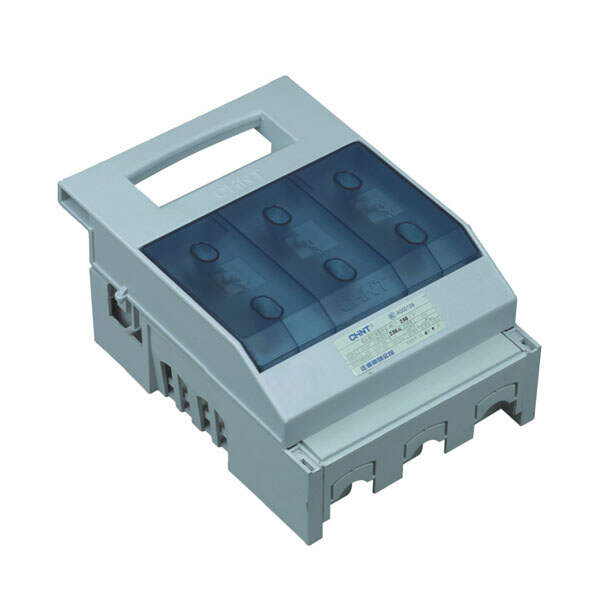
The NHR17 Fuse-Switch Disconnector, for example, is a new product developed by our Chint Global that meets the requirements of the National Electrical Code (NEC). This means you can be sure that your electrical system is up to code and will remain safe. It has a rated operational voltage and current of up to 600V and 630A, respectively. It also has a rated insulation voltage of up to 800V.
Fused Disconnect Switch vs. Circuit Breaker
There are two main solutions for protecting an electrical system from overloads and short circuits, which include a fused disconnect switch and a circuit breaker. While both provide this protection, there are notable differences between the two.
Circuit breakers can be reset when an overload or short circuit occurs. Fused disconnect switches, on the other hand, should be replaced with a new fuse element when the current overloads. This makes them more reliable and cost-effective than circuit breakers.
Fused disconnect switches are also typically smaller than circuit breakers since they have fewer moving parts. They also have a higher ampere interrupting capacity, meaning they can monitor heavier electrical systems and provide better protection from overcurrents.
When to Use a Circuit Breaker?
Fused disconnect switches are commonly used for industrial applications and in electrical systems that require high levels of current. They provide a cost-effective way to protect against overcurrents without the need to reset after a fault has occurred.
In addition, it’s important to use one when the fusing requirements exceed those of standard circuit breakers and when the installation space is limited.
How to Select Fuse Switch Disconnectors
According to the NEC, any fused disconnect switch must be rated for the maximum voltage and current of the system it will be protecting. It is also important to consider its capacity, which is determined by the amperage and type of fuse used.
For example, the NHR17 Fuse-Switch Disconnector has a rated operational voltage of up to 690V and an operational current of up to 630A. When selecting a fuse switch disconnector, make sure it meets your specific needs and that it will provide the best protection for your system.
Where you will be using your fuse switch disconnector (application) is also important. You must ensure that the fuse switch disconnector is designed for use in your particular environment and operating conditions. You can check in with our experts for further advice on this.
You want to also look for a product made of durable, insulating materials, such as reinforced thermoplastic and heavy gauged steel body plates. The materials should also be flame-retardant, so they will not catch fire in the event of an overload.
Fuse Switch Disconnector Accessories
Once you have determined the right fuse switch disconnector for your application, you will need certain accessories to ensure it works correctly. Some of the accessories available include:
- Circuit breakers – these are designed to protect the fuse switch disconnector from any sudden overloads.
- Fuse links – these provide added protection for your electrical equipment, as they will trip and shut off the power supply in the event of a fault.
- Contactors – these are used to control the operation of the fuse switch disconnector.
- Enclosures – these provide secure and protective housing for your fuse switch disconnector, preventing accidental contact with live parts.
It is important to ensure that you select all of the correct accessories, as this will ensure the safe operation of your installation. If you are unsure about what accessories you need, you should consult an expert.
Conclusion
A fused disconnect switch is a reliable, cost-effective way to protect an electrical system from overloads and short circuits. While it is important to select one that meets the requirements of your system, there are many factors to consider when making your selection.
At Chint Global, we have a wide range of Fuse-Switch Disconnectors that can help you achieve your electrical protection goals. Browse our catalog and feel free to contact us with any questions you may have. We are here to help you find the right solution for your needs.