

Table of Contents |
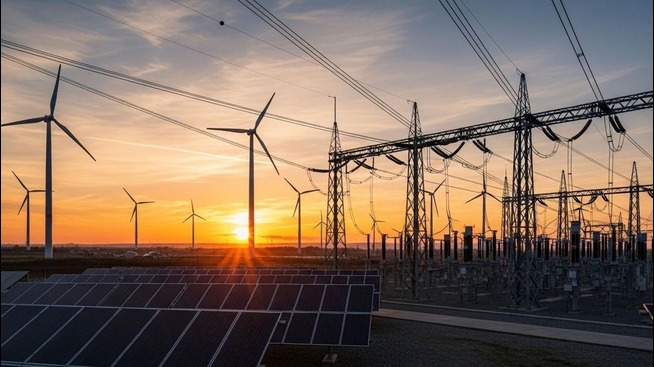
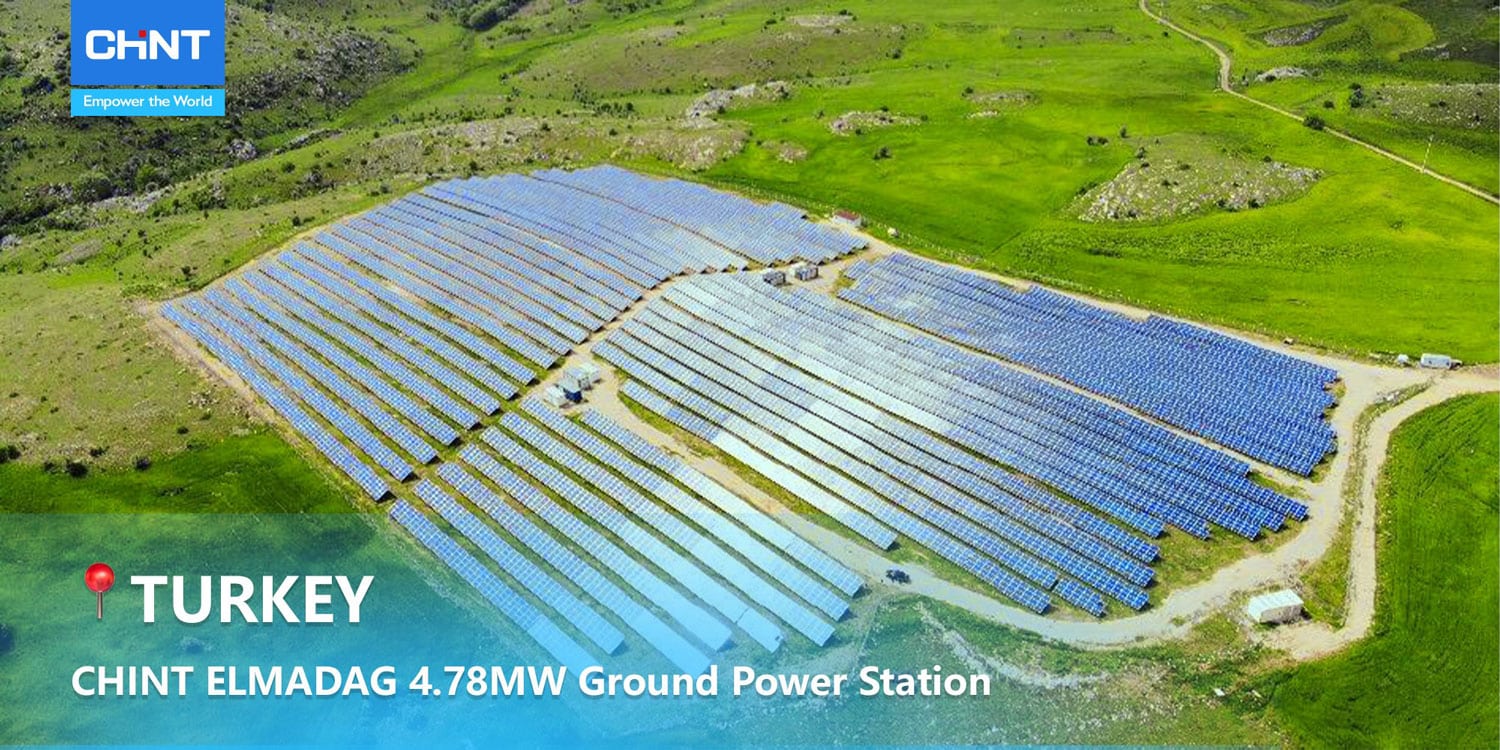
Solar energy is growing in demand as a renewable energy source. To meet this growing demand, utility-scale solar has emerged as an attractive solution. Utility-scale solar refers to large photovoltaic or concentrating solar power systems capable of generating at least one megawatt of electricity – enough power for about 250 homes. This guide covers the basics of utility-scale solar, including what it is, how it works, and its advantages.
Defining Utility-Scale Solar
Utility-scale solar refers to solar power facilities that generate electricity and supply it to the grid for utilities. These facilities typically have a power purchase agreement with utilities, ensuring a market for their energy production.
Utility-scale solar projects can range in size, with some definitions suggesting a minimum of 1 to 10 megawatts. They can be situated on unused desert lands, abandoned agricultural lands, or even within cities, like rooftop installations.
While the exact size threshold varies, utility-scale solar projects are distinct from smaller, net-metered installations, which generate on-site power and sell excess energy to utilities on a per-kilowatt-hour basis.
Components of Utility Scale Solar PV Systems
All utility-scale solar PV systems have various different components that work in unison to supply a local utility company with the necessary energy. These components include solar panels, inverters, mounting structures, transformers, and substations. Understanding how each one of these components works can give you a better idea of how energy is harnessed.
The first component that is necessary for any PV system is solar panels. These panels absorb sunlight. The type of mounting structure utilized will highly depend on where the panels are positioned. However, a mounting structure is an absolute necessity to ensure that the panels are capable of remaining in place throughout any weather conditions.
One of the most imperative components of any solar energy system is its inverter. This device works to convert the direct current solar energy absorbed by the PV solar panels into alternating current electricity. AC electricity is the main electricity used by utility companies and consumers. Chint Global offers two great inverters that can be used in utility-scale systems, including CPS SC250-500KW Series.
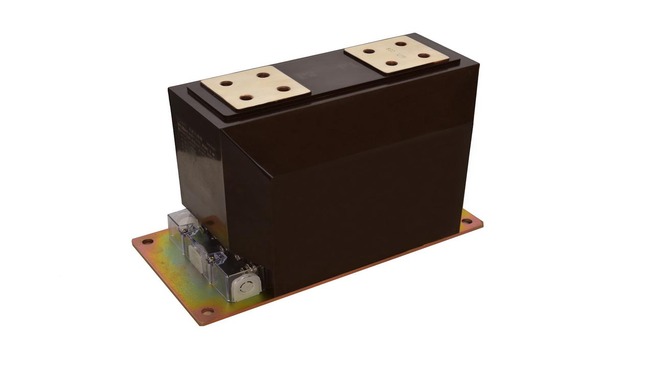
Once the solar energy is in AC format, it’s introduced into the utility power grid via a transformer. This transformer is housed in a substation that is responsible for stepping up the voltage level from medium to high voltage for efficient use.
Advantages and Challenges of Utility-Scale Solar
As with any large-scale project, there are always going to be some advantages and challenges to investing in one. On the advantages side, utility-scale solar helps us to harness solar energy better to power our world. This helps make the global shift from fossil fuels to more reliance on renewable energy. These utility systems operate at optimal output, which means that they’re getting more energy generated at a much lower price than traditional rooftops and other types of solar systems.
Utility-scale solar PV programs do come along with some challenges that you need to be aware of. First and foremost, land acquisition can be challenging in areas where there’s already a large population and not much room to install utility-scale equipment. Apart from finding land, you’ll also have to jump through various regulatory hurdles depending on the location where you’re having the utility-scale system PV installed.
Lastly, setting up the transmission infrastructure in order to move that harnessed energy into the power grid can be quite costly. Fortunately, Chint Global is working to overcome these hurdles with innovative products and solutions.
Utility Scale Solar Cost and Financing
When you’re going to be instituting a solar energy system on a much larger scale, it’s going to be more costly, to say the least. When it comes to capital costs, you’ll have to not only purchase the system in the components that go along with it, but you also have to pay for local permitting and other coding requirements. After your system is set up, you’re going to have to pay operational and maintenance expenses to be effective over the long term.
Fortunately, utility-scale solar PV installations come at a lower cost per kilowatt hour compared to smaller-scale systems due to the higher efficiency of these systems. There are different financing options that you have to choose from, including power purchase agreements and private financing.
The most common is a power purchase agreement or a virtual power purchase agreement, where you sign a contract between 12 and 20 years to supply energy at a set price to certain customers.
Current Trends and Future Outlook for Utility-Scale Solar
Utility-scale solar PV has become a market of its own as many companies like China Global are working to create more innovative technology solutions to enhance usability. One of the most common solar designs developed in recent years is energy storage capability. This helps to provide the benefit of dealing with evening energy ramps and allows for backup power when necessary.
Research has suggested that around 80% of utility solar projects that were established in 2018 were actual utility companies signing contracts with utility-scale solar PV companies without any intervention or mandating from the government.
Utility providers are finding that they can lock in the same purchase price for energy regardless of what time of day they’re getting it. This is a stark difference from fossil fuel energy, where the energy produced during peak hours costs more.
Role of Chint Global in Utility Scale Solar Market
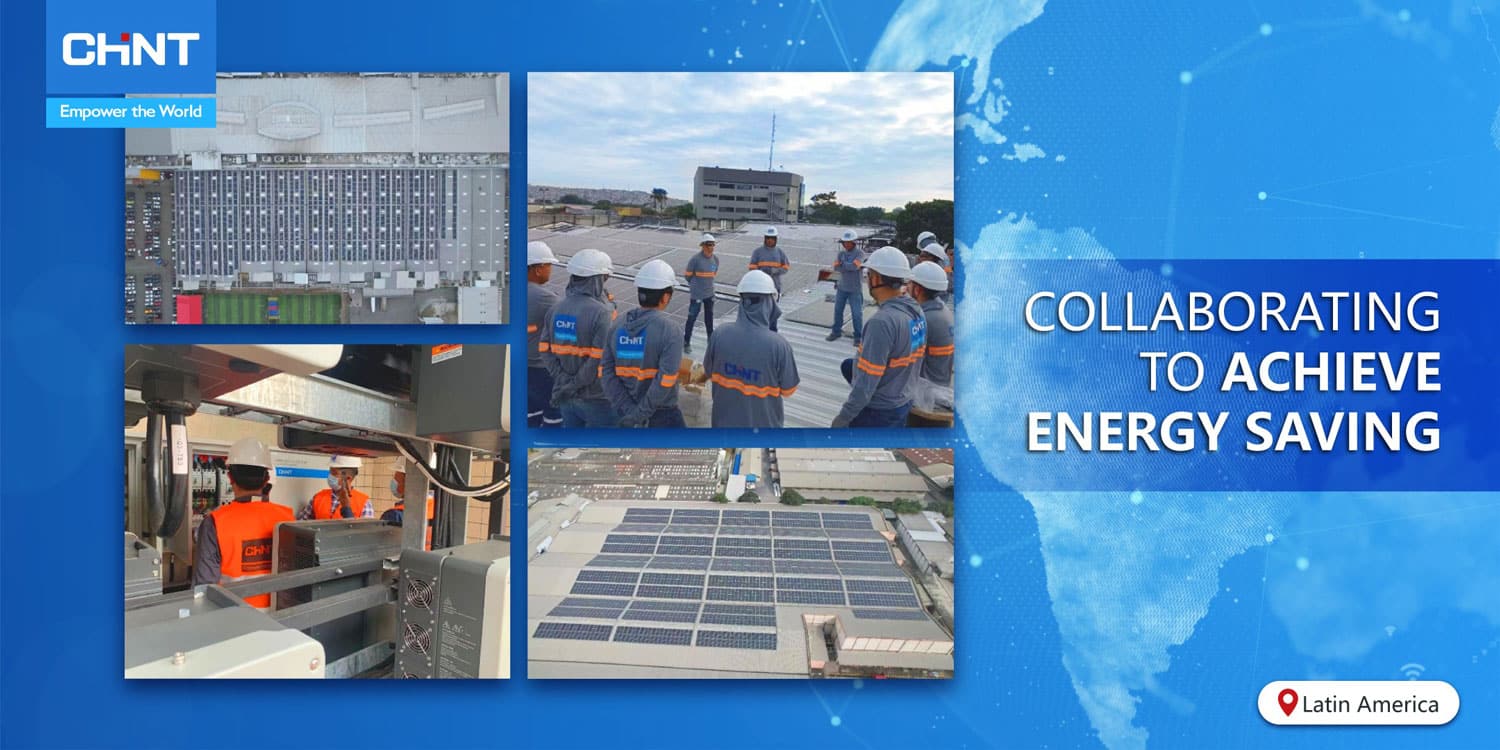
Chint Global is committed to the utility-scale solar market and is working each day to create innovative solutions to make these systems even more efficient and widespread. We offer a large range of utility solar products, like our CPS SC250-500KW series inverters, which can reach a maximum efficiency of 98.5%. These are currently in use in various large-scale utility power stations throughout China.
Conclusion
As a global society, utility-scale solar systems are becoming an ideal solution to help harness the power of solar energy and use it on a large scale. With products like the ones offered by Chint Global, more and more companies will be able to fund the purchase and installation of utility solar systems and, in turn, help to increase energy output while reducing costs for businesses throughout the world. To learn more, see our product page here.
FAQ about Utility Scale Solar
How do utility-scale solar projects differ from residential solar installations?
What are the benefits of utility-scale solar?
What are the challenges of utility-scale solar?
Challenges of utility-scale solar include high upfront costs, land-use conflicts, and transmission line requirements.