

Table of Contents |
Chint provides you with a variety of high-quality electrical products to purchase. However, when it comes to switch disconnectors, there is much more to consider before you can safely make an order of the product. This includes the functionality, application areas, and some of the product’s benefits when installed.
Therefore, it’s essential to begin by looking at the meaning of a switch disconnector, and how this device works in the electrical circuits. The disconnectors are used in electrical circuits. These devices are used to cut off electrical circuits for safety purposes. Therefore, if you want to know more about switch disconnectors as one of the commonly used disconnectors in different electrical circuits, then this article is for you.
What is a switch disconnector?
A switch connector is an electrical device with the same functionality as a disconnector. As stated earlier, a disconnector is always designed to disconnect electrical current flow for safety reasons. For instance, when electrical equipment is undergoing repair and maintenance, the electrical flow in the equipment must be disconnected for safety.
For this reason, the main objective of a switch disconnector is to stop the electric flow to all the connected devices in an electrical circuit. As you know, electricity is fatal when handled without precautions; cutting off the flow of the power enables you to manage any electrical device safely during repair and maintenances purposes.
The switch disconnectors will isolate the power to the equipment by cutting off the electrical flow from the primary input or at the main output. The switch disconnectors are also of many types; some are operated manually while others are automatic. For this reason, there exist manual disconnectors and automatic disconnectors.
However, the use of these two switch disconnectors varies based on the disconnector. What you need to note is that the switch disconnectors serve both as a disconnector and also as a load switch. They are always designed to combine the qualities of being an electrical isolator and a load switch.
This makes the switch disconnectors widely used in electrical circuit networks today. It is perfect and reliable in isolating electrical devices from power and has many more benefits, including breaking and energizing the electrical circuits. Many types of switch disconnectors found in the market are frequently used in electrical circuits today.
They include fuse switch disconnectors, normal disconnectors, and famous circuit breakers. However, these switch disconnectors are uniquely designed to operate for different purposes, but all have similar objectives. For this reason, you will always find all these types of disconnectors used together in different electrical circuits.
Why switch disconnectors are used?
As you know, a switch disconnector, also called a disconnector switch or an isolator switch is mainly used to isolate power from electrical equipment connected to a circuit for safety reasons during maintenance activities. These disconnectors also break the electrical circuits in a large electrical distribution.
For this reason, they are widely used in many industrial applications, both manual and motor-operated disconnectors. During their operation, these disconnectors are always paired with switches linked with the earthing wires to provide the safety required for the electrical engineering experts to fix electrical issues during repair and maintenance activities safely.
In addition, the disconnectors with high voltage ratings are always used in larger electrical substations. Their main purpose in the substations is to disconnect extensive powers in transmission lines and transformers for safety maintenance.
The disconnectors, especially from Chint, are always safe and efficient in isolating the large power, making them the most frequently used disconnectors in larger electrical distribution circuits and substations. However, the electrical disconnectors do not have the mechanism to control circuits; they are only safe in isolating the power flow.
Advantages of switch disconnectors
Some of the main benefits of these devices are providing a remote indication, especially in the disconnector position, electrical interlocking, and power transfer switching. As stated earlier, the main objective of an electrical switch disconnector is to isolate power flow.
However, how do they achieve this? Since these disconnectors can either be automatic or manually operated, you will need to choose the best operating method before using the device in your circuit, especially for larger power supply circuits such as in power substations.
These disconnectors are commonly connected to the earthing switches as they are associated with their functionality. For this reason, the interlocking switches are permanently mounted in a frame. A separate mechanism is also applied to the system connection to eliminate the need for an extra post insulator when connecting the earth switches.
In most cases, the earth switches are designed to disconnect dead circuits. For this reason, most switches always lack a fault-making mechanism. However, specific designs of the earth switches come with the fault-making tool that you may consider if you need such kind.
Chint Switch Disconnectors
The Chint store offers you different varieties of switch connectors. These connectors include:
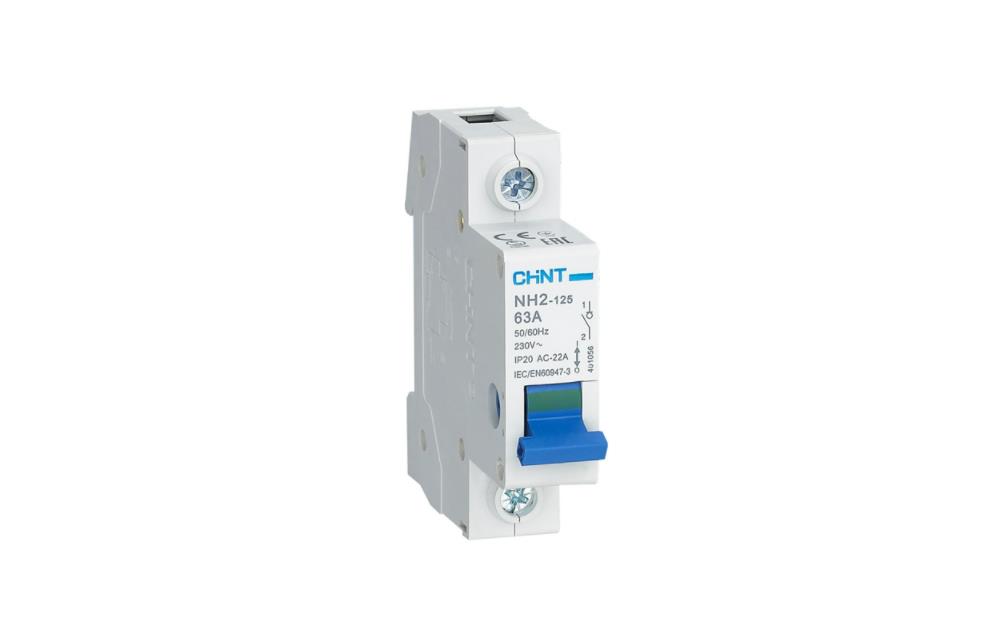
• NH2 Switch disconnector
This is a high-quality product that complies with the design requirement of power isolating functions. This disconnector is perfectly designed to match the DZ series of the RCBO/MCBs in an electrical circuit. In addition, it has certificates and approvals with detailed information on how to use it.
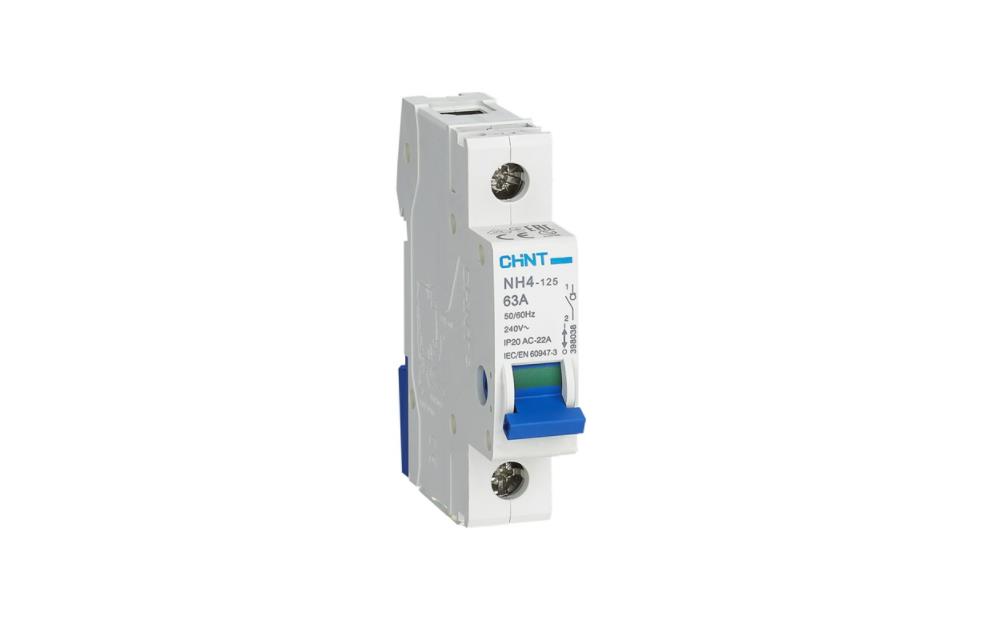
• NH4 Switch Disconnector
This is another powerful switch disconnector available from the chint store that has safe power isolation in an electrical circuit. This device also complies with the isolation function requirements. It is designed to match the MCB/RCBOs that are in the NB series. This device also comes with approvals and certificates that contain information you need to know concerning the product.
• NXHB-125 Switch Disconnector
When looking for the most reliable isolation switch, the NXHB-125 isolation switch from Chint will be the best option for you. It is efficient and perfect for power disconnection and will offer you a safe environment for maintenance purposes in a circuit. It has a wide range of current ratings from 20-125A with an isolation voltage rated at 500V.
Conclusion
A switch disconnector is one of the most frequently used electrical devices in different circuits today. It is mainly used as a disconnector to isolate the flow of electrical current into equipment. The power cut-off is always necessary to provide a safe working environment.
This is essential during repairing and maintaining the electrical circuits and equipment. The disconnectors also make it easier for professionals to repair and maintain circuits in larger power distributions such as in power stations. Therefore, you can make an order for your switch disconnector from the Chint store today and experience their quality services during your electrical maintenance activities.