

Introduction
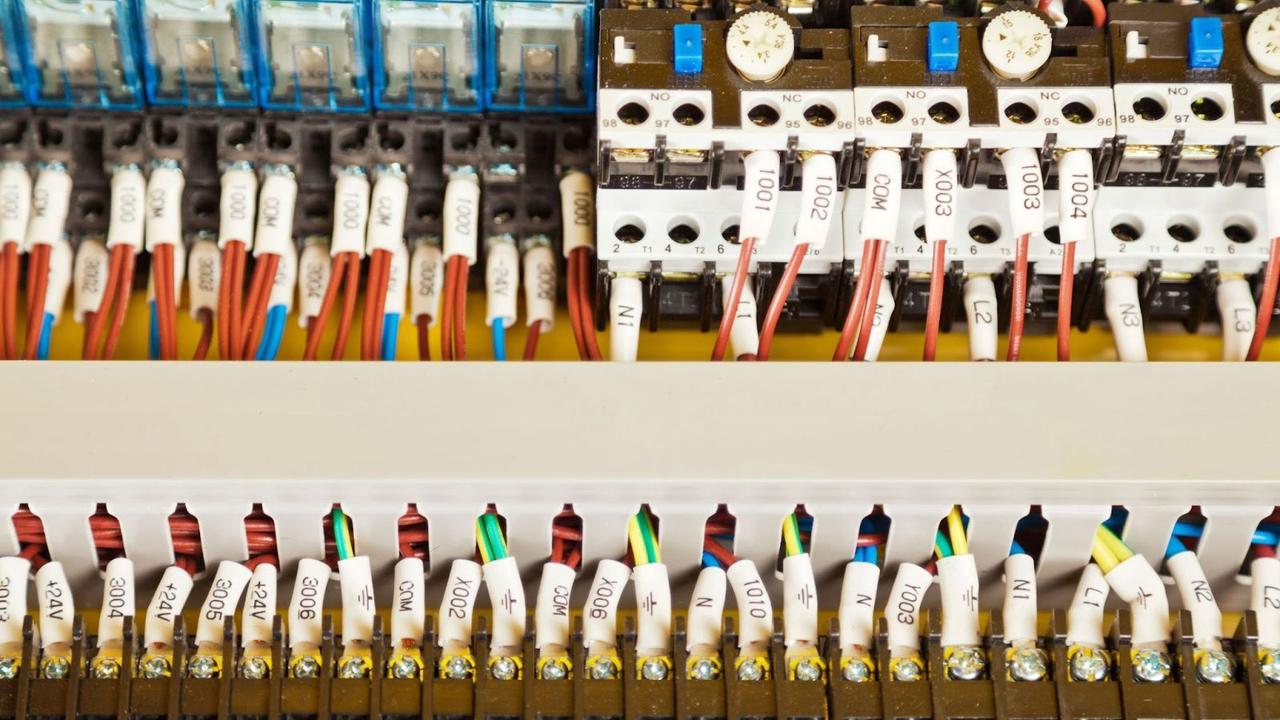
Modern industrial systems have advanced exponentially in recent years. Yet, their electrical components are still prone to voltage surges. When voltage spikes due to fault conditions, capacitive coupling, or lightning strikes occur, it can degrade or shorten the lifespan of semiconductor devices, capacitors, and transformers.
To protect electrical equipment from a voltage surge, you need a surge arrestor. This device limits the voltage to a safe level by absorbing excess energy and redirecting it to the ground safely.
In this blog, we discuss why surge arrestors are a must in every modern electrical system.
Effects of Power Surges on Electronics
During power surges, electric circuits experience brief and sudden bursts of excess voltage. Insulation materials, which are designed for standard voltage levels, cannot sustain such spikes and suffer severe stress during such events. At this point, current flows at a rate that exceeds the conductors’ capacity. This phenomenon accelerates the heating of metallic paths, which can cause melting and cracking.
Effects of repeated Surge damage are typically visible, such as scorched connectors, tripped circuit breakers, and blown fuses. There are also “hidden” or subtle effects that often pass visual inspections, like connected devices beginning to malfunction, erratic device displays, or development of microscopic fissures (that can aggravate over time).
Importance of Surge Protection and How Surge Arrestors Work
Even small voltage increments can damage current-day electronic devices. For this reason, it is vital to invest in surge protection to safeguard your equipment from surge spikes during lightning, activation of large appliances, and circuit wiring issues.
A common surge protection device is a surge arrester. It “arrests” or discharges external surge currents (such as due to lightning) or overcurrent due to internal forces (such as switching events).
Here is how a surge arrestor works:
Normal Operating Condition
During standard operation, a surge arrestor is inactive within the circuit. The device’s core, which is typically a metal oxide varistor (MOV) or zinc oxide block, comes with high electrical resistance at normal voltages.
When there is high resistance, the current will not flow through the device. This ensures the normal and continuous operation of the connected equipment.
Hence, under a steady-state condition, the arrestor does not conduct current. Power flows continuously along the intended path, and the arrestor stands by in a fully non-conductive mode. This design ensures zero interference with daily power transmission or equipment function.
You can think of it as the arrestor in “watchful standby” status. But it can activate anytime when necessary, without affecting the circuit's energy efficiency.
Surge Occurrence
Say that a voltage spike occurs. The excess voltage propagates through the system through the point that it exceeds the arrestor’s pre-defined threshold.
Now, the MOV or zinc oxide elements within the device shift from high to low resistance. This rapid switch forces the arrestor to be conductive within milliseconds. The surge current will now flow along the low-resistance path provided by the arrestor directly to ground. The equipment is now safe from the dangerous voltages and shielded from any overvoltage stress.
Energy Absorption and Voltage Clamping
When the surge arrestor conducts, it absorbs energy and clamps voltage. Voltage clamping refers to the process by which the arrestor prevents the transient energy from exceeding equipment tolerances. Hence, the voltage remains at a predetermined safe threshold.
Now, the surplus in surge energy transforms into heat within the MOV block, which dissipates rapidly to avoid any damage.
Thus, every arrestor must have sufficient energy absorption capacity to achieve these tasks successfully. This parameter, often expressed in joules, appears mostly in IEC and ANSI product standards. Higher capacity means better energy transfer effectiveness, which ensures that the devices and circuits are safeguarded from voltage spikes.
Recovery and Return to Normal State
Upon energy absorption, system voltage swiftly returns to normal. The surge arrestor also returns to its original high-resistance and non-conducting state. Current flow through the device halts automatically, and the main circuit resumes uninterrupted operation. No manual reset, recalibration, or maintenance is necessary after each event.
CHINT offers several HV Surge Arrestors that perform the aforementioned cycle repeatedly without mechanical wear. These surge arrestors are usually applied in substations and overhead transmission lines to protect power equipment and transmission lines from lightning shock waves. This ensures the normal and continuous operation of electrical facilities.
CHINT surge arrestors have two main types: porcelain type and composite type, and the voltage is from 10kV to 750kV. All of these products meet the stringent IEC & ANSI standards, which have obtained certificates from KEMA and Chinese Labs, which are authorized by ILAC and CNAS organizations.
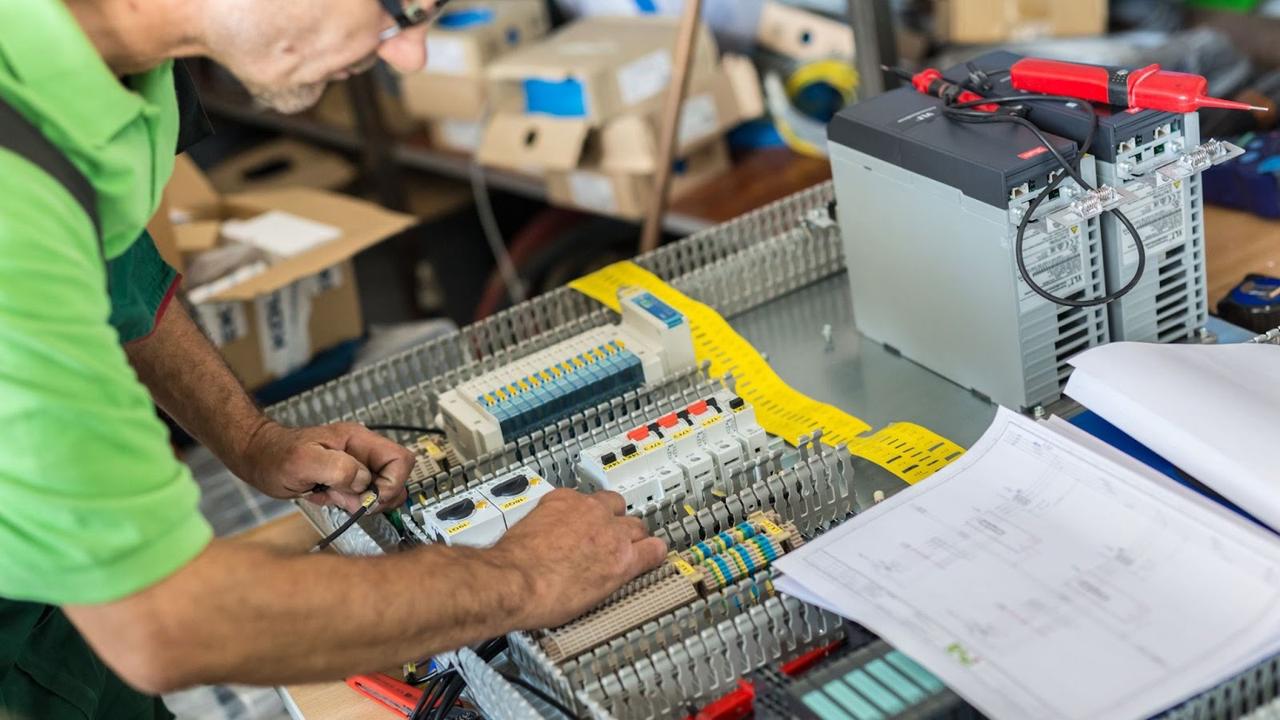
Most surge arrestors are applied in high-voltage systems across power transmission networks, substations, and large-scale industrial facilities. These systems are highly vulnerable to electrical surges and elevated voltages that can amplify the dangers of transient surge events (degradation or even destruction of insulations, transformers, and switchgears).
Engineers must position arrestors at vital points, such as substation busbars, transformer terminals, line entries, and cable terminations. This is to ensure that the arrestor can intercept surges before they can propagate deeper into the network. This strategy’s effectiveness relies on appropriate sizing, placement, and coordination with system insulation levels, which is clearly outlined in IEC 60099-4 and relevant ANSI standards.
It is imperative that surge arrestors (in high-voltage applications) must also withstand frequent switches that can cause surges and temporary overvoltages. Most high-voltage arrestors now employ advanced zinc oxide varistors that can provide a non-linear response and high energy absorption without series gaps. These devices can also operate maintenance-free for years and resist weather events, pollution, and thermal interference.
Maintain the Integrity of Your Electric Circuits and Components With a Top-Quality Surge Arrestor
Voltage spikes are preventable, but the odds of them happening is always present. You cannot leave everything to chance. Remember that even a tiny increase in voltage can mess up your equipment or put your staff’s lives at risk.
A surge arrestor is essential to protect your circuits and electric equipment from voltage surges. This device can detect when the voltage is beyond a safe threshold and instantly switches from a high-resistance state to a low-resistance path. It then diverts dangerous surge currents safely to ground.
CHINT is a global manufacturer of safe, reliable, and efficient modern energy solutions. Serving 140+ countries, we are striving to offer the most robust electric protection device that safeguards your circuit, equipment, and employees. And with 2300+ distributors worldwide, our brand stands as the leading overseas intelligent electrical and clean energy system solutions provider. Check out our range of products here.